
In brief: Zucchini thrives in a warm, sunny spot with nutrient-rich, loose soil. Sow seeds directly outdoors from mid-May or start them indoors from April. Keep the soil evenly moist and fertilise regularly. Harvest the zucchini while they are young so the plant keeps producing. A good location and regular picking are the keys to a successful harvest.
How to Grow and Care for Zucchini: Tips for a Bumper Harvest
Zucchini is one of the most rewarding vegetables to grow in the garden. With little effort, it provides fresh fruit for months. Success depends on choosing the right variety, finding the ideal location and providing consistent care.
How do I choose the right zucchini variety?
There is a wide range of zucchini varieties to choose from. They differ in colour, shape, growth habit and flavour. Classic, long green zucchini are hardy and high-yielding. Round varieties are ideal for stuffing.
Yellow zucchini add colour to the vegetable patch and your plate. They often have a slightly milder flavour. Pay attention to the growth habit: bush varieties need plenty of space, while climbing varieties save room but need sturdy support.
For a home garden, I recommend a mix of classic green zucchini and one yellow or round variety. This gives you more variety in the kitchen and reduces the risk of all your plants being affected by a disease at the same time.
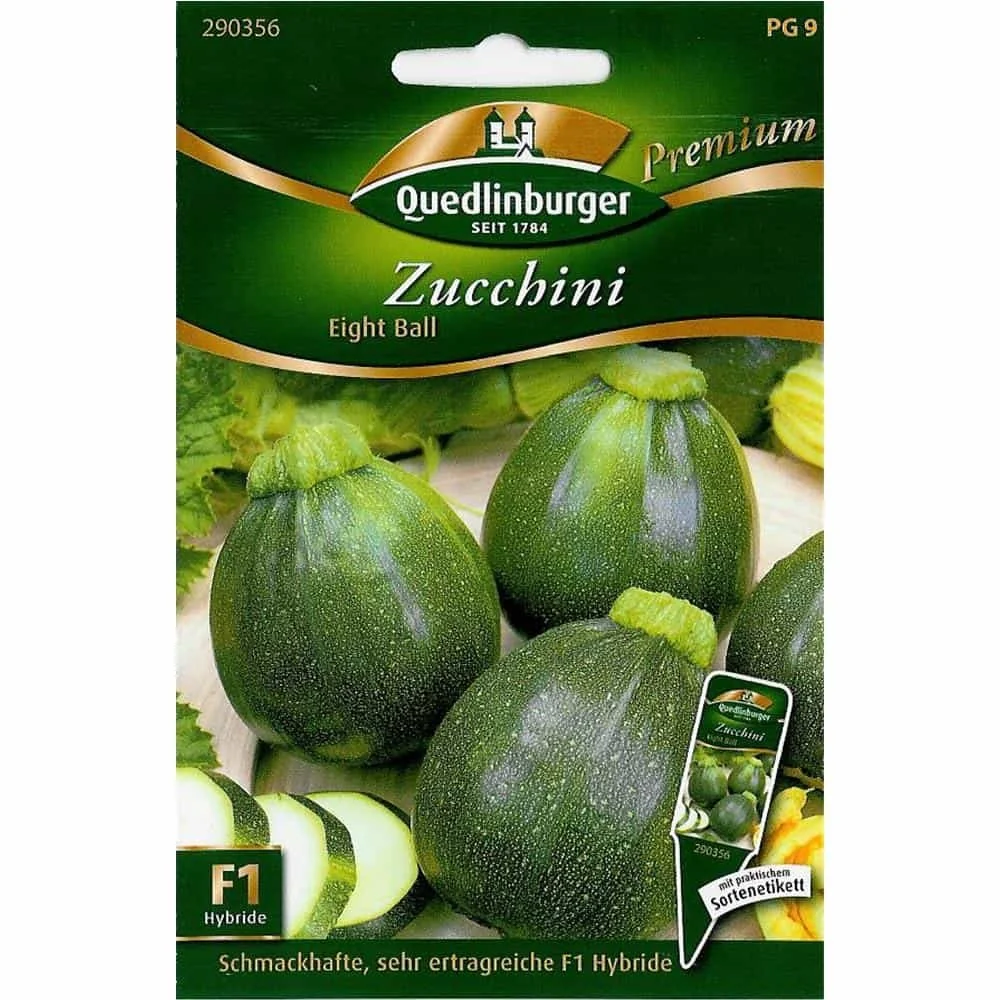
Starting with young plants raised under cover or on a windowsill is a practical way to get an early start. You can find a wide selection in the vegetable seed range. One reliable round variety, for example, is
.
What do zucchini need for the perfect start?
Zucchini love warmth and sunshine. Choose a spot in full sun that is sheltered from the wind. The soil should be deep, rich in humus and well-drained. Improve heavy soil with sand and mature compost.
Prepare the bed well in advance. Work in well-rotted manure or compost to provide nutrients over the long term. Sow outdoors only after the last frost, once the soil has warmed up.
Expert tip
Sow zucchini in small groups. Place three seeds about 2 cm deep at each planting site. Once they have germinated, keep only the strongest plant. This method encourages reliable germination and lets you select the best plant.
To start plants indoors, sow the seeds in pots from mid-April. Use seed-starting mix and keep it evenly moist. Place the pots somewhere bright and warm. Before planting them outdoors, gradually acclimatise the young plants to outdoor temperatures.
How do I care for zucchini plants properly?
Care comes down to three things: water, nutrients and protection. Zucchini need plenty of water. Water regularly and thoroughly at the roots. Avoid wetting the leaves to help prevent fungal diseases.
A mulch layer made from grass clippings or straw helps retain soil moisture and suppress weeds. Fertilise lightly at first after planting. Once flowering and fruiting begin, the plants' nutrient needs increase significantly.
Important note
Avoid over-fertilising with nitrogen-rich fertilisers. They encourage lush leaf growth at the expense of fruit production. Instead, use a potash-rich vegetable fertiliser or nettle feed.
Check the plants regularly for pests such as aphids or squash bug nymphs. At the first signs of powdery mildew, a grey-white coating on the leaves, remove the affected leaves. Leave enough space between plants to ensure good air circulation.
Why is the right harvest time so important?
Harvest zucchini when they are young and 15 to 20 centimetres long. At this stage, the flesh is tender, the seeds are soft and the flavour is at its best. Regular picking is the key to a long harvest season.
Every fruit you harvest signals to the plant that it should produce new flowers and fruit. If you let the zucchini grow too large, the plant often stops producing. Oversized zucchini become woody and fibrous and contain large, hard seeds.
The greatest joy of growing zucchini is the steady harvest. Walk through the vegetable patch every two days and pick everything that is ready. You can also use the large yellow male flowers in the kitchen—they are a delicacy.
Cut the fruit from the stem with a sharp knife. A handy harvest helper is the
. It is gentle on the plants and keeps the vegetables clean while you carry them.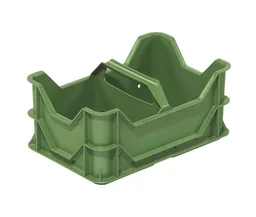
How can I make the most of my harvest and store it?
Freshly harvested zucchini will keep in the fridge for about a week. Do not store them next to ethylene-producing fruit such as apples, which can make them spoil more quickly. Zucchini also freeze well.
To freeze them, cut into slices or cubes, blanch briefly and freeze in portions. A glut of zucchini can be used to make soups, ratatouille or chutney. Pickling them in vinegar or oil is another good option.
Additional advice
Plant a few
next to your zucchini. Basil is a good flavour pairing, and some gardeners find it may also help keep pests away. Give this companion planting combination a try.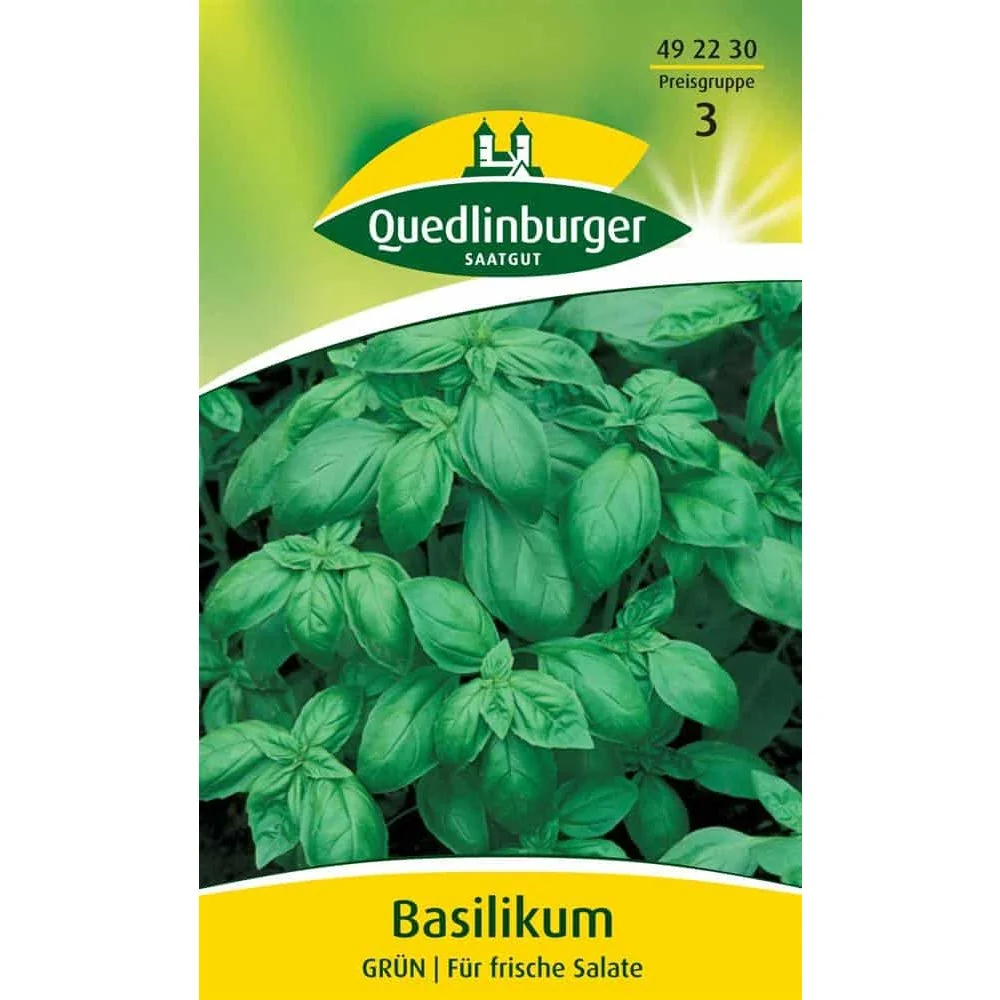
What are common problems and how can you solve them?
Powdery mildew is the most common fungal disease. Prevention is the best strategy: water at the base, leave enough space between plants and choose resistant varieties. If plants are affected, you can spray them with a milk-and-water mixture (1:9).
Fruit rot at the tips can indicate a calcium deficiency or irregular watering. Keep the soil evenly moist. If many flowers drop without producing fruit, the problem is usually poor pollination.
Insects may not be active enough to pollinate the flowers. Hand-pollinate with a paintbrush. Barriers or regularly collecting slugs in the evening can help protect your plants. For more plant protection solutions, you will find suitable products in our shop.
Conclusion: How to enjoy a bumper zucchini harvest
Growing zucchini is easy and rewarding. Start with the right variety in a sunny spot. Make sure the soil is rich in nutrients and water regularly. The most important trick is to harvest consistently while the zucchini are still young.
With these basics, nothing stands in the way of a bumper harvest. For your next gardening project, also browse our Seeds category. There you will find inspiration for the entire gardening season.
Frequently asked questions
- When is the best time to plant zucchini?
- Plant zucchini outdoors after the last frost, from mid-May onwards. To get a head start, you can sow them indoors on a windowsill or in a greenhouse from April. The germination temperature is 20-22°C. Only plant out young plants once there is no longer any risk of overnight frost and they are strong enough.
- How much space does a zucchini plant need?
- Allow at least one square metre of space per zucchini plant. Bush varieties spread out considerably, while climbing zucchini need a sturdy trellis. The generous spacing ensures good air circulation, helps prevent fungal diseases and allows the plant to reach its full potential.
- Why are my zucchini plants producing flowers but no fruit?
- Pollination is often the problem. Zucchini produce both male and female flowers. In poor weather or when there are not enough insects, hand-pollination can help: use a paintbrush to collect pollen from a male flower and transfer it to the stigma of a female flower. You can identify female flowers by the immature fruit at their base.
- Can you grow zucchini in a pot?
- Yes, for growing zucchini in pots, choose compact bush varieties. The container must hold at least 30 liters and have a drainage hole. Use high-quality vegetable compost and feed regularly, as the nutrients in the limited volume are depleted more quickly.
- How often should you water and feed zucchini?
- Water regularly and thoroughly, especially when the plants are producing fruit. The soil should never dry out, but avoid waterlogging. Feed every two to three weeks with a potassium-rich liquid fertilizer or incorporate well-rotted compost before planting. Too much nitrogen only encourages leaf growth.
You may also be interested in
- Growing cucurbits: From zucchini to melons
- Creating and caring for vegetable beds: The ultimate guide
- Are zucchini poisonous? Tips to avoid cucurbitacins
- Planting and caring for basil: How to enjoy a plentiful harvest
- Planting and caring for cucumbers: Tips for a bumper harvest
- Growing giant pumpkins: The best tips for a record harvest