
In brief: Efficient heating starts with the right temperature control and a well-insulated building envelope. Programmable thermostats such as PRODUCT_9473 automatically optimise energy consumption. Proper ventilation with fully opened windows instead of windows left tilted helps prevent mould. Regularly bleeding radiators significantly improves their performance.
Efficient Heating and a Better Indoor Climate: The Basics
Winter presents households with a double challenge. You want to combine low energy costs with a healthy indoor climate. You can achieve both through smart management rather than extreme measures.
The right temperature in the right place at the right time is the key. Modern thermostats handle this for you. At the same time, you need to control humidity and identify thermal bridges.
This article explains practical measures. You will learn how to optimise your heating, ventilate properly and improve your indoor climate over the long term. All the tips can be put into practice immediately.
How can I reduce my heating costs with smart technology?
Heating accounts for the largest share of household energy consumption. Modern control technology can significantly reduce this consumption. Programmable thermostats automatically adjust the temperature to your daily routine.
They lower the heating temperature at night and when you are away at work. When you return home, the rooms warm up to a comfortable temperature in time. No manual adjustments are needed.
The
is one such thermostat for heating or cooling applications. It offers precise temperature control and easy programming. Compared with manual control, it can reduce energy consumption by up to 30 percent.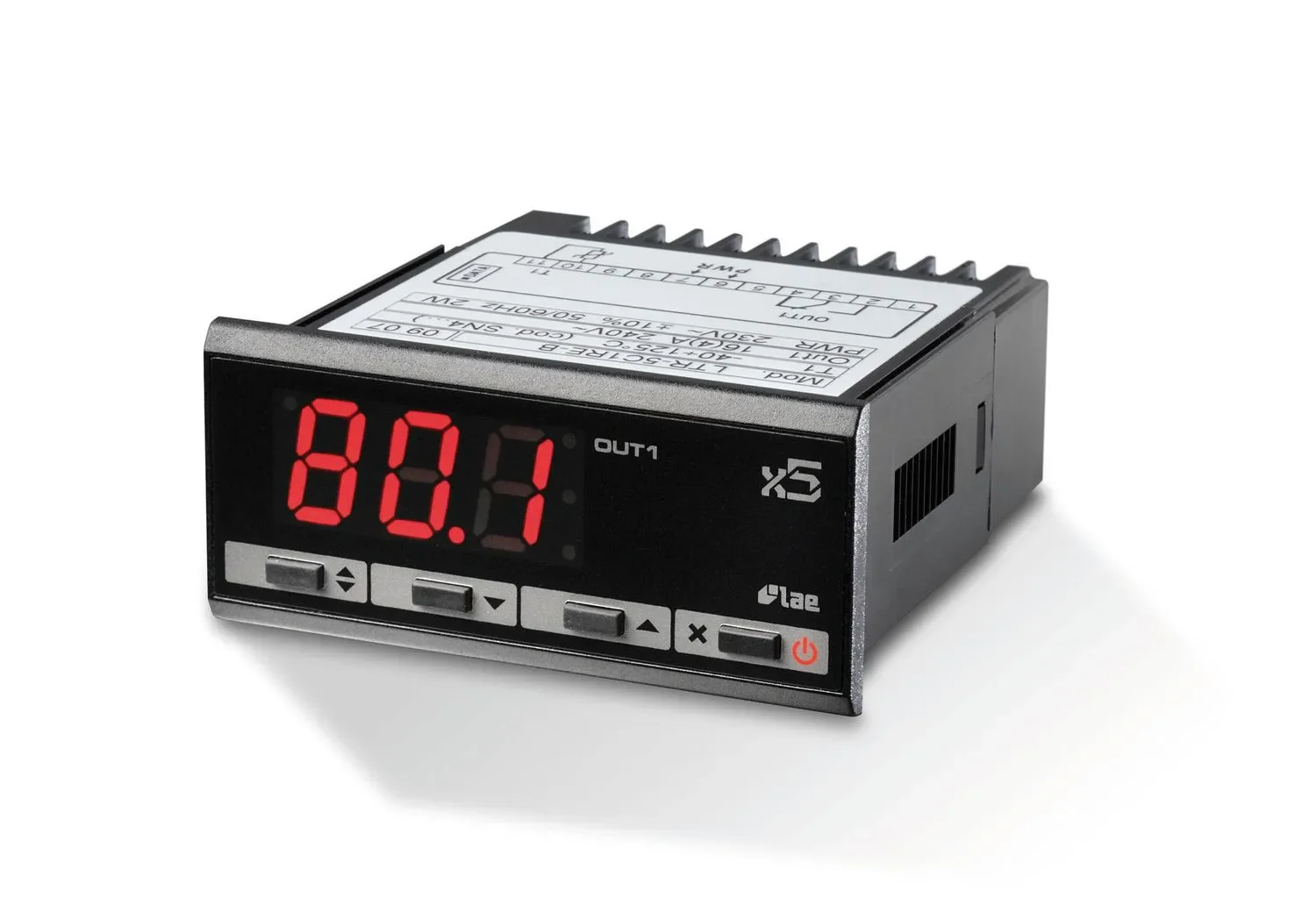
Expert tip
Programme your thermostat with setback periods of at least two hours. Shorter setbacks do not save energy because reheating consumes more. Use the geofencing function on smart models where available.
Define temperature zones in your home
Not every room needs the same temperature. Living rooms and home offices need 20-21 degrees. In the bedroom, 16-18 degrees is enough for restful sleep.
There can even be temperature differences within a single room. Do not place furniture directly in front of radiators. It blocks heat distribution and forces the heating system to work harder.
You can keep hallways and rarely used storage rooms at 15-16 degrees. Close their doors so that heat does not escape from living areas. Every degree lower saves around six percent of energy.
Why is proper ventilation essential for a healthy indoor climate?
Humidity is the invisible enemy of every indoor climate. Showering, cooking and breathing produce several litres of water every day. This moisture must be removed regularly.
Leaving a window tilted is counterproductive. It cools the wall around the window and encourages mould growth. Air exchange is too slow for effective moisture removal.
Instead, air the room briefly and thoroughly. Open the windows fully for five to ten minutes. Turn off the heating during this time. The air is completely exchanged quickly with minimal heat loss.
“Relative humidity in living spaces should be between 40 and 60 percent. Below 40 percent, mucous membranes dry out; above 60 percent, the risk of mould increases significantly.”
Identify and reduce sources of moisture
Always cook with a lid on the pot. This reduces the amount of steam produced by two thirds. Use the extractor hood or open a window while cooking.
After showering or bathing, air the bathroom thoroughly straight away. Use a squeegee to dry wet tiles and shower walls. These simple measures remove litres of water from the indoor air.
Ideally, do not dry laundry in living areas. Use a well-ventilated basement or drying room instead. In the Garden + Outdoor section, you will find alternatives for the warmer months.
How can I optimise my radiators' performance?
Every radiator only works as well as its condition allows. Air in the system significantly reduces heat output. You may hear gurgling noises, and the radiator will not heat up evenly.
Bleed your radiators at the start of every heating season. Use a radiator key for this. Hold a container under the valve, as some water may escape.
Start with the radiator on the lowest floor. Work your way upwards. After bleeding the radiators, check the system pressure of your heating system and top up the water if necessary.
Important note
Only bleed radiators when they are cold and the heating circuit is switched off. Hot water under pressure can cause scalding. If you are unfamiliar with the system, consult a professional.
Maintenance and cleaning for maximum efficiency
Dust on radiator grilles and fins acts like an insulating layer. Clean these surfaces regularly with a vacuum cleaner and a soft brush. This is particularly important before the heating season.
Dust often collects behind radiators in hard-to-reach places. Use special radiator brushes with a long handle. You can find similar products in the garden tools range.
Reflective foil behind radiators on external walls directs heat back into the room. This simple measure can increase effective heat output by up to ten percent. The foil is easy to install and inexpensive.
Which structural measures improve indoor climate in the long term?
Technology and personal habits have their limits. Your home's construction has a major impact on energy consumption and indoor climate. Well-sealed windows and doors prevent uncontrolled air exchange.
Check window seals for cracks and porous areas. Replace damaged seals. The
demonstrates the principle of a sealing valve that can be applied to other areas.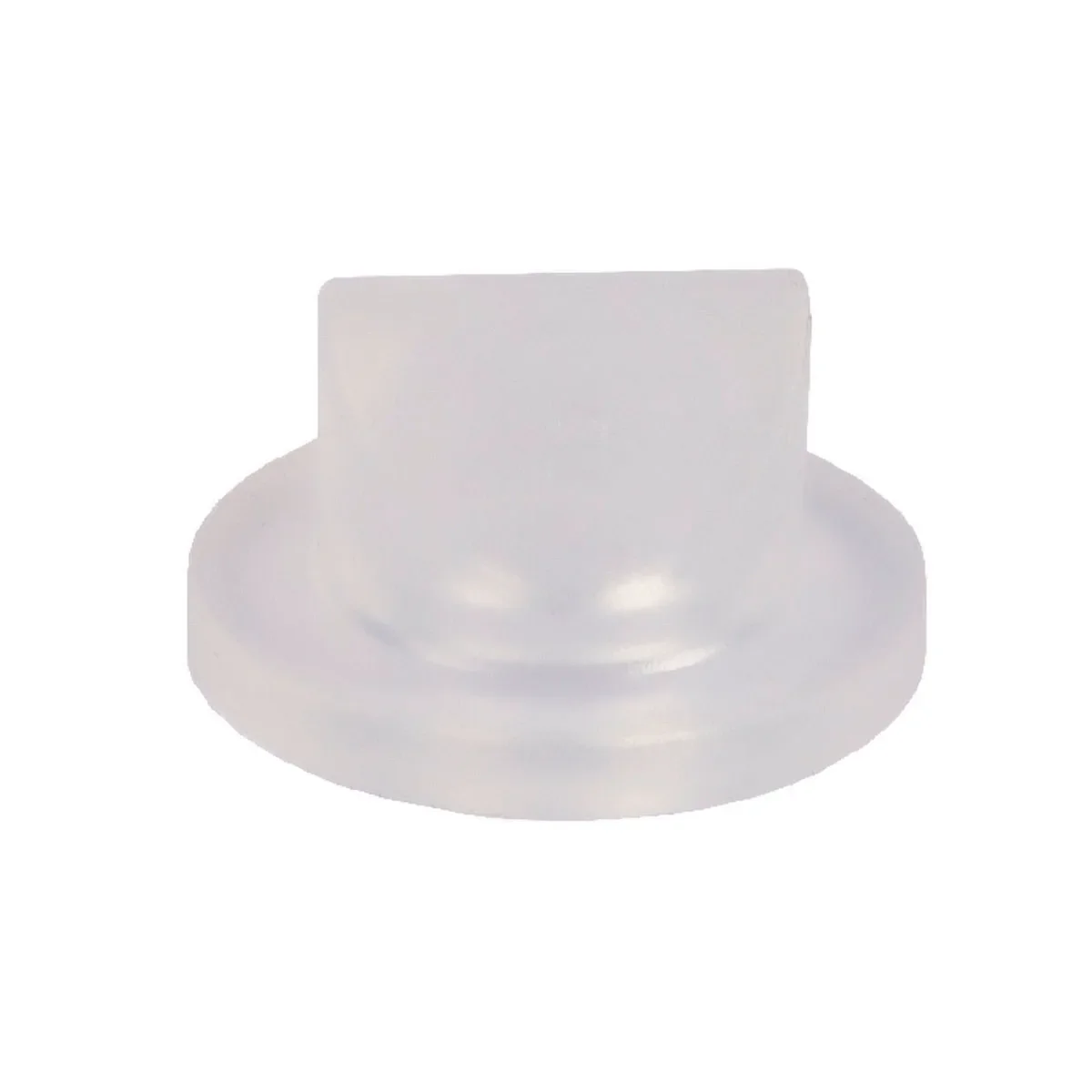
Roller shutter housings are often uninsulated thermal bridges. Insulate them with special insulation boards or foam. Closed roller shutters reduce heat loss through windows by about 20 percent.
“Up to 30 percent of heating energy is lost through leaky windows and doors. A systematic inspection and improvements are worthwhile in almost every building.”
Natural climate control with plants
Certain houseplants naturally regulate humidity. Spider plants, indoor linden trees and ivy release moisture into dry air and absorb it from air that is too humid.
Plants also filter pollutants from the air. They measurably improve indoor air quality. You will find suitable containers and plant-care accessories in the garden and plant accessories section.
Do not place plants directly next to radiators. The dry heat harms most species. A spot with indirect light and a consistent temperature is ideal.
How do I monitor my indoor climate systematically?
You can only optimise what you measure. A simple thermo-hygrometer shows the temperature and humidity. Place it in central living areas, not directly beside windows or radiators.
Monitor the readings over several days. Note unusual values, such as excessive humidity after cooking or rapid temperature drops at night. This data reveals weak points in the system.
Modern sensors transmit readings to your smartphone. You receive alerts when conditions become critical. This allows you to identify mould risks early, before visible damage occurs.
Additional advice
Keep a simple indoor climate diary for two weeks. Record the temperature, humidity and when you ventilate. This record shows you specific opportunities for improvement without expensive technology.
Make energy consumption transparent
Smart meters or simple electricity meters for the heating pump show your consumption in real time. You can immediately see the effect of your measures. This motivates you to maintain consistent habits.
Compare your consumption with that of similar households. Energy agencies provide comparison figures online. If your consumption is significantly higher, professional energy advice is worthwhile.
Take advantage of grants and support programmes for energy-efficient measures. The government supports replacing old heating systems, insulation measures and smart control technology. Contact your local energy supplier for information.
Practical steps you can take today
Start with specific steps now. Check that all thermostats are set correctly. Set the night-time setback if you have not already done so.
Bleed a radiator that does not heat evenly. You only need a radiator key and a container. You will feel the difference immediately.
Plan three airing sessions for today. Air the rooms in the morning after getting up, at midday and in the evening for five to ten minutes each time. Turn off the heating while the windows are open.
These three measures immediately reduce your energy consumption by measurable percentages. They improve the indoor climate without any investment. Make these habits part of your everyday routine.
For further equipment such as the or sealing materials, you will find suitable products in trade supplies. There you can discover solutions for professional and private applications.
An optimised indoor climate does more than save money. It improves your wellbeing and protects your home's structure. Start putting these measures into practice today.
Frequently asked questions
- What room temperature is best for energy efficiency in winter?
- In living areas, 20-21 degrees is ideal; in the bedroom, 16-18 degrees. Each degree lower saves around 6% energy. Use your thermostat's setback function at night and when you are away. Products such as PRODUCT_9473 help regulate the temperature automatically.
- How often should I ventilate in winter to prevent mould?
- Open the windows fully for 5-10 minutes three to four times a day. Turn off the heating while ventilating. Keeping windows tilted open is inefficient and cools the walls. This air exchange removes moisture without significant heat loss.
- Why is my radiator making gurgling noises and not heating properly?
- Gurgling indicates air in the system. Bleed the radiator with a radiator key. Start with the radiators on the lowest floor. After bleeding, check the water pressure in the heating system and top it up if necessary.
- Can smart thermostats really help me save energy?
- Yes, programmable thermostats can reduce consumption by up to 30%. They automatically adjust the temperature to your daily routine. Models such as PRODUCT_9473 learn your usage patterns and adjust heating periods precisely. The investment quickly pays for itself.
- Which simple measures improve indoor climate immediately?
- Do not place furniture directly in front of radiators. Clean radiator grilles regularly to remove dust. Use humidity-regulating plants such as spider plants. Check humidity with a hygrometer and keep it between 40-60%.
You may also be interested in
- Heating advice: heat efficiently and sustainably
- Heat your home properly & save energy: tips for your home
- Save on heating costs in winter: heat efficiently without getting cold
- Reduce CO2 emissions from heating: tips for greater efficiency
- Smart heating: how to save energy and increase comfort
- Heat economically: set your heating thermostat correctly