
In brief: Look for blackish-brown flowers and leaves, wilting shoots with hook-shaped tips, and sometimes sticky bacterial ooze. Only a lab test can confirm fire blight. If you suspect an infection, contact your local plant health authority. Individual infected shoots can be pruned back to healthy wood; heavily infected trees need expert advice and may have to be removed. Do not compost the prunings.
Look for blackish-brown flowers and leaves, wilting shoots with hook-shaped tips, and sometimes sticky bacterial ooze to identify fire blight. Only a lab test can confirm the disease. If you suspect an infection, contact your local plant health authority. Individual infected shoots can be pruned back to healthy wood; heavily infected trees need expert advice and may have to be removed. Do not compost the prunings.
The disease can severely damage apple trees. Spotting the typical signs early can help you avoid unnecessary pruning and reduce the risk of spreading the pathogen on tools or in plant debris.
What is fire blight on apple trees?
Fire blight is a bacterial plant disease caused by Erwinia amylovora. It affects apple trees and other pome fruit trees and ornamental plants. Infected flowers, leaves, and shoots turn dark and dry out. In severe cases, the disease can spread to older branches and the trunk, putting the entire tree at risk.
The pathogen overwinters in infected areas of bark. In spring and summer, raindrops, wind, and insects spread the bacteria. Infections often start in flowers but can also affect young shoots. Damage from hail or storms creates additional entry points. Warm, wet weather favors the spread of the disease.
Which plants are at risk?
Apple, pear, and quince are among the main host plants. Ornamental quince, hawthorn, red hawthorn, firethorn, rowan, whitebeam, cotoneaster, and serviceberry can also be infected. If you suspect fire blight on an apple tree, check these plants in your garden too. According to the North Rhine-Westphalia Chamber of Agriculture, cherries, peaches, plums, and damsons are not host plants for the disease.
Pay particular attention to pome fruit trees after flowering and through early summer. Late-blooming plants and a second flush of flowers can also be affected later in the year. Tips on regular garden and outdoor care can help you inspect your garden, but they are no substitute for a diagnosis from an expert.
What are the symptoms of fire blight on apple trees?
The first visible signs often appear on flower clusters and young shoots. Flower stalks and leaves turn dark brown to black. The affected tissue wilts and dries out. Unlike some other types of damage, the dried leaves often remain attached to the branch.
What typical signs of infection look like
- Discolored flowers: Flowers and their stalks turn brown or black and dry out.
- Drooping shoot tips: Young, still-soft shoots often bend down into a hook shape.
- Dark leaf veins: The main veins on some leaves may become noticeably dark.
- Sticky ooze: In warm, humid weather, milky-white bacterial droplets may appear at first, later turning brownish.
- Discolored bark: As the infection progresses, the bark may sink in on branches or the trunk. The wood beneath it may look reddish-brown.
- Mummified fruit: Infected fruit turns brown to black, dries out, and sometimes remains on the tree.
A single symptom does not prove that a tree has fire blight. Early fruit discoloration can also result from drought, nutrient deficiencies, or other pathogens. Look at the overall pattern: several dead flowers or shoots, dark discoloration, drooping shoot tips, and possibly sticky ooze are more suggestive of fire blight than one wilted branch.
“As shoots dry out, their tips bend down. The leaves, however, stay firmly attached to the branch.”
How can you tell fire blight apart from other damage?
Fire blight is one of the more striking apple tree diseases, but wilted, brown shoots can have several causes. These include brown rot, other bacteria, frost, drought, herbicide damage, and pests. A photo or a quick look at one branch is rarely enough to make a reliable diagnosis.
Compare the pattern and how it develops
With fire blight, discoloration often affects flower clusters and young shoots. The tip may curl downward while the leaves remain attached to the branch. Brown rot can also cause flowers and shoots to wilt. Frost often damages several exposed shoot tips after a cold night. Sun or drought damage is more likely after hot weather and a lack of water, and may be concentrated in areas that get more sun.
Look at the boundary between healthy and damaged tissue, but do not cut away large pieces of bark to inspect it. With bacterial infections, the transition may initially look wet, streaked, or indistinct. This sign is not reliable enough for a self-diagnosis, however, as older infected areas can have a clear boundary. A reliable diagnosis requires special lab tests on suitable plant material.
Important
If you are unsure whether fire blight is present, do not prune several branches at random. The disease can spread to nearby host plants on your hands, clothing, and tools. Take photos of the symptoms, avoid further work on the affected plants, and ask your local plant health authority how to arrange a diagnosis and collect samples.
Your state plant health authority or the relevant county advisory service can provide guidance on diagnosis. In Bavaria, the plant health authority still asks people to report suspected cases, even though the disease is no longer reportable there. Check what to do where you live instead of relying on old fact sheets with reporting or disposal advice that may no longer be current.
What should you do if you suspect fire blight?
There are no approved plant protection products for fire blight in home gardens. Fungicides for fungal diseases do not eliminate the bacterium. If the plant health service confirms an infection or recommends pruning, remove affected shoots promptly and carefully. In cases of severe infection, the entire tree may need to be removed. Get professional guidance when dealing with larger trees or many affected areas.
Remove individual infected shoots
- Choose a dry day and wear disposable gloves. Have a large bag or tarp ready so you don’t carry the pruned material through the garden or brush it against other plants.
- Prune the affected shoot well back into healthy wood. The German Environment Agency gives about 40 centimeters as a guideline for individual shoots. An advisor may recommend a greater distance or a different measure, depending on the infection.
- Disinfect your pruning shears or saw after cutting. The German Environment Agency recommends using 70% alcohol after each cut. Follow the disinfectant’s instructions and keep alcohol away from flames.
- Bag the pruned material immediately. Don’t leave it exposed or carry it past other pome fruit trees and shrubs.
- Afterward, clean your tools and hands, along with any contaminated surfaces. Don’t work on another apple, pear, or ornamental tree afterward without cleaning up again.
Your garden tools should be sharp and clean to make smooth cuts. When fire blight is suspected, hygiene is especially important. A fresh cut made without disinfecting the tool first can spread bacteria and put other plants at risk.
Additional advice
Don’t compost infected branches or put them in your yard waste bin. Before removing them, check with your local government about how to dispose of the pruned material. The German Environment Agency recommends burning it on site, if permitted, or transporting it in tightly sealed bags to an incineration facility. Follow local requirements.
If a large branch or the trunk is affected, ordinary garden pruning may not be enough. A professional can assess whether the tree can be saved and advise on disposal. Don’t remove a tree on your own if local rules, neighbor protections, or conservation requirements apply.
How can you prevent fire blight?
No measure can completely prevent infection. However, you can reduce the risk and spot an infection early. When planting, choose varieties considered resistant or less susceptible. The variety alone isn’t enough: site, care, and regular inspections are still important.
Choose hardy varieties and limit shoot growth
The German Environment Agency lists the apple varieties Reanda and Rewena as resistant, and Remo, Retina, and Red Delicious as highly resistant. Terms like resistant and hardy don’t guarantee protection at every site or in every situation. Before buying a tree, ask a local nursery or plant health advisor which variety is suitable.
“In fruit growing, choosing less susceptible varieties is the best preventive measure.”
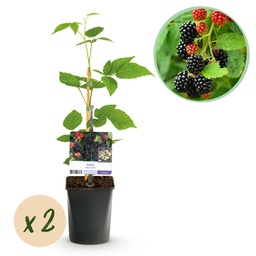
If removal is recommended and you plan to replant, check the variety and planting site before buying. An apple tree like may be an option for a new planting; however, the product description doesn’t specify resistance to fire blight. Ask for the specific variety before choosing it to replace a severely infected tree.
Care for your fruit tree thoughtfully
Avoid excessive nitrogen. Too much nitrogen can promote long, soft new shoots that are susceptible to infection. Fertilize as needed based on soil conditions rather than following a fixed schedule. Also make sure water doesn’t collect around the roots and that the tree gets enough water.
Proper canopy pruning improves airflow and is part of regular fruit tree care. However, avoid severe pruning that triggers an abundance of vigorous water sprouts. Check the blossoms, young shoots, and canopy after flowering and again in early summer. A quick inspection every few days is more effective than a rushed late pruning of many branches.
Use clean tools. Disinfect cutting tools after working on suspected or confirmed infection sites, and clean them before using them on another tree or shrub. Other garden and plant care supplies can make maintenance easier, but they don’t replace choosing the right variety or working hygienically.
When the tree needs water, water close to the ground if possible. Avoid unnecessary injuries to branches and the trunk, such as damage from tools or lawn mowers. This basic care helps keep the tree healthy, but it won’t cure fire blight or fully prevent infection.
Pro tip
Take a photo of any suspicious branches and note the date, weather, and affected areas. This helps you see whether symptoms are spreading and gives an advisor useful information. Take photos from several angles without breaking off any suspicious plant parts.
If you suspect fire blight, act promptly and carefully: document the symptoms, contact the plant health service, wait for a diagnosis, then remove confirmed infected areas as professionally advised. This helps limit the risk of spreading the disease and preserve healthy parts of the apple tree, when possible.
Frequently asked questions
- How can I identify fire blight on an apple tree?
- Typical signs include dark brown to black flowers and leaves on wilting shoots. Young shoot tips often bend downwards into a hook shape, and the leaves remain attached to the branch. Sticky bacterial ooze may appear in warm, humid weather. However, frost, drought and fungi can cause similar damage.
- How far back should I prune an apple tree affected by fire blight?
- If the plant protection service recommends pruning, cut individual affected shoots well back into healthy wood. The German Environment Agency gives about 40 centimetres as a guideline. The distance needed depends on the extent of the infection. Disinfect your tools and follow local advice.
- How should I dispose of prunings affected by fire blight?
- Do not compost affected branches or put them in your garden waste bin. Check with your local council about disposal, as local requirements may vary. The German Environment Agency recommends burning them where the tree is growing, if permitted, or transporting them in tightly sealed bags to an incineration plant.
- Can I treat fire blight with a plant protection product?
- No plant protection products for fire blight are approved for home gardens in Germany. Products for fungal diseases do not work against the bacterium Erwinia amylovora. If the infection is confirmed, treatment mainly involves properly pruning affected parts or, in severe cases, removing the tree following expert advice.
- How can I prevent fire blight on an apple tree?
- When planting, choose a variety with low susceptibility and avoid applying too much nitrogen fertiliser, which encourages long, soft shoots. Check apple, pear and quince trees, as well as susceptible ornamental shrubs, especially after flowering. Disinfect tools after working on suspect plants, and contact your plant protection service if you notice symptoms.
You might also be interested in
- Pruning an apple tree: A guide to a bountiful harvest
- Planting an apple tree: How to help your fruit tree thrive
- Tomato blight: How to spot, prevent and treat it
- Grafting an apple tree: A beginner’s guide for the home orchard
- Orchid diseases: How to identify and treat them
- How to identify and treat rust fungus in the garden