
In brief: To install a gutter, fit the brackets at the correct slope, join the gutter sections and install the downspout outlet. For maintenance, regularly remove leaves and dirt and check for leaks. A properly installed and maintained gutter safely directs rainwater away from your home, protecting the façade and foundations from moisture damage.
How to Install and Maintain Gutters: A DIY Guide
A properly working gutter is one of the best ways to protect your home from water damage. It collects rainwater and directs it safely away. Here's how to install and maintain your gutters.
Why is a properly working gutter so important?
Without gutters, rainwater falls unchecked to the ground. It splashes against the façade and washes away soil around the foundations. Moisture can get inside, leading to mould and frost damage. An intact gutter protects your home's structure and helps preserve its value.
The right garden equipment can help with installation. For ongoing maintenance, find suitable tools and accessories in our shop.
Which material and system are right for you?
Your choice depends on your roof, budget and how much maintenance you're willing to do. Plastic gutters are lightweight and corrosion-resistant. Metal gutters, such as galvanised steel or aluminium, are stronger and more durable.
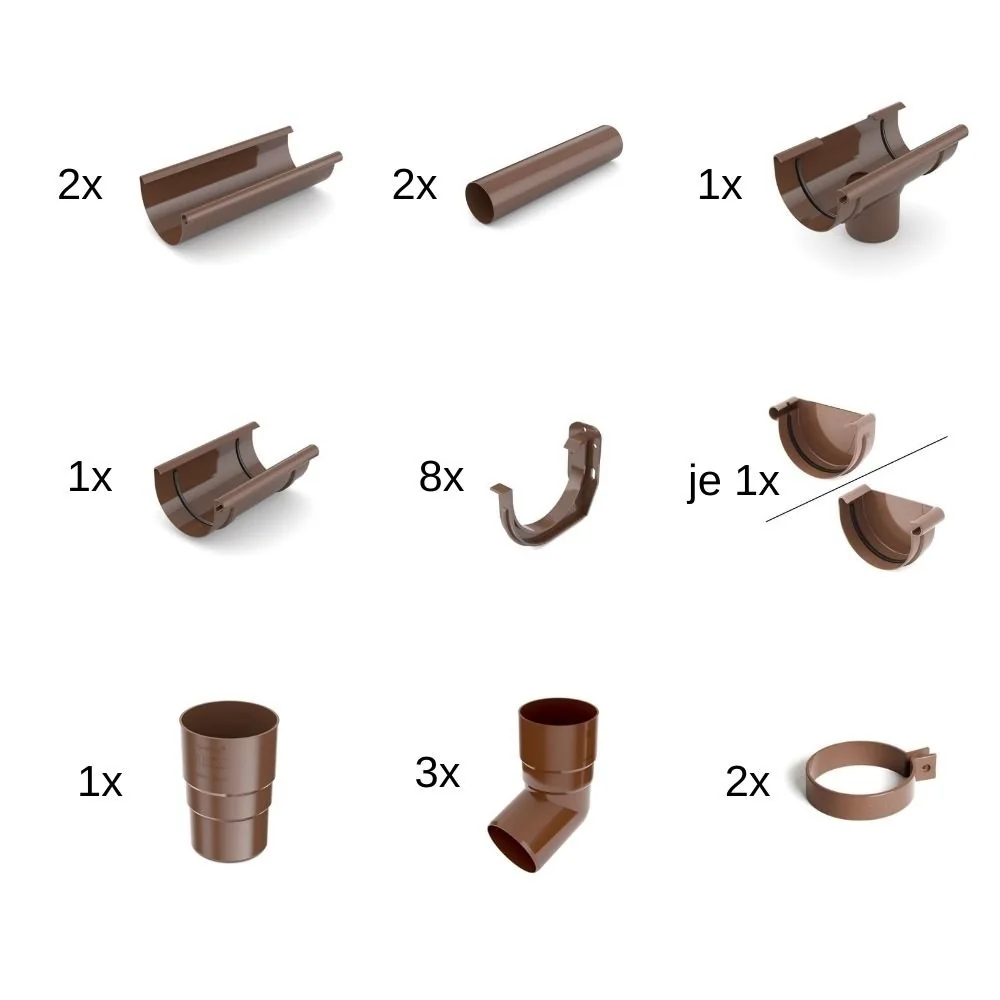
Choose a complete system so all the components, including gutters, corners, end caps and downpipes, fit together. This makes installation much easier. A practical starter set is the
.
Planning: What should you consider before installation?
Measure the length of the eaves carefully. Remember to include the corner pieces and connectors you'll need. Plan where to place the downspout. It should be discreet but easy to access.
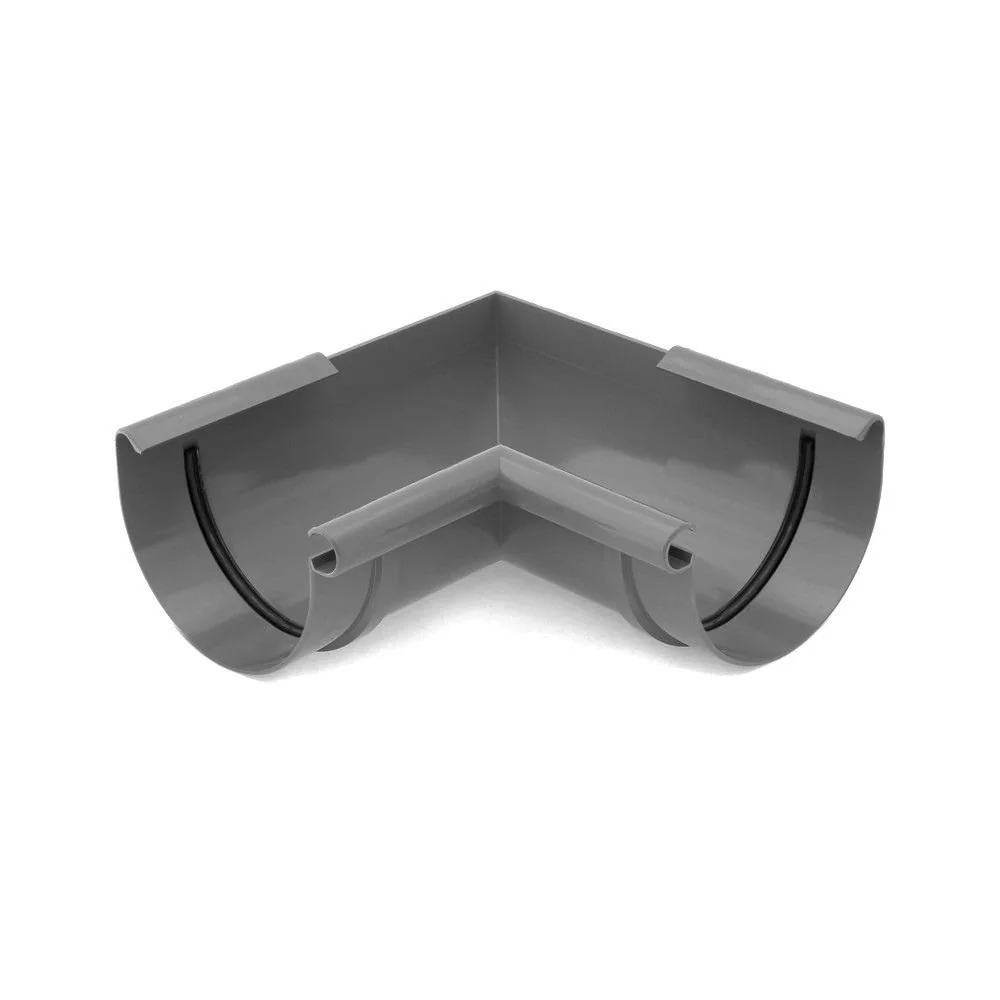
Allow for a slope of 2-5 mm per metre. The lowest point should always be at the downspout outlet. Gather all the parts you need: gutter sections, gutter brackets, corner pieces such as the
or , connectors, end caps and downpipes.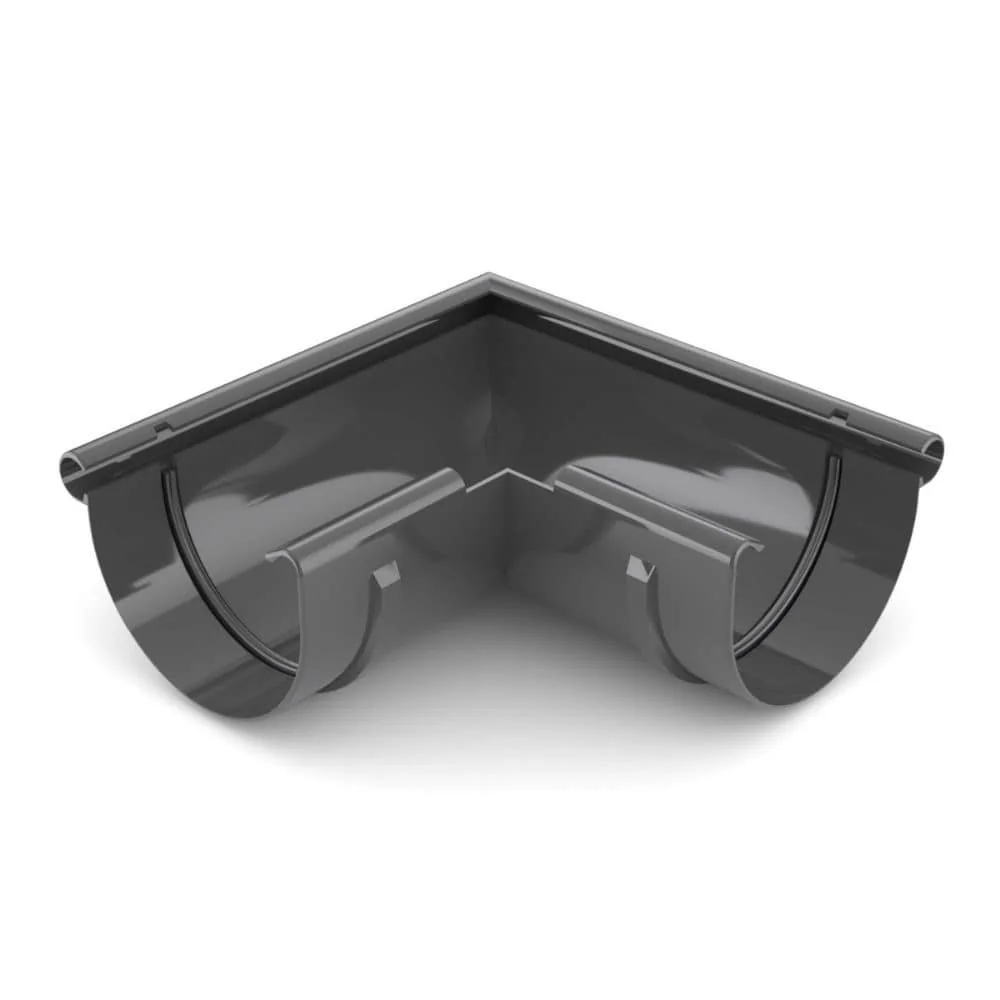
Important
Working at height is dangerous. Use only a stable ladder or scaffolding. Secure tools and materials so they can't fall. For steep or tall roofs, hire a professional.
How do you install gutters step by step?
Gutter installation has three main stages: attaching the brackets, fitting the gutter sections and connecting the downspout.
Phase 1: Fit the gutter brackets at the correct slope
Start at the highest point of the gutter, opposite the planned downspout. Secure the first gutter bracket with screws. Stretch a mason's line to the lowest point to mark the slope.
Attach the remaining brackets every 60 to 90 cm along the line. Make sure they're firmly secured to the roof structure. The brackets need to support the full weight of a filled gutter.
“The slope is the key to a self-cleaning gutter. If it is too flat, dirt will collect; if it is too steep, the water will not run along the entire length.”
Phase 2: Join and hang the gutter sections
Start with a corner or end cap. Fit the first gutter section into place using the system's connectors, which often come with rubber seals.
Add the next sections, making sure they sit securely in the gutter brackets. For long runs, it's best to work with two people to prevent the gutter from twisting.
Phase 3: Connect and secure the downspout
Fit the outlet at the lowest point. It directs water into the vertical downspout. Use pipe clamps to secure the downspout to the wall at intervals of approximately 1.5 metres.
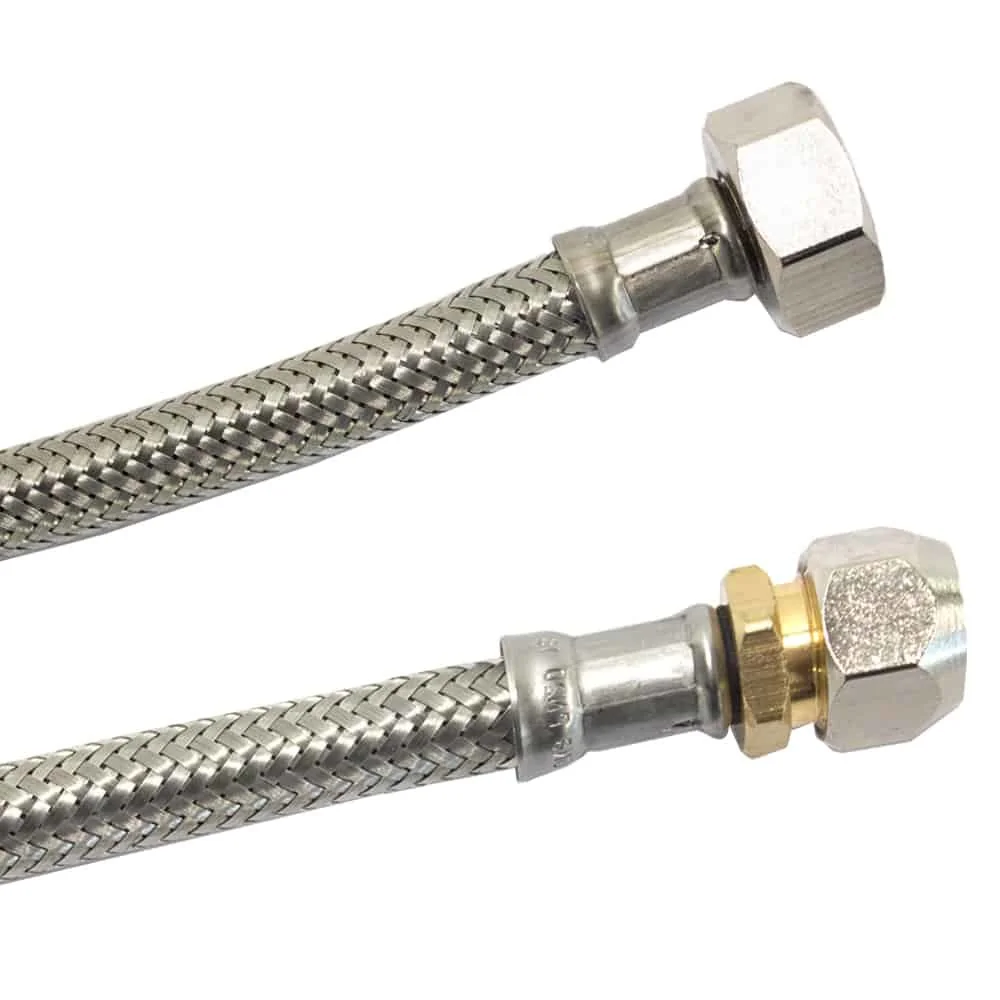
A
Pro tip
Install the gutter in dry, calm weather. You'll have a better grip on the ladder and can align the parts more precisely. Keep tools and screws on a tool belt or in a bucket on the ladder.
How do you clean and maintain your gutters?
Regular maintenance prevents clogs and extends the life of your gutters. You will need gloves, a small shovel or trowel, a bucket, and a garden hose.
Basic cleaning: remove leaves and debris
Remove larger debris such as leaves and twigs by hand. Scrape the muddy residue from the bottom of the gutter with a plastic scraper. Rinse away the remaining debris with a garden hose, directing the water toward the downspout.
Check that water flows freely through the downspout. A long garden hose or drain-cleaning coil can help clear clogs.
Additional tip
Catch the dirty water in a bucket as you flush it out, or lay down a tarp. This protects your flower beds and façade. A
works well as a protective cover or to cover garden areas.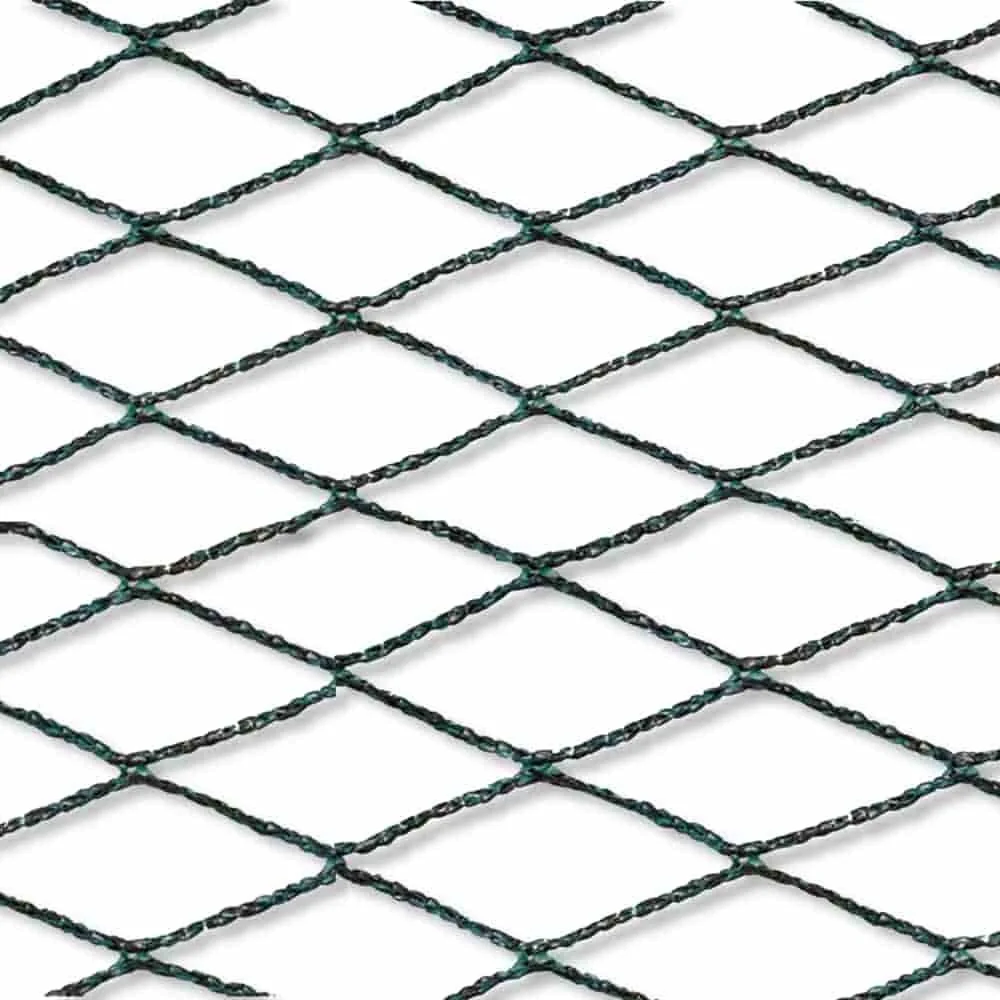
Inspection and repair: check for leaks
After cleaning, inspect the gutter. Look for cracks, leaking joints, or corroded areas. Check that the gutter hangers are secure. Are all the screws tight?
Replace damaged parts right away. A small leak can quickly get worse. Special adhesives and sealing tapes are available for plastic systems. You can reseal metal joints.
“Neglected maintenance is the most common cause of damage. Just 15 minutes twice a year can save you the high cost of repairing your façade.”
Which accessories make gutter maintenance easier?
With the right tools, you can cut down on the work involved. A leaf guard or leaf basket keeps larger debris out of the downspout opening.
A can be used not only to protect ponds, but also as a temporary cover during cleaning. In the plumbing and irrigation section, you will find suitable hoses and connectors.
Prevention is better than cure
Trim overhanging branches. This reduces the number of leaves that land on your roof and in your gutters. Install a well-designed leaf guard system if there are lots of trees nearby.
Always check your gutters after severe storms. Falling branches can damage them or cause clogs. A well-stocked garden tools section can help with tree and hedge maintenance.
Conclusion: a DIY project worth tackling
Installing and maintaining gutters is a worthwhile DIY project. You protect your property and save money. Plan your work carefully and pay attention to safety.
Invest in a high-quality system and keep up with regular maintenance. Your gutters will then do their job reliably for many years. Your house will thank you with dry walls and an intact foundation.
Frequently Asked Questions
- How often should I clean my gutters?
- Clean your gutters at least twice a year: once in late fall after the leaves have dropped and once in spring. If there are lots of trees nearby, check them more often. Clogged gutters can overflow and cause water damage.
- Can I install gutters on my own?
- Yes, you can install gutters yourself, but the work is strenuous and risky on taller buildings. Always use secure scaffolding or a stable ladder. For long sections or hard-to-reach areas, it is best to have someone help you.
- What slope should a gutter have?
- A slope of 2 to 5 millimetres per metre of gutter length is ideal. This lets water flow quickly toward the downspout without sediment building up. Measure the slope with a spirit level and a taut string.
- What happens if a gutter is leaking?
- A leaking gutter lets water run down the façade. This can cause damp in the masonry, mold growth, and frost damage. Check the joints and seals regularly, and replace damaged parts right away.
- Do I need a leaf guard for my gutters?
- A leaf guard is useful if there are trees nearby. It keeps leaves and larger debris from clogging the gutters and downspouts. This significantly reduces the need for cleaning and minimizes the risk of water damage.
You may also be interested in
- How to clean and maintain your gutters: tips for your home
- Build your own porch canopy: effective weather protection for your entrance
- How to maintain and repair roller shutters: a guide to longer service life
- Build and maintain a wood deck: the ultimate guide
- Laying stone edging: step-by-step instructions for patios and paths
- Build your own patio cover: step by step