
In brief: Loosen compacted soil with a digging fork without completely turning over the soil layers. Improve its structure over time by working in compost, sand and rock dust. Cover crops and mulch encourage soil life and help prevent compaction from returning, supporting healthier plant growth.
A healthy garden starts beneath your feet. Soil is the foundation for vigorous plants, abundant harvests and a thriving outdoor space. But soil can become hard, lifeless and compacted. Water pools on the surface, roots struggle to grow and plants stop thriving. It’s a common problem, but you can do something about it. Loosen compacted garden soil and turn it into fertile, living ground. The key is to combine immediate fixes with long-term care.
How can you tell if your garden soil is compacted?
Before taking action, make sure you’ve identified the problem. Compacted soil has clear symptoms that you can spot by eye or with a few simple tests. Pay attention to the signs your garden is giving you.
The shovel test: A simple first check
The quickest way to check is with a shovel. Push it into several spots in your garden beds or lawn. If it takes considerable effort to get the shovel just a few inches into the ground, the soil is likely compacted. Healthy, loose soil is easy to dig. Take a look at the clump of soil you’ve lifted, too. Does it crumble easily, or does it stay in a hard, solid lump? Blocky clumps with sharp edges can indicate poor soil structure.
Visible signs of soil compaction
Your garden can tell you a lot about the condition of the soil at the surface. Look for these signs:
- Puddles: After rain, water sits on the surface for a long time instead of draining away.
- Stunted growth: Plants grow poorly, stay small and often develop yellow leaves (chlorosis) because their roots can’t reach the water and nutrients they need.
- Shallow roots: When you pull up a plant, its roots may have spread just below the surface instead of growing deeper into the soil.
- Moss and algae: Moss and algae readily grow on the consistently damp, oxygen-poor surface of compacted soil.
- Summer cracks: During dry spells, the soil develops deep cracks and becomes rock hard.
What causes soil compaction?
Compaction happens when the pores in the soil, which normally hold air and water, get squeezed together. Human activity is often the main cause. Repeatedly walking over the same areas, pushing a wheelbarrow across them or using heavy construction equipment can compress the soil. Working soil when it’s too wet can also damage its structure, especially in clay-heavy soil. Naturally heavy, clay-rich soils are more prone to compaction than sandy soils.
Additional advice
Every soil is different. Loamy soil holds water and nutrients well but tends to compact. Sandy soil drains easily but is low in nutrients. The ideal garden soil has a crumbly structure and a balanced mix of sand, silt, clay and organic matter.
How can you loosen compacted soil effectively? (Immediate fixes)
Once you’ve identified compaction, start by loosening the soil mechanically. This breaks up hard layers and creates a foundation for further improvement. Choose the right tool for the depth and extent of the compaction.
Loosen deep soil with a digging fork
For heavily compacted soil, especially deeper down, a digging fork is an essential tool. Unlike digging over the whole area, which disrupts valuable soil layers, a fork lets you loosen the soil gently. Push the digging fork as deep as you can into the soil, then move the handle back and forth. This breaks up hard layers without completely turning over the soil. Work across the entire bed, one section at a time. The right garden tools can make the job much easier.
Important note
Never work soil when it’s wet. Wet loamy and clay soils smear as you work and become even more compacted. Wait for a dry day when the soil is just slightly moist.
Loosen the surface with a broadfork or cultivator
For light compaction in the top 10 to 15 centimetres or for regular upkeep of established beds, use hand tools such as a broadfork or cultivator. Pull them through the top layer of soil to aerate it and break up crusts. This takes less effort and is ideal for preparing a seedbed in spring.
Healthy soil is the foundation for healthy plants and, in turn, healthy food. Maintaining and improving its fertility is one of our most important tasks.
How to improve garden soil over time: More than just turning it over
Mechanical loosening is just the first step. To keep the soil from compacting again, you’ll need to improve its structure over time. Add organic matter and minerals where they’re needed. These support active soil life that helps keep the soil loose.
Compost: A gardener’s gold
Finished compost is one of the best additions to any garden soil. It contains countless organic particles that act like tiny sponges. They hold water, release nutrients and create a stable, crumbly structure. Each year, spread a 3-5 cm-thick layer of compost over your beds and lightly work it into the surface. Earthworms and microorganisms carry the material deeper into the soil and improve it from within.
Sand and rock dust for heavy soils
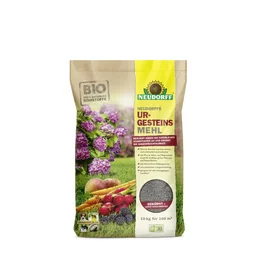
Heavy loam and clay soils benefit especially from mineral amendments. Coarse builder’s sand (not fine play sand) helps break up sticky soil and improve drainage. Rock dust is another valuable addition. The **
Using soil activators and fertilizer
Living soil needs nourishment. A specialized soil activator can give microbial activity a boost. These products contain microorganisms and nutrients that speed up the breakdown of organic matter and improve soil structure. Used alongside organic fertilizer and compost, they can give tired soil the boost it needs.
Top tip
Start your own compost pile. It lets you recycle garden and kitchen scraps while making a steady supply of high-quality soil amendment. Leaf compost is also an excellent peat-free way to add organic matter to your soil.
Why is choosing the right plants so important?
Plants do more than draw nutrients from the soil; they also actively shape it. Choosing the right plants can naturally improve and loosen the soil structure.
Cover crops: Plants that improve your soil
Cover cropping means deliberately sowing plants that improve the soil. Species such as phacelia, yellow mustard and lupins send deep roots through the soil, breaking up compacted areas and creating channels for air and water. After flowering, mow the plants and either lightly work them into the soil or leave them in place as a protective mulch over winter. They add valuable organic matter and protect the soil from the elements.
Cover crops are hardworking helpers in the garden. Their roots loosen the soil, add valuable organic matter and protect it from erosion.
Put deep-rooted plants to work
Along with traditional cover crops, many perennials and vegetables have deep roots. Comfrey, mullein and parsnips send roots deep into the subsoil, creating lasting channels for air and water. Planting a mix of species with different root depths helps build stable, healthy soil structure.
Prevent soil compaction: How to keep soil loose over the long term
After putting in the work to loosen and improve your soil, take steps to keep it from becoming compacted again. A few simple habits can help keep your soil healthy and fertile for years to come.
Plan your garden paths carefully
Walking on garden beds is the most common cause of soil compaction. Set up permanent paths and avoid stepping on planting areas. If you need to work in a bed, place a wide wooden board underfoot. It spreads your weight over a larger area and protects the soil structure.
Use the right watering method
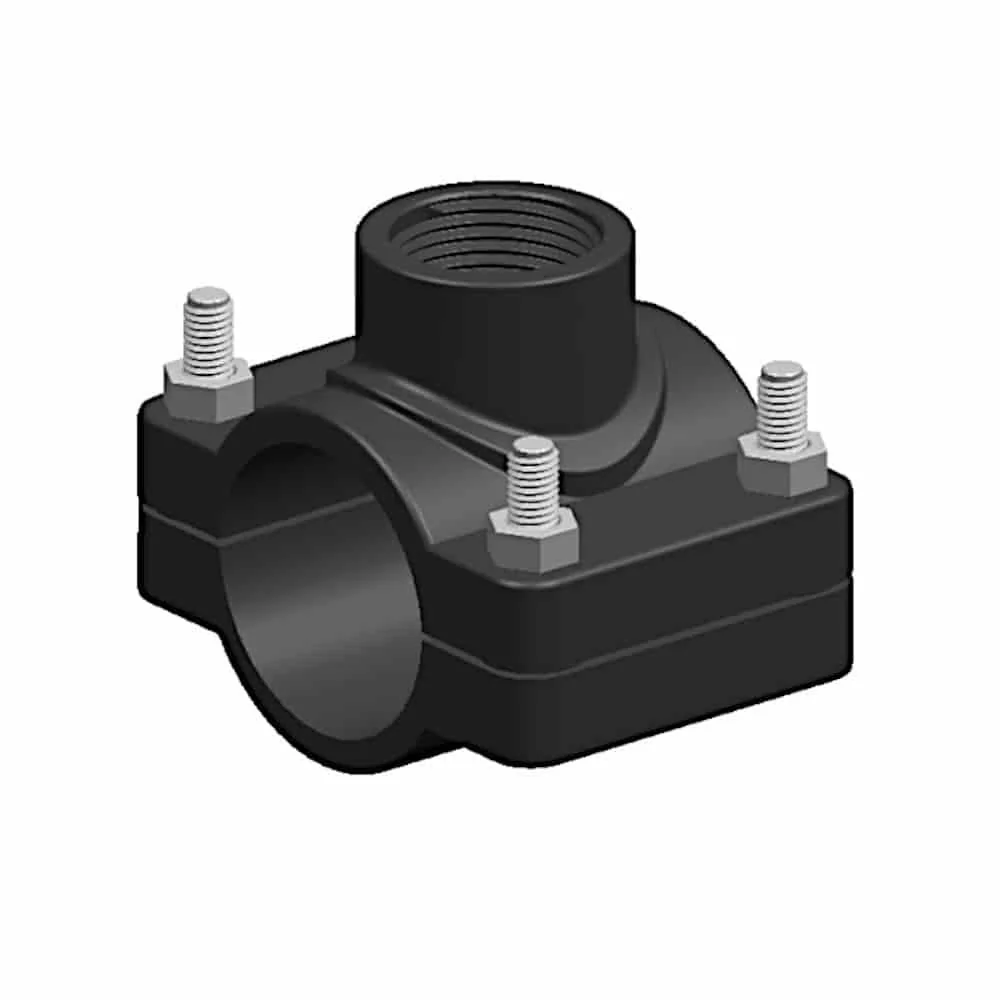
A strong stream from a garden hose can crust over the soil surface and compact it. Instead, use a watering can with a rose attachment or a sprinkler with a fine spray. Better yet, install a well-designed garden irrigation system, such as drip irrigation. It delivers water slowly and directly to the roots. Components such as the **
3/4 inch tapping saddle** or the ** 1 inch tapping saddle** are key components in efficient, soil-friendly irrigation systems.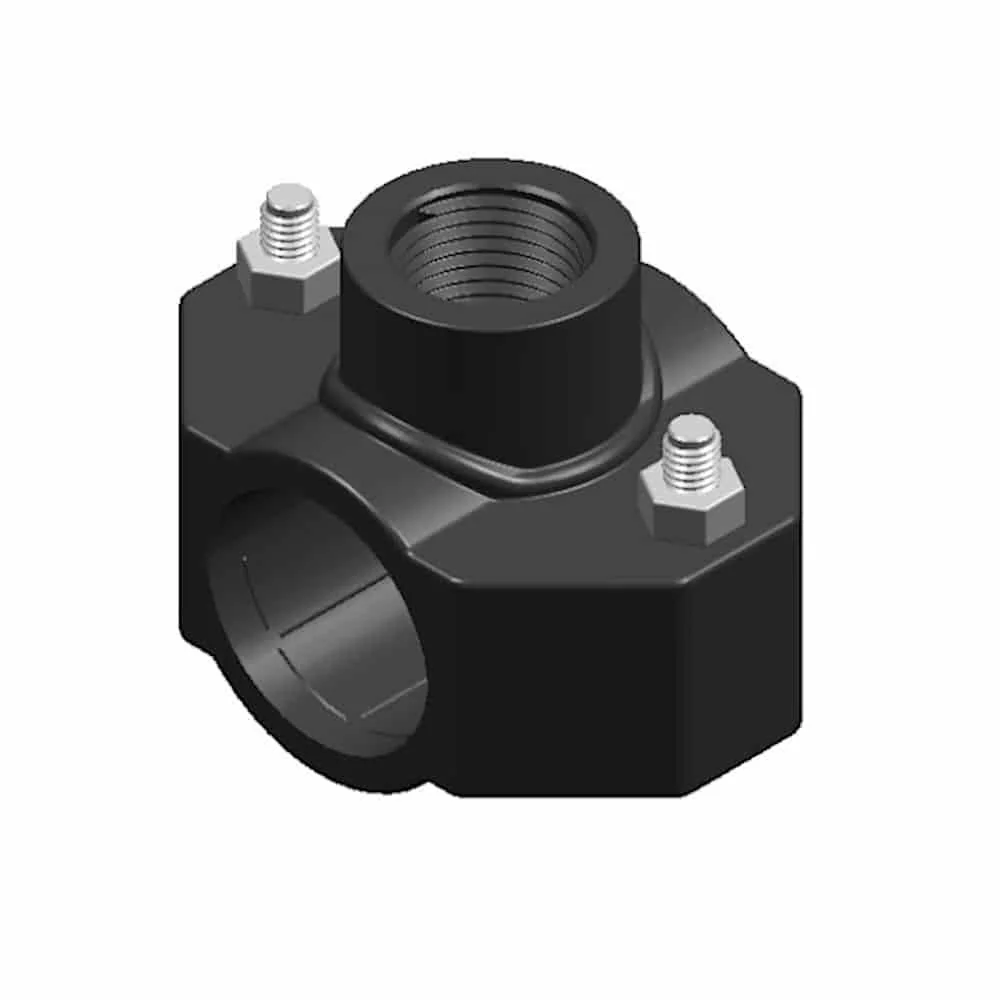
Mulch: A protective blanket for your soil
Mulching is one of the best ways to prevent soil compaction. Cover bare soil between plants with a layer of organic material. Grass clippings, partly dried nettles, leaves and bark mulch all work well. Mulch protects the soil from the force of raindrops, suppresses weeds, holds moisture and feeds soil organisms. Earthworms pull the material into the soil, loosening it naturally over time.
Soil care is an ongoing task that pays off. Loose, living, nutrient-rich soil is one of the best investments you can make in your entire Garden + Outdoor space. It rewards you with healthy plants, less work and more enjoyment in the garden.
Frequently Asked Questions
- How often should I loosen my garden soil?
- Deep loosening is only needed when the soil is badly compacted. You can lightly loosen the surface with a cultivator each spring. More important is adding organic matter, such as compost, regularly to keep the soil loose over time and avoid turning it over.
- Can I loosen compacted soil in my lawn?
- Yes. Use a lawn aerator or aerating fork to make holes in the soil, allowing air, water and nutrients to reach the roots. You can then spread a thin layer of fine sand over the area to help keep the holes open.
- Is digging always bad for the soil?
- Deep, vigorous digging can disrupt soil life by turning over the layers. It is usually better to loosen the soil with a digging fork and work organic matter into the surface. A one-time dig can be helpful, though, when preparing very heavy, undisturbed soil.
- What kind of sand should I use to loosen clay soil?
- Use sharp-edged builder's sand or quartz sand with a grain size of 0/2 mm. Avoid fine play sand, which can form a concrete-like mass when mixed with clay. The goal is to add coarser particles that improve drainage and aeration.
- Does mulching help prevent soil compaction?
- Yes. Mulching is an excellent way to prevent compaction. A layer of mulch protects the soil from heavy raindrops, helps keep it moist and loose, and supports soil life. Earthworms and other organisms pull the material into the soil, loosening it naturally.
You may also be interested in
- No more wheel ruts: How to reinforce your lawn
- Pelleted cow manure: An organic boost for your garden
- Digging your garden: When to do it, how and with which tools
- How to make ground anchors last: The key to stable lawn edging
- Liming garden soil: A guide to healthier plants
- Moss in the garden: Causes, prevention and how to get rid of it