
In brief: Clean your mini jigsaw after every use with a brush and compressed air, especially the ventilation slots. Regularly check and lubricate the reciprocating rod and guide roller. Replace blunt jigsaw blades immediately to protect the motor and ensure precise cuts.
A mini jigsaw is a versatile tool for making delicate cuts in wood, plastic or thin metal. Its compact design and easy handling make it ideal for model makers, hobbyists and DIY enthusiasts. To enjoy precise performance for years to come, regular care is essential. Neglected maintenance can lead to rough cuts, increased wear and tear, and even drastically shorten the motor's service life.
This guide shows you how to keep your tool in top condition with just a few simple steps. We focus on models such as the : 75 Watt mini jigsaw, although these care principles apply to many other power tools too. Proper tool maintenance protects both your tool's performance and your safety on every project.
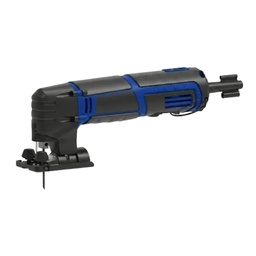
Why is regular care of your mini jigsaw so important?
You may think that a small 75-Watt tool does not require much attention. The opposite is true. Dirt and wear can quickly affect the performance of compact tools that run at high speed. Consistent care pays off in four ways.
Longer motor life
The electric motor is the heart of your jigsaw. During operation, it draws in cooling air along with fine sawdust and chips. If these particles build up in the ventilation slots and around the motor, they act like an insulating layer. Cooling becomes less efficient and the motor overheats more quickly. Persistent overheating damages the windings and eventually causes the tool to fail. A clean machine is a cool machine.
More precise and cleaner cuts
A blade that is properly guided is essential for a clean cut. Resin residue, chips and dirt on the guide roller or in the blade holder can cause the blade to jam or wobble. The result is an inaccurate cut with ragged edges. A blunt blade makes the problem even worse because it tears through the material instead of cutting it. Only a well-maintained combination of tool and blade delivers professional results.
A sharp blade in a clean machine is not a luxury but the foundation of every successful project. The machine provides the power, but the blade does the actual work. Treat both with respect.
Improved workplace safety
A neglected tool is an unsafe tool. A jammed blade can break and send parts flying uncontrollably through the room. An overheated motor can cause a short circuit. A damaged power cord poses a serious risk of electric shock. Regular inspection and cleaning help you identify and eliminate these potential hazards before an accident occurs.
Preserving your tool's value
Good tools are an investment. Regular care preserves both your tool's functionality and its value. A well-maintained mini jigsaw will serve you reliably for years and work dependably whenever you need it. The small amount of time required for maintenance is negligible compared with the cost of buying a replacement.
How do you clean your 75-Watt jigsaw after every use?
The most important care step is a quick clean immediately after use. It takes only a few minutes and prevents dirt from settling and hardening. Follow these steps.
Important note
Safety comes first. Always unplug your jigsaw before carrying out any cleaning or maintenance. Accidentally switching on the machine can cause serious injury.
Step 1: Remove the blade
Remove the blade according to your tool's operating instructions. This makes it easier to clean the machine and gives you the opportunity to check the blade for resin residue, damage or wear. You can also thoroughly clear chips from the blade holder and guide roller.
Step 2: Remove coarse dirt
Use a soft brush or paintbrush to remove loose chips and dust from the housing, base plate and area around the reciprocating rod. For stubborn dirt, small hand tools such as a wooden spatula or plastic scraper are suitable. Avoid metal objects that could scratch the housing.
Step 3: Clear the ventilation slots
The ventilation slots are vital for the motor. Blow them clear with canned compressed air or a compressor set to low pressure. Keep your distance to avoid forcing dust deeper into the bearings. If you do not have compressed air available, a vacuum cleaner with a brush attachment also works well. Check that all slots are completely clear.
Step 4: Wipe the housing
Wipe the entire housing with a slightly damp, lint-free cloth. For stubborn dirt, such as resin, you can use a mild cleaner or a little denatured alcohol. Make sure no liquid gets inside the tool. Then dry the jigsaw thoroughly.
How can you tell when a jigsaw blade is dull, and how do you replace it correctly?
Even the best tool is no use with a poor attachment. The blade is the key wear part of your jigsaw. Working with a dull blade not only damages the workpiece but also places excessive strain on the machine's motor and gearbox.
Signs of a dull jigsaw blade
Look out for the following signs. They clearly indicate that the blade needs replacing:
- Increased effort: You have to push the saw forward much harder than usual.
- Burn marks on the cut: The blade rubs more than it cuts, creating friction heat that burns the wood.
- Frayed cut edges: Particularly when cutting boards, a dull blade tears out the fibers instead of cutting through them cleanly.
- Slower cutting progress: The saw no longer bites properly and moves forward only slowly.
- Strong vibrations: A dull blade is more likely to jam in the material, causing jolting and vibrations.
If you notice one or more of these signs, replace the jigsaw blade immediately. A high-quality replacement set such as the tool accessories
: 5-piece jigsaw blade set ensures that you always have the right sharp blade on hand for different materials.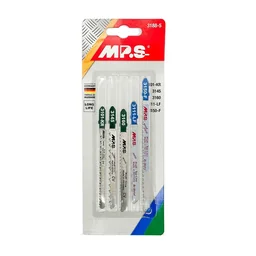
Pro tip
Always choose a jigsaw blade that matches the material. Wood blades have large, side-set teeth for quickly clearing chips. Metal blades have fine, wavy teeth. Narrow blades are suitable for curved cuts, while wider blades are better for straight cuts. Choosing the right blade makes the work easier and delivers better results.
How to replace a jigsaw blade step by step
On most modern mini jigsaws, such as the , the blade can be changed without tools or with a simple hex key.
- Safety: Unplug the power cord.
- Release: Operate the quick-release lever or loosen the clamping screw on the blade holder.
- Remove: Carefully pull the old blade down out of the guide. Caution: it may still be hot after use.
- Insert: Insert the shank of the new blade into the holder as far as it will go. Make sure the teeth point in the cutting direction (forward).
- Secure: Release the clamping lever or tighten the clamping screw again. Gently pull the blade to check that it is securely in place.
What more thorough maintenance does your mini jigsaw need?
In addition to daily cleaning, some mechanical components occasionally need a closer inspection and a little care. Carry out this work approximately every 10-15 operating hours or as needed.
Lubricating the push rod and guide roller
The push rod that moves the jigsaw blade up and down and the small roller that supports it from behind are constantly in motion. To minimize wear, they need a thin film of lubricant. Apply a drop of resin-free machine oil or penetrating oil to the push rod and the guide roller's axle. Move the mechanism by hand a few times to distribute the oil. Wipe off any excess oil; otherwise, it will bind sawdust and turn it into an abrasive paste.
Maintenance is proactive problem-solving. A drop of oil at the right time can prevent an expensive repair in the future. Looking after your tools is an investment in reliability.
Check the power cord and plug
Regularly inspect the entire power cord for kinks, cracks, or brittle areas. Pay particular attention to where the cord exits the device and to the plug itself, as these areas are subject to the greatest strain. A damaged cord poses a significant safety risk and must be replaced immediately by a qualified professional.
How should you store your mini jigsaw?
Proper storage also helps extend the life of your tool. After finishing your work, do not simply toss the jigsaw into a damp corner of the basement. Follow a few simple basic rules.
Keep it dry and protected from dust
The ideal storage location is dry, clean, and frost-free. High humidity causes corrosion on metal parts such as the blade holder, guide roller, and screws. Dust can get inside the device and settle in the gearbox or on the electronics. The original box or a small tool case provides optimal protection.
Remove the jigsaw blade
It is good practice to remove the jigsaw blade before storing the tool. This not only protects the blade from damage and rust but also prevents you from accidentally cutting yourself the next time you reach for the tool. Store your jigsaw blades in a separate, dry box.
Additional advice
For detailed cleaning in hard-to-reach areas or deburring cut edges, a small rotary tool such as the
: 12V mini rotary tool can be a useful addition. It helps you put the perfect finishing touches on your workpiece and can also be used to remove stubborn deposits from the tool itself.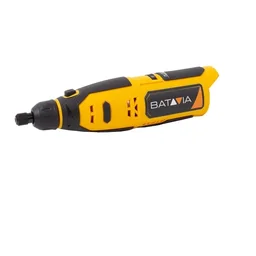
By following these simple yet effective care and maintenance steps, you can ensure that your 75-watt mini jigsaw remains a precise and reliable partner for countless projects. A little care after each use will translate into years of trouble-free operation.
Frequently Asked Questions
- How often should I oil my mini jigsaw?
- Lightly oil the reciprocating rod and guide roller every 10-15 hours of operation with resin-free machine oil. A thin layer is enough to reduce friction and minimize wear. Avoid using too much oil, as it can attract dust and shavings.
- How can I tell if my jigsaw blade is dull?
- A dull blade leaves burnt or frayed edges in wood and cuts more slowly. You may need to apply more pressure, and the saw may vibrate more strongly. Replace the blade as soon as you notice these signs for clean, precise cuts.
- Can I use compressed air to clean my jigsaw?
- Yes, compressed air is ideal for removing dust and shavings from the ventilation slots and inside the housing. Wear safety glasses while cleaning. Take care not to force dust deeper into the bearings or gearbox.
- What oil is best for jigsaw maintenance?
- Use a light, resin-free machine oil or penetrating oil. These oils lubricate effectively without becoming sticky or attracting dust. Avoid vegetable oils or thick grease, as they can become resinous and clog the mechanism.
- How should I store jigsaw blades?
- Store jigsaw blades in a dry place protected from moisture to prevent rust. A small box or organizer protects the teeth from damage and helps prevent injuries. Store blades separately by the materials they’re designed to cut, so you can quickly find the right one.
You may also be interested in
- Buy a 75W Mini Jigsaw: The Ultimate Buying Guide
- How to Use a Mini Jigsaw Properly: Your Guide to Precise Cuts
- How to Care for a Chainsaw Guide Bar: Tips for Long-Lasting Performance
- How to Maintain & Sharpen a Chainsaw Chain: Make Your X-Saw Pro Chain Last Longer
- WNS45 Wet Sharpener Care: How to Keep Your Tool Sharp for Longer
- How to Care for Garden Tools: Make Your Tools Last Longer