
In brief: Compost is the best fertilizer because it improves soil in the long term, rather than merely feeding plants. It supplies nutrients in natural form, supports soil life and loosens the soil. You close the loop by recycling garden waste. The result is free, nutrient-rich humus for every area of your garden.
How to Make Compost: The Best Fertilizer for Your Garden
Your garden produces free raw material for the best plant food. Composting means turning grass clippings, leaves and plant waste into black gold. You save money on fertilizer, improve your soil sustainably and dispose of green waste sensibly. This cycle is at the heart of natural gardening.
We show you how to create and maintain a compost pile correctly and use the finished humus effectively. With practical tips for beginners and experienced gardeners.
Why is compost the best organic fertilizer?
Industrial fertilizer often supplies only mineral salts. Compost works holistically. It adds organic matter to the soil, which stores water and nutrients like a sponge. Earthworms and microorganisms become active and loosen the soil. Plants receive a balanced, slow-release supply of nutrients.
You prevent soil exhaustion and build stable layers of humus. That's the difference between a short-term meal and a lasting health treatment for your garden. Explore our selection of organic fertilizer for more natural options.
Pro Tip
Sprinkle a thin layer of rock dust or algae lime onto each new compost layer. This binds odors, supplies minerals and speeds up decomposition. It also prevents the compost from becoming acidic.
How do I create the perfect compost pile?
Location is crucial. Choose a partially shaded spot on bare soil. This allows soil organisms to move in and excess water to drain away. Avoid full sun and waterlogged areas. A sheltered spot near the vegetable garden saves steps.
The right structure: Layering is everything
Start with a coarse base layer of chopped branches or brushwood. This provides ventilation from below. Then alternate moist, nitrogen-rich and dry, carbon-rich materials.
- Green material (nitrogen-rich): Grass clippings, vegetable scraps, fresh plant cuttings, coffee grounds.
- Brown material (carbon-rich): Autumn leaves, straw, shredded twigs, crumpled newspaper (unprinted).
The ideal mix is about two parts brown material to one part green material. Too much green makes the pile rot, while too much brown slows decomposition.
A fast compost accelerator like the
simplifies this process. The closed system retains heat better and speeds up decomposition to 4-6 months.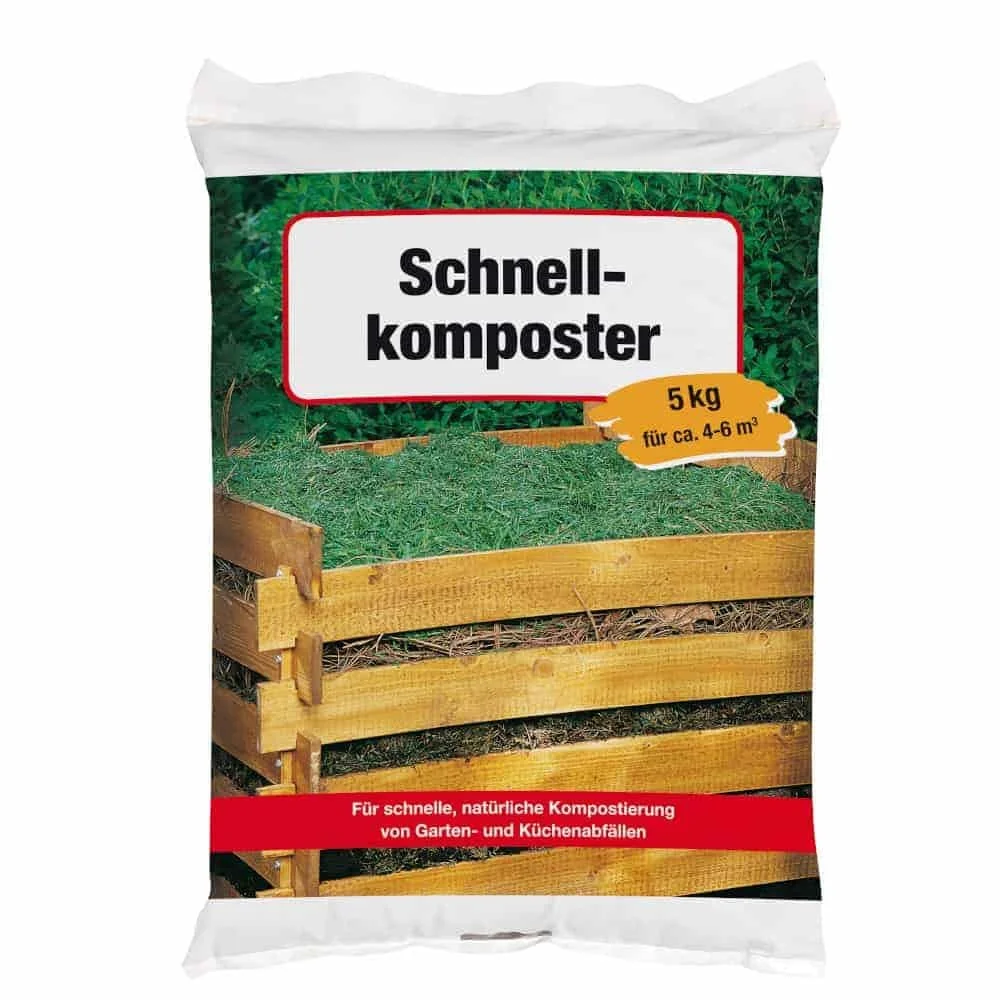
Important note
Do not compost diseased plants, root weeds such as couch grass or ground elder, or weed seeds. The temperatures in the pile are often not high enough to kill them. You will later spread them throughout the garden with the compost.
Which garden waste can go in the compost?
Almost all organic waste from the household and garden is suitable. Sort carefully.
Good for the compost:
- Weeds (without seeds or roots)
- Fruit and vegetable scraps from the kitchen
- Eggshells (crushed)
- Tea bags (without metal staple) and coffee grounds
- Grass clippings (spread in thin layers and partly dried)
- Shredded brushwood
Not for the compost:
- Cooked food scraps, meat, fish, bones (attract rats)
- Diseased plants (e.g. clubroot, fire blight)
- Dog feces, cat litter
- Ash from coal or treated wood
- Plastic, glass, metals
For shredding coarse clippings, a sturdy pair of shears like the
is ideal. It reduces volume and speeds up decomposition.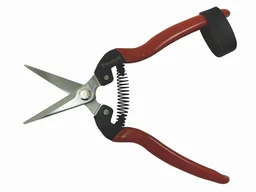
Composting is not waste disposal but the deliberate management of a biological process. You feed microorganisms a balanced diet.
How do I care for my compost properly?
Compost is not a static pile. It needs air and moisture. After 2-3 months, you should turn the contents for the first time. Move the less decomposed material from the outside to the center. This aerates and homogenizes the pile.
The moisture should be like that of a wrung-out sponge. If the compost is too dry, water it. If it is too wet and smells rotten, mix in dry, structural material such as wood chips or straw.
In our range of garden tools, you'll find suitable digging forks for easy turning.
Additional advice
Cover your compost in winter with a layer of leaves or an old jute sack. This retains heat in the core and prevents too much moisture from getting in. Decomposition continues slowly even during the cold season.
How do I know when compost is finished?
Finished compost is dark brown to black, crumbly and smells fresh, like forest soil. The original materials are no longer recognizable. Sift the compost through a coarse screen before use. Put the coarse, unfinished material on the next pile as a starter.
The process takes about a year in an open pile, but only half a year in a fast composter. Patience pays off. Fine, sifted compost is the end product.
How do I use compost as fertiliser in the garden?
Compost is an all-rounder. Work it lightly into your beds in spring. As a mulch layer under shrubs, it protects the soil and releases nutrients slowly. For lawn care, spread a thin layer of sifted compost and rake it in. This revitalises the soil beneath the grass.
Targeted fertilising can be useful for specific crops or at certain times. A lawn fertiliser such as the
provides the lawn with plenty of potassium in autumn to help it through the winter.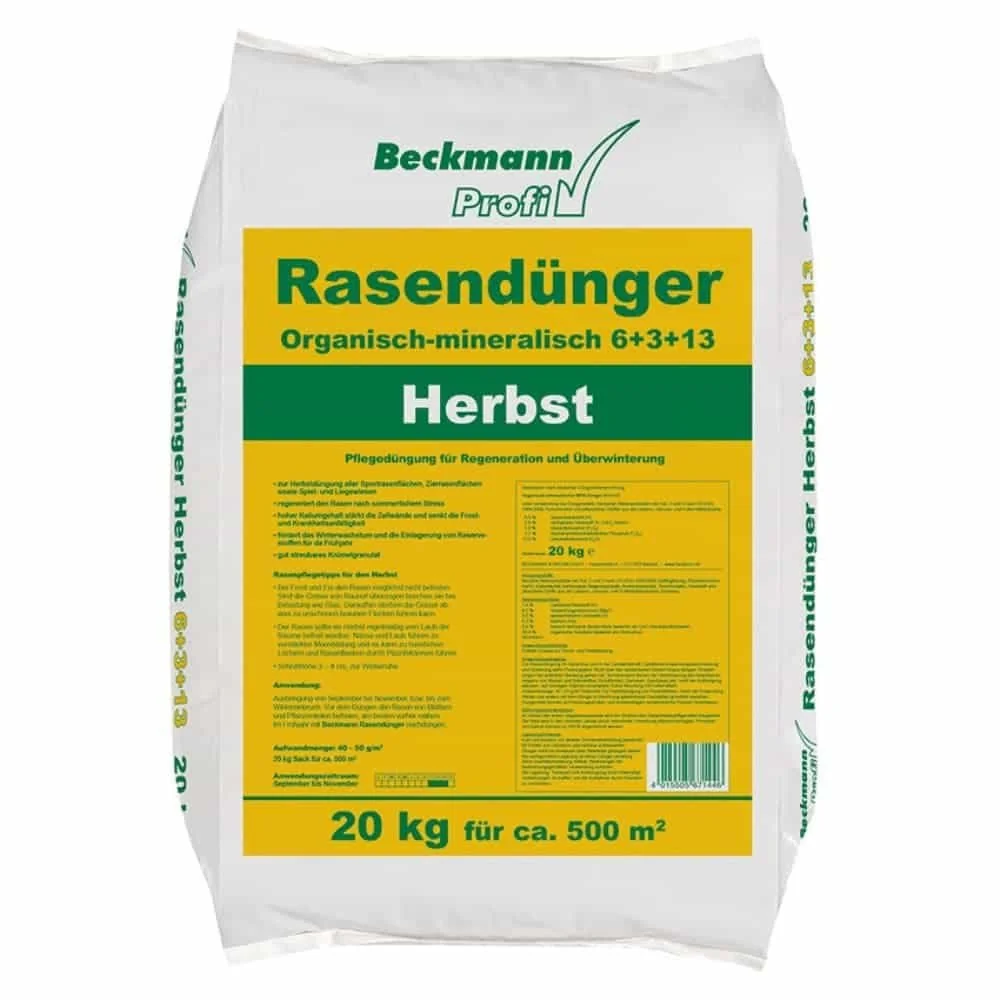
Dosage: More is not always better
- Vegetable beds: 3-5 litres per square metre per year.
- Ornamental shrubs and trees: 2-3 litres per square metre as mulch.
- Lawn: A very thin layer (approx. 0.5 cm) of sifted compost in spring.
- Plants in pots: Mix a maximum of 1/3 compost with potting soil.
Pure compost is too strong for growing young plants. Instead, use special seed trays such as the
. They are compostable and protect the roots when transplanting.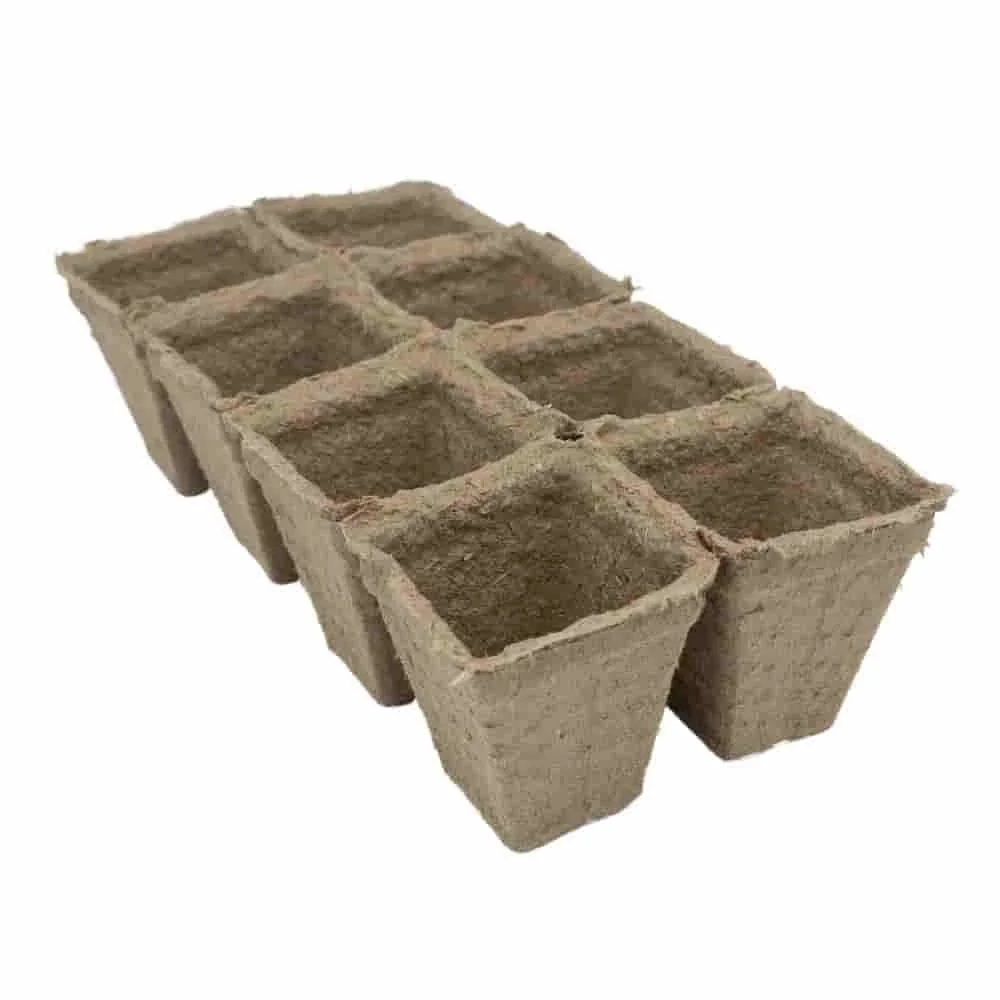
Regularly adding compost is the best insurance against drought. Soil rich in humus can store water like a sponge and release it to plants during dry periods.
What types of composters are there?
The choice of container depends on the available space, aesthetics and how quickly you want the compost to mature.
Open compost heap
The traditional, low-cost method. You need enough space. The composting process is slower and maintenance (turning) is more time-consuming. Ideal for large gardens with lots of garden waste.
Quick composter (hot composter)
Enclosed plastic containers, such as the . They retain heat and moisture effectively. Composting is significantly faster. They are perfect for smaller gardens and kitchen waste.
Compost bin or silo
Often made from wooden slats or wire. They provide good ventilation and are decorative. Turning the compost can be somewhat more awkward. A good middle-ground solution.
You can find all the utensils you need for compost care and gardening in our Garden + Outdoor category.
Common problems and solutions
No process always runs perfectly. Here is how to solve common problems.
The compost smells rotten: Too much green material, too much moisture and too little air. Mix in dry brown material such as straw or shredded branches and turn the heap thoroughly.
Nothing is happening: The compost is too dry or contains too much woody material. Moisten it and add nitrogen-rich material such as grass clippings or horn meal.
Pests are settling in: Food scraps or meat attract flies and maggots. Remove these materials and cover the compost with a layer of soil or leaves. An enclosed composter prevents the problem from the outset.
Composting is a learning process. Observe your heap and adjust the mixture. Before long, you will be producing your own unbeatable fertiliser for a healthy, vibrant garden.
Frequently asked questions
- What should never go in the compost?
- Avoid cooked food scraps, meat, bones and fish. They attract pests. Diseased plants, weeds that have gone to seed such as ground elder, and invasive root weeds such as couch grass should also stay out of the heap. Cat litter, coal ash and treated wood can contain harmful substances.
- How long does it take for compost to be ready?
- A traditional compost heap takes around 9 to 12 months. With a quick composter and the right mixture, this can be reduced to 4 to 6 months. The compost is ready when the material is dark, crumbly and smells like woodland soil. The original materials are no longer recognisable.
- Can I also use compost for potted plants?
- You should not use pure compost for potted plants. It contains too many nutrients and retains too much water. Mix it with potting soil and sand, making up no more than one third of the mixture. Compost is ideal as an addition to homemade bed or planting soil outdoors.
- Why does my compost heap smell?
- A foul smell is caused by rotting instead of decomposition. The mixture is too wet and lacks air. Add dry, structural material such as shredded branches, straw or chopped twigs and turn the heap. Good compost smells pleasantly earthy.
- Do I need a composter, or is a heap enough?
- An open heap on the ground works well, but requires more space. A composter such as PRODUCT_21871 speeds up decomposition, looks tidier and retains heat better. It is ideal for smaller gardens. The choice depends on the space you have and how quickly you want the compost to mature.
Ergänzung: Kompost anlegen: So wird Gartenabfall zu Dünger
Ein guter Kompost braucht eine ausgewogene Mischung aus feuchten und trockenen Materialien. Küchen- und Gartenabfälle wie Gemüseblätter, Rasenschnitt und Kaffeesatz sollten sich mit Laub, Zweigen, Stroh oder zerkleinertem Karton abwechseln. Grobe Bestandteile lockern den Kompost und fördern die Durchlüftung.
Der Kompostplatz sollte halbschattig liegen und vor Staunässe geschützt sein. Das Material darf leicht feucht, aber nicht nass sein. Wird der Haufen zu dicht oder entwickelt er einen unangenehmen Geruch, hilft vorsichtiges Umsetzen mit trockenem, strukturreichem Material. Nach mehreren Monaten ist der Kompost dunkel, krümelig und erdig duftend.
- Geeignet: ungekochte Pflanzenreste, Laub, Rasenschnitt, kleine Zweige und unbedruckter Karton
- Nicht geeignet: Fleisch, Knochen, kranke Pflanzenteile, behandeltes Holz und Unkraut mit reifen Samen
You may also be interested in
- How to Make Compost: Mistakes That Harm Your Compost Heap
- Make Your Own Compost: How to Create High-Quality Fertiliser
- How to Make Compost: The Guide to Nutrient-Rich Garden Gold
- Composter Review & Comparison 2026
- How to Fertilise Your Garden Properly: Your Guide to Healthy Plants
- Composting Grass Clippings: How to Create Valuable Fertiliser