
In brief: Make St. John's wort oil with fresh flowers and a high-quality carrier oil. Pick the yellow flowers on a sunny morning, loosely chop them and cover them completely with olive or sunflower oil. After four to six weeks in a warm, bright spot, with a daily shake, the oil turns deep red and is ready to use in your skincare routine.
How to Make St. John's Wort Oil: Natural Skincare
The distinctive red oil made from St. John's wort flowers is a classic home remedy. You can make it yourself with just a few ingredients, and the result is a versatile skincare oil.
Making it combines gardening know-how with practical use. You need fresh flowers, a good carrier oil and a little patience. The process is simple and rewarding.
Why Make St. John's Wort Oil Yourself?
Homemade St. John's wort oil gives you control over its quality and source. You know exactly which plant went into the jar. Industrial processing can reduce the plant's active compounds.
The flowers' fresh scent infuses the oil. The deep red color develops only when the infusion is prepared correctly. You save money and make a pure, natural product.
Making the oil also helps you get to know medicinal plants in your garden. You learn when to harvest them, and the finished oil is suitable for massages, skincare and minor skin irritations.
The signature of St. John's wort is the sun. It blooms around the summer solstice, its flowers are sun-yellow, and the oil turns blood-red—a symbol of its warming, circulation-boosting and 'light-filled' effect on body and soul.
How to Identify and Grow the Right St. John's Wort Plant
Use only common St. John's wort (Hypericum perforatum). This wild plant grows along sunny roadsides and in poor, dry meadows. Hold a leaf up to the light to see its characteristic translucent dots.
Rub a flower between your fingers. The sap it releases turns blood-red, confirming that you have the right plant. Ornamental varieties from garden centers are usually unsuitable.
To grow St. John's wort, choose a sunny, dry spot with well-drained soil. The plant is undemanding and perennial. You can grow it from seed or plant established perennials.
Additional advice
If you would like to grow St. John's wort in your garden, you can find suitable perennials and planting supplies in our Garden + Plant Accessories category. A natural soil conditioner such as
can improve growing conditions in heavy soil.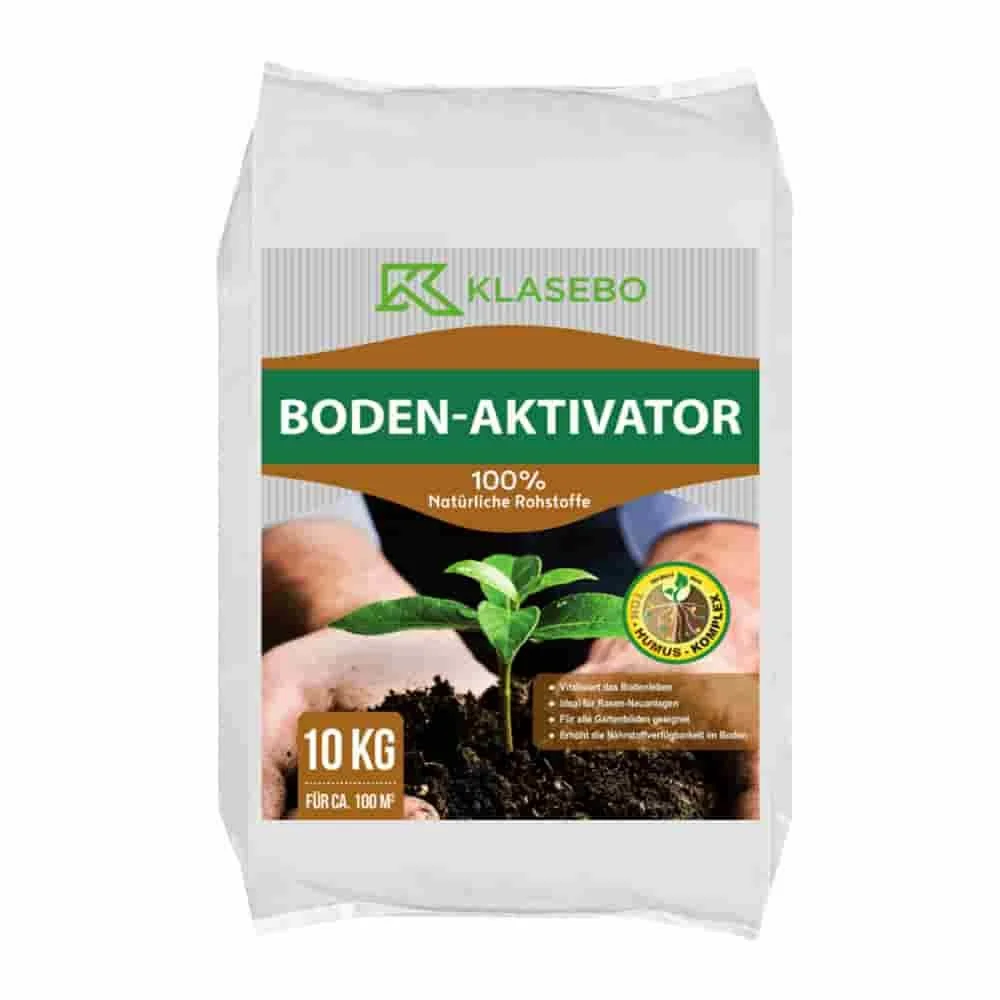
Plant St. John's wort in spring or fall. Space plants 30 centimeters apart. In the first year, the plant mainly develops leaves; it typically flowers fully in its second summer.
How Do I Harvest St. John's Wort for the Oil?
The best time to harvest is on a sunny morning, around midday. The flowers should be fully open and dry. Avoid harvesting plants covered in dew or rain.
Cut off the top 20 to 30 centimeters of the flowering shoots with sharp garden shears. Always leave enough of the plant to keep it growing.
Harvest only as much as you need for the oil infusion. Fresh flowers are essential for quality, so ideally process them the same day.
Important note
Collect wild plants only if you can identify the species with certainty. Never harvest along busy roads, at fertilized field edges or in nature preserves. Growing the plant in your own garden or buying certified herbs is a better option.
What Ingredients and Equipment Do I Need?
You need fresh St. John's wort flowers and a high-quality plant oil. Use about one part flowers to two parts oil. The flowers must be completely covered.
Cold-pressed olive, sunflower or almond oil works well as a carrier oil. These oils are stable and have a mild scent. Avoid refined or strongly scented oils such as coconut oil.
You will need a large, clean wide-mouth jar, a wooden pestle for pressing, a sieve or cheesecloth for straining, and dark bottles for storage. All containers must be completely grease-free and dry.
Step-by-Step Instructions for Making the Oil Infusion
- Prepare the flowers: Carefully pluck the yellow flowers from the green stems. You can also loosely chop them with scissors. The leaves contain fewer active compounds.
- Fill the jar: Place the flowers loosely in the clean jar. Don't pack them too tightly. Fill the jar no more than two-thirds full.
- Add the oil: Pour the carrier oil over the flowers until they are completely covered, leaving a two-centimeter gap at the top. Each flower must be surrounded by oil, or mold may form.
- Seal and store: Screw the lid on tightly. Place the jar in a warm, bright spot, such as a windowsill. Direct sunlight is ideal because it speeds up the color change.
Gently shake the jar every day. This distributes the active compounds and helps prevent mold from forming on the surface. After a few days, the oil starts to turn yellow.
The quality of St. John's wort oil depends on three things: fresh flowers, a high-quality carrier oil and light. A sunny spot is essential for the red hypericin to develop.
How Long Does the Oil Need to Infuse, and How Do I Know It Is Ready?
The infusion takes four to six weeks. During the first few days, the oil turns yellow, then orange. The characteristic deep red color develops after about three weeks.
The red color comes from hypericin, an important active compound. The more intense the red, the higher its concentration. After the infusion period, the oil should be ruby-red.
Smell the oil in the open jar. Finished St. John's wort oil has a spicy, aromatic herbal scent, not a musty or rancid smell. Its aroma is an important sign of quality.
Pro tip
Label your jar with the date you started the infusion to keep track of how long it has been steeping. Check the color regularly against the light. Once the oil is deep red and clear, you can strain it. A second infusion with the same flowers will produce a weaker oil.
Strain and Store the Oil Properly
Pour the contents of the jar through a fine sieve or cheesecloth. Gently squeeze out the flower residue, but don't press too hard. Add the solids to your compost.
Transfer the clear, red oil to dark glass bottles. Brown or blue bottles protect it from light. Label each bottle with its contents and the date.
Store the bottles in a cool, dark place. A basement or pantry is ideal. Under optimal conditions, homemade St. John's wort oil keeps for up to a year.
How Do I Use St. John's Wort Oil in Natural Skincare?
St. John's wort oil moisturizes dry, stressed skin. Apply a thin layer to clean skin and massage it in gently. It absorbs relatively quickly and leaves a light protective film.
Use the oil for massages on tense muscles. Its warming effect promotes circulation. For a relaxing massage oil, combine it with an essential oil such as lavender.
As an after-sun treatment, St. John's wort oil can soothe mild sunburn. Cool the skin first with a damp cloth, then apply a thin layer of oil. Avoid direct sunlight after applying it.
For lip care, mix one teaspoon of St. John's wort oil with a little beeswax. Warm the mixture in a double boiler and pour it into a small jar to make a natural lip balm.
Which tools help with making and processing it?
For harvesting, you need sharp, clean pruning shears. In our garden tools category, you will find suitable models. A sharp knife helps chop the flowers.
A fine-mesh stainless steel strainer or muslin cloth is ideal for straining. Do not press the flower residue too hard, otherwise the oil will become cloudy. Use only clean equipment without soap residue.
For storage, dark glass bottles with screw caps are the best choice. They prevent light from breaking down the active ingredients. Small bottles for daily use and a large storage bottle are practical.
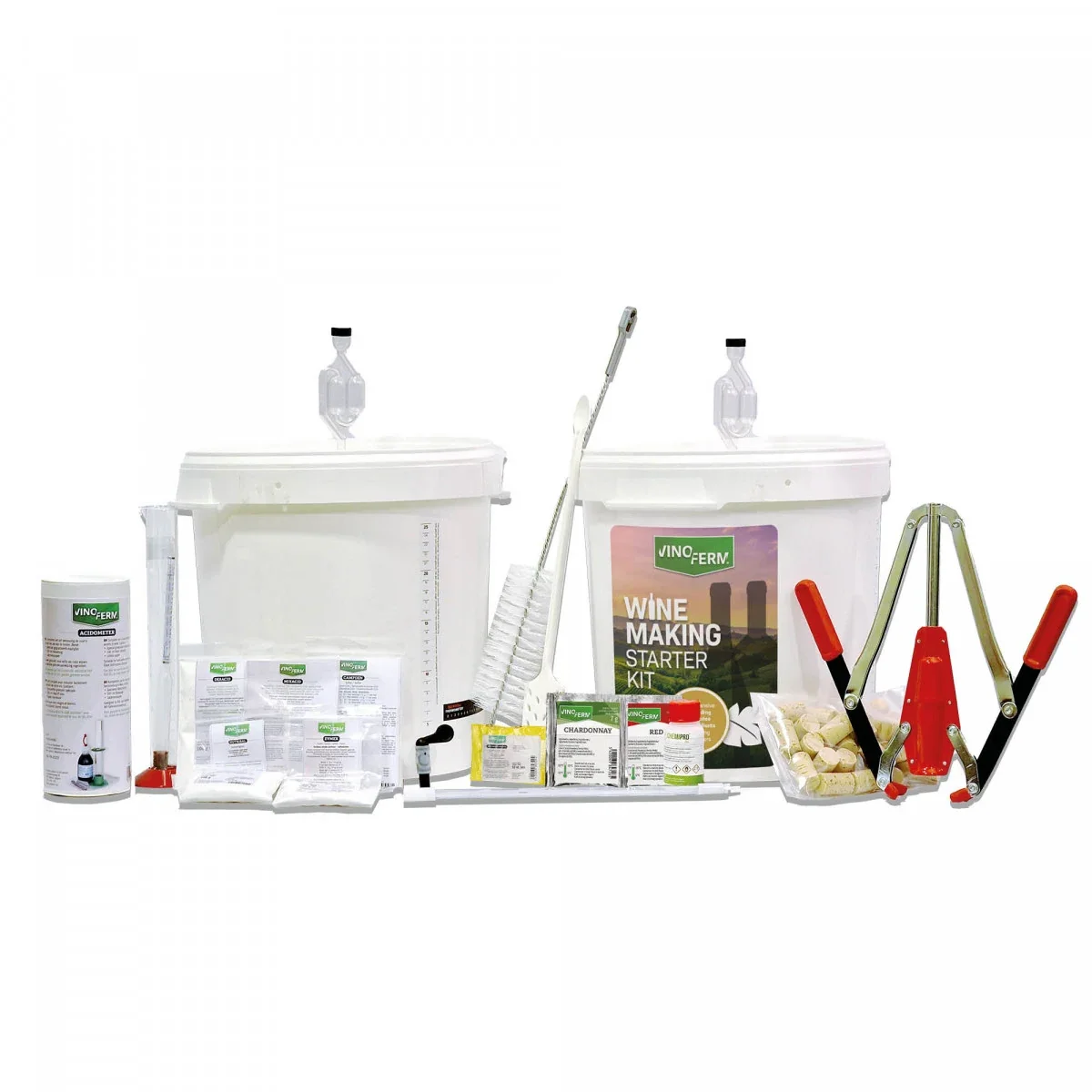
For other projects involving homemade products, you will find useful kits such as the
St. John's wort in the garden: care and propagation
St. John's wort is an easy-care perennial. It needs very little fertilizer and copes well with dry periods. Pruning in spring encourages bushy growth.
The plant propagates through self-seeding and runners. You can propagate it by division in spring. Dig up the rootstock and divide it with a sharp spade.
St. John's wort attracts bees and butterflies to the garden. The yellow flowers provide plenty of pollen and nectar. Plant it in perennial borders or herb gardens.
If you want to plant several specimens, a set such as
What should I bear in mind when using it?
St. John's wort oil can increase the skin's sensitivity to light. After external application, avoid exposing the treated areas to direct sunlight for at least six hours. This is especially important for people with fair skin.
Carry out a patch test before using it for the first time. Apply one drop of oil to the inside of your forearm. Monitor the area for redness or itching for 24 hours.
Do not use the oil on open, weeping wounds. It is well suited to caring for minor skin irritations that have already closed. Consult a doctor if you have serious skin problems.
St. John's wort oil is intended for external use. It should only be taken after consulting a professional. Keep the oil out of reach of children.
Other uses for homemade oils
The cold-infusion method works with many medicinal plants. You can process calendula, comfrey or arnica in the same way. Each plant requires its own infusion time.
Experiment with oil blends for specific purposes. Combine St. John's wort oil with lavender oil for a relaxing massage blend. Add a few drops of tea tree oil for a disinfecting effect.
Homemade oils make personal gifts. Pour them into attractive bottles and add a label. A short guide to using the oil makes the gift complete.
For all projects involving gardening and self-sufficiency, you will find materials and inspiration in our main Garden + Outdoor category. From watering to garden equipment, everything is available.
Making St. John's wort oil connects you with the rhythm of nature. You harvest in summer, make the oil and have a natural skincare product to hand throughout the winter. The process is meditative and the result is rewarding.
Frequently Asked Questions
- When is the best time to harvest St. John's wort for oil?
- Harvest the freshly opened yellow flowers on a dry, sunny morning around midday. Common St. John's wort (Hypericum perforatum) reaches its highest concentration of active compounds during its traditional flowering period from late June to August. Avoid damp or faded flowers.
- Which oil is best for making St. John's wort oil?
- Use a high-quality, preferably neutral vegetable oil such as cold-pressed olive oil, sunflower oil or almond oil. These oils are stable, absorb well into the skin and do not overpower the plant's natural flavor. Do not use refined or strongly scented oil.
- How long does St. John's wort oil need to infuse, and how should I store it?
- The oil needs four to six weeks in a warm, bright place such as a windowsill. Shake the jar daily. Once it has turned deep red, strain out the flower residue. Store the finished oil in a dark bottle in a cool, dark place. It will keep for up to one year.
- Can I use St. John's wort oil on sensitive skin?
- Test the oil on a small area of skin before using it for the first time. St. John's wort oil can have a phototoxic effect. After applying it, avoid direct sunlight on the treated areas of skin for at least six hours. Do not use it if you are allergic to St. John's wort.
- Which type of St. John's wort is suitable for making the oil?
- Use only common St. John's wort (Hypericum perforatum). You can identify it by the translucent dots on its leaves, which look perforated. Ornamental St. John's wort from the garden (e.g. Hypericum calycinum) does not have the same active compound profile and is unsuitable.
You might also be interested in
- Create your own natural medicine cabinet: Medicinal plants for the home
- Natural skincare with plant oils: Tips for the face and body
- How to make beeswax lip balm: Natural DIY cosmetics
- Coconut oil for dogs: Natural care and application tips
- Hemp seed oil: The green all-rounder for skin and home
- Identifying and gathering wild herbs: A guide to nature's treasures