
In brief: Keep your lawn healthy with regular mowing, but never cut it too short. Set your mower to 4 to 5 centimetres and never remove more than one third of the grass blade length. Mow when the grass is dry, and change your mowing direction. These simple rules encourage thick growth and help your lawn resist weeds and drought.
How to Mow Your Lawn for Thick, Healthy Green Grass
A lush, thick lawn doesn’t happen by accident. It takes consistent care, and mowing plays a central role. Many people underestimate the job: they cut the grass too short, mow too infrequently or choose the wrong time. The result can be patchy grass, moss and weeds.
Mowing correctly isn’t difficult, but it does take the right technique. Follow clear guidelines for cutting height, frequency and method to strengthen your grass from root to tip. A resilient lawn starts with the right cut.
This guide explains the basics. It takes you through the Garden + Outdoor annual cycle and shows you how the right mowing technique can prevent problems from the start.
Why is mowing height so important for a healthy lawn?
Cutting height can make or break your lawn. Each blade of grass is a small factory: it carries out photosynthesis and supplies the roots with energy. If you cut off too much, the plant can’t produce enough nourishment.
The roots become stunted and the turf grows thin. Weeds such as dandelions and white clover suddenly have room and light to spread, crowding out the weakened grass. Cutting at the wrong height is one of the most common lawn care mistakes.
Pro tip
Check the actual cutting height after mowing. Set your mower to 4 cm, run it over a firm surface and measure the cut grass with a ruler. The actual height often differs from the mower setting. Use this method to calibrate your mower once each season.
The ideal height for every type of lawn
Not every lawn should be cut to the same height. A formal ornamental lawn can be cut shorter than a hard-wearing play area. Use these guidelines:
- Ornamental and shade-tolerant lawns: 4–5 cm. In shady areas, 5–6 cm works well because longer blades have more leaf area to capture the available light.
- Utility and play lawns: 4–5 cm. This height offers the best balance of durability and appearance.
- During drought and heat: At least 5 cm. Longer blades shade the soil and reduce evaporation.
Keep this basic rule in mind: Set your mower to the lower end of the range in spring and fall. In summer, when the sun is strong, raise the cutting height by at least one centimetre.
How often should you mow? The right schedule makes all the difference
How often you mow depends on how quickly your grass is growing, not the calendar. Grass grows faster in warm, damp weather. It grows quickly in April and May, so mow once a week during this time.
Growth often slows in dry weather in July and August, so mowing every two weeks may be enough. The key is to follow the one-third rule: never cut off more than one third of the grass blade at a time.
Why? Cutting the grass back too much puts it under stress. The remaining leaf area may not be enough to produce the energy the plant needs. The grass then uses its energy to grow new blades, leaving it vulnerable and with fewer reserves.
“Mowing is more than simply cutting the lawn; it is a targeted stimulus. The right stimulus at the right time encourages tillering—the formation of new side shoots. That is the secret to a dense turf.”
It’s better to mow more often and cut off less each time. If your lawn is 6 cm high, cut it to 4 cm. If it has reached 9 cm, mow it in two stages: first to 6 cm, then to 4 cm a few days later.
Lawn care calendar: What to do and when
Your mowing season begins when the grass starts growing steadily, usually in March or April. Make the first cut when the blades are about 7–8 cm long, and set the mower a little higher than usual.
Mow once a week in May and June. In July and August, adjust how often you mow based on the weather. Make the final cut of the year in late October or early November, leaving the grass about 4–5 cm high for winter.
Important note
Never mow wet grass. Wet blades bend, get crushed instead of cut and can clog the mower. Freshly cut grass is also more vulnerable to fungal diseases such as snow mold and dollar spot. Wait until the grass has dried completely before mowing.
The right mowing technique: More than just going back and forth
Your mowing technique affects the results. Mow in straight, systematic passes, preferably parallel to the longest side of your yard. This helps you avoid overlapping or missing strips.
Change direction each time you mow. Mow lengthwise one week, then across the lawn or diagonally the next. This keeps the grass from lying in the same direction all the time. It will grow more upright and create a more even surface.
For a clean edge along flower beds or paths, use a grass trimmer or sharp garden shears. The right garden tools make a noticeable difference. One practical option is the
. It makes precise cuts and is versatile.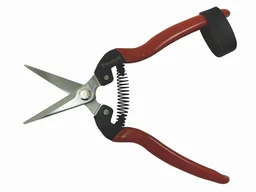
Sharpening the blade: An often-overlooked essential
A dull mower blade tears grass instead of cutting it cleanly. The ragged tips turn yellow, heal slowly and look unattractive. Sharpen the blade at least once a season, or twice if you use your mower frequently.
Check the cut: Are the blades cleanly cut or torn? A sharp blade runs more quietly, uses less fuel or electricity, and leaves your lawn with healthy, green tips.
Mulching or collecting? Which is better for your lawn?
The right choice depends on your goals and how often you mow. When you mulch, a special blade finely chops the clippings and blows them between the grass blades. These fine clippings decompose quickly, releasing nutrients directly into the soil.
Mulching works best when you mow regularly and never cut off too much grass at once. It’s a natural way to fertilize your lawn. Combined with an organic lawn fertilizer such as the
you complete the nutrient cycle.
Additional tip
Before mulching, make sure the lawn is dry and free of leaves and long, matted clippings. Wet clippings or too much mulch can form a slimy layer that smothers the grass. In that case, collect the clippings instead.
Collect clippings when the grass is very long, you mow irregularly, or the lawn is covered with leaves in the fall. The grass catcher keeps a thick, matted layer from forming and blocking light and air.
Collected clippings are a valuable resource. Add them to your compost, use them as mulch under shrubs, or put them in your yard waste bin. Don’t just throw them away.
The essentials: fertilizing and watering
A perfect cut alone isn’t enough. Mowing removes nutrients from your lawn. Every time you mow, you remove a small amount of nutrients, so you need to replace them.
Fertilize your lawn two to three times a year. A spring application (April) stimulates growth. Summer fertilizing (June) helps the lawn withstand stress. In fall (September), use a potassium-rich fertilizer to strengthen cell walls and prepare the lawn for winter.
A granular iron fertilizer such as
not only supplies essential nutrients but also helps prevent moss and gives your lawn a deeper green color. It’s ideal for spring and summer lawn care.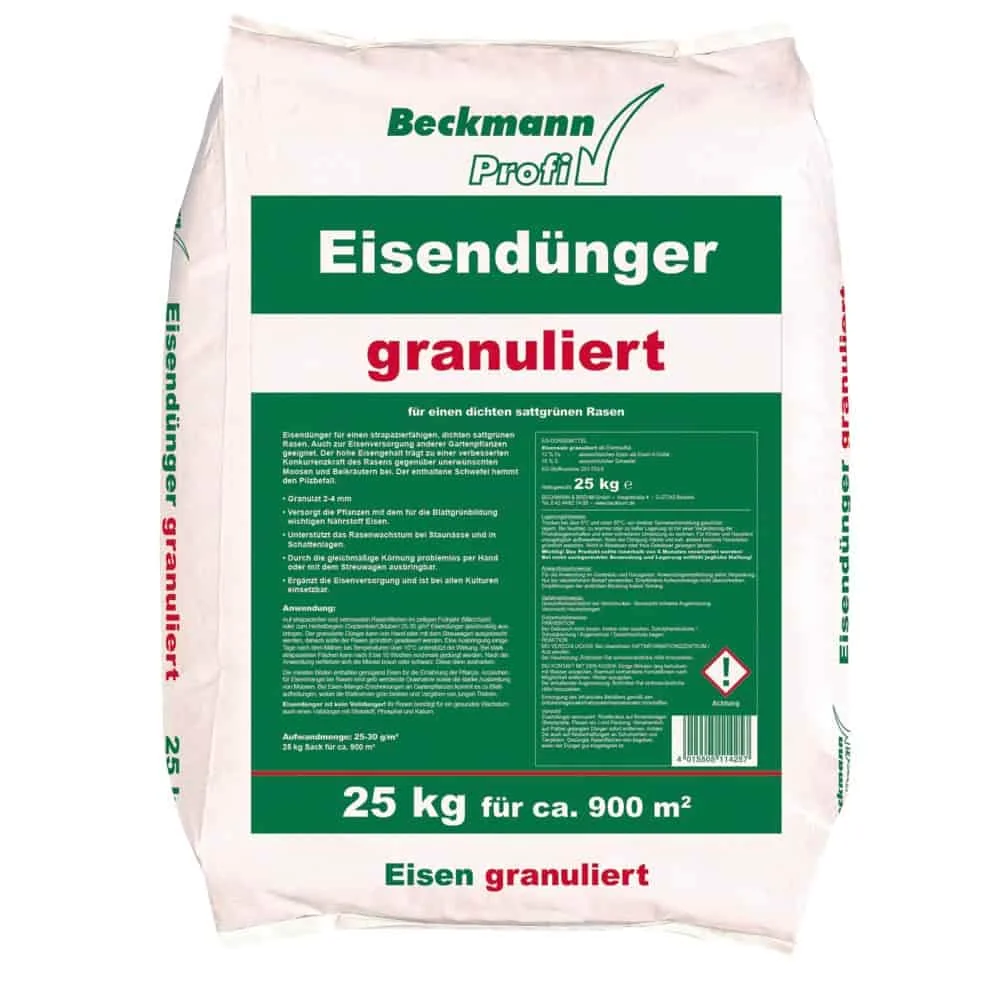
“Many homeowners think mowing often is bad for the lawn. The opposite is true. Regular, moderate mowing is like a workout for the grass. It encourages the grass to spread and grow new shoots, creating the dense lawn you want.”
Water less often, but deeply. Deep, occasional watering is better than watering the surface every day because it encourages deep roots. The best time to water is early morning. Less water evaporates, and the grass blades dry quickly, helping prevent fungal diseases. Proper lawn watering conserves water and keeps your lawn healthy.
Identify problems and correct them through mowing
Your lawn communicates with you. Yellow tips after mowing indicate a dull blade. A wavy, uneven surface is often caused by low tire pressure on the mower or uneven mowing.
A lot of moss indicates that the lawn is too shady, too wet, too acidic, or has been cut too short. Check the mowing height and dethatch if necessary. Reseed bare patches and mow the surrounding area slightly higher until the new grass is well established.
After your vacation: How to gently restore an overgrown lawn
If the lawn is very long after your vacation, mow it in several stages. Set the mower to the highest possible setting and mow. A few days later, lower the height by one setting. Repeat this until you reach the desired height.
Under no circumstances should you use the lowest setting straight away. This would weaken the grass so severely that it could take weeks to recover. Patience is the better approach here.
Conclusion: Consistency leads to success
A healthy lawn is no secret. It is the result of a few crucial basic rules. Mow regularly, not too short, and in dry weather. Change direction and keep your equipment in good condition.
Combine this mowing routine with appropriate fertilizing and watering. This gives the grass everything it needs for dense, deep-green growth. Start with your next mow. Your lawn will show you the difference.
Frequently asked questions
- How often should I mow my lawn?
- During the main growing season in spring and early summer, mow around once or twice a week. In midsummer during dry conditions and in fall, mowing every one to two weeks is sufficient. Always follow the one-third rule: never remove more than one third of the blade height.
- How high should I cut my lawn?
- The optimum mowing height is 4 to 5 centimetres for ornamental and utility lawns. In dry conditions or shade, set the height to 5 to 6 centimetres. Cutting too short weakens the grass, encourages weeds, and leaves the soil vulnerable to drying out.
- Is it better to mow the lawn when it is wet or dry?
- Always mow when the grass is dry. Wet grass sticks together, is cut unevenly, and can clog the mower. The cut ends heal less effectively in damp conditions, creating entry points for fungal diseases. After rainfall, wait until the grass has dried completely.
- What should I do with grass clippings?
- Leave short clippings on the lawn as mulch. They act as a natural fertilizer and protect the soil. It is better to collect longer clippings to prevent a thatch layer from forming. Alternatively, compost them or use them as mulch for flower beds.
- Why should I change the mowing direction?
- Changing the mowing direction regularly prevents the grass blades from continually lying in the same direction. This helps the grass grow more upright and densely. It also distributes soil compaction from the mower wheels more evenly and gives you a consistent, stripe-free finish.
You might also be interested in
- Lawn care: How to achieve a green, dense, and healthy lawn
- Dethatching your lawn: A guide to a healthy lawn
- How do I lay a new lawn correctly?
- Lawn mowing: costs, equipment, and the best care tips
- Sowing a lawn: A step-by-step guide to a dense lawn
- Mowing or mulching your lawn: Which is better for your garden?