
In brief: When organized correctly, a refrigerator makes the best use of its temperature zones. Store cheese and smoked foods on the top shelf, dairy products and prepared meals in the middle. The crisper drawer is for fruit and vegetables, while the door is for sauces and drinks. Keep raw meat and fish on the glass shelf at the very bottom, the coldest spot. Separate ethylene-producing fruit such as apples from ethylene-sensitive vegetables.
How to Organize Your Fridge: Keep Food Fresh Longer
A full refrigerator does not automatically mean maximum freshness. Proper organization makes the difference. Each zone has a specific temperature and humidity level. Use this knowledge to reduce food waste and save money.
This guide explains refrigerator zones, highlights common mistakes and provides practical kitchen organization tips for a clearer overview.
How are the temperature zones in a refrigerator arranged?
Modern refrigerators do not cool evenly. Air circulates and cools as it moves. The coldest air sinks to the bottom. As a result, the top shelf has a different temperature from the bottom shelf.
The door shelves are the warmest areas. They are opened regularly and are somewhat separated from the cooling system. Once you understand this principle, you can organize your groceries systematically.
Pro tip
Check the temperature with a . The ideal overall temperature is between 5°C and 7°C. Set the appliance accordingly. This is the only way the zones will work as intended.

The coldest zone: The shelf above the crisper drawer
Directly above the crisper drawer, usually on a glass shelf, the coldest air collects. The temperature here is consistently around 2°C. This zone is intended for anything that spoils quickly.
Store raw meat, raw fish, sliced cold cuts and prepared meals that you plan to eat soon here. The low temperature significantly slows the growth of microorganisms.
The middle zone: Ideal for dairy products
In the middle of the refrigerator, temperatures range from 4°C to 5°C. This area provides a stable, cool environment without extreme fluctuations.
Place yogurt, cream, quark, block cheese and opened jars here. Leftovers from lunch also have the perfect place here. Cover all food.
“Storing perishable foods on the coldest glass shelf is not an option but a necessity for food safety at home.”
Why shouldn’t fruit and vegetables be stored together?
The crisper drawer has higher humidity. It protects lettuce, herbs, carrots and cabbage from drying out. However, not everything belongs there. The problem is ethylene.
Some fruits, such as apples, pears, apricots and plums, produce this ripening gas. It accelerates the aging process of nearby ethylene-sensitive foods.
Important note
Keep ethylene producers strictly separate from ethylene-sensitive foods. Never place apples next to broccoli, cucumbers, spinach or carrots. Otherwise, the vegetables will wilt within a few days, turn yellow and lose their crispness.
Ideally, use two separate drawers. Put ethylene-producing fruit in one and delicate vegetables and leafy greens in the other. This helps everything stay fresh for longer.
What should not go in the refrigerator?
Not every food benefits from being chilled. Exotic fruits such as bananas, pineapples and mangoes lose their flavour. They develop brown spots and become mushy.
Keep them at room temperature. The same applies to potatoes, onions and garlic. They need a dark, cool and dry place such as a basement.
“Tomatoes are sensitive to cold. Never store them below 10°C. This destroys their aroma compounds, making them taste watery and mealy. A pantry is ideal.”
How do I organize the refrigerator door shelves properly?
The door is the warmest area and has the greatest temperature fluctuations. Store only products here that are less sensitive and contain preservatives.
Butter and margarine, eggs, sauces such as ketchup and mayonnaise, as well as drinks, are well suited to this area. Milk, however, is better kept in the middle zone because it spoils quickly.
Additional advice
When planning your garden and outdoor activities, remember the harvest too: freshly picked berries or herbs need the right place in the refrigerator immediately to preserve their vitamins.
Proper packaging makes the difference
Unwrapped food dries out and absorbs other smells. Pack everything carefully. Use resealable glass or plastic containers.
Wax paper is better for cheese and cold cuts than airtight plastic wrap. It allows moisture to escape and prevents mold. Plastic wrap is ideal for cut fruit and vegetables.
How does proper organization support my kitchen organization?
A systematically organized refrigerator saves time and hassle. You can immediately see what you have and what needs to be restocked. This prevents duplicate purchases.
Reserve specific areas for specific product groups. Keep this system consistent. This way, everyone in the family can find things quickly and put them back in the right place.
For larger supplies, for example after a barbecue, take a look at our BBQ and Smoking category. You will also find useful accessories for preparation.
Smart helpers for better organization
Pull-out shelves, baskets and turntables create order in cluttered compartments. They make the best use of the available space and group similar items together.
Label boxes for specific purposes, for example “Lunch tomorrow” or “Snacks for the kids”. This visual organization is especially helpful when things get hectic.
Practical Products for Freshness and Hygiene
It is not just how you arrange your fridge that matters; the right accessories also help food last longer. A reliable thermometer is the foundation for all the steps that follow.
Use the to check the temperature precisely. The stainless steel casing is robust and hygienic. This way, you always know whether your fridge is operating within the optimum range.
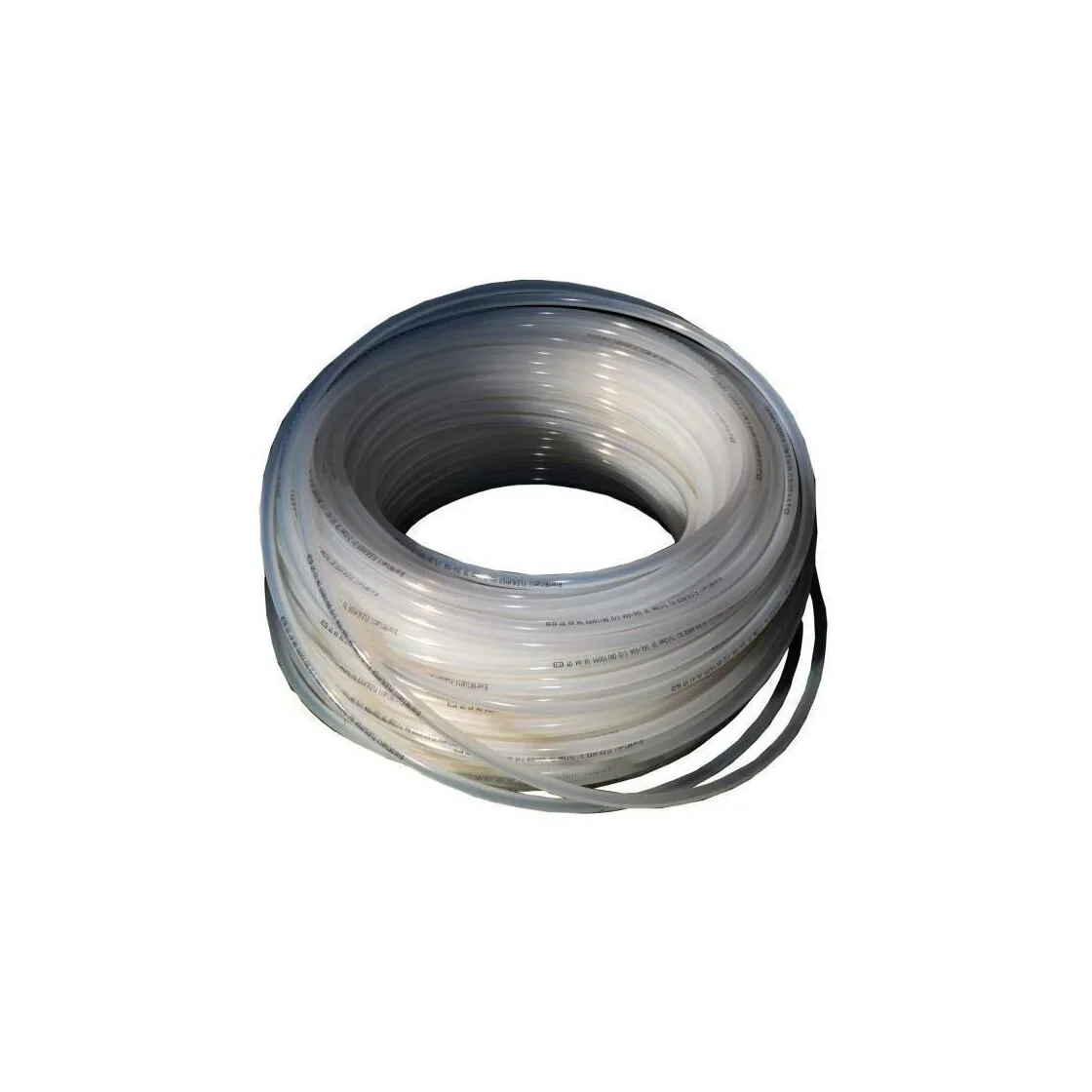
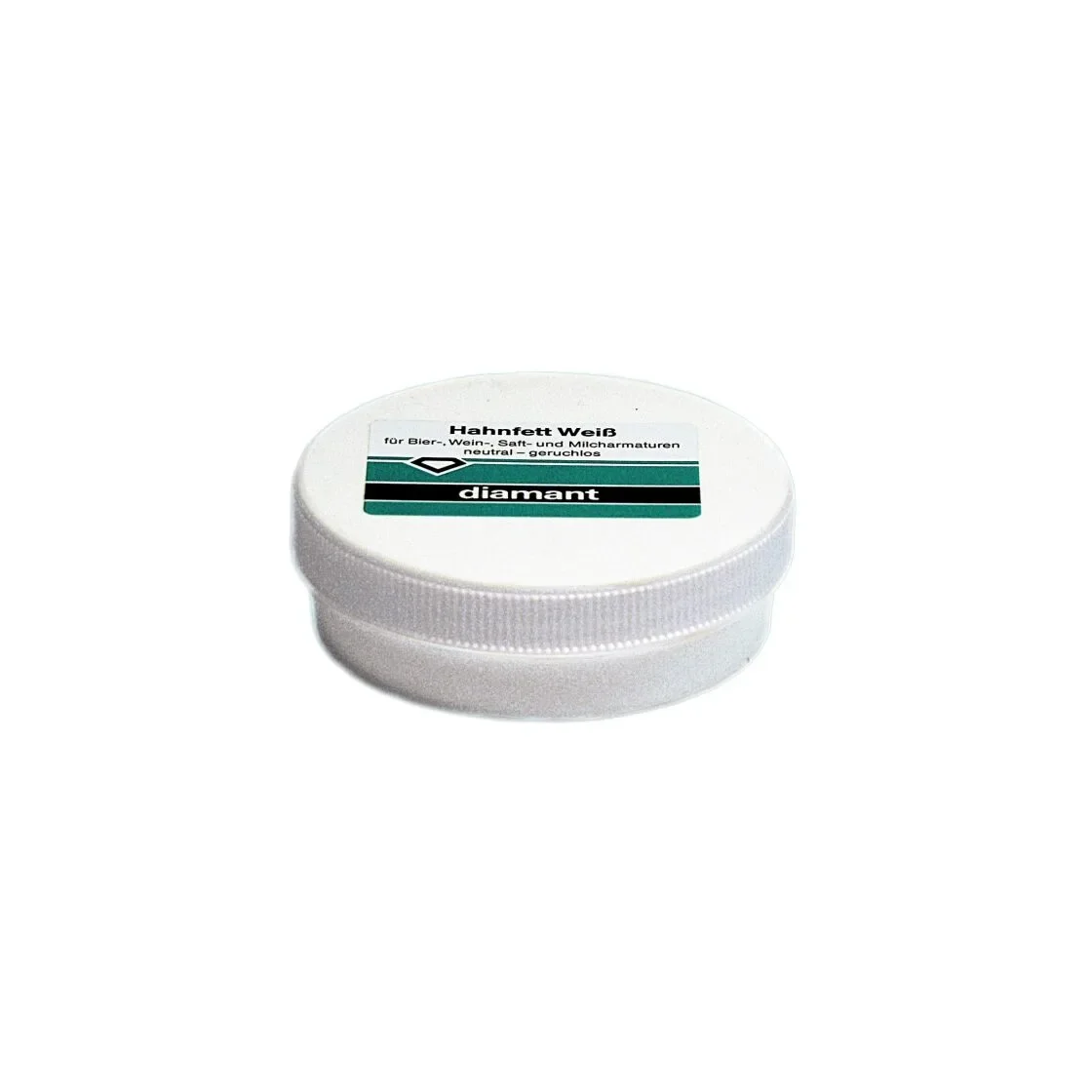
For summer use in the garden, for example to chill home-brewed beer or lemonade, professional equipment can be a sensible choice. A is food-safe and suitable for drinks and CO2.
Combined with this,
Applying these tips consistently transforms your fridge from a dark storage box into a precision tool for keeping food fresh. You can enjoy better quality, waste less food and always keep track of your supplies.
Frequently Asked Questions
- Why should I always store raw meat at the bottom of the fridge?
- The glass shelf above the salad drawer is the coldest zone in the fridge, often as low as 2°C. This temperature effectively inhibits the growth of germs on highly perishable products such as meat and fish. Keeping meat low down also prevents any juices that may leak out from dripping onto and contaminating other foods.
- Can I store tomatoes and peppers in the fridge?
- No. Tomatoes, peppers, courgettes and aubergines lose flavour in the fridge and develop a floury texture. They should be kept in a cool, dark pantry or in the cellar. Store them at around 10-15°C. This helps preserve their flavour and vitamins.
- How often should I clean my fridge to help food last longer?
- Thoroughly clean your fridge every four to six weeks. Remove all the shelves and drawers and wash them with mild washing-up liquid. Dry them afterwards. This removes germs and mould spores that can develop despite the cold. A clean environment helps all food last longer.
- Can I put hot food straight in the fridge?
- Do not put hot pots or dishes in the fridge. The large amount of heat can significantly raise the internal temperature and put strain on the appliance. Other food could spoil in the warm air. Let food cool to room temperature, cover it and then refrigerate it promptly.
- Which vegetables should not be stored next to apples in the fridge?
- Store apples separately from broccoli, carrots, lettuce, cucumbers and leafy greens. Apples release the ripening gas ethylene. This gas causes nearby vegetables to wilt faster, turn yellow and taste bitter. It is best to keep apples in a separate fruit drawer or in a sealed container.
You may also be interested in
- Freezing food: How to keep your supplies fresh for longer
- Cool food sustainably and save energy
- How to preserve homemade food for long-lasting freshness
- How to harvest and store apples for long-lasting freshness
- Clean your fridge ventilation grille and save energy and money
- Check your fridge door seal and save energy