
In short: To create a raised bed for tomatoes and peppers, first choose a suitable location and sturdy construction. Fill the bed with distinct layers of coarse woody material, green waste, mature compost and quality vegetable soil. Leave enough space between plants and put a sturdy trellis in place from the start. Good care means watering consistently, regularly removing tomato side shoots and fertilising as needed.
How to Plan a Raised Bed for Tomatoes & Peppers
Table of contents
How do I plan the perfect raised bed for tomatoes and peppers?
Choosing the right location can make or break your harvest. Tomatoes and peppers need full sun for at least six hours a day. A sheltered spot beside a house or garden wall can hold on to heat. Ideally, set up the bed from north to south so all the plants get an even amount of light.
The size of the bed depends on how many plants you want to grow. Allow 60x60 cm for each tomato plant and 40x40 cm for each pepper plant. A raised bed measuring 120 cm wide and 200 cm long can hold three tomato plants and four pepper plants. The bed should be at least 80 cm high, which makes gardening easier and gives deep roots plenty of room to grow.
The material you choose affects the bed’s microclimate. Wood retains heat well but needs protection from moisture. Metal raised beds warm up quickly, while plastic ones are easy to care for. Check that the corners are sturdy and the construction can withstand the pressure of the soil.
Growing tomatoes and peppers in the same bed makes good use of space. They have similar growing requirements, complement each other underground and benefit from the same care. Just be sure to leave enough room between the plants.
Tools and materials for building your raised bed
You will need a spade, wheelbarrow, secateurs and, if necessary, a spirit level. A large rake makes filling the bed easier. The essential materials are the raised bed itself, fine-mesh wire to protect the base from voles, and the materials for filling it.
Plan your watering system from the outset. An irrigation system with drip hoses or a nearby water source can save time. Visit the tool section to find the essentials for preparing your bed.
Which layers provide the best nutrients?
A raised bed’s layers recreate the natural process of decomposition. They generate heat from below and feed your plants for months. Start with a coarse drainage layer. Branches, twigs and coarse shrub cuttings should form the bottom layer, about 20-30 cm deep. This layer allows air to circulate and helps prevent waterlogging.
Next, add a layer of green waste. Grass clippings, weed-free weeds, vegetable scraps and leaves all work well. Make this layer about 15 cm deep. Press the material down lightly to avoid large air pockets. As it decomposes, it will release nitrogen.
Important note
Never fill a raised bed with shop-bought potting soil alone. It settles considerably and often contains too much peat. Pure compost is also too nutrient-rich and can burn plant roots. The right mix is what matters.
The main layer is made from mature, sieved compost mixed with garden soil. Add about 30-40 cm of this mixture. Mature compost smells like forest soil and has a crumbly texture. This layer provides the bulk of the nutrients for your plants.
Fill the top 20-25 cm with high-quality vegetable compost or compost made for raised beds. This growing medium holds its structure, contains plenty of nutrients and provides a good base for planting. Leave about 5 cm below the rim so water does not spill over when you water the bed.
In spring, decomposition inside a raised bed can make it 5-8 degrees warmer than the surrounding soil. That gives tomatoes and peppers a valuable head start and extends the growing season.
How to Plant Tomatoes and Peppers Properly
Plant after the last frost, starting in mid-May. The soil should already be warm. Choose strong young plants with dark green leaves and compact growth. Or start your own plants indoors in March. Special or the larger version .
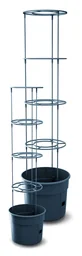
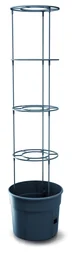
Plant tomatoes deeper than they were in their pots. They develop additional roots along the buried stem. Remove the lower leaves and plant each seedling up to its first set of leaves. Plant peppers at the same depth as they were in their pots. Firm the soil around each plant and water thoroughly right away.
Proper spacing is critical. Leave 60-70 cm between tomato plants and 40-50 cm between pepper plants. Plant taller tomatoes in the center of the bed or along the north side so they do not shade the peppers. Place heat-loving peppers on the sunny south side.
Expert tip
Set up tomato supports when you plant. Push sturdy stakes at least 1.80 m long deep into the soil. Installing them later can damage the roots. Peppers need only smaller supports or a low trellis.
After planting, add a layer of straw, grass clippings, or shredded bark to suppress weeds, retain moisture, and keep the soil from drying out. Leave some space around each stem to prevent rot.
For special varieties such as the dark, disease-resistant block pepper 'Mavras F1', you will find in our selection. These hardy varieties are ideal for growing in a raised bed.

Companion plants for a healthy bed
Plant basil between the tomatoes. It enhances their flavor and helps deter whiteflies. Parsley and chives planted around the edges make efficient use of space. Marigolds help protect plants from harmful nematodes through their roots.
Avoid planting other nightshades, such as potatoes or eggplants, in the same bed. They compete for nutrients and can easily spread the same diseases. Fennel and peas are also poor companions for tomatoes.
How Do I Care for the Plants During the Growing Season?
Watering is the most important part of plant care. Water regularly and thoroughly, especially as the fruit develops. The soil should stay evenly moist but never waterlogged. Water in the morning, directly at the roots, rather than over the leaves. This helps prevent fungal diseases.
Tomatoes need regular pruning. Remove side shoots from the leaf axils while they are still small. This encourages the main stems and fruit to grow. Peppers do not need pruning and can be left to grow bushy.
Fertilize as needed. At the start of the season, lightly work an organic slow-release fertilizer such as horn meal into the soil. Once flowering begins, apply a liquid tomato or vegetable fertilizer with the watering every two to three weeks. Make sure plants get a balanced supply of nutrients, especially potassium, for high-quality fruit.
Additional advice
Check your plants weekly for pests such as aphids and whiteflies. Treat early infestations with a strong spray of water or biological products made with canola oil. Yellow sticky traps help you spot flying pests early.
Tie up tomatoes as they grow. Use soft ties such as coconut twine or tomato clips. Tie the main stem loosely but securely to the stake every 20-30 cm. Support peppers if needed when the fruit gets heavy.
For everything you need to maintain your raised bed, visit our supplies section. From watering cans to practical hand tools, we have what you need.
What Problems Typically Occur?
Late blight is the tomato disease gardeners fear most. Typical signs include brown spots on the leaves and fruit, along with white mold in damp weather. Prevention is the best protection: use a cover, leave plenty of space between plants for good airflow, and water the soil without wetting the leaves. Remove affected plant parts right away and dispose of them with household trash.
Blossom end rot causes a brown, leathery spot on the bottom of the fruit. It results from a calcium deficiency, often triggered by inconsistent watering. Keep soil moisture consistent. Yellow leaves at the base of a tomato plant are usually a normal part of aging. Remove them to improve airflow.
Peppers may drop their flowers or small fruit. Causes include temperature swings, dry conditions, or too much nitrogen fertilizer. Keep growing conditions consistent. For secure connections when repairing the bed or irrigation system, visit our fittings and threaded connections category.
Identifying and controlling pests
Whiteflies often settle on the undersides of leaves. Yellow sticky traps can help reduce infestations. For severe infestations, beneficial insects such as parasitic wasps may help. Control aphids with insecticidal soap or by encouraging ladybugs and lacewings.
Slugs are less common in raised beds. A sharp-edged bed border or copper tape will usually keep them away. If you find slugs, collect them in the evening. Slugs lay their eggs in cracks in the soil, so loosen the soil surface regularly.
Harvesting, Follow-On Crops and Raised Bed Care in Fall
Harvest tomatoes when they are fully colored and yield slightly to gentle pressure. They will continue to ripen at room temperature. You can harvest peppers while they are green or when fully ripe and red, yellow or orange. A sharp knife or pair of garden shears helps prevent damage to the plant.
After the main crop at the end of September, you can prepare the bed for a follow-on crop. Remove all diseased plant material. Healthy stems and leaves can be shredded and left on the bed or added to the compost. Sow spinach, mâche or winter purslane as follow-on crops. These plants continue growing in fall and protect the soil.
In late fall, after the final harvest, cover the empty bed with a thick layer of leaves or straw. This protects the living soil structure and microorganisms from frost. Alternatively, sow a cover crop such as phacelia or yellow mustard. These plants can be worked into the soil in spring, adding organic matter.
Spring bed care before replanting is simple. Remove the cover or work the dead cover crop plants lightly into the soil. Top up the bed with fresh compost and vegetable garden soil, as the volume will have fallen by around 10-20 cm due to decomposition. Then the cycle begins again.
With this setup and care, you can turn your multi-level raised bed into a reliable source of flavorful tomatoes and juicy peppers. The effort is worthwhile for every fruit you harvest. For everything related to growing tomatoes, visit our comprehensive Tomatoes category.
Frequently Asked Questions
- Can you plant tomatoes and peppers together in a raised bed?
- Yes, tomatoes and peppers are good neighbors in a raised bed. Both belong to the nightshade family and have similar requirements for soil, water and nutrients. Make sure there is enough space between plants (at least 50-60 cm between tomatoes and 40 cm between peppers), and plant the warmth-loving peppers on the sunny, sheltered south side of the bed.
- What type of soil should you use in a raised bed for tomatoes and peppers?
- Do not use pure potting soil. A special raised bed or vegetable garden soil is ideal, as it retains its structure and releases nutrients slowly. The bottom layer should consist of coarse branches and twigs for drainage, followed by green waste, leaves or straw. The main portion should be made up of mature compost mixed with high-quality garden soil. The top 20-30 cm should consist of nutrient-rich planting soil.
- How often do tomatoes and peppers need watering in a raised bed?
- Water regularly and thoroughly, especially during dry periods. Water consumption is higher in a raised bed than in a conventional bed. Check the moisture with your finger: if the top 2-3 cm of soil is dry, it is time to water. Ideally, water in the morning directly at the roots rather than over the leaves. A layer of mulch made from grass clippings or straw reduces evaporation.
- Do tomatoes and peppers need additional fertilizer in a raised bed?
- In the first year, the decomposing lower layer supplies the plants with nutrients. From the second year onward, both heavy feeders need regular fertilizing. Before planting, work an organic slow-release fertilizer such as horn meal into the top layer of soil. During the growing season, liquid tomato or vegetable fertilizer every 2-3 weeks supports fruit formation. Avoid over-fertilizing with nitrogen.
- Which companion plants can you grow with tomatoes and peppers in a raised bed?
- Good companion plants include basil, parsley and chives, which help deter pests. Marigolds help protect against nematodes. Low-growing lettuce varieties or radishes fill gaps. Avoid planting other nightshades such as potatoes or eggplants in the same bed to minimize the spread of disease. Peas, fennel and beets are also poor companions for tomatoes.
You might also be interested in
- Companion Planting for Peppers: Good and Bad Plant Neighbors
- How to Build & Plant a Raised Bed: Your Garden Guide
- How to Layer a Raised Bed: The Perfect Setup for a Bountiful Harvest
- Growing Nightshades: Tomatoes, Peppers and Potatoes
- Raised Beds: Crop Rotation & Companion Planting for Maximum Harvests
- Large-Scale Raised Beds: Planning & Building Guide