
In brief: Plant pampas grass in spring in a sunny, warm and well-drained location. Water it regularly after planting, avoid waterlogging and tie the stems together before winter. Cut the ornamental grass back in late winter at the earliest, and protect the sensitive center of the plant from moisture and frost.
Quick answer: Plant pampas grass in spring in a sunny, warm and well-drained location. Water it regularly after planting, avoid waterlogging and tie the stems together before winter. Cut the ornamental grass back in late winter at the earliest, and protect the sensitive center of the plant from moisture and frost.
How do you choose the right location for planting pampas grass?
Pampas grass, botanically known as Cortaderia selloana, forms large clumps with sharp-edged leaves and decorative flower plumes. The plant grows particularly vigorously when it gets plenty of sun and warmth and is planted in well-drained soil. Wet winters damage the center of the plant more than short periods of frost.
Choose a spot with at least six hours of direct sunlight per day. A south- or west-facing position in front of a house wall stores heat and protects the plant from cold easterly winds. Air should still circulate behind the clump so that moisture can dry quickly after rain.
Allow enough space around paths, seating areas and play areas. The leaves can easily cut the skin. Depending on the variety, a mature pampas grass plant needs around 1.5 to 2.5 meters of space.
What type of soil does pampas grass need?
The soil should be rich in humus, loose and well drained. Waterlogging around the roots causes rot and weakens the plant before winter. Improve compacted clay soil with mature compost and coarse mineral material. If the ground stays wet, plant the clump on a slightly raised mound.
- Sun: at least six hours a day, preferably in a full-sun location.
- Drainage: Rainwater must be able to drain away from the root zone.
- Warmth: House walls, garden walls or sheltered areas of the garden improve the microclimate.
- Space: Leave enough room around the clump for its leaves and flower plumes.
- Planting time: Spring after the last hard frosts offers the safest start.
Planting in spring gives pampas grass several months to develop new roots. Planting in fall only works in mild, dry regions with very good winter protection. In harsher locations, early winter increases the risk that a young clump will not establish enough roots.
Pro tip
Mark the location with string or a garden hose before buying the plant. This lets you see immediately whether the mature clump will reach paths, windows or seating areas. A sunny spot with some extra space saves a lot of work later when cutting back and tying the plant.
How do you plant pampas grass step by step?
Container-grown plants can be planted successfully in spring and early summer, as long as the soil is not frozen or dried out. Water the root ball thoroughly before planting. This makes it easier to remove the plant from its pot and helps it get started without drought stress.
- Prepare the planting site: Remove weeds and loosen the soil to a depth of at least 30 centimeters.
- Dig the planting hole: The hole should be about twice as wide as the root ball. Its depth should match the height of the root ball.
- Check the soil: If the soil is heavy, do not simply put a layer of gravel in the hole. Instead, raise the planting area and improve the entire root zone.
- Plant the clump: Plant pampas grass at the same depth as it was in the pot. The top edge of the root ball should remain level with the soil.
- Backfill with soil: Use the excavated soil and mix in some mature compost if the soil is poor. Press the soil down only lightly.
- Water thoroughly: Water slowly and deeply until the soil around the root ball is completely moist. A large clump often needs 10 to 15 liters of water after planting.
- Cover the soil: A thin layer of mulch helps retain moisture. Keep the center of the plant free so it stays dry.
How much space does pampas grass need?
For a specimen plant, a distance of 1.5 meters from the next large plant is usually enough. For a loose row, allow 1.5 to 2 meters, depending on the variety. Planting too closely traps moisture between the clumps and makes it harder to cut back pampas grass later.
Do not plant pampas grass directly next to a property boundary or beneath roof overhangs where rainwater runs off in concentrated streams. The plant tolerates drought better than a permanently damp root crown.
Important note
Pampas grass has very sharp leaf edges. Wear sturdy gloves, long sleeves and, for larger clumps, safety glasses when planting, tying and cutting it back. Do not cut the leaves back to ground level in fall, as this leaves the center of the plant more vulnerable to moisture and frost damage.
What care does pampas grass need?
Good pampas grass care follows the plant's natural seasonal cycle. Once established, the clump needs little attention. The key factors are controlled watering, moderate fertilisation and a dry centre.
How do you water pampas grass correctly?
During the first four to six weeks, water newly planted pampas grass regularly as soon as the top few centimetres of soil have dried out. Water less often but thoroughly. Small amounts every day encourage shallow roots and keep the surface constantly moist.
Once established, pampas grass can cope with normal summer spells without additional watering. During several weeks of drought, water the root area slowly and thoroughly. Plants in containers need water more often, but should never be left standing in water in the saucer.
Check the soil to a depth of five to eight centimetres before watering. If it still feels moist there, wait. Yellow leaves and a soft plant centre are more likely to indicate overwatering than drought.
When and how should you fertilise pampas grass?
Fertilising once in spring is sufficient for most garden soils. Spread mature compost or an organic fertiliser around the clump without covering the centre of the plant. Alternatively, use a slow-release fertiliser for ornamental grasses.
Too much nitrogen produces plenty of leaves but weakens the stems and may delay flowering. Do not fertilise late in autumn. Soft, late-season growth is more sensitive to frost.
You can find suitable products in Plant and flower fertilisers. For improving the soil and spreading mulch, Garden and plant accessories can also help.
How do you care for the leaves and flower plumes?
In summer, remove only completely dead leaves. Do not pull forcefully on partly dried leaves, as this can loosen new shoots from the centre. Old flower plumes remain decorative over winter and provide the clump with additional protection.
If the flower heads open out considerably after flowering, you can cut individual plumes for a vase. Wear gloves and avoid cutting into the leaves. Remove the plumes before the seeds ripen if you want to prevent uncontrolled self-seeding.
Which hardy ornamental grasses are suitable alternatives?
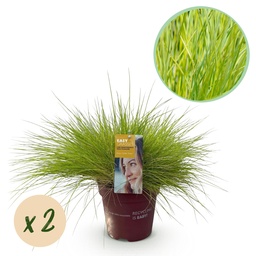
For smaller beds or dry areas, compact, hardy ornamental grasses are suitable additions or alternatives to large pampas grass. The Australian grass lily stays considerably shorter and works well along paths or in modern planting schemes.
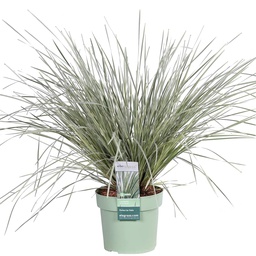
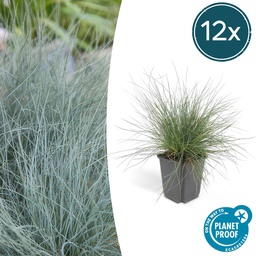
Blue fescue adds cool colours to sunny beds all year round. For larger group plantings, the set of 12 blue fescue plants is ideal. Both alternatives stay more compact and need less space than a mature pampas grass clump.
„A large, clump-forming, evergreen or semi-evergreen grass.“
How do you overwinter pampas grass in beds and pots?
Whether pampas grass remains hardy depends on the variety, its age, location and the course of the winter. An established clump in a warm, dry spot usually survives frost better than a young plant in wet clay soil. Winter protection is most important for the sensitive centre of the plant.
How do you protect pampas grass in the ground?
Start winter protection on a dry day in late autumn. Loosely tie the long leaves together at the top. Use soft ties and do not pull the stems so tightly that rainwater runs directly into the centre.
- Remove loose, completely dead leaves from the outside of the clump.
- Tie the remaining leaves into a loose bundle.
- Cover the root area with dry leaves, straw or bark material.
- In severe frost, additionally protect the centre of the plant with breathable garden fleece.
- Check the protection after long periods of rain and remove any wet material.
Airtight plastic sheeting is not suitable for winter protection. It traps moisture around the clump and creates favourable conditions for rot. Use fleece only when necessary and allow air to reach the plant on mild, dry days.
How do you overwinter pampas grass in a pot?
Container plants freeze through more quickly than plants in the ground. Place the pot in a bright, preferably frost-free and unheated location. A conservatory, cool greenhouse or sheltered area of the house at around 5 to 10 degrees Celsius is ideal.
In winter, water sparingly only when the root ball has dried out considerably. Do not fertilise. Place the pot on feet or wooden slats so excess water can drain away, and wrap the container in jute or fleece if it remains outdoors.
Tie the leaves together loosely in a pot, too. Cut them back only in late winter, once the plant starts producing new growth and you can clearly identify the new shoots.
When does young pampas grass need extra protection?
Protect freshly planted pampas grass particularly carefully during its first two winters. This also applies to varieties with light or especially large flower heads, windy locations and gardens with heavy soil. Protection can be discontinued once the plant has grown vigorously for several winters and the site reliably remains dry.
Additional advice
Check the winter protection in January and February after periods of thaw. Loosen compressed ties, remove wet leaves from the centre of the plant and carefully straighten any fallen stems. This prevents moisture from remaining in the heart of the clump for weeks.
„Protect from excessive winter wet.“
When should you cut back pampas grass?
The best time to cut back pampas grass is late winter or early spring. Wait until the worst frosts have passed and the new shoots become visible. In many regions, late February to late March is ideal; in colder areas, you may need to wait until April.
How do you cut back pampas grass safely?
- Wear protective clothing: Put on sturdy gloves, long clothing and safety goggles.
- Choose the right tool: Sharp garden shears are sufficient for individual stems. Use loppers or hedge shears for large clumps.
- Bundle the old leaves: Tie the dry leaves together before cutting. This makes clearing up easier.
- Cut the plant back: Cut the old stems to about a hand's width above the ground. Work from the outside inwards.
- Protect new shoots: Do not cut into fresh green leaves or shoot tips.
- Remove the cut material: Collect all the dry cuttings so they do not remain in the centre of the plant.
Use clean, sharp tools. Blunt blades crush the stems and make it harder to achieve a controlled cut. Suitable garden tools make cutting back large clumps much safer.
Why shouldn't you cut back pampas grass in autumn?
The dry leaves partly divert rainwater and keep the centre of the plant dry. After cutting it back in autumn, water can penetrate the clump more easily. Frost can damage the wet tissue, and the plant often starts spring with rot or missing shoots.
You can remove individual bent or damaged stems at any time. However, you should still wait until spring before cutting back the entire plant.
Which mistakes can damage pampas grass?
Many problems are not caused by frost but by an unsuitable location or incorrect care. Check drainage, light levels and the condition of the centre of the plant before applying additional fertiliser or plant protection products.
| Problem | Common cause | What helps? |
|---|---|---|
| No flowers | Too little sun, a plant that is too young or too much nitrogen | Check the location, apply moderate fertiliser in spring and be patient |
| Soft, brown centre | Waterlogging, wet winter protection or compacted soil | Improve drainage and remove wet material |
| Brown outer leaves | Frost, drought or natural ageing | Wait until spring and then remove dead leaves |
| Bent stems | Strong winds, heavy flower heads or too much fertiliser | Tie the clump loosely and reduce fertilisation |
| Rot after winter | Airtight cover or cutting back in autumn | Use breathable protection and cut the plant back in spring |
How can you tell if pampas grass has suffered frost damage?
Brown leaf tips do not automatically mean that the pampas grass has died. In spring, carefully check individual shoots. If the centre of the plant feels firm and new green tips appear, the clump will usually grow back.
A soft or unpleasant-smelling centre, on the other hand, indicates rot. Remove damaged material on a dry day, improve drainage and keep the centre free of wet leaves in future. If fungal problems persist, you can find further advice in the plant protection section.
Which care does pampas grass need in each season?
| Time of year | Task |
|---|---|
| Spring | Remove winter protection, cut back the clump and apply compost or organic fertiliser |
| Early summer | Water newly planted clumps thoroughly during dry spells and remove weeds |
| Late summer | Enjoy the flower plumes or cut them for a vase, and monitor the plant's water needs |
| Autumn | Remove only individual damaged stems, tie the leaves loosely and keep the crown dry |
| Winter | Check winter protection after rain and thawing conditions, do not fertilise and water only sparingly |
With a sunny location, well-drained soil and a dry centre, pampas grass stays healthy for many years. Plant it in spring, protect young clumps in winter and wait until new growth appears before cutting it back. This gives the plant reliable care while preserving its distinctive appearance.
You might also be interested in
- Transplanting pampas grass: When and how to do it
- Planting bamboo correctly: Tips for your green garden
- Overwintering plants: The guide for your garden and balcony
- Cutting back ornamental grasses: The right time for healthy growth
- How can I make my plants more cold-resistant? Winter tips
- Caring for cacti: Tips on location, watering and overwintering