
In brief: You can effectively prevent mold by thermally separating cold walls with internal insulation made from insulation boards. This prevents the surface temperature from falling below the dew point and therefore prevents condensation. Combine the insulation with a special capillary-active or mold-resistant lime plaster. It regulates indoor humidity and deprives spores of the conditions they need to grow. Correct installation without thermal bridges is essential.
Prevent Mold: Stop Damp with Insulation Boards and Plaster
Mold on the wall is more than an aesthetic problem. It threatens the building structure and your health. The cause is almost always the same: too much moisture on surfaces that are too cold. Targeted internal insulation with suitable boards and a special plaster can help. It separates the cold substrate from the warm room and regulates the indoor climate.
This article explains how to use structural measures to sustainably combat moisture and prevent mold growth in your home. You will learn how these systems work and receive practical application tips.
How does mold develop in the first place?
Mold spores are everywhere in the air. They need three things to grow: organic food, oxygen and moisture. In living spaces, they find enough food on wallpaper, plaster or dust. Oxygen is present. The decisive factor is moisture.
This moisture usually comes from condensation. Warm indoor air can hold more water than cold air. When it meets a cold wall, it cools down. At some point, it falls below the dew point. The excess water vapour condenses into liquid water. This damp surface is the ideal breeding ground for spores.
External wall corners, window reveals and areas behind large pieces of furniture are particularly affected. Air circulation is poor there and the surface is especially cold. A healthy home is important for any Garden + Outdoor hobby.
Relative humidity at the wall surface is the key parameter. If it remains above 80 percent for extended periods, most molds find optimal conditions. Permanently reducing it to below 70 percent is the goal of all preventive measures.
Why is internal insulation the solution?
The logic is simple. You need to warm the inside of the wall so that it no longer falls below the dew point. In an unrenovated older building, the external wall is cold. Heating the room warms only the air, not the wall. Internal insulation creates a warming layer between the cold wall and the room.
Insulation boards have very low thermal conductivity. They retain the heat in the room. The surface of the insulation or the plaster applied over it remains warm. Warm indoor air no longer condenses there. The moisture remains in the air and is removed through ventilation.
Important note
Internal insulation shifts the dew point into the wall. It now lies between the cold external wall and the warm insulation layer. If the insulation is installed incorrectly or is impermeable to vapour, condensation can form there without being visible. Therefore, use capillary-active, vapour-permeable systems and ensure an absolutely airtight installation on the room side.
Insulation is not a solution for other sources of moisture in the home, such as leaking plumbing + irrigation installations. You must repair this damage separately.
Choosing the right insulation boards
Not every insulation material is suitable for internal insulation. The decisive factors are resistance to water vapour diffusion and capillary activity.
- Calcium silicate boards: The gold standard. They are non-combustible, capillary-active and mold-resistant due to their high pH value. They absorb any moisture from the wall and release it slowly.
- Mineral foam boards: Made from inorganic material, non-combustible and vapour-permeable. Well suited to rooms at risk of damp.
- Wood fibre boards: A natural material with good insulation performance and moisture-buffering properties. They often require a vapour control layer on the room side.
- Vacuum insulation panels (VIPs): Extremely thin while offering high insulation performance. Ideal when space is limited. Very expensive and susceptible to damage.
A specialist should calculate the board thickness. Too thin will not help; too thick can cause problems with the dew point.
How does mold-resistant plaster work?
Plaster is the final layer facing the room. Mold-resistant plaster is the perfect complement to insulation. Its effectiveness is based on two principles: chemistry and physics.
From a chemical perspective, lime and silicate plasters are particularly effective. They have a high, alkaline pH value (over 8.5). This value is harmless to humans but hostile to mold. The spores find no suitable breeding ground.
From a physical perspective, many specialist plasters are capillary-active. They have a fine-pored structure. This can temporarily absorb and store humidity, then release it again when the humidity falls. They act as a buffer and smooth out humidity peaks after showering or cooking.
Pro tip
Always apply mold-resistant plaster at the thickness recommended by the manufacturer. A layer that is too thin cannot develop its full effectiveness. Before plastering, the insulation boards must be bonded over their entire surface without gaps. Every small air pocket becomes a thermal bridge.
When choosing a product, also pay attention to its resistance class. For damp rooms such as bathrooms, you need a plaster with greater resistance. Mineral silicate paints or lime paints are suitable for surface treatment because they do not restrict the breathability of the plaster.
Correct installation is essential
The best insulation and plaster are of no use if they are installed incorrectly. Thermal bridges are the weak points.
- Bond over the entire surface: Do not insulate using a ventilated cavity construction. Bond the boards over their entire surface to the wall with a special adhesive mortar. Spot bonding creates cavities.
- Seal connections: The joints between the boards must be airtight. Seal the joints with mesh tape. Seal the transitions to the ceiling, floor and adjoining walls with acrylic sealant or compriband tape.
- Plan electrical installations in advance: Install conduits before plastering. Cutting in switch boxes afterwards destroys the insulation layer.
For cleaning tools after plumbing or plastering work, you can find suitable accessories such as industrial supplies. For example, the
for thorough cleaning.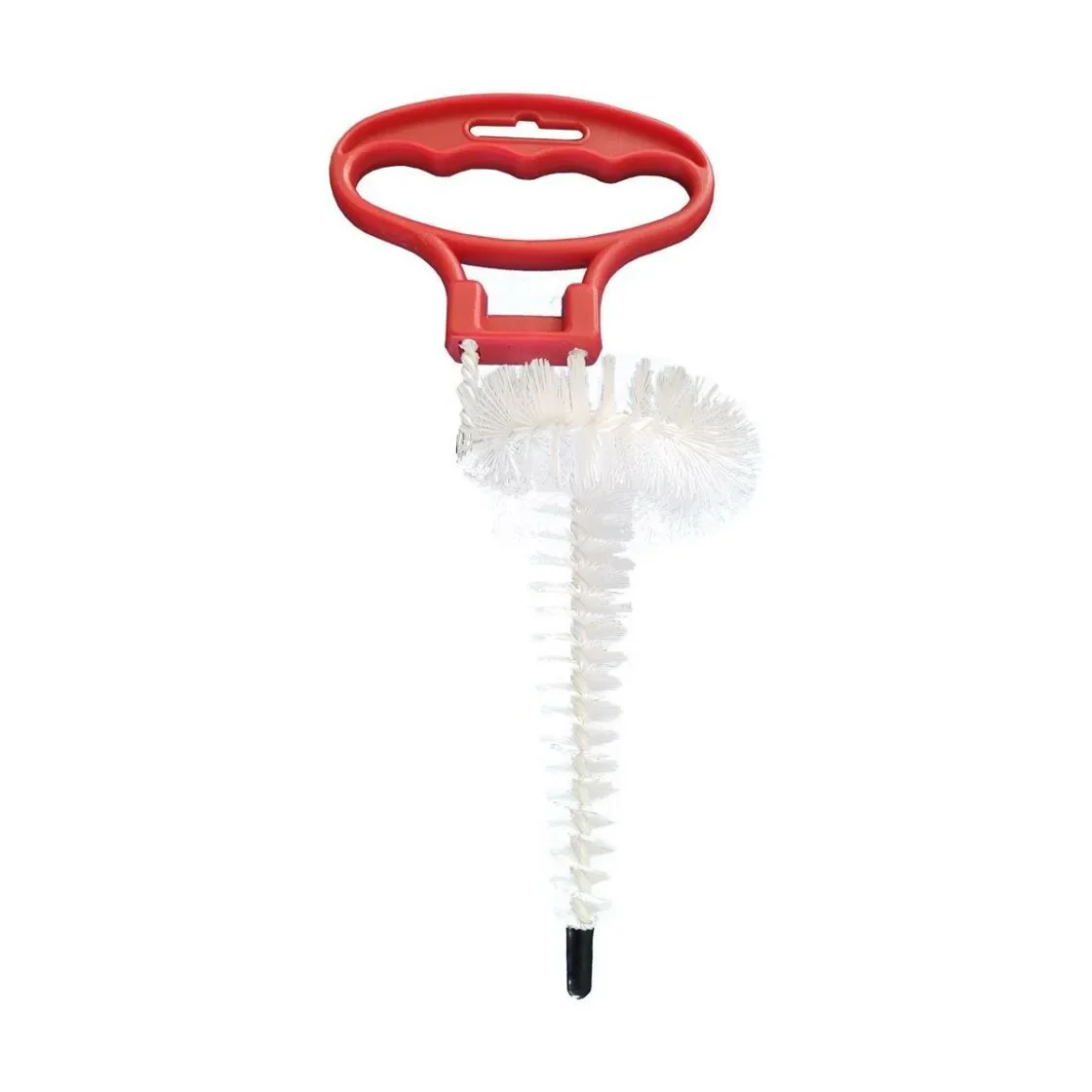
The most common cause of mold despite internal insulation is not the materials but the details. An unsealed socket on an external wall or an incorrectly connected roller shutter box can undo the effect of the entire project. Careful attention to these areas is essential.
What other steps help prevent mold?
Insulation and plaster are the main structural measures. Their effectiveness depends on supportive habits from the people living in the home.
Ventilate properly: Open the windows wide to air out a room. This is more effective than leaving them tilted open. Replace the humid indoor air completely with drier outdoor air three to four times a day. In winter, five minutes is enough.
Heating: Maintain a minimum temperature in every room. Gently warm up cold bedrooms during the day before airing them out in the evening. This keeps the walls from cooling down.
Furniture: Position large pieces of furniture at least five centimeters away from exterior walls. This allows air to circulate and keeps the wall warm. You can also use products from the Tarps + Netting range for temporary coverings during construction work.
Additional advice
Monitor your indoor climate. A hygrometer displays humidity and temperature. The ideal range is 40-60% relative humidity at 19-22°C. A device with a mold alarm warns you early when conditions become critical. This
is a digital combination device of this kind.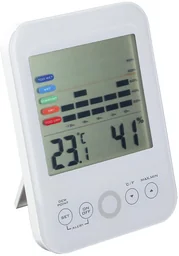
If mold is already present: Remediate first, then insulate
If you already see mold, it must be professionally removed before installing insulation. You can treat small areas of surface mold on nonporous materials yourself.
Wear a protective mask and gloves. Wipe the affected area with a standard household cleaner containing alcohol. Dry it thoroughly. After cleaning, a
can provide a temporary barrier for small, superficial patches.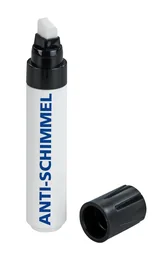
For extensive mold growth, mold in plaster, or mold after water damage, contact a specialist company. This is the only way to make sure all spores are removed and the underlying cause is addressed. Insulating a contaminated surface only traps the problem and makes it worse.
Conclusion: Combine building improvements with good habits
Preventing mold isn't a mystery. It starts with understanding moisture and temperature. Combining professionally installed interior insulation with mold-resistant plaster addresses the structural cause: a cold wall surface.
This system protects your home's structure, reduces heating costs, and creates a healthy indoor climate. With proper ventilation and heating, mold has no chance. Start with a thorough assessment of the affected areas, and seek professional advice if you're unsure. A dry home is the foundation for true relaxation—indoors and in the Garden + Outdoor area.
Frequently asked questions
- Why does interior insulation prevent mold?
- Interior insulation raises the temperature of the wall's inside surface. When it stays above the dew point, condensation can't form. The wall stays dry, depriving mold of the moisture it needs to grow. Professional, continuous installation without thermal bridges is essential.
- What type of plaster is best for preventing mold?
- Lime plaster and special silicate plasters with a high pH can help inhibit mold growth. They are alkaline, making it harder for mold spores to find the nutrients they need. Many are also capillary-active: they absorb temporary spikes in humidity from the air and release the moisture later. Avoid highly vapor-impermeable materials, such as conventional gypsum plaster, on cold walls.
- Can I add interior insulation to an older home?
- Yes. Interior insulation is a standard solution for preventing mold in older homes where exterior insulation often isn't possible. Choose a system suited to the building materials. If the walls are damp, first address the cause, such as rising damp or leaking pipes. A vapor barrier or vapor retarder is often necessary.
- Which insulation materials are suitable for interior insulation?
- Calcium silicate boards, mineral foam boards, and wood fiber boards are suitable options. Calcium silicate boards are capillary-active, regulate moisture, and are noncombustible. The right material depends on the wall, the desired insulation value, and the indoor climate. Seek expert advice, since the wrong material can worsen moisture problems.
- Is mold-resistant paint enough after mold remediation?
- No. Mold-resistant paint or anti-mold paint treats only the surface. It has a fungicidal effect but doesn't address the cause: a cold, damp wall. As the final coat on a professionally insulated and plastered surface, it can offer added protection. On its own, it can't solve mold problems caused by the building structure.
You may also be interested in
- Mold in your home: How to identify, prevent, and remove it
- Removing mold: How to use building materials correctly
- Mold in masonry? Identify and address the causes
- Damp fall, cold winter: How to stop mold effectively
- How to ventilate properly in winter: Prevent mold and improve your indoor climate
- Dampness and mold? 5 tips for dry rooms with moisture absorbers