
In brief: Prune your walnut tree in late summer, ideally in August or September. The tree will lose very little sap and can seal its wounds before winter. Selective thinning and formative pruning improve the crown structure, encourage productive fruiting wood and can significantly increase your harvest.
Table of contents
- When is the best time to prune?
- Which tools should you use?
- How do you prune correctly?
- How can you improve the crown structure?
- How do you rejuvenate an old tree?
- How should you care for the tree after pruning?
When is the best time to prune?
Late summer is the ideal time to prune your walnut tree. August and September are usually the best months. By then, the tree has completed its main growth phase, and sap pressure is low.
It will lose very little sap at the cuts, preventing significant sap loss. The wounds dry more quickly and can heal before the first frost.
Avoid pruning in early spring. Sap pressure rises sharply at this time, and every cut can cause heavy bleeding that unnecessarily weakens the tree.
Late-summer pruning of walnut trees has been a proven practice for decades. At this time, the tree puts its energy into ripening fruit rather than producing new shoots, so it tolerates pruning well.
Do not prune in winter when it is frosty. The wood becomes brittle, and the cut edges can splinter. Wound healing comes to a standstill. Wait for a frost-free day in late summer or early fall.
You can also make light corrective cuts in June. Remove unwanted water sprouts at this time. This practice, known as June shoot removal, puts very little strain on the tree. Do most of your pruning in August, though.
Exceptions to the ideal timing
There are two clear exceptions. Remove diseased or dead branches right away rather than waiting until late summer. These branches pose a safety risk and are more likely to break.
Young trees that are still being shaped should also be pruned differently. A light cut in late winter can help guide their growth. Because the tree is still small, sap loss remains limited.
Which tools should you use?
Sharp, clean tools are essential for good pruning. Dull blades crush the wood and leave ragged edges. These heal poorly and can let disease enter the tree.
Use sharp one-handed garden shears for thin branches and shoots. A bypass model such as the
makes clean cuts. Disinfect the blades before and after use.
Pro tip
Sharpen your shears and saws before the season starts. Apply a little vegetable oil to the joints for smooth, precise cuts that take less effort.
For branches up to around 4 centimetres in diameter, use loppers with telescopic handles. Make sure the blades are sharp and give you good leverage. Use a pruning saw for thicker branches.
A saw with a narrow, set blade also cuts cleanly through dense wood and helps prevent binding. A telescopic pruning saw from the garden tools category is essential for reaching high branches.
Remember to protect yourself. Wear safety goggles to shield your eyes from falling branches and sawdust. Sturdy gloves provide a firm grip and protect your hands.
How do you prune correctly?
Always cut just outside the branch collar. This is the swollen area where the branch joins the trunk or a larger branch; leave it intact. Do not cut too close to the trunk, or you may damage the branch collar.
Do not leave a long stub, either. It will die back and rot into the healthy branch. Make the cut just outside the natural ridge at the base of the branch.
Important note
Never leave stubs. They dry out and create ideal conditions for fungi. Always make a smooth, clean cut back to the desired branch or bud.
To keep the bark from tearing when removing a heavy branch, make an undercut about one third of the way through. Then make the main cut from above, a few centimetres farther out. The branch will break off cleanly. Finally, saw the remaining stub off just outside the branch collar.
The cut surface should be smooth. If needed, trim it with a sharp knife. Smooth surfaces heal fastest and form an even callus, the tree's natural wound seal.
Cut direction and buds
Make each cut at an angle, about half a centimetre above an outward-facing bud. The sloping surface lets rainwater run off. The bud determines the direction in which the new shoot will grow.
Choose a bud pointing in the direction you want the new shoot to grow. Usually, that means outward, away from the center of the tree. This keeps the crown open and well aerated.
How can you improve the crown structure?
Aim for a well-lit, stable crown. Remove shoots growing inward, and cut out branches that cross or rub against each other. Shorten or remove shoots that compete with the central leader.
A tree with three to four strong, well-spaced main branches is ideal. These form the framework. Keep all other shoots subordinate to the main branches to create a pyramidal shape.
The key is knowing what to remove. Each branch you take out gives the ones that remain more light and air. An open crown produces not only more fruit, but also healthier, larger fruit.
Remove water sprouts consistently. These vigorous, vertical shoots often grow from thicker branches. They produce very little fruit but deprive the crown of light and energy.
It is best to pull them off by hand in June. This is quicker than cutting them. It also leaves a smaller wound and reduces the chance of another shoot growing in the same spot.
Additional advice
After pruning, step back regularly to look at the tree's shape. Work from large to small: start with the large, obstructive branches, then fine-tune the smaller branches.
A sturdy ladder from the garden equipment category is essential for this work. Work safely and never reach above shoulder height. For large trees, hire a professional.
How do you rejuvenate an old tree?
An old, neglected walnut tree cannot tolerate drastic pruning. Spread rejuvenation pruning over three to four years. Remove no more than one quarter of the old branches each year.
Start with the obvious problems. Cut out dead wood, then remove rotten or diseased branches. Next, deal with shoots growing inward or crowding each other.
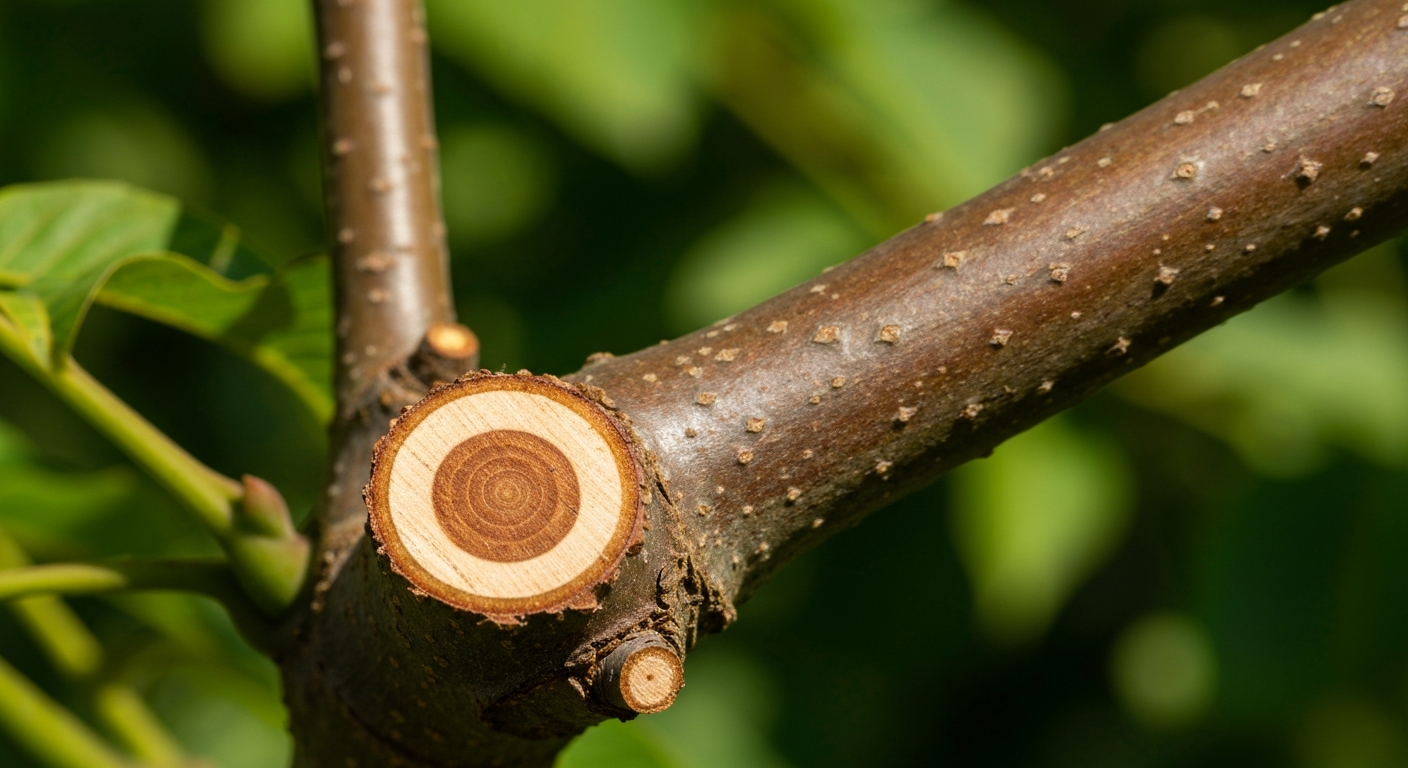
The goal is to let light reach the center of the crown. Old branches often droop heavily. You can cut them back to a younger side branch that points outward. This is called reduction pruning.
This rejuvenates the branch without removing it completely. The tree keeps its leaf mass and can continue photosynthesis. The new leading shoot takes over the branch's role.
Patience is key
A rejuvenated tree often responds with vigorous new growth. These so-called water sprouts grow especially strongly around old pruning cuts. Break or tear out these young shoots early in summer.
This directs the tree's energy into the shoots you want to keep. After a few years, the crown will be completely renewed, and yields should increase noticeably.
Care After Pruning
Leave pruning wounds untreated. Modern tree care generally avoids wound sealants. The tree forms the best callus tissue on its own. With proper pruning, this is the best treatment.
Dispose of prunings promptly. Don’t put diseased wood on the compost pile. Burn it or take it to a yard waste drop-off site. This helps break the cycle of fungal infection.
A tree weakened by heavy pruning can benefit from a little extra care. Moderate fertilizing the following spring supports new growth. Use a balanced fruit tree fertilizer from our selection.
Above all, make sure the tree gets a steady supply of water during dry periods. A major pruning cut reduces the amount of foliage. The tree loses less water through evaporation, but its roots continue to draw water from the surrounding soil.
During dry spells, water generously around the root zone. Mulch around the tree with grass clippings or shredded material. This helps retain moisture and suppress competing growth.
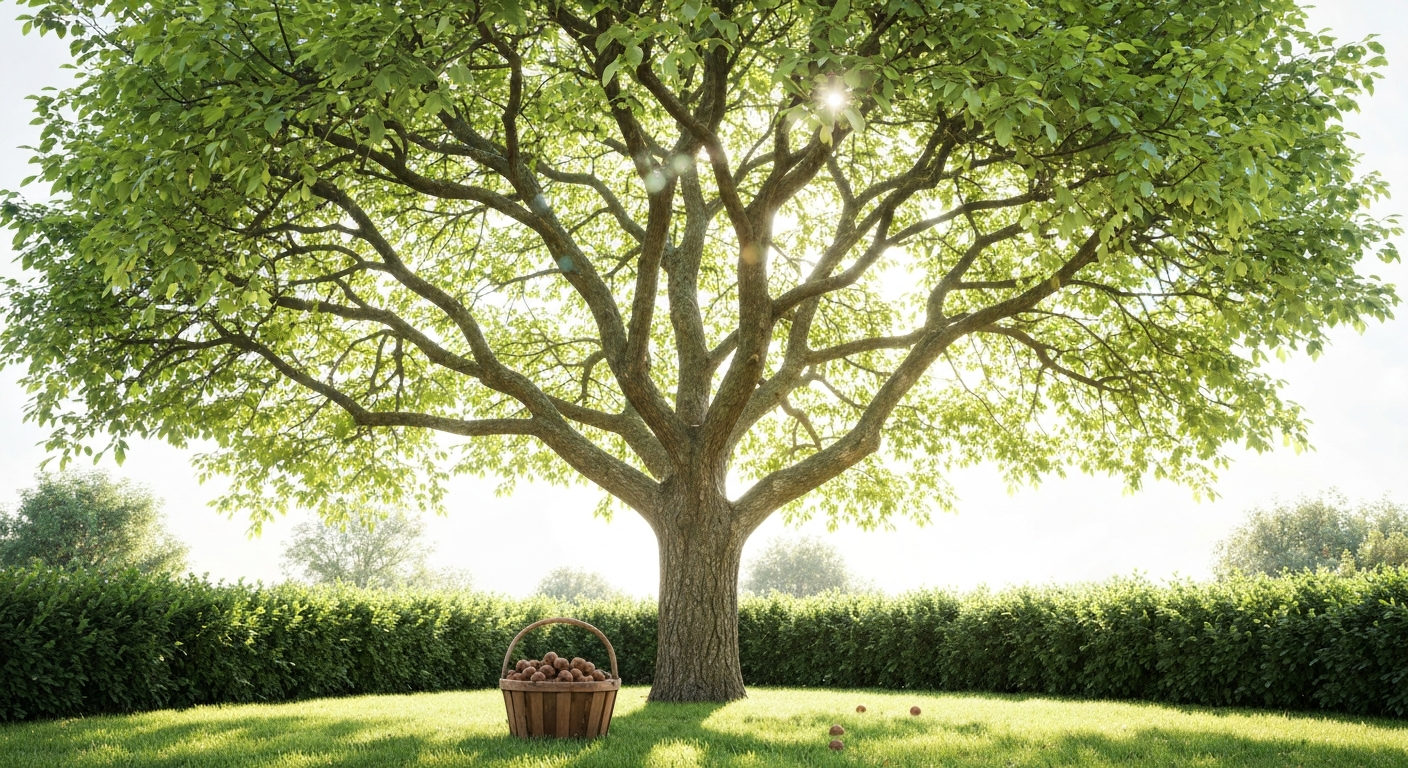
After the fall harvest, the cycle is complete. You literally reap the rewards of your pruning work. A practical harvest basket such as the
makes it easier to gather walnuts from the ground.
Keep a close eye on your tree during the following growing season. You’ll see how it responds to pruning. Make a note of vigorous new shoots or any other unusual growth. These observations will help guide your pruning plan for the following year.
With consistent care, you can keep your walnut tree healthy and productive for decades. It will reward you with a bountiful harvest and majestic beauty. For everything else you need to know about garden care, you’ll find the right equipment here.
Frequently Asked Questions
- Why does a walnut tree bleed so much when pruned?
- Walnut trees have high sap pressure in spring. If you prune during this period, a lot of sap can escape. This pressure is much lower in late summer, when the tree is directing its energy into fruit rather than new shoot growth. Cuts made in late summer therefore heal faster.
- Can I rejuvenate an old, neglected walnut tree?
- Yes, you can rejuvenate it over several years. Remove no more than one quarter of the old branches each year to avoid putting the tree under too much stress. Start with dead and diseased shoots, then remove branches that grow inward or rub against one another.
- What tools do I need to prune a tree?
- You need sharp, clean tools. Use sharp bypass pruning shears for thin shoots. For thicker branches up to around 4 cm, use anvil loppers. For even thicker branches, use a saw with a narrow blade. Sharp tools make clean cuts that heal more effectively.
- Do I need to seal pruning wounds on a walnut tree?
- Experts generally advise against it today. With a proper, clean cut in the right place, the tree forms the best callus tissue on its own. Wound sealants can trap moisture and encourage rot. Only very large wounds during the rainy season may benefit from a specialty product.
- How can I prune my tree to grow especially large walnuts?
- An open, light-filled crown is essential. Remove overcrowded shoots so each walnut gets enough sunlight. Make sure the fruiting branches are evenly distributed, and consistently cut back watersprouts that drain energy from the crown.
You may also be interested in
- Harvesting Walnuts: Tips for Your Own Walnut Tree
- How to Prune Trees Correctly: Promote Healthy Trees with the Right Cut
- When to Prune Branches: A Seasonal Guide for Your Trees
- How to Prune Hedges Correctly: When Is the Best Time?
- Pruning a Mirabelle Plum Tree: Easy Training and Rejuvenation
- How to Prune Tomato Plants Correctly for a Bountiful Garden Harvest