
In brief: Mosquito repellent candles, especially those containing citronella or eucalyptus, create a scented barrier that deters mosquitoes. However, their effect is limited and works best in calm conditions. For effective protection, combine strategically placed candles with other methods, such as UV traps or mosquito-repellent plants, to help keep your garden and patio mosquito-free.
The grill is sizzling, the drinks are cold and the sun is slowly setting. It is the perfect summer evening in the garden or on the patio—if only it were not for those small, buzzing nuisances. Mosquitoes can ruin the loveliest evening outdoors. Mosquito repellent candles are a popular way to keep them at bay. But how effective are they really? We put the candles to the test and show you how to improve mosquito protection on your patio, so you can enjoy summer in peace.
Why are mosquitoes such a nuisance in summer?
Mosquitoes are as much a part of summer as ice cream and sunshine, but they are rarely welcome. Female mosquitoes that bite need protein from our blood to produce their eggs. They are attracted by a combination of three factors: the carbon dioxide (CO₂) in our breath, our body odor and the heat we give off. They can detect us from up to 50 metres away.
Your garden may provide ideal breeding conditions. Mosquitoes lay their eggs in stagnant water. A forgotten watering can, a blocked downspout or a plant saucer full of water can provide a home for hundreds of larvae. A warm, humid summer speeds up the cycle and can lead to a full-scale mosquito invasion.
Additional advice
Check your garden regularly for standing water. Empty plant saucers, buckets and birdbaths every few days, or replace the water. Cover a rain barrel securely to stop mosquitoes breeding. These steps can significantly reduce mosquito numbers.
How do mosquito repellent candles really work?
Mosquito repellent candles work on a simple principle. They contain essential oils that release their scent as the candle burns. The fragrance forms an invisible dome around the candle, masking the human scent cues that attract mosquitoes. The insects are not killed; they are disoriented and have a harder time finding their target—you.
How well they work depends heavily on the conditions. On a still evening, several candles can provide fairly reliable protection for a small seating area. But as soon as a breeze picks up, it carries away the scented smoke and the effect fades. The amount of fragrance in the candle also matters. Inexpensive products often contain very little oil, which limits their effectiveness.
The effectiveness of essential oils for repelling mosquitoes is usually short-lived. Products that release fragrance, such as candles or electric vaporizers, provide only limited protection outdoors and only in the immediate area.
It is best to treat candles as one part of your mosquito control strategy rather than a complete solution. They create a pleasant atmosphere and reduce the number of mosquitoes nearby, but they cannot provide complete protection.
The classic put to the test: citronella candles
When you think of mosquito candles, citronella is probably the first thing that comes to mind. Its fresh, lemony scent is synonymous with summer and mosquito protection.
What is citronella?
Citronella oil is extracted from the leaves of Asian lemongrass (Cymbopogon nardus). It has long been used as a natural insect repellent. Its strong scent is usually pleasant to people but highly off-putting to mosquitoes. It interferes with their ability to detect CO₂ and lactic acid, two of the main attractants found in human scent.
Putting citronella's effectiveness to the test
Our test found that a single citronella candle on a large patio table made little noticeable difference. Mosquitoes simply flew around it. The situation improved considerably when we placed three or four candles around our seating area. Within a radius of about two metres, fewer mosquitoes landed on us, provided the evening stayed calm.
Pros and cons of citronella candles
Pros:
- Plant-based ingredient: Citronella oil comes from a plant.
- Pleasant scent: Many people find the fragrance fresh and summery.
- Creates atmosphere: Candlelight adds a cosy touch.
- Easy to find and affordable: Citronella candles are widely available.
Cons:
- Limited coverage: The effect is restricted to the immediate area.
- Weather-dependent: Protection drops significantly in windy conditions.
- Strong scent: Some people are sensitive to the intense fragrance.
- Not complete protection: Persistent mosquitoes may still get through.
Important safety advice
Never leave burning candles unattended. Place them on a fireproof surface and keep them well away from flammable materials such as tablecloths, sun umbrellas or dry plants. Make sure children and pets cannot get close to the open flame.
Alternative scented candles and how they work
Citronella is not the only scent mosquitoes avoid. If you do not like the smell or want to try something different, these effective alternatives can complement your garden equipment.
- Eucalyptus and lemon eucalyptus: Mosquitoes dislike eucalyptus's sharp, medicinal scent. Lemon eucalyptus oil (Corymbia citriodora), in particular, contains PMD, an active ingredient considered one of the most effective plant-based repellents.
- Lavender: Mosquitoes are put off by the calming scent of lavender, which many people love. Candles containing lavender oil are a fragrant alternative.
- Rosemary and mint: These strong herbal scents can also mask human odor. Candles made with these oils often have a subtler fragrance than citronella, while still helping to repel mosquitoes.
- Neem oil: This active ingredient comes from the Indian neem tree and is a powerful insecticide. Neem oil candles have an earthy, nutty scent and offer good protection.
When buying, look for the highest possible proportion of pure essential oil. The higher the concentration, the stronger the fragrance and the better the repellent effect. A higher-quality candle may be worth the investment.
A wildlife-friendly garden with a variety of native plants attracts beneficial insects and creates a balance that can help curb the spread of mosquitoes. Instead of relying on individual scented candles, a more sustainable approach combines plant diversity with the removal of breeding sites.
Modern solutions: more than just a candle
Candles create a pleasant atmosphere, but for comprehensive protection, include modern technologies in your mosquito control strategy. These products often work quietly, without odours and very effectively.
Solar lanterns and UV traps
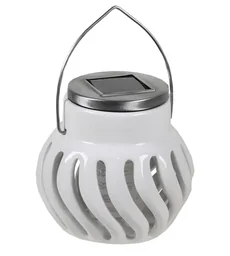
A smart combination of light and protection is the Solar mosquito repellent lantern. It charges in the sun during the day and provides atmospheric light in the evening. At the same time, an integrated blue UV light attracts mosquitoes, which are then killed by an electrified grid – without chemicals or fragrances.
For larger areas or when mosquito activity is particularly high, a powerful UV trap is worth considering. The Electronic MK06 UV insect trap, twin pack works on the same principle. It attracts flying insects with UV light and eliminates them quickly and hygienically. It's ideal for noticeably reducing mosquito activity across your patio or garden.
Mosquito repellent devices for sheltered outdoor areas
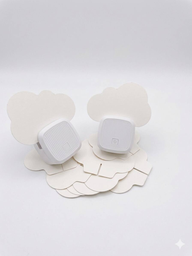
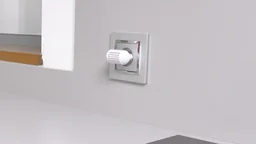
Mosquito repellent devices are also suitable for covered patios, balconies and conservatories. The Mosquito repellent plug-in devices, 3-piece set repel these pests with ultrasonic sounds that are inaudible to people and most pets. They provide lasting protection in a defined area without the need to light candles.
Mosquito-repellent plants as a natural barrier
Complement your mosquito control measures with the power of nature. Plant strongly scented herbs and flowers in containers around your seating area. These include:
- Scented geraniums (Pelargoniums): Their lemony fragrance helps keep mosquitoes away.
- Catnip: It contains nepetalactone, an active ingredient that repels mosquitoes more effectively than many synthetic products.
- Rosemary, thyme, mint and basil: These culinary herbs smell good, and mosquitoes tend to avoid them.
You can also find suitable garden and plant accessories, such as pots and high-quality compost, in the Westfalia range.
Expert tip
Combine different methods for maximum effectiveness. Use scented candles to create an atmospheric first line of defence. Actively reduce the mosquito population with a UV trap such as the Electronic UV Insect Trap, and surround your seating area with mosquito-repellent plants. This creates a multi-layered protective barrier.
Strategic placement: where should you position your candles?
The best mosquito candle is of little use if you put it in the wrong place. Correct positioning is crucial. Follow these simple rules:
- Create a protective ring: Don't place just one candle in the centre of the table. Instead, arrange several candles (at least three) in a circle around the area you want to protect. Space them approximately 1.5 to 2 metres apart.
- Place candles low down: Mosquitoes often fly close to the ground and target ankles and legs. So don't just put candles on the table; place some on the ground or on low side tables around your chairs, too.
- Pay attention to the wind: Check which direction the wind is coming from. Place at least one candle upwind so the breeze carries its scent into your seating area. If the wind changes direction, the protective ring becomes even more important.
- Combine fragrances: Feel free to use candles with different fragrances, such as citronella on the ground and lavender on the table. Combining scents may even enhance the repellent effect.
With the right strategy, you can turn your patio into a relaxing oasis and enjoy peaceful summer evenings. Browse our range of garden and outdoor products to find the perfect solution for a mosquito-free summer.
Frequently asked questions
- Do citronella candles really work against mosquitoes?
- Yes, but only to a limited extent. The citronella scent masks human odours and can keep mosquitoes away in the immediate vicinity when there is little or no wind. They are less effective over larger areas or in windy conditions and should be part of a more comprehensive mosquito protection strategy.
- How many mosquito candles do I need for my patio?
- That depends on the size of the area. As a rule of thumb, place several candles 1.5 to 2 metres apart around your seating area. This creates a protective scent barrier that helps repel mosquitoes from different directions.
- Are there alternatives to citronella candles?
- Yes, there are candles containing other essential oils such as eucalyptus, lavender or geraniol, which can also repel mosquitoes. Modern solutions such as UV insect traps or solar-powered mosquito lanterns are also effective, smoke-free alternatives.
- Are mosquito candles dangerous for pets and children?
- The naked flame poses a risk of fire and burns. Always place candles out of reach of children and pets. Smoke and fragrances can also irritate the airways of sensitive people or animals. Make sure the area is well ventilated.
- What else can I do to keep mosquitoes out of my garden besides using candles?
- Avoid stagnant water in water butts, buckets or plant saucers, as these provide breeding grounds. Plant mosquito-repellent herbs such as mint, rosemary or lavender. Electronic insect traps can also help reduce mosquito activity.
You may also be interested in
- How to Get Rid of Mosquitoes in the Garden: Effective Strategies Against Biting Insects
- Repelling Mosquitoes with Plants
- Natural Mosquito Repellent: Home Remedies for a Summer Without Bites
- Insect Repellent Test & Comparison 2026
- How to Keep Flies Off Your Patio: Effective Summer Tips
- Candle Test & Comparison 2026