
In brief: Place the ratStop rat trap with bait (e.g. peanut butter) at right angles to a wall where you have found signs of rat activity. Set the trap safely by pulling the striking bar back and locking it in place. Check the trap daily and always wear gloves when disposing of the catch.
Rustling in the wall, gnawed food supplies in the basement or telltale droppings in the garage—signs of rats are alarming. These rodents not only cause property damage, but can also transmit diseases. Quick action is essential. A well-placed snap trap is a proven way to tackle the problem precisely and without poison. This guide shows you how to set up, bait and use the trap safely and correctly.
For reliable and easy handling, we recommend the ratStop rat trap. Its robust plastic construction makes it durable, weather-resistant and easy to clean. The sensitive trigger mechanism and high striking force ensure fast and effective control.
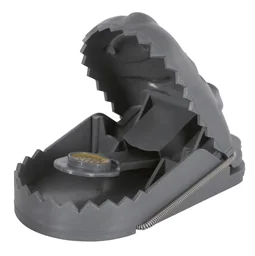
How can I tell if I have a rat infestation?
Before setting a trap, you need to be sure that you are dealing with rats and know where they are active. Look for clear signs. Rat signs are distinctly different from those left by other pests.
Typical signs of rats
Rats are shy, nocturnal animals. You rarely see them directly. However, the traces they leave behind are unmistakable. Look specifically for these signs:
- Droppings: Rat droppings are spindle-shaped, dark and about 1 to 2 cm long. You will find them in clusters along established routes, near food sources or at nesting sites. Mouse droppings are much smaller and resemble grains of rice.
- Gnaw marks: Rats' incisors grow continuously. They therefore gnaw hard materials to wear their teeth down. Look for two parallel, deep grooves on wood, plastic, cables or even soft metals.
- Runways and grease marks: Rats repeatedly use the same routes. Their body oils and dirt leave dark smears on walls, pipes and beams. On dusty floors, you can often also see clear paw prints.
- Odour: A strong, pungent smell of ammonia and musk in enclosed spaces such as basements or attics is a strong indication of an active rat infestation.
- Sounds: At night, you may hear scratching, scurrying or squeaking from suspended ceilings, walls or beneath floorboards.
Recognising the signs early is the key to successful pest control. The sooner you act, the easier it is to prevent the infestation from spreading.
Why is correct rat trap placement so important?
The success of your control measures depends largely on where you place the trap. A trap in the middle of a room will almost always be ignored by a rat. To make the trap effective, you need to understand and use the animals' behaviour.
Rats are creatures of habit with an innate fear of new objects in their surroundings, known as neophobia. They prefer to move along walls and vertical surfaces, using their whiskers to find their way and seeking protection from predators overhead. Their routes are well established, leading from nesting sites to food and water sources.
The most common mistake is placing the trap in a random location. Instead, place the trap directly on these established routes. This makes it a natural part of the environment that the rat must investigate on its way.
Important note
Always set rat traps so that children, pets or other non-target animals cannot reach them. Place them behind panels, inside locked bait stations or in rooms that children and pets cannot access.
Step-by-step: How to set up the ratStop rat trap correctly
With the right preparation and technique, you can set up the ratStop rat trap safely and effectively in just a few minutes. Follow these instructions for the best chance of success.
Step 1: Choose the perfect location
Choosing the right location is the most important preparation. Inspect the affected area thoroughly. Where do you see the most signs of activity? Look for the runways, droppings or gnaw marks mentioned earlier. Ideal locations include:
- Along walls in the basement, loft or garage.
- Behind large appliances such as washing machines, tumble dryers or freezers.
- Under shelving units and cupboards.
- Near suspected entry points, such as holes in masonry or gaps beneath doors.
- Outdoors along house walls, behind woodpiles or in the shed.
Always place the trap with the bait side facing the wall. This way, the rat runs straight into the trap when following its usual route.
Pro tip
Set up several traps 2-3 metres apart along the rats' routes. This significantly increases the likelihood of a catch, as rats are curious and this maximises the chance that one of them will trigger a trap.
Step 2: Choose the right bait for your rat trap
The myth that cheese is the best bait is persistent, but it is not true. Rats prefer strongly scented, energy-rich foods. Sticky pastes are ideal because the rat has to spend longer at the trigger to eat them, increasing the likelihood of activation.
The best baits include:
- Peanut butter
- Chocolate hazelnut spread
- Bacon, fried for a stronger smell
- Chocolate
- Nuts or seeds
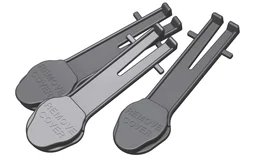
Apply only a pea-sized amount to the bait pedal provided on the ratStop trap. Too much bait allows the animal to feed without triggering the mechanism. If the pedal is damaged or heavily soiled after a catch, you can simply replace it. The matching replacement bait pedals for ratStop are available in a practical 3-pack.
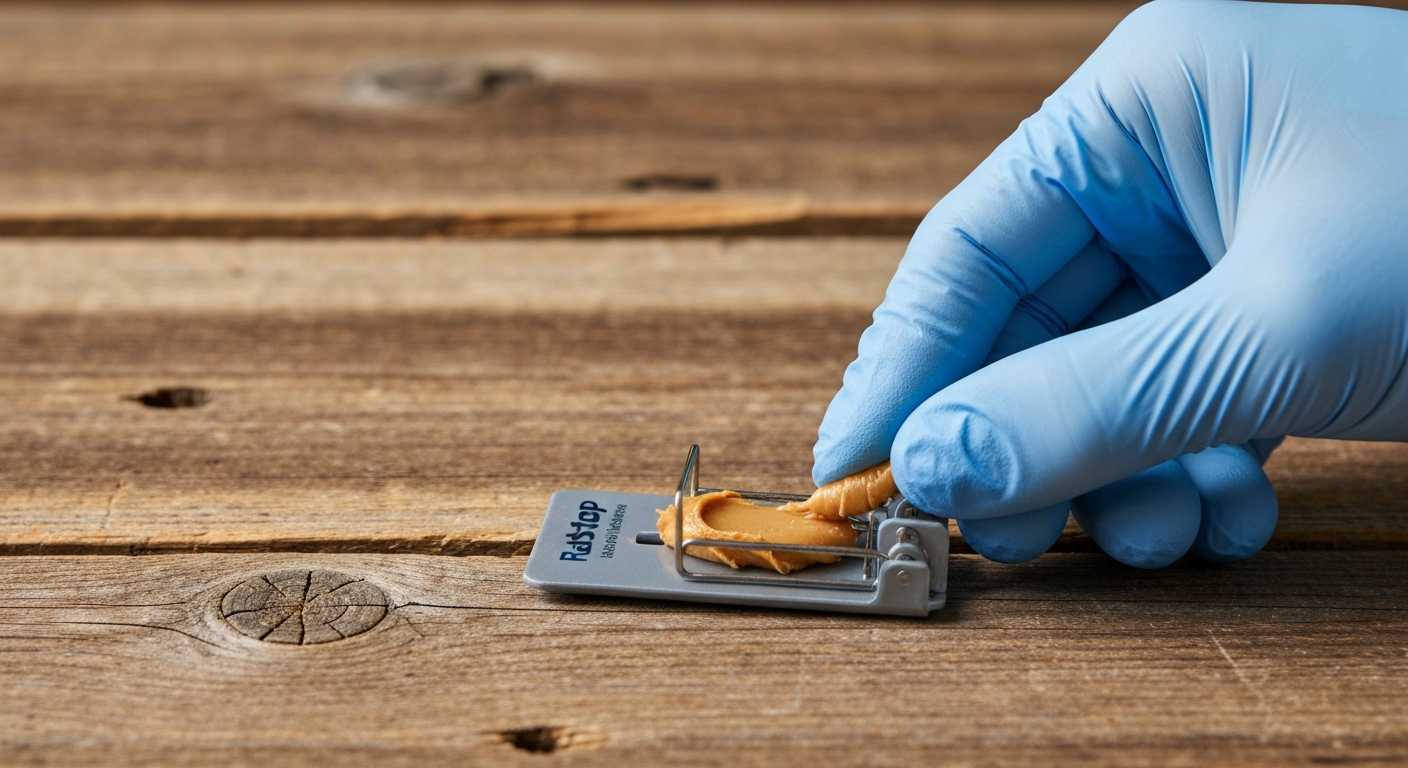
Step 3: Set the ratStop trap safely
Handling the ratStop trap is simple and safe. Proceed as follows:
- Hold the trap at the rear, well away from the snap bar.
- With your other hand, pull the metal bar back through 180 degrees until it is fully tensioned. The bar will audibly click into place.
- The safety pin automatically slides over the snap bar and holds it under tension.
- The trap is now set. Only handle it by the rear section and avoid touching the trigger mechanism.
Step 4: Position and check the trap
Carefully place the set trap in the selected location. Position it at a right angle to the wall, with the bait facing the wall. Check the trap daily, preferably in the morning. Approach carefully to see whether it has been triggered.
Additional advice
Be patient. Because of their neophobia, rats may avoid the trap for one or two days. You can also place the trap unset for a few days so the animals can get used to it. Put a little bait in front of the trap to build trust.
What to do after a successful catch
A successful catch requires hygienic and safe disposal. This protects you from pathogens.
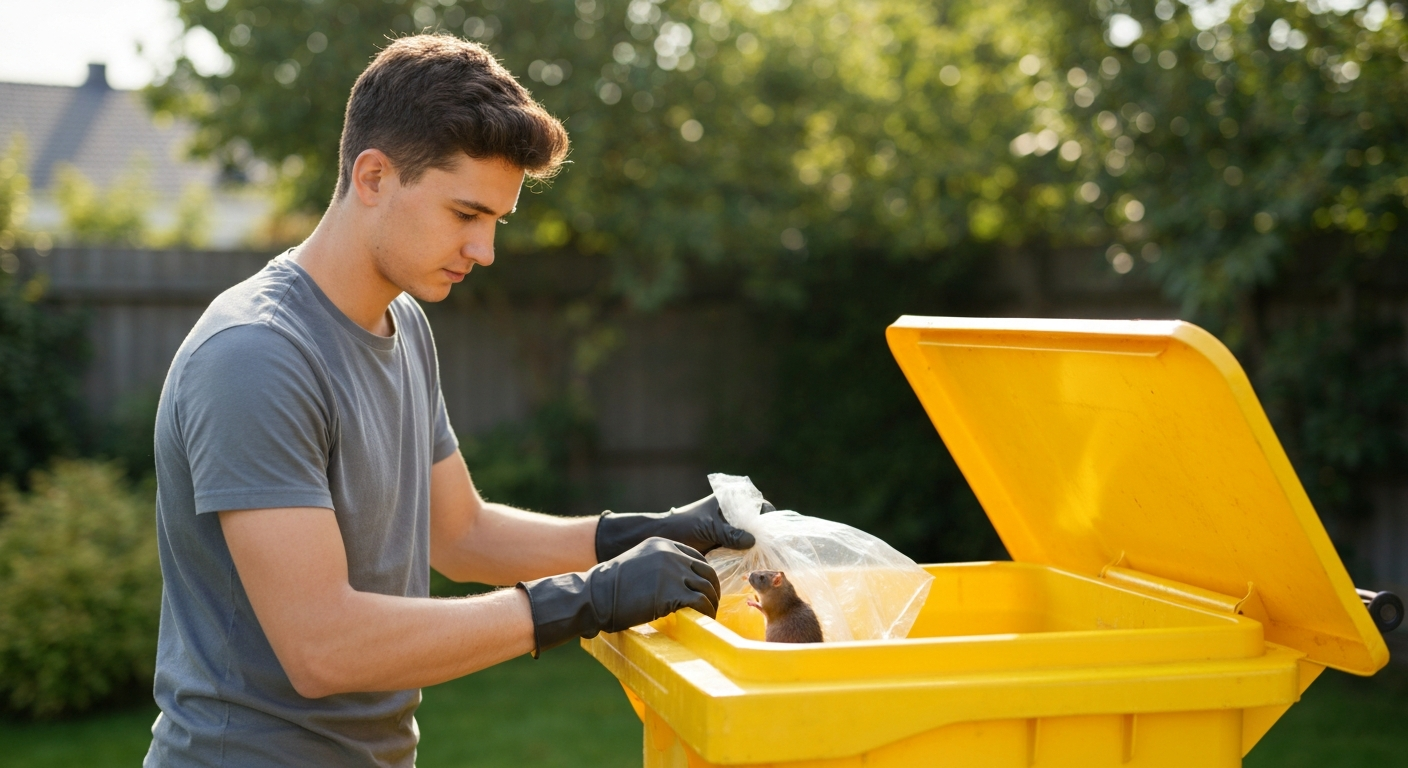
Always wear thick gloves. Pick up the trap and hold it over a bin bag. Push the snap bar back to release the animal. Tie the bag securely and place it inside a second bag before disposing of it with general waste. Check your local regulations.
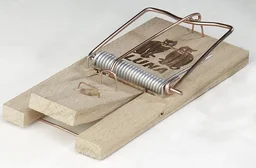
The ratStop rat trap is reusable. Clean it thoroughly with hot water and a brush after a catch. Avoid harsh cleaning products, as their smell may deter rats. You can then rebait and set the trap. If you want to avoid cleaning, you can use the classic wooden rat trap, which is inexpensive and can simply be disposed of completely when needed.
Prevention: How can I prevent another rat infestation?
Traps are an effective way to control rats, but prevention is the best strategy. Make your home and garden unattractive to rats to prevent another infestation.
Seal off access points
Inspect your house from the foundations to the roof. Rats need only a gap the size of a 2-euro coin to get inside. Seal all cracks, gaps and holes in masonry, around pipe penetrations or beneath the roof with steel wool, mortar or close-mesh wire netting.
Remove food sources
Rats settle wherever they find food. Remove this source of nourishment:
- Store food, pet food and seeds in tightly sealed containers made of metal or hard plastic.
- Do not leave pet food outside overnight.
- Secure compost heaps and use enclosed systems.
- Use bins with firmly fitted lids. You can find robust models in our business supplies category.
Eliminate hiding places
An untidy garden or basement offers rats ideal hiding places. Keep things tidy to deprive them of their habitat. Keep your Garden + Outdoor area clean, cut back low-growing shrubs and store firewood away from the house wall. Remove clutter from the basement and shed.
Sustainable pest control always begins with prevention. A clean, well-maintained environment is the most effective barrier against any pest.
Controlling rats requires consistency and the right strategy. With the ratStop rat trap, you have an effective tool at your disposal. By positioning the trap correctly, using the right bait and checking it consistently, you can solve the problem reliably. Combine traps with preventive measures to keep your home free from rodents in the long term. In our pet supplies range, you will find further solutions for pest control.
Frequently asked questions
- What is the best bait for rat traps?
- Use strongly scented, sticky bait with a high fat and protein content. Peanut butter, chocolate-hazelnut spread or bacon are excellent choices. They stick well to the trap and reliably attract rats. Contrary to the popular stereotype, cheese is less effective.
- Where should I place a rat trap?
- Always place rat traps directly against walls or in sheltered corners. Rats avoid open spaces and use their whiskers to navigate along solid edges. Look for tracks, droppings or gnaw marks to identify the exact routes the animals use.
- How often do I need to check the rat trap?
- Check the trap at least once a day. A quick catch and prompt disposal are important for animal welfare and hygiene reasons. Checking the trap daily also allows you to replace the bait if necessary or adjust the trap's position.
- My rat trap is not snapping shut. What can I do?
- Check the bait. Is it fresh and attractive? Try a different bait, such as peanut butter. Also check the location. The rats may be avoiding the area. Move the trap to another wall or a place with fresh signs of rat activity.
- Is the ratStop trap reusable?
- Yes, the PRODUCT_72885 rat trap "ratStop" is made from robust plastic and designed for repeated use. After each catch, clean the trap thoroughly with hot water and a brush before baiting and setting it again.
You may also be interested in
- Setting up a rat trap: Effective methods for dealing with rodents in the home
- How to safely set up a mole trap: The guide
- How to get rid of rats in the garden: Effective methods
- How to set up a solar animal repeller: Your guide to an animal-free garden
- How to use caterpillar glue: The step-by-step guide
- How to use Schimmelstop correctly: The professional guide