
In brief: To sharpen knives properly, choose the right method, such as a whetstone or wet grinder. Hold a consistent angle of 15-25 degrees, depending on the type of blade. Work from a coarse to a fine grit until a burr forms, then remove it. Regular honing helps maintain sharpness.
A dull knife is more than just an annoyance. It is inefficient and dangerous. Whether you are cutting vegetables in the kitchen, working with wood in the workshop or trimming the hedge in the garden, a sharp blade delivers clean results and requires less effort. This improves both the quality of your work and your safety. Learn the basics here to sharpen your knives and tools yourself and keep them ready to use for years to come.
Why is a sharp knife so important?
The importance of a sharp blade is often underestimated. It is the foundation of precision and safety for countless tasks around the home, workshop and garden. A sharp tool is a good tool.
Greater safety at work
A dull knife can easily slip off hard surfaces instead of cutting into them. You have to apply more pressure, which reduces your control over the blade. This can lead to uncontrolled movements and a significantly higher risk of injury. A sharp blade, on the other hand, grips the material right away. It makes a precise cut with minimal effort.
A sharp knife is a safe knife. A dull knife is just waiting to slip and injure you.
Efficiency and clean results
With a sharp blade, you work faster and get less tired. In the kitchen, a sharp chef's knife glides effortlessly through tomatoes without crushing them. In the garden, sharpened pruning shears make a smooth, clean cut that causes less damage to the plant and promotes faster healing. Dull garden tools, on the other hand, fray and crush plant tissue, making it more susceptible to disease.
Longer tool life
Regular maintenance, including sharpening, significantly extends the life of your tools. Instead of replacing a dull knife, invest a few minutes in maintenance and keep it working properly for years. This not only saves money but also helps protect the environment.
What tools can you use to sharpen knives?
There is a wide range of sharpening tools to choose from. The right one depends on the type of blade, your experience and the result you want to achieve. Sharpening methods generally fall into two categories: manual and electric.
Manual sharpening methods
Manual methods give you complete control over the process. They take some practice, but when used correctly they produce excellent results.
Honing rod: A honing rod does not sharpen a knife in the strict sense; it realigns the blade's fine edge, a process known as honing or stropping. Regular use helps maintain sharpness for longer, so you need to do a full sharpening less often.
Whetstones: The classic choice for precise results. Whetstones are available in different grits. A coarse grit (e.g. under 1000) removes material and reshapes the edge on very dull blades. Medium grits (1000 to 3000) create a usable edge. Fine grits (over 3000) polish the edge for a razor-sharp finish.
Pull-through sharpeners: These devices are easy to use and well suited to beginners. Pull the blade through preset grinding wheels or ceramic rods. The drawbacks are the fixed angle and often substantial material removal. They work well for everyday spatulas and knives.
Electric sharpening tools
Electric devices take much of the work out of sharpening and deliver good results quickly. They are ideal when you need to sharpen several knives or larger tools.
Important note
Dry, high-speed electric sharpeners can overheat the blade. This can cause the steel to lose its hardness (its temper), meaning the edge will become dull again quickly. Always use light pressure and cool the blade from time to time.
Electric knife sharpeners: Compact kitchen devices with rotating grinding wheels. They are quick and easy to use, but often give you little control over the sharpening angle.
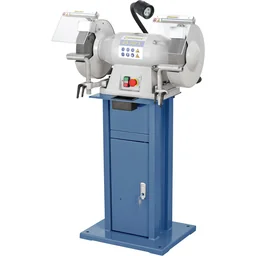
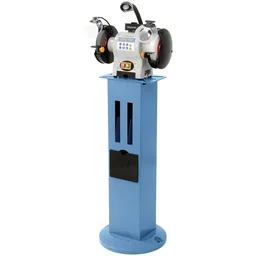
Wet grinders: These professional machines are the best choice for high-quality tools. A slowly rotating grinding wheel runs through a water bath. The water continuously cools the blade, prevents overheating and captures the grinding dust. Machines such as the Bernardo Tabletop Sharpener
or the more powerful model deliver precise, long-lasting results. The is a more compact option for smaller workshops. These power tools are an investment in the life of your entire tool collection.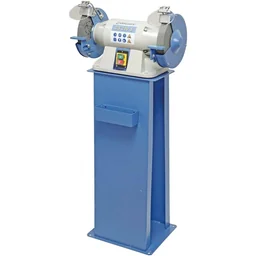
How do you find the right sharpening angle?
The sharpening angle is crucial for your blade's sharpness and edge retention. A smaller angle creates a very sharp but also more delicate edge. A larger angle produces a more durable but less refined edge. The angle is always measured per side, so a 20-degree angle means 20 degrees on each side, resulting in a total edge angle of 40 degrees.
- 15-17 degrees: For fillet knives, razors and Japanese kitchen knives. Maximum sharpness for very fine cuts.
- 18-22 degrees: The standard for most European kitchen knives. A good compromise between sharpness and durability.
- 25-30 degrees: Suitable for pocket knives, hunting knives and durable hand tools that need to withstand more wear.
- Over 30 degrees: For axes, hatchets and machetes. Durability is the clear priority here.
Pro tip
To find a blade's existing angle, use the “Edding trick”. Colour the cutting edge on both sides with a black permanent marker. Then make a few sharpening strokes at the estimated angle. Check the edge: if the colour comes off only at the shoulder of the bevel, your angle is too shallow. If it comes off only at the very edge, the angle is too steep. The angle is just right when the colour comes off evenly across the entire bevel.
Guide: How to Sharpen a Knife with a Whetstone
Sharpening with a whetstone is the most traditional and versatile method. With a little practice, you can get excellent results.
Step 1: Prepare the Stone
If you’re using a water stone, soak it in water first. Most Japanese whetstones need to be soaked until no more air bubbles rise to the surface. Place the stone on a non-slip surface, such as a damp cloth or a dedicated holder. Keep a small container of water nearby to keep the stone moist as you sharpen.
Step 2: Sharpen on the Coarse Side
Start with the coarse side of the stone. Hold the knife against the stone at the desired angle. As a rule of thumb, the thickness of two coins stacked on the stone gives you an angle of around 15-20 degrees. Move the blade across the stone from heel to tip with light pressure, as if you were trying to slice a thin layer off the stone. Repeat this about 10-15 times.
Step 3: Check for a Burr and Switch Sides
Carefully run your finger along the side of the blade opposite the stone. You should feel a fine, folded-over edge—the burr. It shows that you’ve removed enough material from the first side. Once you can feel the burr along the entire length of the blade, switch sides and repeat the process until the burr moves to the other side.
The ability to sharpen a blade transforms a simple tool into a precise extension of your hands and your will.
Step 4: Sharpen on the Fine Side
Now switch to the fine side of the whetstone. Repeat the process with less pressure. Fine sharpening removes the scratches left by coarse sharpening, polishes the edge and minimises the burr. Keep the stone moist.
Step 5: Strop and Test the Blade
To remove any remaining burr, draw the blade over a leather strop or a piece of hardwood a few times. Alternatively, carefully draw the blade through a wine cork. To test the edge, try cutting paper: a sharp knife should glide through a sheet of paper cleanly and effortlessly.
How Do You Care for Knives and Tools Properly?
Even the sharpest edge is of little use if the blade isn’t cared for properly. A few simple habits will help your knives and tools last longer and stay sharp.
- Cleaning: Always hand-wash knives with warm water and a little dish soap. The harsh detergents and high heat in a dishwasher can damage the steel and dull the blade.
- Drying: Dry your knives and tools thoroughly as soon as you’ve cleaned them. This helps prevent flash rust and corrosion.
- Storage: Never store knives loose in a drawer. The blades can knock against each other and become dull. Use a knife block, magnetic strip or blade guard instead.
- Cutting surface: Always use a wooden or plastic cutting board in the kitchen. Glass, stone and metal surfaces can damage any sharp blade.
Additional advice
Pay attention to the blade steel. Carbon steel knives (not stainless steel) are often very sharp and easy to sharpen, but they need more care. Clean and dry them immediately after every use, and occasionally rub them with an acid-free oil (e.g. camellia oil) to help prevent rust.
Sharpening your own knives and tools gives you greater independence and a better understanding of your equipment. A sharp tool is a pleasure to use and helps you get clean, safe results. Take the time to sharpen it—you’ll be glad you did.
Frequently Asked Questions
- What is the best angle for sharpening a knife?
- 15-17 degrees is ideal for Japanese kitchen knives and fillet knives. European chef’s knives need an angle of 18-22 degrees for a good balance of sharpness and durability. Sharpen pocket and outdoor knives at 25-30 degrees, while axes and machetes need a sturdy angle of over 30 degrees.
- How often should you sharpen your knives?
- It depends on how often you use the knife and the quality of its steel. Ideally, hone a chef’s knife before each use and sharpen it every few months. Sharpen tools such as garden shears and pruning shears as needed, or at least once per season, to ensure clean cuts.
- What’s the difference between sharpening and honing?
- When honing (or stropping), you realign the blade’s fine, folded-over burr with a honing steel without removing material. This helps maintain the edge. Sharpening removes material with a whetstone to create a new, sharp edge.
- Can you sharpen serrated knives yourself?
- Yes, but you’ll need special tools. Use a tapered or round sharpening rod that fits the individual serrations, and work on each one separately. This takes longer than sharpening a plain-edge knife and requires patience and precision.
- Which whetstone should a beginner use?
- A combination whetstone is ideal for beginners. It has two sides with different grits. Use the coarse side (e.g. 400 or 1000 grit) to pre-sharpen the blade and form the edge, then use the fine side (e.g. 3000 or 6000 grit) to polish and strop it.
You might also be interested in
- How to Sharpen Knives Properly
- Sharpening Knives with the WNS45: The Perfect Edge for Every Knife
- Trimmer Blade Care and Sharpening: Make It Last Longer and Cut Better
- How to Sharpen Garden Shears: Get Your Tools Back in Top Shape
- Dull Utility Knife Blades? 5 Tips for Longer-Lasting Sharpness
- How to Sharpen a Chainsaw Properly: Step-by-Step Guide