
In brief: The key rule for sorting household waste is: sort it correctly, don't sort it again. Focus on the four main categories: paper, glass, packaging, and food and yard waste. Everything else goes in the trash. A clear system with separate bins placed where waste is generated makes sorting part of your routine and significantly increases the recycling rate.
How to Sort Household Waste: One Simple Rule
A clear system saves time and helps protect the environment. This simple rule makes sorting easy.
Why is it worth sorting household waste correctly?
Proper recycling keeps materials in circulation. Old paper becomes new paper. Glass is turned into new glass. Plastics become granules for new products.
Every ton of incorrectly sorted waste disrupts this process. It increases costs and reduces the amount that can be recovered. Your care makes a direct difference.
You can also avoid unnecessary trash disposal fees. The more waste you sort separately, the less ends up in the trash can.
What is the simple rule?
Consistently separate the four main categories from one another: paper, glass, packaging, and food and yard waste.
Anything that does not fit into these groups goes in the trash. This clear rule makes the decision easier every day.
Pro tip
Place collection bins where waste is generated. A small paper bin by your desk and a food scraps container in the kitchen cut down on trips and make it easier to sort as you go.
Products such as those in the Garden + Outdoor section offer practical solutions for collecting waste outdoors.
The four main categories in detail
Paper and cardboard: Newspapers, magazines, cardboard boxes, and writing paper. Do not include coated paper such as photo paper or drink cartons.
Glass: Beverage bottles and canning jars. Sort by color. Put lids in the recycling bin separately.
Packaging: Packaging made from plastic, metal, and composite materials. This includes yogurt cups, cans, and shampoo bottles. Follow your local recycling guidelines.
Food and yard waste: Fruit and vegetable scraps, coffee grounds, eggshells, and yard trimmings. Collect them in compostable paper bags.
Which bins are best for sorting waste?
Choosing the right bin is crucial. It should suit the amount of waste you produce and be easy to clean.
A dual-compartment kitchen bin separates trash and food scraps or recyclable packaging from the outset. Models such as the
or the provide this solution with two 25 L compartments.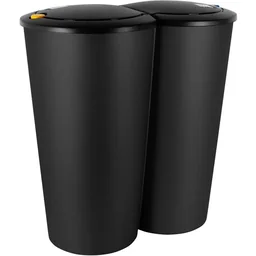
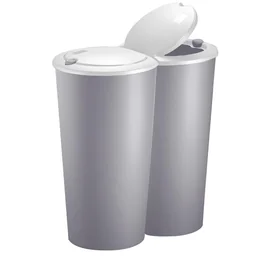
For outdoor areas, large, sturdy bins are essential. In the Business Supplies section, you can often find suitable models for commercial or heavy-duty home use.
The biggest obstacle to recycling is not knowledge but convenience. A well-designed collection system in the kitchen overcomes this obstacle.
Practical products for everyday use
Other products can also be useful alongside recycling bins. The
, a table mat set made from recycled wood, shows how waste can become attractive and useful items.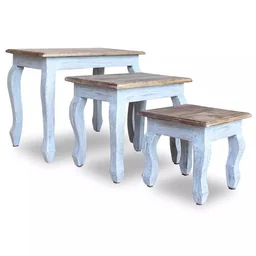
For gardening, which often produces food and yard waste and green trimmings, the Garden Tools section offers practical accessories such as compost bins and shredders.
Important note
Plastic bags don't belong in food and yard waste. Even compostable plastic bags don't break down quickly enough at most composting facilities and have to be removed as contaminants. Use newspaper or special paper bags instead.
How should I handle hard-to-recycle items?
Not all waste is easy to sort. For these items, follow clear guidelines.
Coated paper: Drink cartons and thermal paper receipts belong in the trash or, where accepted locally, in the recycling bin.
Dirty packaging: Very dirty yogurt cups or greasy aluminum trays belong in the trash so they don't contaminate other recyclables.
Used medications and e-waste: These belong neither in household trash nor in the recycling bin. Take them to a pharmacy or recycling center.
The quality of recycled material depends on how clean separately collected waste is. Every contaminant costs money and reduces its recyclability.
The role of reusable products and waste prevention
The best waste strategy is prevention. Choose reusable bottles instead of single-use ones.
Buy loose fruit and vegetables. Bring your own bags. These steps reduce the amount of waste you need to sort in the first place.
Sturdy nets and tarps from the Tarpaulins + Nets section are useful for shopping and transport and can be reused again and again.
Additional advice
Check your local regulations. The exact rules for recycling bins and hazardous waste collection may vary by city or county. Your local government or waste management company website will provide reliable information.
How do I set up a simple waste-sorting system at home?
Start by taking stock. What types of waste do you generate, and where?
Then set up collection points. A small paper recycling bin in your home office, a
as a dual-compartment bin under the sink.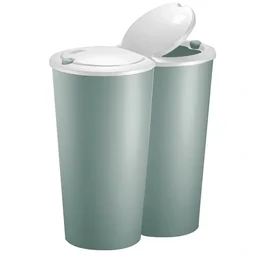
Explain the simple four-category system to everyone in your household. Make sorting waste second nature.
Check your trash after a month. Has the amount gone down? Then your system is working.
Long-term benefits for your garden and the environment
Sorting waste consistently does more than conserve natural resources. It also has a direct impact on your garden.
Compost made from food scraps improves the soil. High-quality recycling reduces the energy needed to make new products.
In the Fertilizer section, you will find more products for sustainable soil care that fit right in with the circular approach to recycling.
Put this simple rule into practice. You will create order, save money and make a tangible contribution to protecting the environment.
Frequently Asked Questions
- What are the most common waste-sorting mistakes?
- The most common mistake is mixing materials, such as putting coated paper in the paper recycling bin or dirty yogurt cups in the recycling bin. “Wishcycling”—putting items in the recycling bin in the hope that they will be recycled—is also a problem. It contaminates recyclable materials.
- Should I rinse containers before recycling them?
- No, scraping them clean with a spoon is enough. Remove food residue, but there is no need to rinse them thoroughly with hot water—that wastes resources. For heavily soiled containers, such as an oil can, put them in the trash to avoid disrupting the recycling process.
- Can pizza boxes go in the recycling bin?
- It depends on how dirty they are. If a box is greasy, put it in the trash because grease can interfere with paper recycling. Clean, dry lids or uncontaminated pizza boxes can go in paper recycling. When in doubt, remember: heavily soiled means trash.
- What should never go in the compost bin?
- Plastic bags, including so-called compostable plastic bags, do not belong in the compost bin. They do not break down quickly enough. Ash, cat litter, vacuum cleaner bags and treated wood are also unsuitable. These contaminants pollute valuable compost and must be painstakingly removed.
- Can I recycle all types of glass together?
- No. Sort glass by color: clear, brown and green glass should go in separate containers. Blue or red glass usually goes with green glass. Empty glass containers, but put metal lids in the recycling bin separately. Porcelain, window glass and drinking glasses do not belong in glass recycling containers; put them in the trash instead.
You may also be interested in
- Household recycling: How to sort waste for a more sustainable everyday life
- Zero-waste living at home: Simple tips for everyday life
- Recycling center: How to dispose of waste properly
- How to dispose of electronic waste: A practical guide
- Declutter your home: Tips for staying organized
- How to organize your home and keep it clutter-free