
In brief: Protect your drain pipes from tree roots by planting trees a safe distance away, scheduling regular inspections, and using preventive treatments such as Wurzel-Weg. These steps help keep fine feeder roots from entering pipe joints and causing serious blockages or damage. Acting early is essential.
A beautiful old tree in your yard is a welcome sight. Its shade keeps you cool in summer, and its presence brings a sense of calm. But an invisible threat to your home lurks underground: tree roots. Constantly searching for water and nutrients, they can grow into your drain pipes, causing stubborn blockages and costly damage. The problem often goes unnoticed until water starts backing up in the sink. You don't have to wait for an emergency, though. With a little planning and regular maintenance, you can protect your pipes.
Prevention is the best way to stop roots from getting into your pipes. Take action early instead of waiting for trouble to start. One simple but effective step is to treat your drain pipes regularly. Special treatments can stop roots from getting in before they turn into a major blockage.
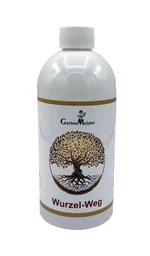
For this purpose, we recommend : Wurzel-Weg. This treatment is designed to dissolve fine feeder roots inside pipes and help prevent them from growing back. Used regularly, it helps keep your pipes clear without harming the tree in your yard. It's your first line of defense against one of the most common causes of drain blockages.
How can you tell if tree roots have grown into your drain pipes?
Roots grow slowly and out of sight. The first signs are often subtle and easy to mistake for a minor blockage. Knowing what to look for can help you catch the problem early.
Early warning signs inside your home
Your drains can be the first sign of a deeper problem. Don't ignore these symptoms:
- Slow-draining water: Water in the shower, sink, or toilet drains noticeably more slowly than before. This often happens gradually over weeks or months.
- Gurgling sounds: Do you hear strange bubbling or gurgling from the drains, especially after flushing the toilet or pulling the plug from a full bathtub? This can be a clear sign that an obstruction is disrupting the flow and displacing air in the system.
- Unpleasant odors: Foul, sewage-like smells from the drains can mean waste is trapped in the pipe and decomposing.
- Several affected drains: If more than one drain in your home is causing problems at the same time, the blockage is probably farther down the main sewer line—a common place for roots to get in.
Signs in the yard
You may also spot clues outside your home that point to a root problem in your home drainage system:
- Unusually green patches in the lawn: If a strip of lawn above the suspected pipe suddenly looks greener and more lush than the rest, nutrient-rich wastewater escaping from a leak could be the cause.
- Depressions in the ground: Small, unexplained dips or sunken areas in the yard may indicate that water has washed away the soil around a pipe or that the pipe has broken.
- Visible tree roots: Pay attention to the trees on your property. Are their roots growing near your home's foundation or along the known route of your drain pipes? That significantly increases the risk.
Many homeowners don't notice a root problem until the basement floods. Catching it early by watching for slow drains or unusual noises can save thousands of euros in repair costs.
How do tree roots get into pipes in the first place?
Plant roots are experts at finding resources. Their main goal is to absorb water, oxygen, and nutrients. To a root, a drain pipe is like an oasis in the desert. Even the smallest cracks, leaking joints, or porous areas in older pipes can let water vapor escape. A tree's fine feeder roots can detect this slight difference in moisture.
Once a root finds a source of moisture, a tiny pioneer root grows toward the leak. It's thin enough to push through even the smallest opening. Inside the pipe, it finds an ideal environment: a constant flow of water and nutrients. The root quickly branches out and forms a dense network. This web grows thicker and catches toilet paper, hair, grease, and other solids. Over time, it creates a massive blockage that can become almost cement-like.
Important note
Roots do more than cause blockages. As they grow, they put enormous pressure on the pipe material. They can widen cracks, push joints apart, and even cause older clay or concrete pipes to burst. A simple backup can turn into a major pipe break.
Older sewer pipe systems made from materials such as clay, cast iron, or concrete are especially vulnerable. Their push-fit joints are often not completely watertight, making them ideal entry points for roots. Modern plastic pipes, such as those made from PVC or PP, have welded or firmly bonded connections and are much more resistant. Modern PP PE pipe fittings also provide a high level of protection when installed correctly.
Prevention is the best protection: What can you do proactively?
Planning ahead is key to protecting your pipes. Combining smart garden design with regular maintenance is the most effective way to prevent root intrusion from the start.
Choose the right trees to plant
It all starts with choosing the right tree and the right location. Before planting a tree, find out about its root system. Shallow-rooted trees with aggressive, far-reaching roots, such as willow, poplar and birch, are a common cause of pipe problems. Keep these trees at least 10 meters away from all pipes. Deep-rooted trees such as oak or pine are often less problematic, but caution is still advised. Keeping your distance is the best protection.
Regular pipe maintenance and inspections
Think of maintaining your sewer pipes as part of your annual home maintenance, just like cleaning the gutters. An annual preventive application of : Wurzel-Weg can kill fine roots that may have already taken hold at a pipe joint before they grow into a dense mass. This helps keep the system clear over the long term.
Pro tip
Apply Wurzel-Weg late in the evening, just before bed. This gives the product several hours to work undiluted in the pipes overnight, when very little water is flushed through. Flush it down the toilet closest to the main drain line, usually on the ground floor.
Proper tree care
A healthy, well-maintained tree has less reason to send its roots on a long, aggressive search for water. Water your trees enough during extended dry spells, especially while they are young. Targeted fertilizing around the tree’s root zone, well away from the pipes, helps ensure the tree finds nutrients where it should. If you remove larger branches or surface roots, seal the cut surfaces to protect the tree from disease. Tree wound dressings such as : "Lac Balsam" New, 385 g or, for larger projects, the 1-kg pack : "Lac Balsam" New,1 kg. A healthy tree is less likely to cause problems.


What should you do if roots are already in the pipe?
If you suspect a root-related blockage despite taking precautions, act quickly. The right approach depends on how severe the intrusion is.
Chemical treatment as a first step
For early root intrusion or after mechanical cleaning, chemical treatment is a good next step. A product such as Wurzel-Weg breaks down fine root structures and helps prevent rapid regrowth. It is minimally invasive and is often enough to clear minor blockages and restore the pipe to full working order.
Mechanical root removal is often only a temporary fix. Without follow-up treatment to prevent regrowth, the problem often returns within one or two years.
Mechanical removal
For a severe, solid blockage, chemical treatment alone is no longer enough. A professional will need to use specialized equipment. They typically use an electromechanical drain-cleaning cable fitted with a special root-cutting head to cut the root mass out of the pipe. Another option is hydro jetting, which uses an extremely high-pressure stream of water to cut roots out of the pipe and flush them away.
Additional advice
The best long-term strategy combines both methods: Have a professional remove the blockage mechanically, then treat the system preventively once or twice a year with a root inhibitor to help stop roots from growing back. That way, you benefit from the strengths of both methods.
When nothing else works: Pipe renovation
If roots have already badly damaged or destroyed the pipe, renovation is the only option. That does not always mean digging up the entire yard. With the cured-in-place pipe method, a resin-impregnated fabric liner is inserted into the old, cleaned pipe and cured in place. This creates a completely new, seamless “pipe within a pipe.” If the damage is too extensive, the only option is to replace the damaged pipes. This is the most time-consuming and expensive solution—and a good reason to stay on top of prevention.
Protecting your sewer pipes from root intrusion is an ongoing task, not a one-time project. With thoughtful garden design, attention to warning signs and simple, regular maintenance using the right products, you can avoid stress, mess and high costs. Act today to help keep your pipes flowing freely tomorrow.
Frequently Asked Questions
- How often should I have my pipes checked for roots?
- An annual inspection is ideal, especially if you have large trees near your pipes. Look out for slow drainage or gurgling noises. Preventive treatment in spring or autumn can effectively stop early root growth before it becomes a problem.
- Will a root remover harm my trees?
- No, when used correctly in the pipe, a product such as Wurzel-Weg will not harm the tree. It specifically targets the fine roots that have already entered the pipe. The tree's main root ball in the soil remains untouched and healthy.
- Which trees are particularly dangerous for pipes?
- Willows, poplars, maples and birches have particularly aggressive, water-seeking roots. These trees should only be planted well away from pipes. Trees with taproots, such as pines and oaks, are less problematic, but caution is still advised.
- Can I remove roots from pipes myself?
- You can often treat early growth of fine roots yourself with chemical products. However, in the case of severe blockages or if you are unsure, you should consult a professional for mechanical pipe cleaning or a camera inspection.
- What is the difference between chemical and mechanical pipe cleaning for roots?
- Chemical treatment dissolves fine roots and prevents them from growing back. Mechanical cleaning, e.g. with a drain snake, cuts through large root balls in the pipe. A combination of both methods is often the most effective approach: clean mechanically first, then follow up with chemical treatment.
You might also be interested in
- Roots in Pipes: The 7 Best Tips for Prevention and Removal
- Wurzel-Weg vs. Alternatives: How to Stop Roots in Pipes
- Wurzel-Weg: Seasonal Pipe Protection – When to Use It
- How to Stop Roots in the Garden: 5 Effective Methods and Instructions
- Blocked Drain? Effective Tips for Cleaning Pipes
- Blocked Toilet: How to Solve the Problem and Prevent It Effectively