
In brief: After harvesting, thoroughly clean your tomato stakes to remove soil and plant debris. Then disinfect them with a vinegar and water solution to kill pathogens. Store the stakes completely dry in a sheltered place, such as a shed or basement, so you can reuse them next season.
The tomato harvest is over, the last fruits have been picked, and the plants are wilting. Now it’s time for an often-overlooked but important part of gardening: cleaning up and getting ready for next season. Your tomato stakes have supported your plants all summer, so give them a little attention. Proper cleaning and storage can extend their life and help protect next year’s plants from disease.
A little effort now can save you money and work in the long run. Instead of buying new supports every year, you can reuse the ones you already have. This is especially true of sturdy metal models. The set of 2 tomato stakes is designed for years of use. Its sturdy construction can support even heavy clusters of tomatoes and, with proper care, last for many seasons.
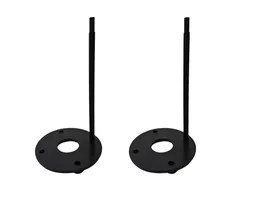
Why is it important to store tomato stakes properly?
Do you pull your tomato stakes out of the soil at the end of the season and lean them against the shed wall? That common mistake can cause problems the following year. Proper care offers clear benefits.
The most important reason is disease prevention. Fungal spores, including those that cause late blight (Phytophthora infestans), can survive the winter on plant debris and clumps of soil stuck to the stakes. If you put dirty stakes back in the ground the following spring, you could infect your young, healthy seedlings right away. That starts the disease cycle all over again. Thorough cleaning and disinfection can break the cycle.
Important note
Don’t use harsh chemical cleaners such as bleach to disinfect your stakes. Residue can remain in the soil and harm soil life and your plants next season. Choose proven, more environmentally friendly options such as vinegar, alcohol or soapy water.
Another important reason is to extend their lifespan. Moisture is the biggest enemy of metal and wooden stakes. Without protection, metal stakes can rust and lose strength. Wooden stakes can become brittle or rot, and may provide shelter for pests over the winter. Even plastic can become brittle from exposure to the elements and UV radiation. Storing your stakes somewhere dry and sheltered helps preserve the material.
Proper care can also save you money. Quality supports are an investment, and maintaining and reusing them helps spread the cost over many seasons. You can start the new gardening year without stress because your garden tools and equipment are ready to use.
Step-by-step guide to cleaning tomato stakes
Cleaning your tomato stakes is a simple three-step process. Set aside some time on a dry fall day. All you need is a brush, water, a disinfectant and a place to dry the stakes.
Remove loose dirt and debris
Start by removing visible plant debris, leaves, ties and large clumps of soil. A sturdy root brush or hand brush with stiff bristles is ideal. An old scraper can help remove stubborn, dried-on clay.
The more thoroughly you clean the stakes at this stage, the more effective disinfection will be. The solution can reach the surface instead of having to work through a layer of dirt first. After brushing, rinse the stakes with clean water. A garden hose or watering can works just fine.
Dirty tools and infected plant material are common sources of recurring plant diseases the following year. Thorough disinfection in the fall is essential.
Disinfect the stakes to stop pathogens
After removing the dirt, take the crucial step to help prevent disease: kill invisible fungal spores and bacteria. Here are a few simple, effective methods:
- Vinegar and water solution: Mix household vinegar (dilute vinegar essence accordingly) with water in a ratio of 1:1. Spray the stakes thoroughly or submerge them in a bucket of the solution. Leave it on for a few minutes, then don’t rinse. The vinegar will evaporate as the stakes dry.
- Alcohol: 70% isopropyl alcohol from a pharmacy is also very effective. Apply it to a cloth and wipe the stakes. This method works especially well for smaller quantities.
- Soapy water: A strong solution made with curd soap or soft soap can also clean and disinfect the stakes. Scrub them with the solution, then rinse thoroughly with clean water.
Let the stakes dry completely
This step is easy to overlook, but it’s vital to keeping your supports in good condition. Never store the stakes while they’re damp. Moisture can cause metal to rust and wood to mold and rot.
Set the cleaned and disinfected stakes in a sunny, well-ventilated spot until they’re completely dry. Depending on the weather, this may take several hours or up to a day. Check spiral stakes carefully to make sure no water is trapped in the coils.
Additional advice
You can use this thorough cleaning process for more than tomato stakes. Clean other supports too, such as trellises, obelisks, bean poles and plant supports. This helps keep your Garden + Outdoor area clean and ready for next season.
How can I spot damage, and when should I replace tomato stakes?
Use the cleaning process to inspect each stake thoroughly. Not every stake makes it through the growing season unscathed. Removing damaged stakes in time can prevent problems next year, when a plant support might break under the weight of a plant laden with fruit.
Checking metal stakes for rust and corrosion
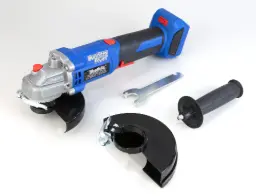
Check metal stakes carefully for signs of rust. Light surface rust is usually just a cosmetic issue. You can remove it easily with a wire brush or sandpaper. For larger areas or stubborn rust, an angle grinder with a suitable brush attachment works well.
The 18 V Angle Grinder BL 125 mm is a powerful tool that makes quick work of rust removal. Once the rust is gone, seal the area with metal-protective paint. Rust becomes a serious problem when it has eaten deep into the material and weakened it. Carefully bend the stake. If it feels weak or bends easily, discard it.
Metal rusts, wood rots, and plastic becomes brittle. Understanding each material and protecting it from its main threats—moisture, UV light, and pests—helps it last for years.
Cracks and rot in wooden and bamboo stakes
Plant supports made from natural materials show different signs of damage. Check wooden stakes for lengthwise cracks, splintering, and, above all, soft, rotten spots. Press your fingernail or a screwdriver into the wood at any suspicious spots. If it gives way, rot has set in. These stakes can no longer provide reliable support and should be removed.
Bamboo stakes can splinter at the ends or turn black and moldy from moisture. The same rule applies: remove any stake that is no longer stable and sturdy.
Signs of wear in plastic stakes
Plastic stakes are weather-resistant, but they don't last forever. Their biggest weakness is the sun's UV rays, which can make the material brittle and prone to breaking over time. Look for fine hairline cracks, fading or other discoloration, and a loss of flexibility. If the plastic creaks or breaks when bent, it has reached the end of its useful life.
Where and how should I store plant supports?
Once you've finished cleaning and inspecting your stakes, it's time to store them. Choosing the right location and storage method helps protect them through the winter and ensures your maintenance wasn't in vain.
Choosing the right storage location
The most important thing to look for in a storage location is that it stays dry. Moisture is the main enemy of almost all materials. Good options include:
- Garden shed: A classic choice that protects stakes from rain and snow.
- Garage: Also offers great protection. Just make sure the stakes are out of the way.
- Dry basement: A good option if your basement doesn't have moisture problems.
- Covered patio or carport: A temporary solution if you don't have an enclosed space. Cover the stakes with tarps + nets to protect them from blowing snow and wind-driven rain.
Avoid leaving plant supports outside in the garden or placing them directly on a damp basement floor.
Pro tip
Group your plant supports by type and year of use. Label each bundle with a waterproof marker on a tag, such as "Tomatoes 2023" or "Cucumbers 2023." This makes it easy to rotate your stakes the following year and avoid growing the same plant family in the same spot with the same stakes, helping keep your soil healthy.
Practical ways to store plant supports
An organized storage area saves time and frustration in spring. Instead of leaving stakes loose in a corner where they can fall over and get mixed up, try one of these storage methods:
- Bundle and hang: Group stakes of the same length and tie them securely with string. Hang the bundles from hooks on the wall or ceiling. This saves space and allows air to circulate.
- Store horizontally: Two or three shelf brackets mounted on the wall, or a set of sturdy hooks, provide an ideal place to store bundles horizontally.
- Use a storage container: Long, narrow crates or even an old rain barrel can hold plant supports upright. Make sure the container has an open or perforated bottom so any moisture can drain away.
Beyond seasonal care: what else can I do?
There are a few other ways to care for your plant supports and extend their useful life.
Wooden stakes that are still in good condition can benefit from a natural wood-preserving oil, such as boiled linseed oil. Apply a thin coat with a cloth. The oil soaks into the wood, helps repel water, and protects it from drying out.
After removing rust from metal stakes, seal them with the metal-protective paint or zinc spray mentioned earlier. This helps prevent new corrosion and makes the stakes look like new again.
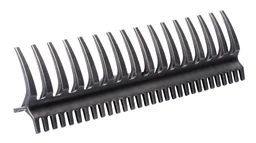
Make caring for your plant supports part of your fall garden cleanup. When you're already raking leaves with a rake such as the 2 in 1 XXL Garden Rake and preparing your garden beds for winter, set aside time to care for your tools, too. A clean, organized garden shed is a great way to start the next gardening season.
With regular care, you can turn tomato stakes from a disposable item into durable, long-lasting equipment that supports your tomato plants for years to come.
Frequently Asked Questions
- Do metal tomato stakes need to be cleaned differently from wooden ones?
- Yes. The material matters. You can remove rust from metal stakes with a wire brush. Check wooden stakes for rot and splinters, and treat them with linseed oil if needed. Check plastic stakes for signs of brittleness. The basic cleaning and disinfection process is the same for all materials.
- What is the best disinfectant for tomato stakes?
- A 1:1 mixture of household vinegar and water is an environmentally friendly and effective option. Alternatively, 70% isopropyl alcohol works well. Both kill most fungal spores and bacteria without leaving harmful residues for the next growing season.
- Can I still use rusty tomato stakes?
- Light surface rust is harmless and can be removed with a wire brush. If the rust is severe or deep enough to affect the stake's stability, replace it. A heavily corroded stake could break under the weight of a tomato plant and put your harvest at risk.
- Where should I store tomato stakes over winter?
- Choose a dry, well-ventilated place sheltered from the elements, including rain and snow. A garden shed, garage or dry basement is ideal. Keep the stakes off damp ground to prevent mould and corrosion.
- Why should I clean tomato stakes?
- Fungal spores, especially those that cause tomato blight, can survive winter on old plant debris and clinging soil. If you reuse unwashed stakes the following year, they can reinfect healthy tomato plants. Cleaning your stakes is an important way to protect your plants.
You might also be interested in
- 5 ingenious tips for your tomato stakes: Higher yields, less work
- Tomato stakes vs. trellis: Which support is best for your tomatoes?
- When to put in tomato stakes: The perfect time
- Make ground anchors last longer: How to create sturdy lawn edging
- Caring for steel ground anchors: How to keep them rust-free and durable
- A long-lasting garden kneeler: How to care for your garden helper