
In brief: Keep your harvest fresh longer by storing only undamaged produce, giving each food the right temperature and humidity, and checking your supplies regularly. Store fruit and vegetables separately, wash them just before eating, and remove any rotting produce right away. This helps prevent mold, drying out and unnecessary waste.
Keep your harvest fresh longer by storing only undamaged produce, giving each food the right temperature and humidity, and checking your supplies regularly. Store fruit and vegetables separately, wash them just before eating, and remove any rotting produce right away.
A plentiful garden harvest deserves careful storage. If you simply put carrots, apples, potatoes, herbs and onions in a box, they can lose quality in just a few days. Proper preparation makes all the difference to flavor, texture and shelf life.
Temperature is not the only factor that matters when storing food. Harvest time, moisture, air circulation, ripeness and the right container also affect how well it keeps. A few simple routines can help you keep your harvest organized and avoid unnecessary waste.
Why does harvest time affect shelf life?
Storage starts in the garden. Harvest vegetables on a dry day once they reach their typical size and firmness. Wait for the morning dew to dry, and avoid bringing wet crates into the cellar.
Carefully lift root vegetables from the soil instead of pulling them out by their leaves. Place apples, pears and tomatoes in a basket without dropping them. Bruises may look harmless at first, but they can quickly turn into rotten spots during storage.
Sort your harvest before storing it
Sort your harvest as soon as you pick it. Store only firm, dry and undamaged produce. Use overripe fruit, nibbled vegetables and produce with open cracks first.
Separate produce by ripeness. A ripe apple can make nearby fruit ripen faster. Store small quantities of different varieties in separate crates, and label each crate with the variety and harvest date.
- Undamaged: no bruises, cracks or punctures.
- Dry: no wet soil or condensation on the skin.
- Firm: the fruit does not give when pressed gently.
- Same variety: keep produce with similar ripeness and storage needs in one container.
“Wash fruit and vegetables just before eating.”
How do you prepare fruit and vegetables for storage?
Do not wash your harvest before storing it. Water removes the natural protective layer and can collect in cracks or around the stem. Instead, brush off coarse dirt with a soft brush or dry cloth.
For carrots, beets, parsnips and radishes, twist or cut off the leaves. Leave a short stem and take care not to damage the root. Otherwise, the leaves will continue to draw moisture from the roots.
For pumpkins, leave as much of the stem attached as possible. A hard, undamaged rind protects the flesh. Store pumpkins in a dry place, and do not put them directly on a cold concrete floor.
Which containers are suitable for storing a harvest?
Use crates, baskets or perforated boxes that let air circulate. Arrange delicate fruit in a single layer. You can store root vegetables in several loose layers with dry sand, as long as the sand is clean and free of fertilizer.
The harvest basket
is ideal for small quantities, berries and freshly picked vegetables. Stackable options such as the save space and make it easier to sort produce by variety. With the you can divide your harvest among several containers and take only what you need from storage.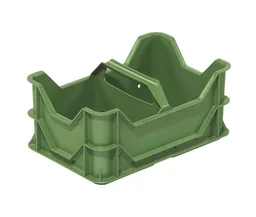
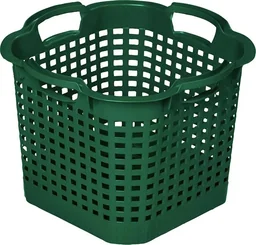
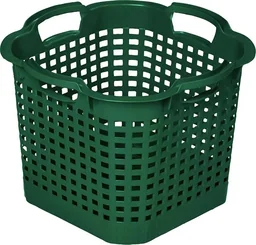
Avoid sealed plastic bags. Moisture builds up inside them and encourages mold. Use plastic only when the container has air holes or the food needs a humid environment.
Find baskets, crates and other useful storage supplies in the Garden and Plant Accessories section. Browse shelving and sturdy storage solutions under Garden Equipment.
How do you label your supplies?
Write the variety, harvest date and intended use on every label. For preserved foods, add the contents and date filled. Put older food at the front and newer items at the back.
Check the labels on frozen herbs and dried fruit, too. Freezer burn, lost flavor and forgotten jars are common when no one keeps track of supplies. A simple monthly check can help prevent this kind of waste.
Pro tip
Place individual sheets of unprinted paper between delicate fruits. The paper absorbs small amounts of moisture and helps prevent bruises from spreading to neighboring fruit. Replace it as soon as it gets damp.
Which Foods Should You Store Where?
Not every crop thrives in the same conditions. Cold keeps some foods fresh but damages others. Organize your harvest according to temperature, humidity and air circulation rather than simply by harvest date.
Root Vegetables, Potatoes and Onions
Potatoes need a dark, dry and well-ventilated place. Temperatures between about 4 and 8 °C slow sprouting without making the tubers unnecessarily sweet. Light causes green patches, so don't store potatoes in transparent crates or on bright shelves.
Carrots, parsnips, beets and celeriac prefer cooler, more humid conditions than potatoes. A ventilated crate with slightly damp sand or a damp cloth keeps them from drying out. Even so, check regularly that the surface stays dry and no mold develops.
Onions and garlic need considerably more air and less moisture. Hang them in mesh bags or place them loosely in shallow crates. Don't store them directly next to moist root vegetables.
- Potatoes: dark, well-ventilated and dry at about 4 to 8 °C.
- Carrots and parsnips: cool and moist, but without standing water.
- Onions and garlic: dry, well-ventilated and separate from moist foods.
- Pumpkins: dry, frost-free and spaced apart on a soft surface.
Apples, Pears and Berries
Store apples and late-season pears in a cool, dark place with space between them. High humidity keeps the fruit juicy longer, as long as the surface stays dry. Wrap individual fruits in paper and check them at least once a week.
Apples release ethylene. This ripening gas can speed up the ripening of pears, tomatoes and delicate vegetables. Store apples in a separate crate if possible, rather than directly next to carrots, cabbage or leafy greens.
Berries, plums and ripe pears keep for only a short time. Place them unwashed in the refrigerator and use them within a few days. Remove damaged berries immediately, as mold can quickly spread through the entire container.
Tomatoes, Cucumbers and Zucchini
Tomatoes lose their flavor in the refrigerator and become mealy at excessively low temperatures. Store them at room temperature in a dry place, with the stem end facing up. Buy or harvest only as many as you can use soon.
Cucumbers, zucchini and peppers prefer cool, but not ice-cold, conditions. A moderately cool cellar or the vegetable drawer is better than the coldest part of the refrigerator. Don't wrap delicate produce in airtight packaging.
Leafy Greens and Herbs
Remove wilted leaves immediately. Lettuce, spinach and Swiss chard stay fresh longer when loosely wrapped in a slightly damp cloth and stored in the vegetable drawer. Too much water will make the leaves soggy.
For herbs, the variety makes a difference. Basil doesn't tolerate cold well and stays fresh longer at room temperature in a glass with a little water. Parsley, chives and cilantro can be stored in a cool place or finely chopped and frozen.
Dry herbs only when they are completely dry throughout. Then put them in clean, airtight jars. Residual moisture causes clumping, loss of flavor and mold.
Canned, Dried and Frozen Produce
Store cooled canning jars in a dark, dry and frost-free place. Check the lids and rims before putting them away. A bulging lid, leaking liquid, unusual smell or mold are clear reasons to discard the unopened jar.
Label every jar with its contents and date. Use older jars first. Don't open a jar to taste the contents if the seal looks unusual.
Store dried fruit, vegetables and herbs in airtight containers once they have cooled completely. Divide frozen produce into small portions. That way, you only thaw the amount you can use right away.
If you dry, smoke or preserve vegetables or fruit, you can find more ideas in the BBQ and Smoking section. Use only clean equipment and food-safe containers.
“Potatoes should be stored in a cool, dark and dry place.”
How Do You Check Your Root Cellar? Tips for Stable Storage Conditions
A good root cellar stays cool, dark and free from major temperature swings. Around 4 to 10 °C is suitable for many storage vegetables. A thermometer and hygrometer quickly show whether the room is too warm, too humid or too dry.
High humidity keeps carrots and beets from drying out. Potatoes, onions and garlic, on the other hand, need a drier environment. Air out the cellar when the outdoor air is cool and dry, and close the windows in warm, humid weather.
How Should You Arrange Crates and Shelves?
Don't place crates directly on the floor. A gap of at least 10 centimetres protects against rising moisture and makes cleaning easier. Leave a few centimetres of space between the wall, crates and shelves to allow air to circulate.
Place delicate foods higher up or at an easy-to-reach height. Store heavy crates of potatoes at the bottom, but not in a damp corner. Don't store fruit and vegetables next to paint, cleaning products, fuels or strongly scented substances.
How Often Should You Check Your Harvest?
Check your supplies at least once a week. Briefly inspect each crate for soft spots, a musty smell, condensation and sprouting tubers. Remove affected food immediately.
Clean empty crates with a brush and let them dry completely. Wipe shelves dry. Damp cloths, spilled juices and old soil attract pests.
Also watch out for mice, moths and fruit flies. Mesh, tightly sealed containers and clean shelves keep pests away. Don't keep chemical products near uncovered food.
Important Note
Don't eat food with mold, an unusual smell, a bulging canning-jar lid or unusual liquid. Don't simply remove the visible area, because mold and germs can spread invisibly through the food. Discard suspicious jars and supplies completely.
Which Mistakes Shorten Shelf Life?
Food often goes to waste not because of a poor harvest, but because it’s stored incorrectly. Too much moisture, poor airflow and infrequent checks can damage even hardy vegetables. These are some of the most common mistakes when storing your harvest.
Putting Everything in the Fridge
The fridge isn’t the best place for every food. Tomatoes lose their flavor, potatoes can develop an off taste and basil quickly develops dark leaves. Check whether the pantry, root cellar or fridge is best for each type of produce.
Mixing Moist and Dry Produce
A damp box of carrots shouldn’t sit next to onions or garlic. Moisture can spread to drier produce and encourage rot. Use separate containers and leave space between them.
Overlooking Damaged Produce
A small crack is enough for microorganisms to enter a piece of fruit. Before storing anything, check the stem end, skin and underside. Use damaged produce right away in soup, purée, compote or sauce.
Packing Your Supplies Too Tightly
Stacks without air gaps trap heat and moisture. Store vegetables loosely and leave space between boxes. A full cellar is only practical if you can reach and check every box.
Preserving Food Without Clear Labels
Without a date, it’s easy to forget about jars, freezer bags and dried foods. Label everything as soon as it has cooled or been frozen. For a large harvest, keep a simple list of what you’ve stored, how much and where it’s kept.
- Check your stored produce weekly and remove anything questionable right away.
- Use older supplies first.
- Check the temperature and humidity regularly.
- Keep containers clean, dry and well ventilated.
- Store fruit, vegetables, onions and preserved foods separately.
Additional Advice
Set aside regular days for preserving food. Turn especially ripe fruit into purée, juice or compote first, and freeze extra herbs in portions. This takes the pressure off your pantry and helps you keep track of everything, even after a large harvest.
Storing food properly starts with a simple decision: give each type of produce the space it needs. Dry goods need airflow, root vegetables need moisture and delicate fruit should be easy to reach.
If you harvest in dry conditions, sort everything carefully, choose suitable containers and check your stored produce regularly, your garden harvest will stay fresh much longer. You can make it last until the next harvest and waste less food.
Frequently Asked Questions
- How should I store freshly harvested potatoes?
- Spread the potatoes out to dry in a dark place for several hours after harvesting. Carefully brush off the soil, but don’t wash the potatoes. Then store them at about 4 to 8 °C in an airy box away from light. Check them weekly and remove any soft or sprouting potatoes.
- Should I wash fruit and vegetables before storing them?
- Wash fruit and vegetables only just before eating or processing them. Water on the skin can encourage mold and shorten the shelf life of many types of produce. While they’re dry, brush or wipe off any loose dirt. Root vegetables keep much better in a root cellar when left unwashed.
- Which foods belong in a root cellar?
- A cool, dark and well-ventilated root cellar is suitable for potatoes, carrots, beetroot, parsnips, apples and pears. Onions and garlic need a drier place. Fruit that’s sensitive to moisture, berries, leafy greens and herbs belong in the fridge or should be used promptly.
- How can I prevent mold on stored produce?
- Remove damaged produce right away and store your harvest in a dry, well-ventilated place with enough space between items. Don’t use tightly sealed plastic bags for moist vegetables. Check boxes at least once a week, remove any rotting produce and clean dirty containers before using them again.
- How long do homegrown apples stay fresh?
- Late-season, firm apple varieties can keep for several months in cool conditions with high humidity. Store them separately from delicate vegetables because apples release ethylene, which speeds up ripening. Check the apples regularly for bruises and use any that are rotten or badly shriveled right away.