
In brief: Nitrogen fuels plant growth. Use it effectively by understanding what your plants need, choosing the right fertilizer and applying the correct amount at the right time. Organic fertilizers such as horn shavings release nutrients slowly, while synthetic fertilizers work quickly. Overfertilizing can do more harm than a mild deficiency.
How to Use Nitrogen Fertilizer for Healthy Plants
Nitrogen helps your garden grow. It is a building block of chlorophyll and proteins. Without enough of it, plants stay small and pale. Too much nitrogen can make growth soft and leave plants more vulnerable to problems. Applying it correctly can mean the difference between vigorous growth and a disappointing harvest.
Why is nitrogen so important for plants?
Nitrogen supports photosynthesis and is a key component of the green pigment in leaves. Plants with enough nitrogen have deep green leaves and grow vigorously. They produce more foliage, allowing them to capture more energy.
Fast-growing plants such as lawn grasses have particularly high nitrogen needs. Vegetables such as cabbage and lettuce also need plenty of nitrogen to grow their leaves. Flowering plants, on the other hand, benefit from a balanced mix of nutrients.
“Nitrogen fuels growth, but it is not the only nutrient plants need. A balanced supply of all the major and trace nutrients is essential for healthy plants.”
How can I recognize nitrogen deficiency?
The symptoms are easy to spot. Older leaves turn yellow first as the plant moves nitrogen to its new shoots. Growth slows noticeably, and the whole plant looks pale and weak.
Thin patches may appear in the lawn. The grass blades look straw-like and barely grow back. In severe cases, leaves can die completely. Check whether your plants actually need nitrogen before applying fertilizer.
Expert tip
Get your soil tested before applying fertilizer for the first time. A soil test shows the exact nutrient levels, so you can fertilize precisely and avoid overapplication. Many garden centers offer this service.
NPK fertilizer explained: What do the numbers mean?
NPK stands for the three main nutrients: nitrogen (N), phosphorus (P) and potassium (K). The numbers on the package show the percentage of each nutrient. An NPK 12-4-6 fertilizer contains 12% nitrogen, 4% phosphorus and 6% potassium.
Nitrogen (N) promotes leaf growth and green color. Phosphorus (P) strengthens roots and supports flower formation. Potassium (K) improves resistance to disease and frost. Choose a fertilizer based on your plants' needs. Nitrogen-rich blends from our lawn fertilizer selection are suitable for lawns.
Choosing the right NPK ratio
For lawns in spring, a ratio such as 20-5-8 is ideal. The high nitrogen content boosts growth. For flowering perennials, choose a more balanced ratio such as 10-10-10. NPK fertilizers are available in many formulations.
Starter fertilizers for new lawns and plantings often contain more phosphorus to support root development. Fall fertilizers have a low nitrogen content and a high potassium content to improve cold hardiness. Our fall lawn fertilizer category offers suitable products.
Organic vs. synthetic nitrogen fertilizer
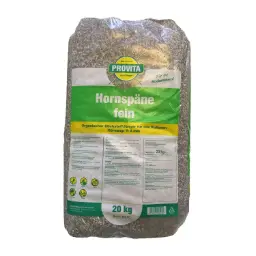
The type of fertilizer you choose has a lasting effect on your soil and plants. Organic fertilizers such as horn shavings and compost release nitrogen slowly. Soil microorganisms first need to convert it into a form plants can use. This helps prevent overfertilizing and nutrient runoff.
Synthetic fertilizers such as Blaukorn or ammonium sulfate work quickly. Their nutrients are water-soluble and readily available to plants. This can help in cases of acute deficiency, but it takes precise dosing. Too much can damage plants quickly.
Important note
Never apply synthetic nitrogen fertilizer in strong sunlight or to dry soil. The salts can burn leaves and roots. Fertilize before or after rainfall, and water thoroughly.
Benefits of organic nitrogen fertilizers
Organic fertilizers improve soil structure over time and encourage humus formation. The risk of overfertilizing is lower because nutrient release depends on soil life. They are also better for the environment because fewer nutrients wash away.
“The slow release of organic fertilizers is not a drawback; it helps protect plants and groundwater. It follows the natural nutrient cycle.”
Practical guide: How to fertilize correctly
Choosing the right time
Fertilize only during the growing season. For lawns, that means spring and early summer. Applying nitrogen late in the season, from August onward, makes lawns more susceptible to frost. Fertilize perennials and shrubs before new growth begins in March/April.
The soil should be slightly damp, but not wet. A cloudy day without strong sun is ideal. Always water thoroughly after applying fertilizer so the nutrients reach the root zone. This helps prevent fertilizer burn.
Additional advice
Measure your lawn to calculate exactly how much fertilizer you need. Spread it evenly with a spreader. Applying it in two passes at right angles helps ensure even coverage.
Finding the correct dosage
Follow the manufacturer's instructions carefully. More fertilizer does not mean more growth; it can cause damage instead. Lawn recommendations are usually between 20 and 30 grams of nitrogen per square meter per year.
Here is how to calculate the amount: with a fertilizer containing 20% nitrogen (N), that equals 100-150 grams of fertilizer per square meter per year. Divide this amount into two or three applications. For flower beds, follow the specific needs of each plant species.
Special Applications: Lawns, Vegetables & Ornamental Plants
Nitrogen Fertilizer for Lawns
Lawns are the biggest consumers of nitrogen in the garden. Use a special spring lawn fertilizer for this purpose. These fertilizers often contain fast-acting ingredients for an initial boost and slow-release components for lasting results.
After fertilizing, your lawn should grow well. Don’t mow it too short. Leave grass clippings on the lawn as a natural source of nitrogen, as long as they aren’t too wet or long. This can reduce the amount of fertilizer needed by up to 30%.
Fertilizing the Vegetable Garden
Heavy feeders such as cabbage, tomatoes, and zucchini need plenty of nitrogen. Before planting, work organic fertilizer such as horn meal deep into the soil. You can feed them afterward with fast-acting liquid fertilizers from the liquid fertilizer category.
Light feeders such as beans and peas need little additional nitrogen. They live in symbiosis with nitrogen-fixing bacteria. Overfertilizing leads to lush leaf growth and a poor harvest.
Feeding Ornamental Plants and Perennials
This is where restraint is important. Too much nitrogen encourages excessive leaf growth at the expense of flowers. Use a balanced all-purpose fertilizer for flowering plants. Fertilize only until mid-July so the shoots can mature before winter.
Special plant and flower fertilizers are suitable for container plants. They are often slightly more concentrated to compensate for limited root space. Be sure to water regularly after fertilizing.
Common Mistakes and How to Avoid Them
The most common mistake is overfertilizing. It harms plants, soil life, and the environment. If too much nitrogen enters groundwater, it becomes harmful nitrate. Always follow the recommended dosage.
Another mistake is fertilizing at the wrong time. Applying nitrogen in fall stimulates soft late-season growth that is vulnerable to frost. Don’t fertilize during dry weather or in bright sunshine. The salts become concentrated and burn plant tissue.
Never use a lawn fertilizer with weed killer on stressed or newly established areas. The combination of herbicide and nutrient stress can damage the grass. Special lawn fertilizers with weed killer are available for these applications, but should be selected carefully.
Nitrogen fertilization is no substitute for good soil care. Loosen compacted soil. Improve sandy soil with compost. Healthy, living soil supports your plants better than synthetic fertilizer alone. Combine methods wisely.
Frequently Asked Questions
- How can I tell if my plants have a nitrogen deficiency?
- Nitrogen deficiency is characterized by pale green to yellow older leaves and generally weak, stunted growth. The plant directs its limited energy toward new shoots, while older leaves turn yellow from the tips. Sparse, straw-colored patches develop in lawns.
- What’s the difference between organic and mineral nitrogen fertilizer?
- Organic fertilizers such as horn meal release nitrogen slowly because microorganisms must first convert it. This helps prevent overfertilizing and improves the soil. Mineral fertilizers such as Blaukorn work immediately, but can damage plants and leach into groundwater if used incorrectly.
- What do the NPK numbers on fertilizer packaging mean?
- NPK stands for the main nutrients nitrogen (N), phosphorus (P), and potassium (K). The numbers indicate the percentage by weight. An NPK 10-5-5 fertilizer contains 10% nitrogen. Nitrogen promotes leaf growth, phosphorus supports flowering and root development, and potassium improves resistance.
- When and how often should I fertilize my lawn with nitrogen?
- Fertilize your lawn at the start of spring growth and again in early summer. Applying nitrogen later, from August onward, can unnecessarily prolong growth and reduce frost hardiness. Fall fertilizers are usually low in nitrogen and high in potassium. Two to three applications per season are generally enough.
- Can I overfertilize with nitrogen, and what are the consequences?
- Yes, overfertilizing is common. It leads to soft, vulnerable tissue, increased susceptibility to disease, and burned roots. Excess nitrogen leaches into groundwater and pollutes it. Less is often more—follow the dosage instructions on the package carefully.
You Might Also Be Interested In
- How to Fertilize Your Lawn Properly: The Key Role of Nitrogen in Green Grass
- Plant Fertilizer Guide: Choosing the Right Fertilizer for Your Plants
- How to Fertilize Your Lawn Properly in Summer for a Lush Green Color
- How to Fertilize Plants Properly: The Best Way to Feed Your Garden and Balcony Plants
- Mineral Fertilizer: How to Use It Effectively
- Green Lawn: The 5 Most Common Lawn Fertilizing Mistakes