
In brief: The best way to ventilate your bedroom is to air it thoroughly several times a day by opening the windows wide. In the morning after getting up and in the evening before going to bed, ventilate the room completely for 5-10 minutes. This replaces stale air, regulates humidity and effectively prevents mould growth without cooling down the walls.
How to ventilate a bedroom and improve its indoor climate
A good bedroom climate is not a matter of chance. It results from conscious habits and basic physical principles. You breathe out moisture every night, and it needs to escape again.
Proper ventilation removes stale air and regulates humidity. It prevents condensation from forming on cold walls. This moisture provides the basis for mould.
The method is simple. Consistency is what matters. Start by understanding where the moisture in your room comes from.
How does the indoor climate in a bedroom develop?
Every person produces moisture while sleeping. Your breath and skin release it continuously. A couple can add more than a litre of water to the room overnight.
There are other sources too. Houseplants release water through evaporation. Damp towels or worn clothing give off residual moisture. Even the glass of water on your bedside table evaporates.
This moisture spreads through the room air. Warm air can hold more water than cold air. When warm, humid air meets a cold surface, it cools down. Relative humidity rises above 100%. The excess water condenses.
Important note
Condensation often collects out of sight. Typical areas include cold external walls behind large pieces of furniture such as wardrobes or beds. Window reveals and room corners are also at risk. Check these areas regularly for damp patches or dark marks.
Heating alone is not the solution. A higher room temperature only increases the air's capacity to hold water. The absolute amount of moisture remains the same. You need to actively replace humid air with drier air.
Why is incorrect ventilation a problem?
The most common mistake is leaving windows tilted open for long periods. The window remains tilted all day or all night. Air exchange is minimal, while energy losses are considerable.
Leaving a window tilted open is particularly problematic in winter. Cold outdoor air flows in along the pane. It sinks to the floor and strongly cools the area directly next to the window. The wall around the window frame cools down.
It is precisely on this cold wall that moisture from the room air condenses. You may notice damp windowsills or mould in the window corners. This is the direct result of tilted-window ventilation combined with high humidity.
“Opening the windows wide is always more efficient than leaving them tilted open. In five minutes with the window fully open, you replace more air than in an hour with the window tilted open. You save heating energy and protect the building fabric.”
Irregular ventilation is another problem. You forget about it during the day, and by evening the air is stuffy and humid. A brief airing is no longer enough. You would need to ventilate for longer, but this would cool the walls down too much.
Proper ventilation follows a routine. It is brief, intensive and regular. This keeps humidity consistently within the ideal range.
How should you ventilate your bedroom?
The best time to ventilate is in the morning, immediately after getting up. Open the window fully. Cross-ventilation is ideal. Open windows opposite each other or open the bedroom door to the hallway.
This creates a through-draught that replaces all the room air within a few minutes. Five to ten minutes is usually enough. In midsummer or when there is no wind, it may take fifteen minutes.
Pro tip
While airing the room, turn the heating thermostats to the frost protection setting (star). This prevents you from heating the outdoors through the open window. Close the windows and turn the heating back up as soon as the air has been exchanged. Fresh air warms up quickly.
The second important time to ventilate is in the evening before going to bed. Repeat the process. Fresh oxygen in the room air promotes restful sleep. Humidity falls to a healthy level before you produce more moisture.
In winter, when temperatures are very low, three to five minutes of thorough ventilation is enough. Cold, dry outdoor air warms up quickly and absorbs room moisture well. Avoid letting the walls cool down.
A hygrometer is a useful tool. It shows the current relative humidity. This means you can ventilate based on facts rather than guesswork. Ventilate when the reading remains above 60%.
What role do furniture and furnishings play?
Your furnishings have a significant effect on the indoor climate. Large wardrobes or beds placed directly against external walls restrict air circulation. The wall behind the furniture cools down more.
Leave a gap of at least five to ten centimetres between furniture and external walls. This allows room air to circulate. The wall surface stays warmer, reducing the risk of condensation.
Heavy curtains in front of the window can have a similar effect. They retain heat in the room but also obstruct air exchange during ventilation. Always pull curtains fully to the side when airing the room.
“A bedroom is not a greenhouse. Humidity must be able to escape in a controlled way. Dense, non-breathable mattress protectors or plastic sheets under the carpet trap moisture. Natural materials such as cotton, wool or special garden fleece used as a separating layer are often the better choice.”
Carpets store moisture. Regular vacuuming is important. When humidity is very high, temporarily removing the carpet in summer can help release trapped moisture.
How can you effectively prevent mould?
Mould prevention starts before the first spot appears. The three basic principles are: reduce sources of moisture, ventilate properly and increase surface temperatures.
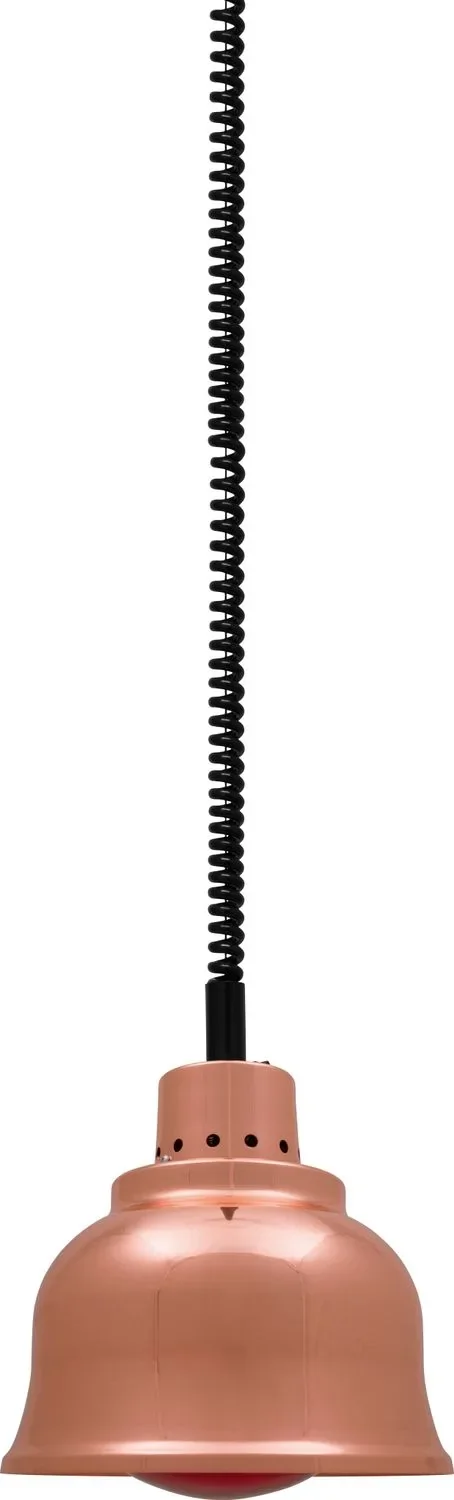
Reduce active sources of moisture. Dry laundry in other rooms or in a well-ventilated drying room with suitable equipment such as a heat lamp for outdoor use.
and are examples of stable heat sources that can help reduce moisture in well-ventilated workshops or hobby rooms.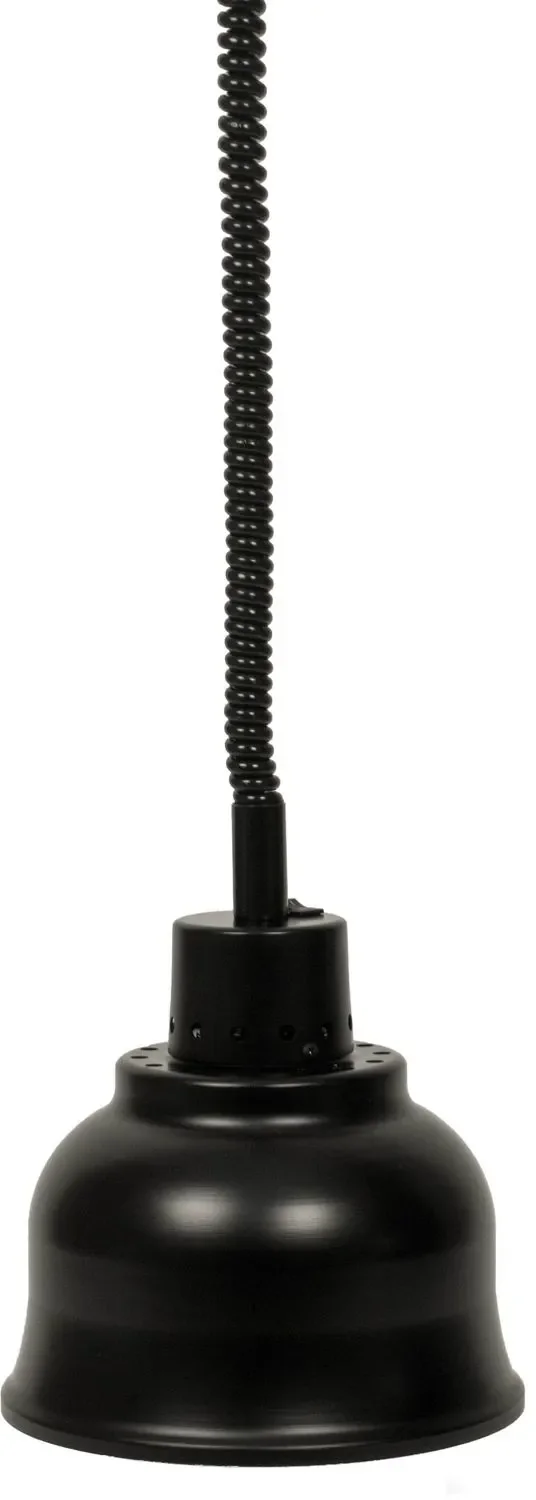
Always close the bathroom door after showering or bathing. Leave the extractor fan running or ventilate the bathroom separately. Prevent steam from entering the bedroom.
Additional advice
Take extra care in new-builds or after renovations. Moisture in walls and screed must escape over several months. During this phase, intensive ventilation several times a day is essential. Heat evenly, but ventilate consistently.
Increase the surface temperature of critical walls. You can do this by keeping furniture freestanding and ensuring good air circulation. A slightly higher bedroom temperature (18-19°C instead of 16°C) can already make a difference.
If problems persist, check the insulation of the external walls. Cold walls are the main issue. Retrofitted internal insulation must be installed professionally to avoid shifting condensation points.
Which aids can help create a good indoor climate?
Technical aids can be a useful supplement to manual ventilation. They do not replace it. A dehumidifier with a humidistat switches on automatically when a set humidity level is exceeded.
For smaller rooms, electric desiccant dehumidifiers are often sufficient. For larger amounts of moisture, compressor models are more effective. Pay attention to energy consumption. These appliances generate waste heat.
Plants can influence the indoor climate naturally. Some varieties, such as spider plants and ivy, are considered air-purifying. However, bear in mind that every plant also releases moisture into the indoor air. Do not overdo the number of plants in the bedroom.
Natural minerals can temporarily bind moisture. In our range of fertilisers and soil improvers, for example, you will find

Conclusion: control through routine
An optimal indoor climate in the bedroom is no secret. It requires awareness and consistency. Change your ventilation routine to two or three intensive burst ventilations per day.
Say goodbye to leaving the window tilted open as a permanent solution. Use a hygrometer to monitor humidity. Arrange your room so that air can circulate around all the walls.
This creates the basis for restful sleep. At the same time, you protect your health and your home's structure from moisture damage and mould. Start today with your first mindful ventilation session.
Frequently Asked Questions
- How often should you air out your bedroom?
- Air out your bedroom thoroughly at least two or three times a day. The most important time is immediately after getting up, to remove the moisture that has accumulated overnight. Airing the room out again in the evening before bed provides fresh oxygen. If humidity is very high or during winter, a third airing at midday may be advisable.
- Why does mould form so quickly in the bedroom?
- Mould in the bedroom is primarily caused by excessive humidity. Each person releases around half a litre of water through breathing and perspiration every night. This moisture accumulates in the room air and on cool surfaces such as outside walls or window reveals. If it is not removed through adequate ventilation, mould finds ideal conditions for growth.
- Should you sleep with the bedroom window tilted open?
- Leaving windows tilted open overnight is not recommended. Only minimal air exchange takes place, while the wall around the window cools down considerably. Room humidity easily condenses on this cold area, encouraging mould growth. Fully opening the windows to air out the room before going to bed is more effective and energy-efficient.
- What humidity level is ideal for a bedroom?
- Relative humidity in the bedroom should ideally be between 40% and 60%. Below 40%, the air can become too dry and irritate the mucous membranes. Above 60%, the risk of mould increases significantly. A hygrometer from the Garden + Outdoor range helps you keep an eye on the levels easily.
- What else can you do besides airing the room to improve the indoor climate?
- Alongside proper ventilation, reduce the amount of moisture produced. Do not dry laundry in the bedroom. If necessary, move large houseplants that release a lot of moisture elsewhere. Keep the bathroom door closed after showering so that the steam does not spread into the bedroom. An open planter filled with dry soil can temporarily absorb moisture.
You might also be interested in
- How to ventilate in winter: Prevent mould and improve your indoor climate
- Ventilation systems: Create a better indoor climate at home
- Condensation on windows: Causes and solutions for a clear view
- Mould in the bedroom: Causes, removal and prevention
- How to ventilate in muggy weather: Tips for a healthy indoor climate
- Room ventilation: Types and benefits explained