
In brief: Water tomato plants in the morning, directly at the soil, as soon as the top layer of soil is dry. Water slowly and thoroughly instead of applying small amounts every day. Keep leaves and stems dry, mulch the soil, and increase the amount of water during hot weather, fruit formation and container growing.
Watering tomatoes correctly is essential for strong plants, healthy fruit and a long harvest season. Tomato plants need consistent moisture but are sensitive to waterlogging and irregular watering.
Water in the morning directly onto the soil and check the top layer before every watering. A slow, thorough watering reaches the roots better than small amounts applied every day. Keep leaves and stems dry to prevent leaf diseases from spreading unnecessarily.
These basic rules apply to tomatoes in beds, greenhouses and containers. For a selection of suitable varieties and young plants, visit the tomatoes section for more options for your vegetable garden.
How often should you water tomato plants?
A fixed schedule cannot replace checking the soil. Soil dries out faster on a hot, windy day than in cloudy weather. Sandy soil loses water more quickly, while clay soil retains moisture for longer. Check the soil in the morning and adapt your tomato watering routine to the location.
Check the soil instead of following a schedule
Push a finger three to five centimetres into the soil. If it feels dry at this depth, the plant needs water. If the soil is still cool and moist, wait. With a container, you can also check its weight: a noticeably lighter pot indicates a dry root ball.
- Dry top layer: Water slowly and thoroughly instead of merely wetting the surface.
- Drooping leaves in the morning: The plant is probably short of water. Nevertheless, check the soil first.
- Wilting leaves in the hot midday sun: This can be a natural reaction to evaporation. Check the plant again in the evening.
- Constantly wet soil: Wait before watering and check for inadequate drainage or too much water in the saucer.
Water in the morning if possible
In the morning, the plant absorbs the water before the hottest part of the day begins. Excess moisture on the soil can dry out over the course of the day. This reduces the risk of leaves and stems remaining wet for many hours.
Only water in the evening if the soil is actually dry and the plant needs water. A wet bed stays moist for a long time overnight. In a greenhouse especially, monitor the humidity and ventilate thoroughly after watering.
“Tomatoes need a consistent water supply, but no waterlogging around the roots.”
How much water do tomato plants need?
The right amount of water depends on the plant size, soil, temperature and container volume. A mature tomato plant in a bed often needs around three to five litres per watering session in normal summer weather. In very hot weather, strong winds or sandy soil, five to ten litres may be necessary.
These figures are a guide. What matters is that the water reaches the root zone and the soil does not remain permanently wet afterwards. Small plants need less than fruit-bearing plants with lots of foliage. Check the soil after every change in weather.
Water slowly and thoroughly
Make a shallow watering basin around the plant. It keeps the water where the roots are located. Let the water soak in over two or three small applications if the soil has become dry and hard. This prevents it from running off over the surface.
Do not water directly against the stem. Distribute the water in a ring around the plant because the roots spread sideways. After ten minutes, check with your finger whether the moisture has penetrated deeper than just a few millimetres.
For several plants, an evenly laid system makes the job easier.
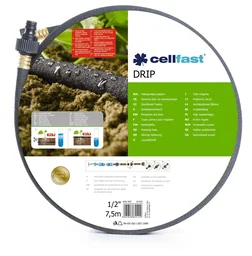
Mulch protects the soil from drying out
A layer of mulch slows evaporation and keeps the temperature in the root zone stable. Use mature compost, straw or dry grass clippings and spread the material five to eight centimetres thick. Leave a gap of several centimetres around the stem.
Do not put fresh grass clippings on the bed in a thick, wet layer. They stick together, heat up and can rot. Dry the clippings first and apply them only in a thin layer.
Expert tip
If the soil is very dry, start by watering it with a small amount. Wait five minutes, then add the remaining amount of water. The surface will absorb the water more effectively instead of letting it run sideways out of the watering basin.
Why should you not water tomatoes over the leaves?
Wet leaves dry slowly in dense plantings and warm nights. This combination encourages fungal diseases such as late blight and early blight. Water that drips from the foliage onto the soil can also splash soil and pathogens onto the lower leaves.
Check the plants, especially after rain. Remove individual low-growing leaves that remain in contact with damp soil. Do not cut off more healthy leaves than necessary, as they provide the fruit with energy.
Direct the water onto the soil
Keep the watering can low and water with a gentle stream. A strong stream washes away soil, exposes roots and splashes water onto the foliage. A watering basin or drip hose delivers water more gently to the right place.
Humidity rises quickly in the greenhouse after watering. Ventilate the doors and windows as soon as the outside temperature allows. This helps the plant surfaces dry faster and improves air circulation.
Recognize diseased leaves early
Dark spots, yellow leaf edges and rapidly wilting shoots require attention. Remove clearly diseased leaves with clean scissors and do not dispose of them in the compost. Afterwards, water particularly carefully at soil level and avoid getting the leaves wet again.
Important note
Do not automatically water tomatoes as soon as a leaf droops at midday. Check the soil first. In hot weather, the plant may wilt temporarily even when there is enough moisture. Watering too often displaces oxygen from the soil and damages the roots.
Which gardening mistakes harm tomatoes?
Many gardening mistakes result from well-intentioned but unsuitable routines. Tomatoes grow vigorously when water, air and nutrients are balanced in the root zone. A single dry period can usually be corrected. However, constant changes between drought and waterlogging put the plants under stress for weeks.
These mistakes are particularly common
- Moistening only the surface every day: Shallow roots dry out quickly as soon as the top layer dries again. Water less often but more deeply.
- Giving too much water after a long dry spell: Spread the amount of water over several slow applications so the soil can absorb it.
- Watering only at the stem: The water then does not reach the entire root zone. Water in a ring around the plant.
- No drainage holes in the pot: Without drainage, waterlogging develops. Saucers must not remain permanently full.
- Fertilizing dry soil directly: Concentrated nutrients can put stress on the roots. Moisten the soil first and follow the fertilizer dosage instructions.
Tomatoes are heavy feeders. Water alone cannot replace a balanced supply of nutrients. Use a suitable fertilizer from the plant and flower fertilizers range and follow the manufacturer's instructions.
What do yellow leaves and split fruit mean?
Individual yellow older leaves can be part of the plant's natural development. If many leaves turn yellow while the soil remains wet, this is more likely to indicate root stress or overwatering. When the soil is dry, the leaves often hang limp and appear less stable.
Split fruit often develops after a prolonged dry period followed by a large amount of water. The fruit grows faster than the skin can expand. Consistent soil moisture and a layer of mulch reduce this risk. Blossom end rot is also encouraged by irregular watering because the plant then transports calcium to the fruit less effectively.
“Regular watering during fruit formation prevents major fluctuations in water supply and protects fruit quality.”
How do you adapt watering for garden beds, containers and greenhouses?
The location determines how quickly water is lost. In an open garden bed, a larger volume of soil buffers short-term fluctuations. In a container, the root ball dries out faster. In a greenhouse, temperature and humidity rise sharply, especially on sunny days.
Watering tomatoes in garden beds
Loosen compacted soil before planting and work in mature compost. Well-structured soil absorbs water and releases it slowly to the roots. After planting, water more frequently at first until new roots have formed. Later, increase the intervals and water more deeply.
A layer of mulch retains moisture in the bed. Still, check the soil regularly, as mulch conceals the surface and can lead to an inaccurate assessment. Insert your finger into the soil next to the plant instead of relying only on the color of the mulch.
Watering tomatoes in containers correctly
Containers need large drainage holes and an airy growing medium. Do not leave the pot standing in water permanently. On warm days, check the soil in the morning and late afternoon. A large container dries more slowly and gives the roots more room than a small propagation pot.
For propagation and initial growing, suitable options include
with a diameter of 295 millimeters and the larger with a diameter of 392 millimeters. What matters is that the pot suits the plant's stage of development, excess water can drain away and the plant is moved to a larger container when necessary.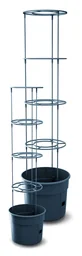
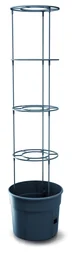
Water container-grown tomatoes slowly until some water runs out of the drainage holes. Empty the saucer after a short time. This shows that the entire root ball is moist while preventing the bottom of the pot from remaining permanently wet.
Watering tomatoes in the greenhouse
In the greenhouse, the soil surface dries out quickly while deeper layers may still be moist. Therefore, check several centimeters below the surface. Ventilate in the morning and after watering so the humidity does not remain high for too long.
For rows and multiple containers, micro-irrigation can deliver water directly to individual plants. A timer or automatic watering system can help when you are away for longer periods. Test each system for several days and check the soil before leaving it running unattended.
How should you water tomatoes in hot weather and while on holiday?
Hot weather increases evaporation through the leaves and soil. On hot days, check your tomatoes particularly early in the morning. Container-grown plants may also need water in the late afternoon. Do not water automatically based on the time of day; instead, check the moisture in the root zone.
Adjust watering during very hot weather
A layer of mulch, a sufficiently large pot and a sheltered location help limit water loss. Do not place potted tomatoes directly against a heated south-facing wall. Provide shade for the container during extreme heat without keeping the plant out of the light permanently.
If the soil has dried out severely, divide the amount of water into several applications. Do not let water run uncontrollably over the dry soil. After watering, check whether the root ball has also become moist deeper down.
Prepare your watering system before going on holiday
Water thoroughly before you leave and apply a layer of mulch. Test a drip or automatic watering system at least two to three days beforehand. This gives you time to identify blocked outlets, empty containers or an excessive amount of water.
- Check all pots and beds for dry spots.
- Check the drainage holes and remove water from saucers.
- During very hot weather, move potted plants to a bright but less heated location.
- Ask someone you trust to check the plants and watering system.
- Provide clear instructions about the amount of water and do not let the soil be watered according to a rigid schedule.
Additional advice
Keep a brief watering log for one week. Note the weather, soil moisture and amount of water. This will help you find a reliable watering routine for your location and identify more quickly whether your tomatoes are too dry or too wet.
Good tomato care starts with a simple check: test the soil, water the root zone slowly and keep the leaves dry. Combine consistent watering with mulch, good drainage and regular observation. This will help you avoid the most common gardening mistakes and create the foundation for a plentiful tomato harvest.
Frequently Asked Questions
- How often should I water tomatoes?
- Water tomatoes as soon as the top layer of soil is dry to a depth of around three to five centimetres. In the garden, one thorough watering every two to three days is often enough in normal weather. Check the soil more frequently in hot or windy weather, in sandy soil or when growing tomatoes in containers.
- Should I water tomatoes from above?
- No. Water tomatoes directly onto the soil around the root zone. Wet leaves dry slowly and can encourage leaf diseases in warm weather. A gentle stream of water, a watering basin or a soaker hose delivers water to the roots while keeping the foliage and stems as dry as possible.
- How can I tell if tomatoes have been overwatered?
- Overwatered tomatoes may look wilted despite moist soil, develop yellow lower leaves or grow weakly. If the soil smells musty and remains wet for several days, the roots are not getting enough oxygen. Stop watering, check the drainage and wait until the surface has dried out.
- How much water does a potted tomato plant need?
- The amount for a container-grown tomato depends on the pot, weather and growth stage. A mature tomato plant often needs one to two litres on warm days, and more during very hot weather. Water slowly until some water runs out of the drainage holes, then empty the saucer after a short while.
- Does mulch help when watering tomatoes?
- Mulch reduces evaporation and keeps the soil moist for longer between watering. Apply mature compost, straw or dry grass clippings in a layer about five to eight centimetres thick, but leave a clear area around the stem. Fresh, wet grass clippings can rot and should not be spread thickly over the bed.
You may also be interested in
- How to water plants properly: Tips for a plentiful harvest
- How to fertilise tomatoes properly: How to ensure a plentiful harvest
- Growing tomatoes: Your journey from seed to a plentiful harvest
- How to water cucumbers properly: The key to great flavour and a plentiful harvest
- Watering plants properly: Avoid common watering mistakes
- Growing truss tomatoes: How to achieve a plentiful garden harvest