
In brief: Water your lawn early in the morning during hot weather, when evaporation is lowest. Once a week, water deeply with 15-20 liters per square meter instead of using small amounts every day. This encourages the grass to develop deep roots. Avoid watering with a sprinkler in the evening to help prevent fungal diseases. A healthy lawn with deep roots will withstand dry periods better.
How to Water Your Lawn in Hot Weather: Keep It Green!
The sun is beating down and the lawn is suffering. Watering incorrectly wastes water and time and encourages disease. With the right strategy, you can keep your lawn healthy and green even in hot weather. The basic rule is: water less often, but deeply.
Why is proper watering so important in hot weather?
Grass consists of around 80% water. During hot, dry conditions, grass switches to survival mode. The blades curl up and growth stops. The aim of watering is to reach the roots, not just wet the surface.
Frequent, incorrect sprinkling has the opposite effect. The roots remain near the surface and the lawn becomes vulnerable. Proper watering encourages deep roots that can still access water during dry periods. This saves resources in the long term.
“The most common cause of brown patches in summer is not drought itself, but shallow roots caused by incorrect watering. A lawn with deep roots can withstand a heatwave too.”
When is the best time to water your lawn?
The early morning is ideal. Between 4 and 8 a.m., the air is cool, the wind is usually calm and evaporation is minimal. The water can slowly soak deep into the soil.
Important note
Never water in the blazing midday sun. Water loss through evaporation can exceed 90%. Water droplets act like magnifying glasses and can burn the grass blades.
Many gardeners water in the evening. This is better than watering at midday, but it carries risks. Prolonged moisture overnight encourages the spread of fungal diseases such as snow mold. If you have to water in the evening, do so early enough for the lawn to dry before nightfall.
How much water does the lawn really need?
The amount and frequency are crucial. Water once a week with 15 to 20 liters per square meter. With a standard sprinkler, this corresponds to a watering time of around 60 to 90 minutes.
Here's how to check the amount: Place an empty jam jar on the lawn. Let the sprinkler run until 15-20 millimeters of water have collected in the jar. Measure the time. Use this duration in the future.
Expert tip
Carry out the “screwdriver test.” One day after watering, push a screwdriver into the soil. If it goes in easily to a depth of 15-20 cm, the amount of water was perfect. If it gets stuck after just a few centimeters, you need to water for longer.
The right watering technique for even results
Avoid short daily sprinkling. It only moistens the top two centimeters. The roots grow upward instead of reaching deeper into the soil. An uneven water spray leads to dry patches.
Use sprinklers or irrigation systems for even distribution. Movable lawn sprinklers are ideal for large areas. Soaker hoses or pop-up sprinklers in an automatic system provide convenience and precision.
How can I tell if the lawn lacks water?
Your lawn sends clear signals. The first signs are a dull, blue-green hue. When you walk on the grass, the footprints remain visible for a long time because the blades lose their resilience.
During prolonged drought, the grass blades curl inward at the sides. Later, they turn a straw-like yellow and eventually brown. This is a protective mechanism. The lawn enters a dormant phase and can often recover after good rainfall or proper watering.
“A temporarily brown lawn is not dead. The grass protects its growing points. However, don't suddenly water it every day; instead, return to the principle of less frequent, intensive watering.”
Preparation is half the battle: lawn care before summer
A healthy lawn withstands heat better. Spring maintenance lays the foundation. Scarify the lawn in April or May to remove thatch. This layer acts as a barrier and makes it difficult for water to penetrate.
A good supply of nutrients is essential. In late spring, use a lawn fertilizer with long-lasting effects. Our
, the 10,5kg organic lawn fertilizer with an organic NPK formula, provides lasting nourishment for the grass. Organic fertilizers also improve the soil structure and its ability to retain water.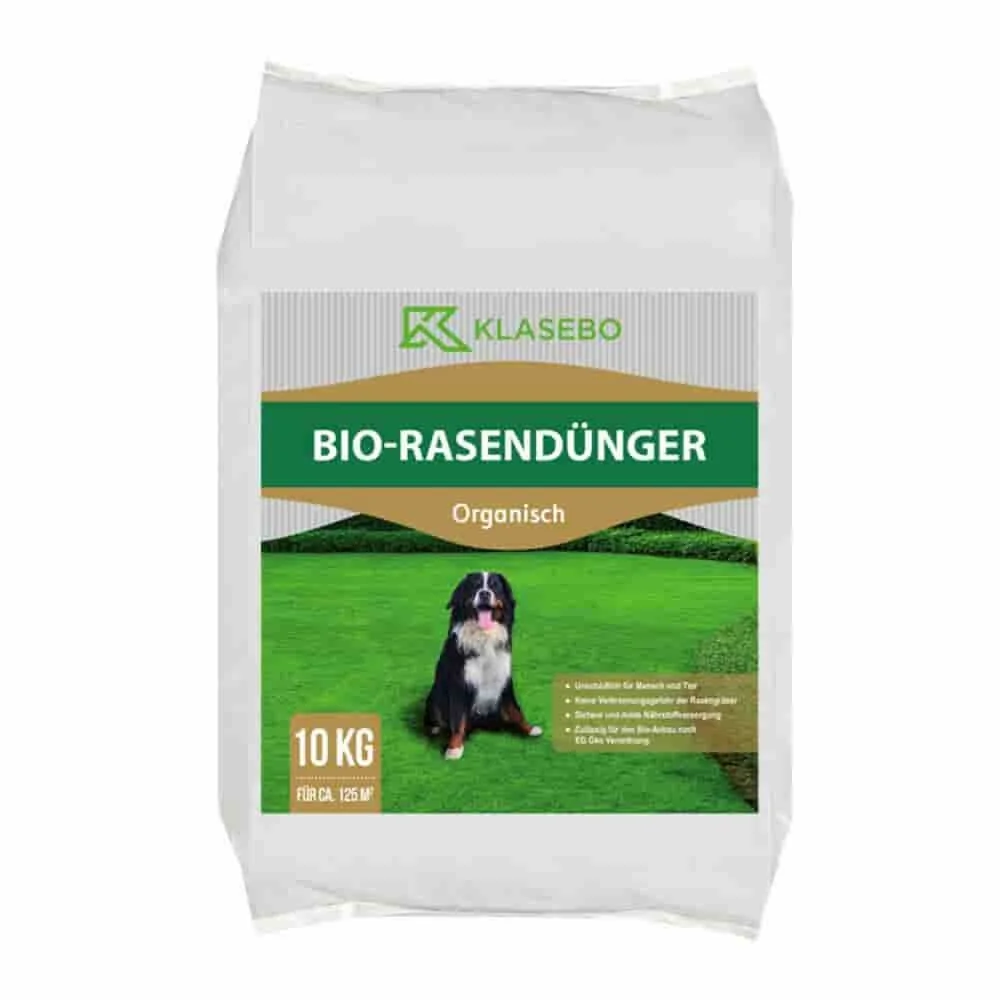
Additional advice
Don't cut the grass too short in summer. Set the mower to a cutting height of 4-5 cm. Longer blades shade the soil and reduce evaporation. Sharp blades are essential to avoid ragged, vulnerable grass tips. For safe work on electric mowers, a
, the 10A switch with overload protection, can be useful.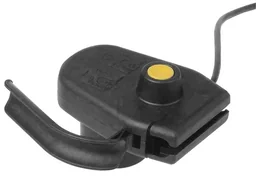
The role of soil and grass clippings
Sandy soils store water poorly, while loamy soils retain it better. Regularly work compost into sandy soils to increase their water-holding capacity. When mowing, leave the clippings on the lawn as mulch. They protect the soil from drying out and release nutrients as they decompose.
Water-saving irrigation: Tips for sustainable lawn care
Water is precious. Collect rainwater in a water butt. It is free from limescale and ideal for plants. Base your watering on actual need rather than a rigid schedule. A soil moisture meter gives you peace of mind.
Water precisely. Clearly defined lawn edges prevent you from watering paths or flower beds as well. Our
with 10 narrow ground anchors for lawn edging helps you create clear edges and save water.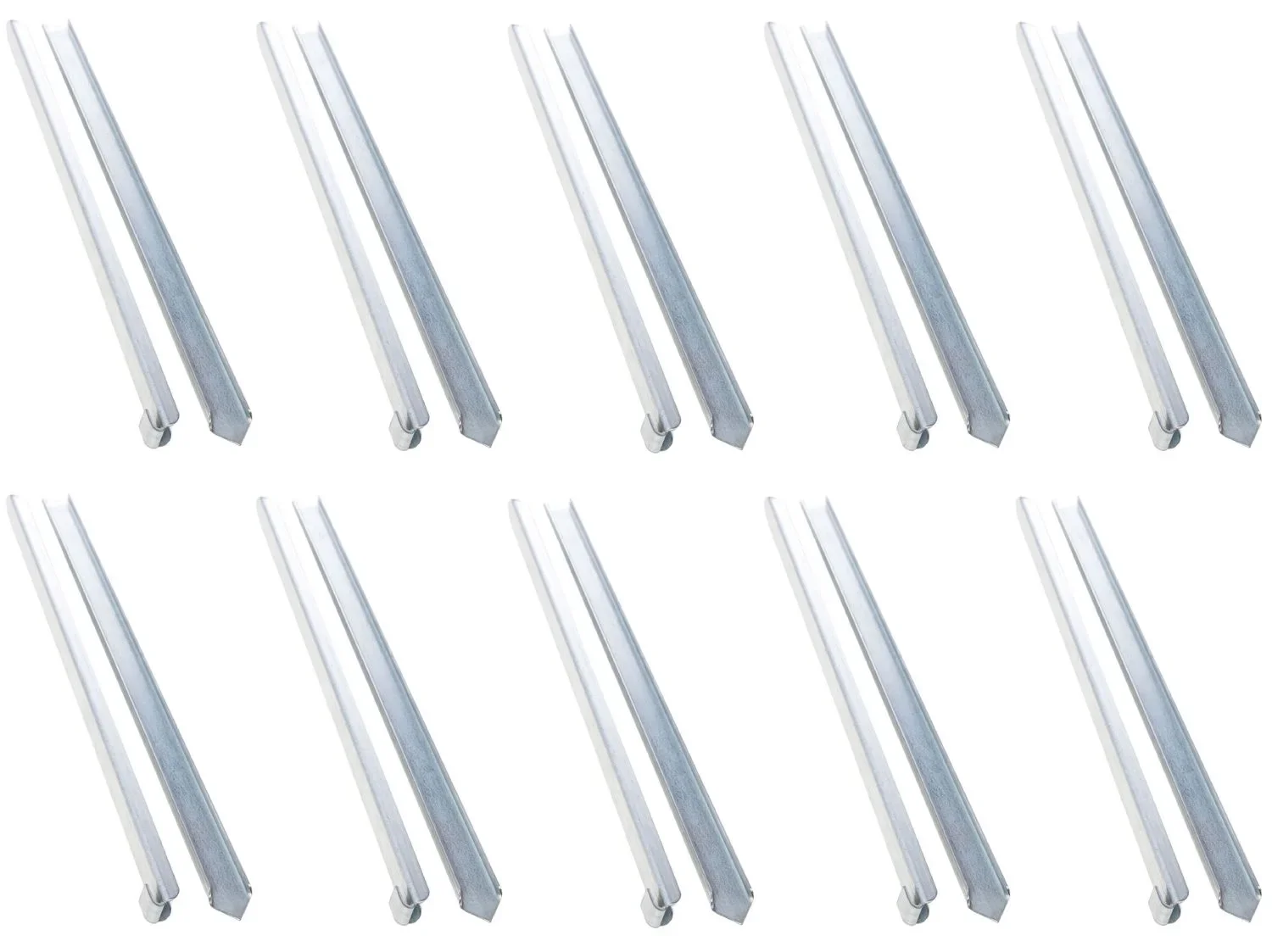
Mulching with grass clippings reduces evaporation. A thin layer is sufficient. Make sure the soil is well aerated. Use a digging fork to aerate compacted areas so that water and air can penetrate more easily.
What should you do when on holiday or away for longer?
Plan ahead. Water the lawn thoroughly shortly before you leave. Set the mower blades higher. A well-watered, slightly longer lawn can manage for several days without water.
For longer periods, it is worth investing in an automatic irrigation system with a timer. Simple systems with valves and a timer can be installed quickly. Test the system thoroughly before you leave.
Alternatively, you can ask a neighbour or friend. Give them clear instructions about the amount and timing. Show them where the main water tap and the most important valves are.
The right lawn care after a dry spell
If the lawn has turned brown, do not start watering intensively straight away. Begin with a normal, thorough watering. Only fertilise once the lawn turns green and starts growing again. Grass seed for overseeding helps fill in bare patches.
Check your lawn mower. Are the blades sharp? Clean cuts heal faster. Carefully remove dead material with a rake before overseeding. This gives the new seedlings light.
With these methods, your lawn will stay healthy even in midsummer. You save water and time while encouraging a deep, robust root system. That is the best protection against the next heatwave.
Frequently asked questions
- How often should I water my lawn in summer?
- In hot weather, water a maximum of once or twice a week, but water thoroughly. Aim for 15-20 litres of water per square metre. Daily, shallow watering only encourages short roots and makes the lawn more susceptible to drought.
- Why should you water the lawn in the morning rather than in the evening?
- In the morning, the soil is at its coolest, so less water evaporates and it can penetrate deeply. Watering in the evening leaves the grass wet for a long time, creating ideal conditions for fungi such as snow mould or dollar spot.
- How can I tell that my lawn needs water?
- A thirsty lawn develops a blue-green colour. If your footprints remain visible for longer than 30 seconds, this is a clear sign. The grass blades also begin to curl sideways to reduce the surface area from which water can evaporate.
- Can I water my lawn at midday in intense heat?
- Avoid this at all costs. Up to 90% of the water evaporates unused before it reaches the roots. Water droplets act like magnifying glasses on the blades of grass and can cause scorching.
- Which lawn fertiliser is suitable in summer?
- In summer, use a special summer fertiliser with a high potassium content. Potassium strengthens the cell walls of the grass and improves resistance to heat, drought and disease.
You may also be interested in
- Summer garden care: How to water and mow correctly
- Lawn watering: Tips for a lush green lawn
- How to fertilise your lawn properly in summer for a lush green colour
- How to water plants properly in summer
- Watering correctly: How to keep your plants healthy
- Lawn and garden in summer: When to use an impulse sprinkler