
In brief: Watering your lawn properly means watering less often but more thoroughly. Give your lawn around 15-20 litres of water per square metre once or twice a week. This corresponds to 30-40 minutes of watering with a sprinkler. This allows the water to reach the roots and encourages deep, resilient root growth. Short, daily watering, on the other hand, leads to shallow roots and makes the lawn more vulnerable to drought.
Contents
A thick, green lawn is the pride of every garden owner. But heat and drought can take their toll. The key is not frequent watering, but watering correctly. With the right technique, you encourage healthy root growth, conserve resources and have less work in the long term.
How much water does a lawn really need?
The rule of thumb is 15 to 20 litres per square metre per week. This corresponds to rainfall of 15-20 mm. The lawn should receive this amount in one or two watering sessions, not in small daily portions.
Why so much at once? Grass roots grow towards available water. With shallow, daily watering, they remain in the upper layers of soil. Thorough watering penetrates 15-20 cm deep. The roots follow this moisture downwards, making the lawn more resilient.
A simple rain gauge or a container placed on the lawn can help you check this. Place it within the sprinkler's range and measure how long your system takes to deliver the target amount. This is often 30 to 40 minutes.
“The most common cause of a weak lawn is watering too often but not deeply enough. The roots become shallow and the lawn is more susceptible to stress.”
Calculating the amount for your garden
Measure your lawn area. For 50 square metres, you need 50 x 15 litres = 750 litres of water per watering session. A standard garden hose delivers around 10-15 litres per minute. This means you would need to water for around 50-75 minutes. This calculation shows why irrigation systems save time.
Expert tip
Test how quickly your soil absorbs water. Pour out a measured amount and carefully dig down in one spot after 30 minutes. You should find a clear moisture front at a depth of 10-15 cm. If the water is still on the surface, the soil is too compacted or you are watering too quickly.
The right time to water your lawn
The time of day has a major effect on efficiency. The early morning, between 4 and 8 am, is ideal. The air is cool, the wind is usually calm and evaporation is minimal. The water can seep into the soil without disturbance.
Watering in the evening between 6 and 10 pm is the second-best option. The lawn has time to dry out, but stays moist for longer. In warm weather, this can encourage fungal diseases such as snow mould.
Important note
Avoid watering in the intense midday sun. A large amount of water evaporates before it reaches the soil. Water droplets on grass blades can also act like magnifying glasses and cause leaf scorch. This is simply a waste of water.
Modern automatic irrigation systems with timers take this timing question off your hands. Set the ideal time once and the system works reliably, even when you are away.
Which watering method is best?
The right tool depends on the size of your lawn and how much convenience you want.
The classic garden hose with a spray nozzle
This is suitable for small areas, but requires time and manual effort. A fixed spray head with an even spray pattern is better than an adjustable nozzle. Look for good quality garden hoses and connectors.
Pop-up and rotary sprinklers
These are the workhorses for medium to large lawns. Pop-up sprinklers disappear into the ground after use and do not create a trip hazard. Rotary or oscillating sprinklers cover large areas. Even distribution is crucial.
“A sprinkler with an uneven spray pattern leaves dry patches next to overwatered areas. Check the distribution with rain gauges placed in several locations.”
Drip irrigation and micro-irrigation
For narrow strips of lawn or hard-to-reach corners, micro-irrigation can be useful. It is precise and minimises evaporation, but is less practical for large areas.
How can I tell if my lawn needs water?
Your lawn sends clear signals before it suffers lasting damage.
- Colour: A healthy lawn is fresh green. The first signs of drought stress appear as a blue-green or grey-green tinge.
- Elasticity: Walk across the area. Do footprints remain visible for more than an hour? The lawn is lacking turgor, the pressure inside its cells.
- Growth: During dry periods, grass stops growing to conserve its reserves.
Additional advice
Do not wait until the lawn turns straw-coloured and brown. At that point, recovery is slow and costly. Start watering thoroughly at the first signs of drought stress. A temporarily wilted lawn recovers within hours; dead grass takes weeks.
The spade test
The most reliable tool is a spade. Cut out a section of lawn about 20 cm deep. If the soil is dry and crumbly in the upper 10 cm, it is time to water. If only the top 2-3 cm is dry, you can wait.
Saving water in the garden
Efficient watering conserves resources and saves money.
Use rainwater: A water butt or rainwater tank collects water for free. It is softer and warmer than tap water, which many plants prefer.
Mow your lawn correctly: Set the mower height to at least 4-5 cm. Longer blades shade the soil and reduce evaporation. They also encourage deeper root growth.
Improve the soil: Compacted soil absorbs water poorly, so it runs off the surface. Regular aeration with a lawn aerator or scarifier can help. Sandy soils do not retain water well. Incorporate bentonite or compost into them.
Optimise irrigation: Position sprinklers so they water only the lawn, not paving or house walls. Use timers to prevent forgetting or overwatering. Regularly check the seals on water hoses and connectors.
Lawn care around watering
Watering alone does not create the perfect lawn. It is one part of the overall system.
The role of fertilizing
A well-nourished lawn is more resilient to stress. An organic lawn fertilizer such as our
releases nutrients slowly and gently. It supports soil life and improves soil structure, which in turn increases its water-holding capacity.
Only fertilize during dry conditions with caution and only together with sufficient watering. Otherwise, there is a risk of scorching the grass.
Keep lawn edges neat
Sharp lawn edges give the garden structure and prevent grass from spreading into flower beds. Our
offer a simple, long-lasting solution. They secure the lawn edging and create a clear boundary. This also makes it easier to water adjacent flower beds precisely.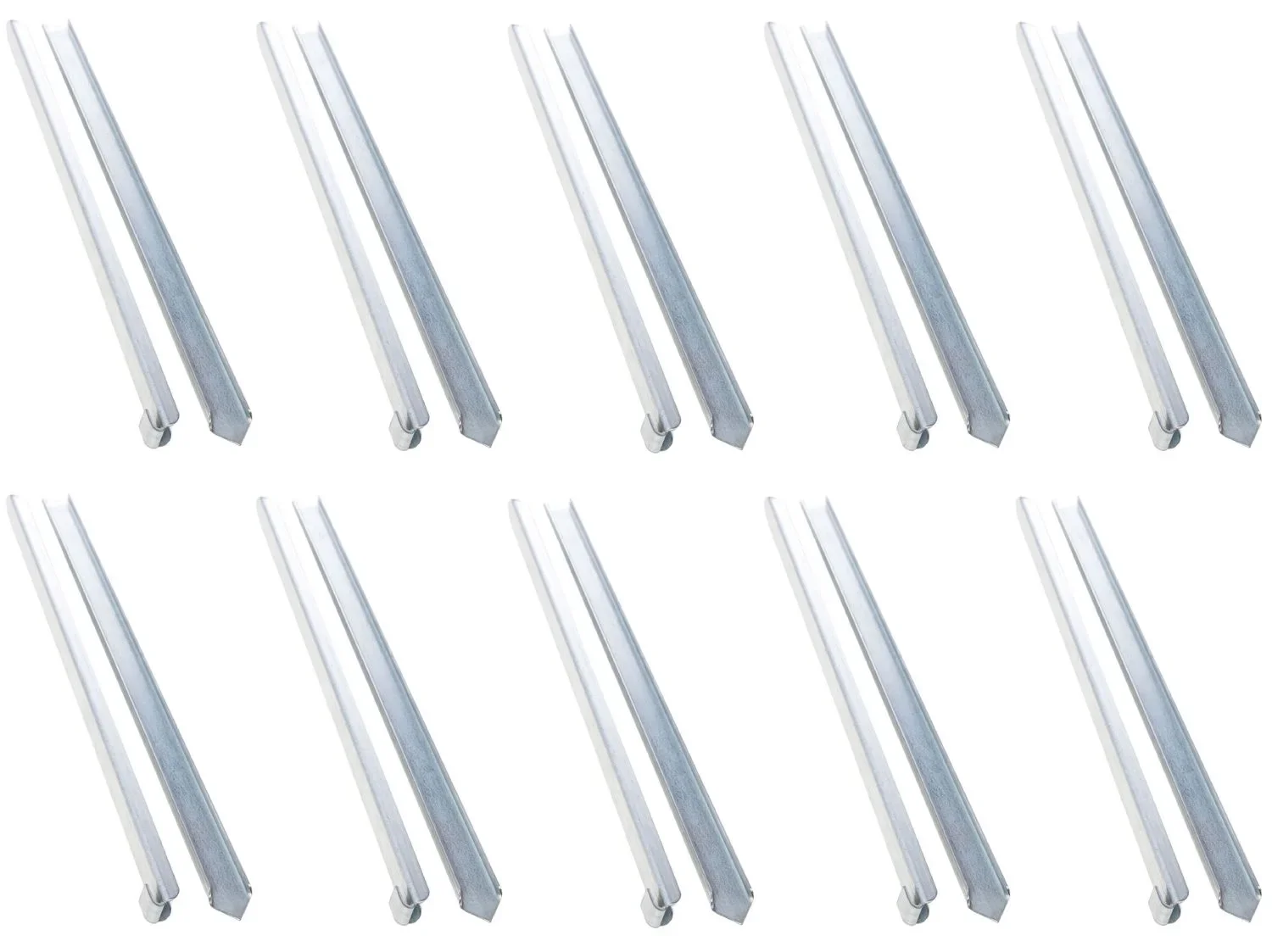
Preparing for winter
Before frost arrives, the lawn should be strong. A special fall lawn fertilizer with a high potassium content strengthens cell walls and increases frost tolerance. The final watering in late fall, before the ground freezes, is important for a good start in spring.
Proper watering is not a mystery. It follows clear principles: water deeply, early in the day, and with the right tools. Put them into practice and you will be rewarded with a lawn that withstands heat waves better, requires less work, and gives you the satisfaction of using water wisely. The best time to start is today by checking your current watering routine.
Frequently Asked Questions
- How often should I water my lawn in summer?
- Water your lawn only once or twice a week in summer, but water deeply each time. Aim for 15-20 liters per square meter. This infrequent, thorough watering encourages grass roots to grow deeper in search of water. As a result, the lawn withstands dry periods better than it would with daily, shallow watering.
- What is the best time to water the lawn?
- Early morning is the ideal time. Temperatures are low, the wind is usually calm, and evaporation is minimal. The water can penetrate deep into the soil before the sun evaporates it. Watering in the evening is the second-best option, but it can encourage fungal diseases because the lawn remains wet overnight.
- How can I tell when my lawn needs water?
- A thirsty lawn develops a blue-green tint and remains visibly flattened after being walked on. The blades bend over and no longer stand upright. A simple test: Push a spade or screwdriver into the soil. If the soil is dry, it will be difficult to push in and will reach a maximum depth of 10 cm. In sufficiently moist soil, it will go deeper easily.
- Can I water my lawn at midday?
- Watering at midday is not recommended. Up to 50% of the water can evaporate due to intense sunlight and heat before it reaches the soil. That is simply a waste of water. In addition, water droplets on grass blades can act like magnifying glasses and cause scorching. Water in the morning instead.
- How can I save water when watering my lawn?
- To save water, collect rainwater in a rain barrel. Use a sprinkler with a large, even coverage pattern and position it only over the lawn, not on walkways. Do not mow the lawn too short (at least 4-5 cm); this helps it shade the soil more effectively. A healthy, fertilized lawn with deep roots also manages without water for longer.