
In brief: To deter raccoons humanely, make your garden unattractive to them. Secure your trash cans, remove fallen fruit, and do not feed pets outdoors. Block access to attics and sheds, and use deterrents such as motion-activated lights, loud noises, or special scents.
Introduction: The masked visitor in the garden
They are intelligent, resourceful, and, with their Zorro-like masks, almost endearing. But when raccoons take over your garden, the fun quickly ends. Dug-up beds, raided trash cans, and noises in the attic are typical signs of these nocturnal visitors. The good news is that you do not need to resort to drastic measures. With clever strategies and a little patience, you can make your property unattractive to these small bandits.
The basic principle of successful, humane deterrence is simple: remove the animals' sources of food and shelter. If there is nothing to find and their stay is uncomfortable, raccoons will look for better territory on their own. It is about prevention and gentle deterrence, not fighting against nature.
Why are raccoons in my garden in the first place?
Raccoons are known as synanthropic animals. They have adapted perfectly to environments shaped by humans and often find better living conditions here than in their original habitat. To a raccoon, your garden is a land of plenty, full of opportunities.
The main attractions
Understand what attracts these animals so you can take targeted action. A raccoon is looking for three things:
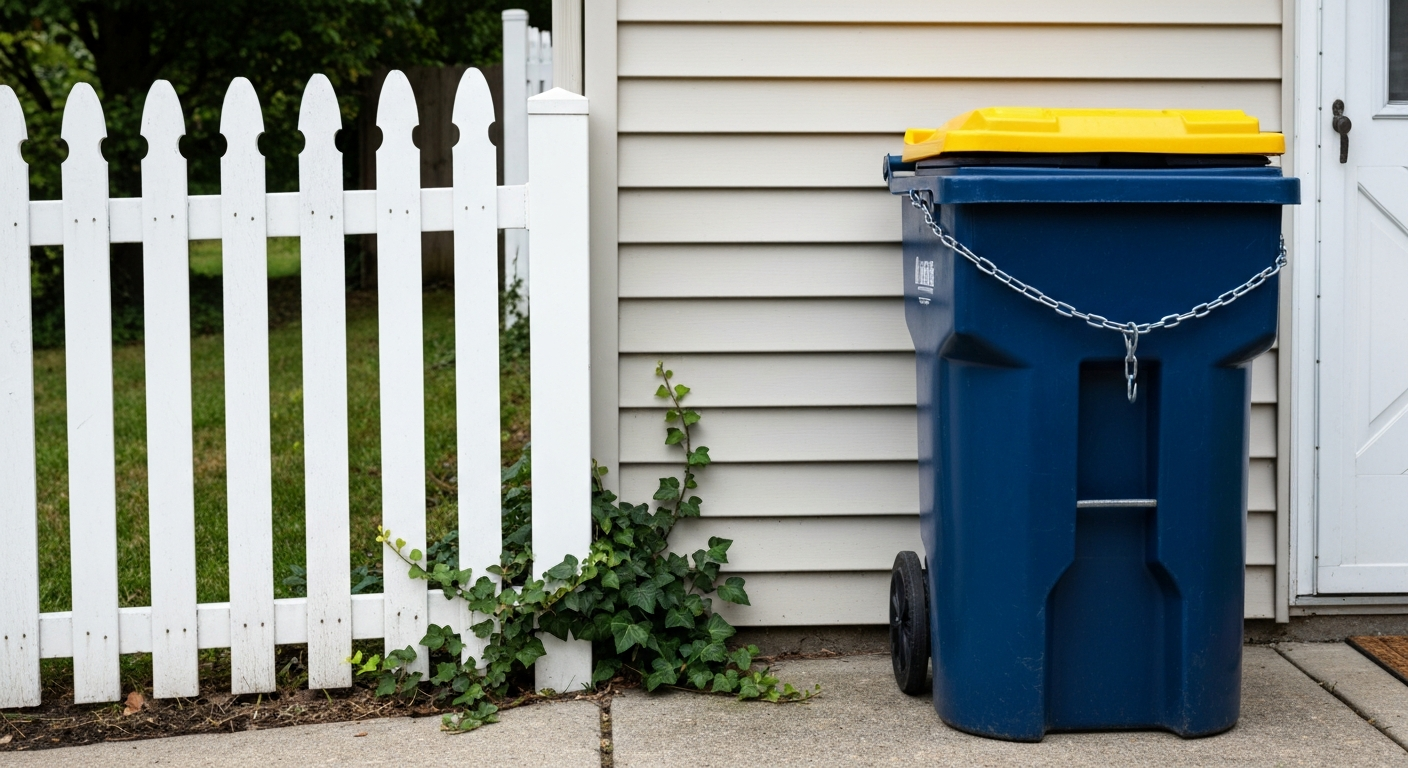
- Food: The biggest temptation. Open trash cans, recycling bags, compost piles containing food scraps, fallen fruit, and pet food are easy pickings. Garden ponds with fish and bird feeders are also targets.
- Shelter: Raccoons need safe places to raise their young and hide during the day. Open garden sheds, unsecured attics, chimneys, dense hedges, and large woodpiles provide ideal protection.
- Water: Rain barrels, birdbaths, and garden ponds are used not only for drinking but also for washing food—a typical behavior that gave the animal its name.
Raccoons are extremely adaptable and intelligent animals. As typical synanthropic animals, they have learned to use human proximity to their advantage. Open trash cans, compost piles, and full pet bowls are like a feast laid out for them.
How can I keep raccoons out of my home and garden?
The most effective method is to cut off the route for these clever climbers. Make your property an impenetrable fortress. This takes some work at first, but pays off in the long term.
Secure buildings and property
Start with a thorough inspection of your house and garden. Raccoons can fit through surprisingly small openings. Look for potential entry points.
- Roof and attic: Seal all holes and gaps. Secure ventilation openings with sturdy metal grilles. A grille on the chimney prevents it from being used as an entrance or nesting site.
- Trees and facades: Trim branches that are less than one meter from the house. This stops the animals from climbing onto the roof. Smooth sheet-metal collars at least 1 meter high around drainpipes prevent the animals from climbing up.
- Doors and windows: Do not leave basement windows or shed doors open. A pet door is an open invitation; use models with a chip reader or close them at night.
Thoroughly pruning trees and large shrubs is part of basic garden maintenance. With the right garden tools, you can keep vegetation under control. The handy and robust
is ideal for removing overhanging branches quickly and cleanly.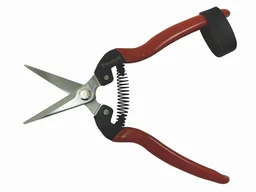
Pro tip
Carry out a thorough inspection of your home in late fall. Before winter arrives, many wild animals look for a warm shelter. By closing off all potential access points now, you can prevent raccoons or martens from settling in for the cold season.
Make food sources inaccessible
No food means no raccoons. Be consistent when managing all potential food sources.
- Trash cans: Secure the lids with tension straps or place heavy stones on top. Ideally, store the cans in a garage or locked shed until pickup day.
- Compost: Open compost piles are tempting. Do not dispose of cooked food scraps, meat, or dairy products there. Enclosed composters or tumbling compost bins are a safer alternative.
- Pet food: Do not feed dogs and cats outdoors. If you do, remove the bowls immediately after feeding. Store food supplies in tightly sealed containers.
- Garden: Harvest ripe fruit and collect fallen fruit every day. If necessary, protect valuable beds or ponds with netting. A tidy yard waste bag helps you bundle and dispose of garden waste quickly.
What home remedies and methods deter raccoons?
If prevention isn't enough or you already have unwanted visitors, you can use several deterrent methods. The goal is to make your property as unappealing as possible as a place to stay. Raccoons are clever, so combine and vary your approach to keep them from getting used to any one method.
Deterring raccoons with noise and light
Raccoons are shy and avoid noise and sudden bright light. Use this to your advantage.
- Motion-activated lights: A spotlight that suddenly switches on in strategic locations, such as near the patio, compost bin or garden pond, will startle raccoons and send them running.
- Radio: A weatherproof radio playing quietly at night can simulate human presence and make raccoons uneasy.
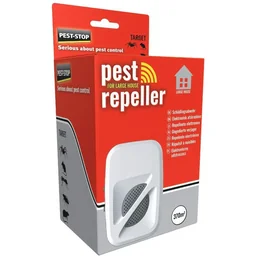
- Ultrasonic devices: Devices such as the emit sounds at frequencies people can't hear but many animals find unpleasant. Their effectiveness can vary, but they're worth a try. Place the device along the animals' routes.
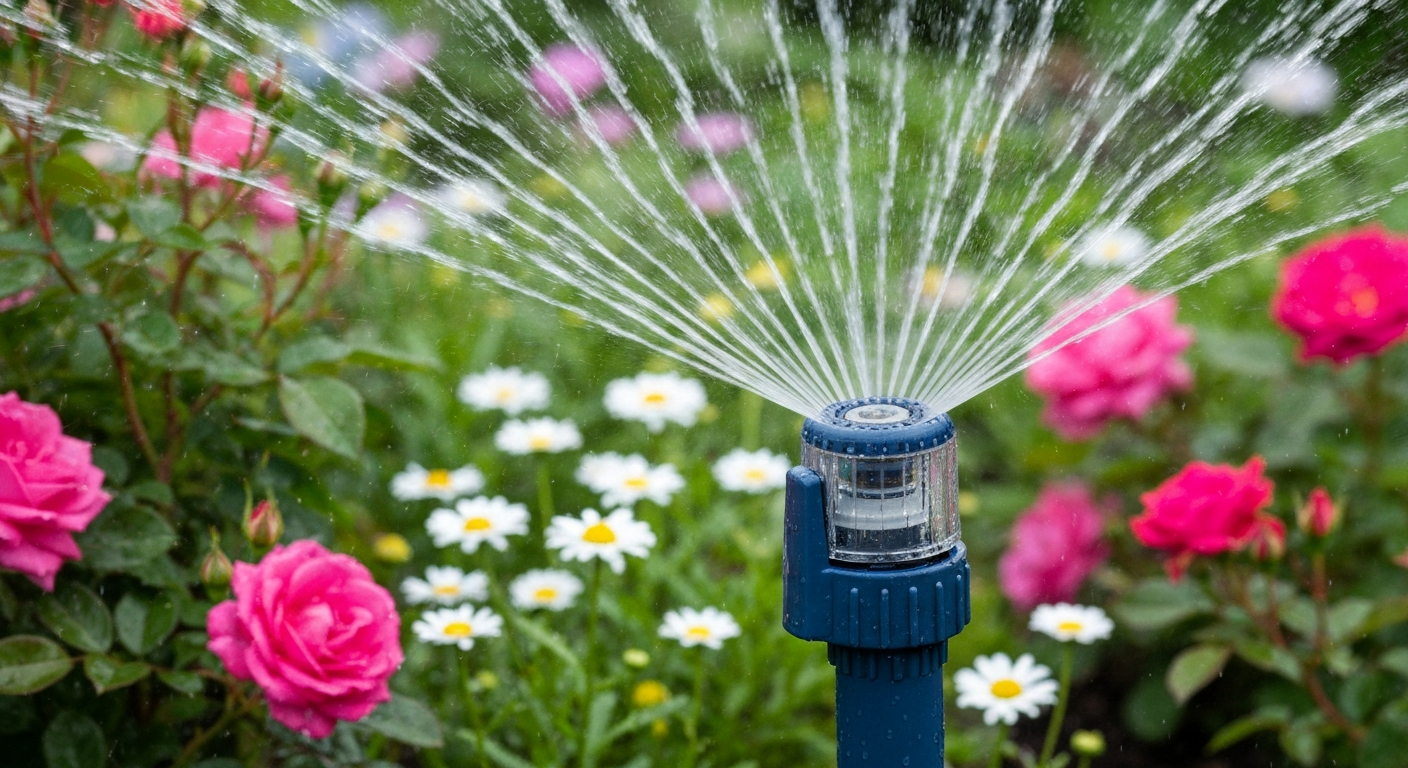
- Water spray: A sprinkler connected to a motion sensor can give raccoons an unwelcome and highly effective surprise.
Deterring raccoons with smells
A raccoon's keen sense of smell is both its strength and its weakness. Strong odors can act as a deterrent.
- Hot spices: Sprinkle cayenne pepper or chili powder in affected areas. Reapply after rain.
- Soaked rags: Cloths soaked in ammonia or vinegar and placed near trash cans or entry holes may help. Take care when handling these substances.
- Special repellents: Specialty retailers sell animal repellents made with biological odorants designed to keep wild animals away.
Additional advice
Raccoons learn quickly. A method that works today may be ignored tomorrow. Change your deterrent strategy every few weeks. Switch the scent, move the radio or reposition the spotlight. This keeps your approach unpredictable and makes the garden an uncomfortable place to be.
What legal requirements apply when dealing with raccoons?
Even if the nuisance is frustrating, you must not simply trap, injure or kill raccoons. The animals are protected under hunting law, which sets strict rules for handling them. Don't take matters into your own hands, or you could face legal consequences.
Important note
Live traps may only be used by people with a valid hunting license. A trapped raccoon must not simply be released elsewhere, as this could contribute to the spread of disease and would only move the problem. If you have serious problems, always contact the responsible hunter or local hunting authority.
A
is a professional tool that belongs in the hands of experts. For private garden owners, the deterrent methods above are the right and legal approach. The focus should always be on an animal-friendly solution that protects your property while respecting animal welfare. You can choose your entire garden equipment to give wild animals as few opportunities as possible to cause problems.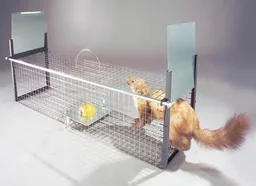
Trapping and killing raccoons is not a sustainable solution. When one animal is removed, another soon takes its place. The key to success is making the habitat as unattractive as possible to raccoons. Prevention is always more effective than confrontation.
Conclusion: Patience and consistency lead to success
Getting raccoons out of your garden is a marathon, not a sprint. These intelligent animals will test your defenses. Stay consistent and combine different methods. By securing food sources, blocking access points and disrupting their stay with light, noise and smells, you send a clear message: this garden isn't a good place for a raccoon.
With a well-planned strategy, you can protect your property and promote peaceful coexistence between people and wildlife. Find useful helpers in Westfalia's extensive Garden + Outdoor range to support your efforts.
Frequently Asked Questions
- Which smells do raccoons dislike?
- Raccoons have sensitive noses and avoid strong, unpleasant smells. These include cayenne pepper, hot chilli powder, ammonia and vinegar. Commercial raccoon repellents based on odours can also be effective. Apply them along paths or in affected areas.
- Can raccoons climb fences?
- Yes, raccoons are excellent climbers. A standard garden or chain-link fence is no obstacle for them. To make a fence raccoon-proof, it needs to be very high, fitted with an overhang deterrent or designed as an electric fence based on the principles of an animal fence.
- Does ultrasound really work against raccoons?
- The effectiveness of ultrasonic devices is disputed. Some garden owners report success because the high frequencies are unpleasant for the animals. However, raccoons are highly adaptable and may get used to the sounds. Combining ultrasound with other methods is advisable.
- Am I allowed to trap a raccoon?
- No, as a private individual you are not allowed to trap a raccoon. Raccoons are subject to hunting law. Only people with a valid hunting licence are permitted to set live traps and handle the captured animal. If you have a serious problem, contact the responsible gamekeeper or local hunting authority.
- What do raccoons like to eat in my garden?
- Raccoons are omnivores. In gardens, they are especially attracted to unsecured wheelie bins, compost heaps containing food waste, windfall fruit, berries, insects, earthworms and food left out for cats or dogs. Garden ponds containing fish or frogs are also a popular food source.
You might also be interested in
- How to Deter Moles: Humane Methods for Your Garden
- How to Deter Wasps: Effective and Bee-Friendly Methods
- Martens in the Garden: How to Protect Your Plants and Equipment
- How to Get Rid of Rats in the Garden: Effective Methods
- How to Deter Birds Effectively: 7 Poison-Free Tips for Your Garden and Crops
- Solar Animal Repellers vs. Home Remedies: Which Is Better?