
In brief: Choosing the right hydraulic components depends on your equipment and the work you plan to do. Adjustable elbow fittings are ideal for simple connections on smaller machines. For demanding sealing applications, specialized connection accessories are a good choice. Dust protection for quick-connect couplings can significantly extend the service life of all components. Our comparison helps you find the right solution.
Hydraulics are the lifeblood of farm equipment. They transfer power precisely to lift arms, loader buckets, and rotary drives. A reliable hydraulic system is essential for farm productivity and safety. In this 2026 comparison, we look at the key components and offer practical buying advice. Find out what to consider when choosing so you can find the right solution for your needs.
Table of contents
Which hydraulic components do I need?
A hydraulic system requires several types of components. First, you need pipes and hoses to connect the main pump to components such as cylinders and motors. Fittings are used at junctions and branch points.
Elbow fittings are especially useful. They let you route pipes around corners to save space or fit them into tight areas of a machine. A poor connection can become a weak point.
Protection is important alongside the working components. Quick-connect couplings that are not in use must be kept clean. Properly sealing every connection is also essential for long-term reliability.
Tip: Plan your hydraulic system from the pump to the components it powers. Note every required transition, elbow, and connection. This helps you avoid ordering the wrong parts and ensures all components are compatible.
Test focus: Adjustable elbow fittings
Adjustable elbow fittings offer plenty of flexibility. You can fine-tune the angle after tightening them. They are ideal when you cannot plan the pipe routing precisely or need to allow for tolerances.
For this comparison, we took a close look at several sizes. The for tubes with a 10 mm outside diameter is ideal for smaller machines or control lines. It is well made, and the adjustment mechanism works smoothly.
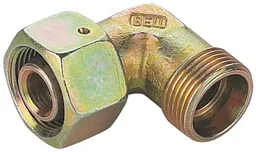
For standard main pressure lines, the for a 15 mm outside diameter is a good choice. Its sturdy design can handle the pressures typically found in farm equipment. The larger 12 mm version, the
, bridges the gap between the two.
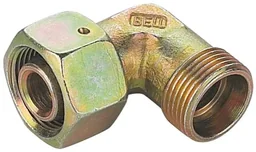
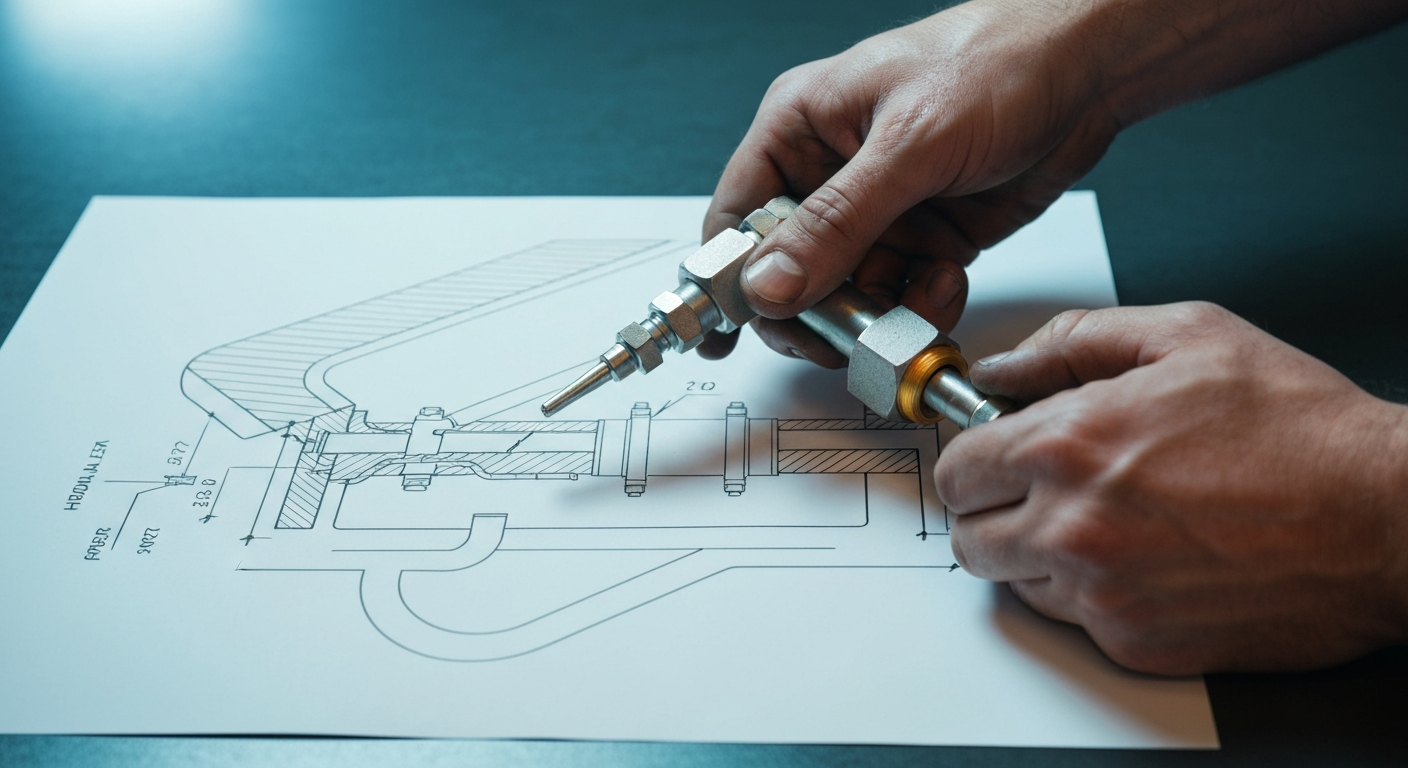
This range offers consistent quality. You can easily reorder or replace components as needed.
What to look for when buying
Size is the most important factor. A fitting that is too large will not secure properly, while one that is too small will not fit. Always check the exact outside diameter of your tube.
Check the permitted pressure rating. The manufacturer's specifications must match your system. Also consider the temperature range, especially if you use the machine outdoors.
Warning: Never use damaged or corroded fittings. Even a small crack can cause a dangerous oil leak under pressure. Replace damaged parts immediately. Safety must come first.
Protection and Sealing Compared
A properly functioning hydraulic system is sealed. Any foreign material that gets inside can cause damage. Dust caps are a simple, effective way to keep contaminants out.
We tested the (black) and the (blue). Both do the job reliably. Color coding can help identify different circuits. The material resists oil and stays flexible even when temperatures fluctuate.


An O-ring is often needed to create a leak-proof connection between fittings. Installing one by hand can lead to mistakes. A ready-to-use part such as the is a better choice. It comes with the O-ring already installed, saving time and helping prevent leaks.

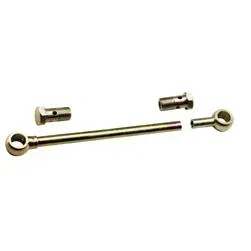
Specialized is essential for more complex connections, such as those on lock blocks. It helps the connection withstand full system pressure and prevents dead spaces where fluid can collect.
How do I choose the right hydraulic fittings?
Start by assessing your needs. Which machine needs equipment or repairs? What problem are you trying to solve? Are you replacing a faulty connection or connecting a new piece of equipment?
Then compare the technical specifications of the products you're considering with your requirements. Use our comprehensive
The highest-rated hydraulic products in our range, compared side by side:
| Model | Customer rating | Availability |
|---|---|---|
| Adjustable elbow fitting, 10 L, for hydraulic pipes with a 10 mm outer diameter | – | Currently unavailable |
| Adjustable elbow fitting, 12 L, for hydraulic pipes with a 12 mm outer diameter | – | Currently unavailable |
| Adjustable elbow fitting, 15 L, for hydraulic pipes with a 15 mm outer diameter | – | Currently unavailable |
| Angle lever coupling, size 1, set of 4 | – | Currently unavailable |
| Black dust cap for hydraulic quick-connect coupler | – | Currently unavailable |
Plan ahead. Would it make sense to keep a few spare parts on hand? A set such as the can help you prepare for the next breakdown.

Note: The quality of hydraulic components directly affects the service life of your entire system. Choose proven products from trusted suppliers. Browse our agricultural machinery and equipment range to find everything in one place.
Why compatibility matters
Not every part fits every other part. Check thread standards (e.g. metric, Whitworth) and coupling systems. If you're unsure, consult your machine manufacturer's technical drawings or contact our specialist sales team.
Installation and Maintenance
Proper installation is half the job. Always use clean tools and work in an area that is as dust-free as possible. Clean the threads and sealing surfaces before assembly.
Use the correct tightening torque. Overtightening can damage the seal, while insufficient tightening can cause leaks. A torque wrench is a worthwhile investment.
After installation, test the system at low pressure first. Check for leaks before applying full operating pressure.
Regular inspection
Include the hydraulic system in your regular machine inspections. Look for wet spots, cracked hoses, or corroded connections. Replace dust caps when they become brittle.
Future Trends in Agricultural Machinery Hydraulics
Hydraulic systems continue to evolve. One trend is toward more compact, lightweight components that maintain performance. This saves weight and space in machinery.
Controls are becoming smarter. Electrohydraulic valves controlled directly by a tractor's electronics enable more precise, energy-efficient operation. Reliable mechanical connections remain the foundation.
Sustainability is becoming increasingly important. System leaks are receiving closer attention to keep oil out of the environment. High-quality components help prevent leaks.
To prepare for these developments, build a solid foundation of knowledge. Learn more in our agriculture category.
Conclusion: Choosing the right hydraulic equipment takes careful planning. Start by assessing your needs, then select compatible, high-quality components. Our test and comparison help you make an informed decision. Choose quality, check compatibility, and protect your investment. That will help your machines last longer and run efficiently.
Frequently Asked Questions
- How do I choose the right size for an elbow fitting?
- Measure the outside diameter of your hydraulic pipe precisely. Common sizes are 10 mm, 12 mm or 15 mm. The wrong size can cause leaks and pressure loss. Always compare the product specifications with your existing system, for example for PRODUCT_96670 or PRODUCT_116394.
- Why is dust protection so important for hydraulic quick-connect couplings?
- Fine dust and dirt can get into unprotected quick-connect sockets and damage the precision sealing elements. This can lead to leaks and system failures. Simple protective caps such as PRODUCT_138584 or PRODUCT_137101 reliably prevent this and are a worthwhile investment.
- Can I combine hydraulic components from different manufacturers?
- It is possible, but you must pay attention to standards and compatibility. The connector type, pressure range and sealing systems are crucial. For projects like these, use special adapters such as PRODUCT_82577 to ensure a secure, leak-proof connection.
- When do I need special seals such as O-rings?
- O-rings are used for static, flat-sealing connections, such as connection ports. They can be damaged during installation. A pre-assembled product such as PRODUCT_135487, with the O-ring already fitted, improves installation reliability and sealing performance.
- How can I identify a high-quality hydraulic component?
- Look for precise workmanship without casting seams or sharp edges. The material should be robust and the surface protection, often galvanisation, should be intact. Reputable manufacturers provide clear pressure and temperature specifications. Rely on established sources such as our hydraulic range.