
In brief: Aphids are small, sap-sucking insects that gather on shoot tips and the undersides of leaves. You can identify them by distorted leaves, sticky honeydew and black sooty mould. To control them, start with biological methods such as a strong jet of water, beneficial insects or a soap solution. Chemical products should be a last resort.
Identify and Control Aphids: Effective Garden Strategies
You spot small green, black or red dots on your rose buds. The leaves are curling and feel sticky. Aphids have arrived. This guide shows you how to identify these pests safely and get rid of them using sustainable methods.
How can I identify an aphid infestation?
Aphids are only a few mm in size. They usually sit in colonies on young, soft shoot tips, the undersides of leaves and buds. There, they pierce plant tissue with their sucking mouthparts and drain nutrients.
The first visible symptom is often distorted or curled leaves. Look for a shiny, sticky coating on the leaves. The aphids secrete this honeydew. It attracts ants and provides a breeding ground for sooty mould.
These fungi appear as a black, dusty coating. They impair the plant's photosynthesis. A severe infestation causes stunted growth and can transmit viruses.
“A single aphid infestation is rarely catastrophic. The real problem is exponential reproduction. Under ideal conditions, one aphid can produce billions of offspring within a single season.”
Why are aphids so common in gardens?
Aphids have a unique biology. Many species reproduce through parthenogenesis in summer. Females give birth to live, already pregnant females. As a result, the population can explode within just a few days.
They also have many natural enemies. However, these beneficial insects often appear only once the infestation is already severe. Monocultures and a lack of flowering plants make the problem worse.
Weak plants are more susceptible. Too much nitrogen fertiliser produces soft, sap-rich tissue. This is ideal for aphids. Drought stress or an unsuitable location can also leave the door open to pests.
Expert tip
Check your plants regularly, especially at the shoot tips. At the first signs of aphids, a strong jet of water is often enough. This prevents a mass infestation from developing in the first place.
How can I control aphids naturally?
Biological pest control works with nature, not against it. The first step is mechanical. Spray the colonies off the plant with a hard jet of water. Many aphids will not survive the fall.
Encourage natural enemies. Ladybirds, lacewing larvae, hoverflies and parasitic wasps are efficient predators. Plant herbs from the carrot family, such as dill or fennel. They attract these beneficial insects.
For biological pest control, our range also includes products that are gentle on beneficial insects. An insect-friendly garden is the best long-term solution.
For persistent infestations, a homemade soft soap solution can help. Mix one tablespoon of pure potassium soap (soft soap) with one l of water. Spray it onto the aphids. The soap coats the insects and blocks their breathing openings.
Neem oil has a systemic effect and disrupts the aphids' hormonal balance. It is an approved and relatively gentle product made from the seeds of the neem tree.
Which home remedies really work?
Not every home remedy is effective or gentle. Milk-and-water mixtures may help against powdery mildew, but they have little effect on aphids. Black tea and coffee grounds have not been proven to work reliably.
Rapeseed oil emulsions suffocate aphids in a similar way to soap solutions. Pay attention to the dosage. Concentrations that are too high can also block the plant's pores. Always test each solution on a single leaf first.
Important note
Never use washing-up liquid or conventional soaps containing fragrances and additives. They can damage the waxy coating on the leaves and seriously harm the plant. Always use pure potassium soaps.
When are chemical plant protection products necessary?
Chemical products should be the last option. They often harm beneficial insects too and can disrupt the ecological balance in the garden. Use them only when plants are at serious risk and all other methods have failed.
Choose products specifically approved for aphids. Broad-spectrum insecticides kill all insects. Follow the application instructions carefully. Spray in the late evening, when bees and other pollinators are no longer active.
In our pest and plant protection section, you will find targeted products. Before using them, check the application instructions and waiting period carefully.
Systemic products are absorbed by the plant. Aphids take in the active ingredient while feeding. These products work for longer, but they also put more stress on the plant. Contact products work only where they are sprayed.
“Chemical warfare is a punch in the face for your garden's ecosystem. Aphids often return more quickly afterwards because their natural enemies have also been eliminated. It is better to strengthen your garden's resilience.”
How can I prevent another infestation?
Prevention is the key to a healthy garden. Create an environment where beneficial insects want to live. A well-equipped garden with nesting aids, deadwood areas and a water source can help.
Plant species that naturally deter pests. Lavender, thyme, savory and sage contain essential oils that make them unattractive to many pests. Use them as borders around your beds.
Strengthen your plants from the ground up. A balanced supply of nutrients makes plant tissue more resilient. Avoid over-fertilising with nitrogen. Instead, use a balanced plant fertiliser.
Water regularly and avoid drought stress. Mulch the soil. This retains moisture and encourages healthy soil life. Healthy plants are better at resisting pests.
Additional advice
Ants farm aphids like livestock and protect them from predators. Break up this partnership. Disrupt ant trails with barriers or redirect the ants. This leaves the aphids without their protectors.
The right care with the right tools
Regular thinning and proper pruning improve air circulation around plants. Dense, damp bushes are a paradise for aphids. Use sharp, clean tools to work carefully.
For precise cuts on infested shoots, a reliable pair of secateurs is essential. The
is a versatile helper for this kind of work. It makes clean cuts without crushing the plants and helps you remove infested plant parts quickly.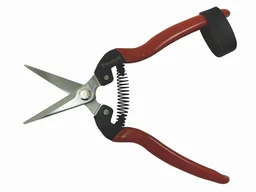
Do not put heavily infested plant parts on the compost heap. The aphids could survive. Put them in the general waste bin or destroy them.
Conclusion: Stay Calm and Be Systematic
Aphids are part of the garden, just like earthworms are part of the soil. A zero-tolerance approach is unrealistic and harmful to the environment. Accept a small infestation as a food source for beneficial insects.
Act early and use mechanical methods. Encourage biodiversity in your garden. This is the most sustainable form of pest control. Chemical treatments should remain an emergency measure.
With regular monitoring, the right plant-strengthening measures and a range of biological methods, you can keep the population under control. Your garden will become more resilient and full of life – without any toxins.
Frequently Asked Questions
- Which plants are particularly susceptible to aphids?
- Roses, hibiscus, nasturtiums, beans and young shoots of fruit trees strongly attract aphids. Plants stressed by drought, over-fertilisation or an unsuitable location are also at risk. Balanced plant care is the best preventive measure.
- How can I get rid of aphids without chemicals?
- Wash the aphids off with a strong jet of water. Introduce beneficial insects such as ladybird larvae or lacewings. Spray infested areas with a soft soap solution (1 EL pure soap in 1 Liter of water). These methods are effective and environmentally friendly.
- Do aphids cause lasting damage to my plants?
- A light infestation rarely causes lasting damage to healthy plants. A heavy infestation weakens the plant by sucking its sap, spreads viruses and the sticky honeydew attracts sooty mould fungi. These fungi interfere with photosynthesis. Take action promptly.
- Do aphids keep coming back?
- Yes, aphids reproduce rapidly and can appear several times during the season. Ants even carry them onto plants. A sustainable approach involving beneficial plants for natural enemies and regular monitoring is the most effective way to break the cycle.
- What attracts aphids’ natural predators?
- Plant umbellifers such as dill, fennel or wild carrot. These provide lacewings and ladybirds with food and habitat. An insect-friendly garden with flower strips and hiding places is the best long-term strategy against pests.
You may also be interested in
- Getting Rid of Aphids: Biological Methods for the Garden
- Understanding and Controlling Aphids: Keep Them in Check All Year Round
- Getting Rid of Aphids with Milk: The Natural Solution
- Caterpillars in the Garden: How to Identify and Control Them – A Guide
- Natural Aphid Control: Using Lacewing Larvae
- Getting Rid of Black Aphids: Effective Natural Remedies