
In brief: Infrared picture heaters are a modern heating solution that combines efficiency and style. Instead of heating the air, they warm people and objects in the room directly with radiant heat. This can save energy, create a comfortable indoor climate and blend seamlessly into your home as customisable artwork, helping you cut heating costs in style.
Imagine a heater that does not sit awkwardly in a corner but decorates your wall as a stylish work of art. One that does not circulate the air but provides pleasant, sun-like warmth. That is exactly what infrared picture heaters offer. They are a smart response to rising energy costs and the desire for a beautiful home.
This technology combines modern heating with individual Style & Design. Forget everything you know about conventional radiators. Discover a solution that warms your home, adds style and helps you save.
How does an infrared picture heater work?
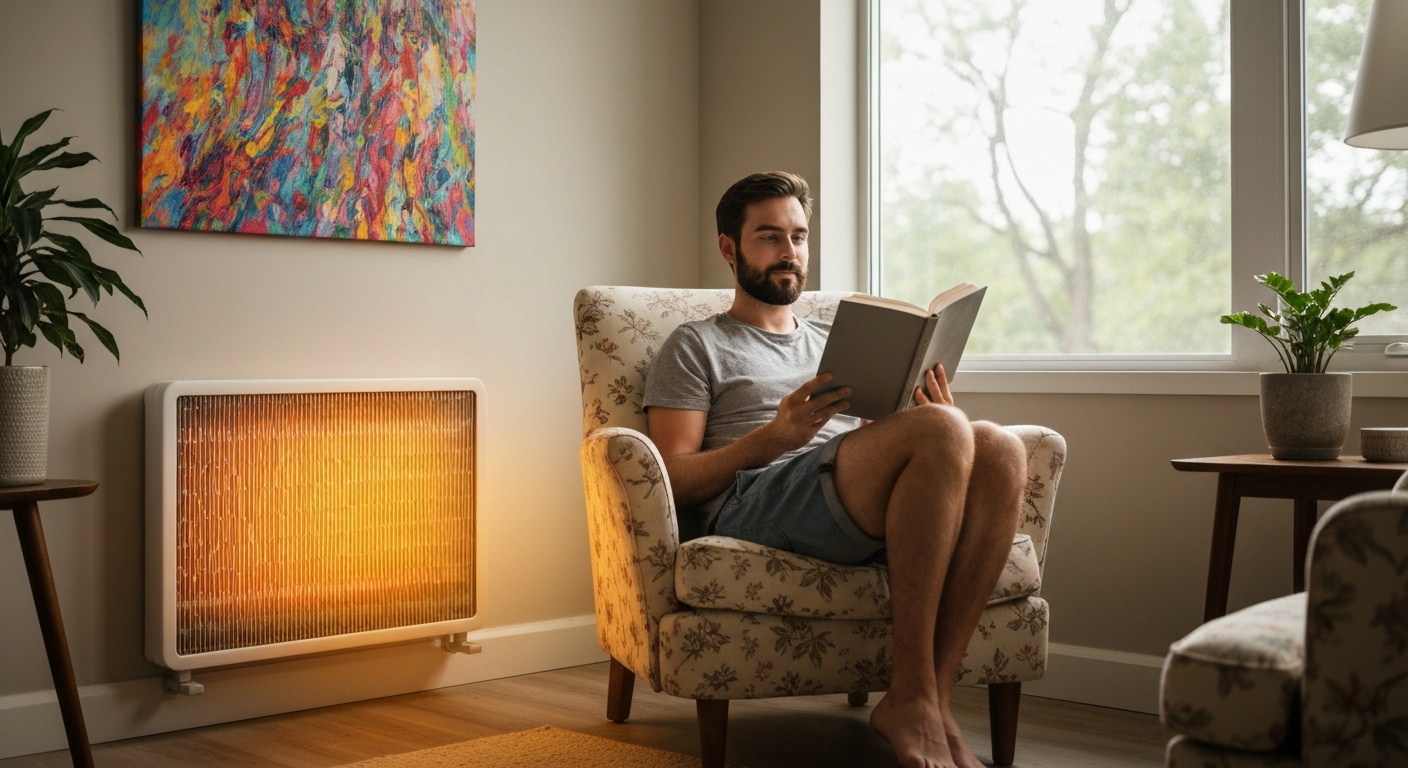
An infrared picture heater works on the principle of radiant heat, just like the sun. Instead of slowly heating the air through convection, the heating elements emit long-wave infrared rays. These rays do not primarily heat the air; they warm the objects, walls and people in the room directly.
These solid surfaces store the heat and release it evenly back into the room. The result feels like sitting in the sun. The warmth is immediate, direct and free from the dry, dusty air often associated with convection heaters.
What are the benefits of an infrared picture heater?
The combination of efficiency, design and comfort makes infrared picture heaters an attractive alternative. They address several drawbacks of traditional heating systems and offer practical benefits for your budget and quality of life.
Greater efficiency and lower heating costs
Because infrared heat acts directly, less energy is lost through air circulation and draughty windows. You heat the areas where you spend time. The room can feel warmer at the same air temperature, so you may be able to lower the thermostat by 2-3 °C without sacrificing comfort. This can noticeably reduce your heating costs.
Additional advice
Pair your infrared heating system with an external thermostat such as the
. This lets you set the room temperature precisely and schedule heating times. The heater runs only when you need warmth, helping you make the most of your energy savings.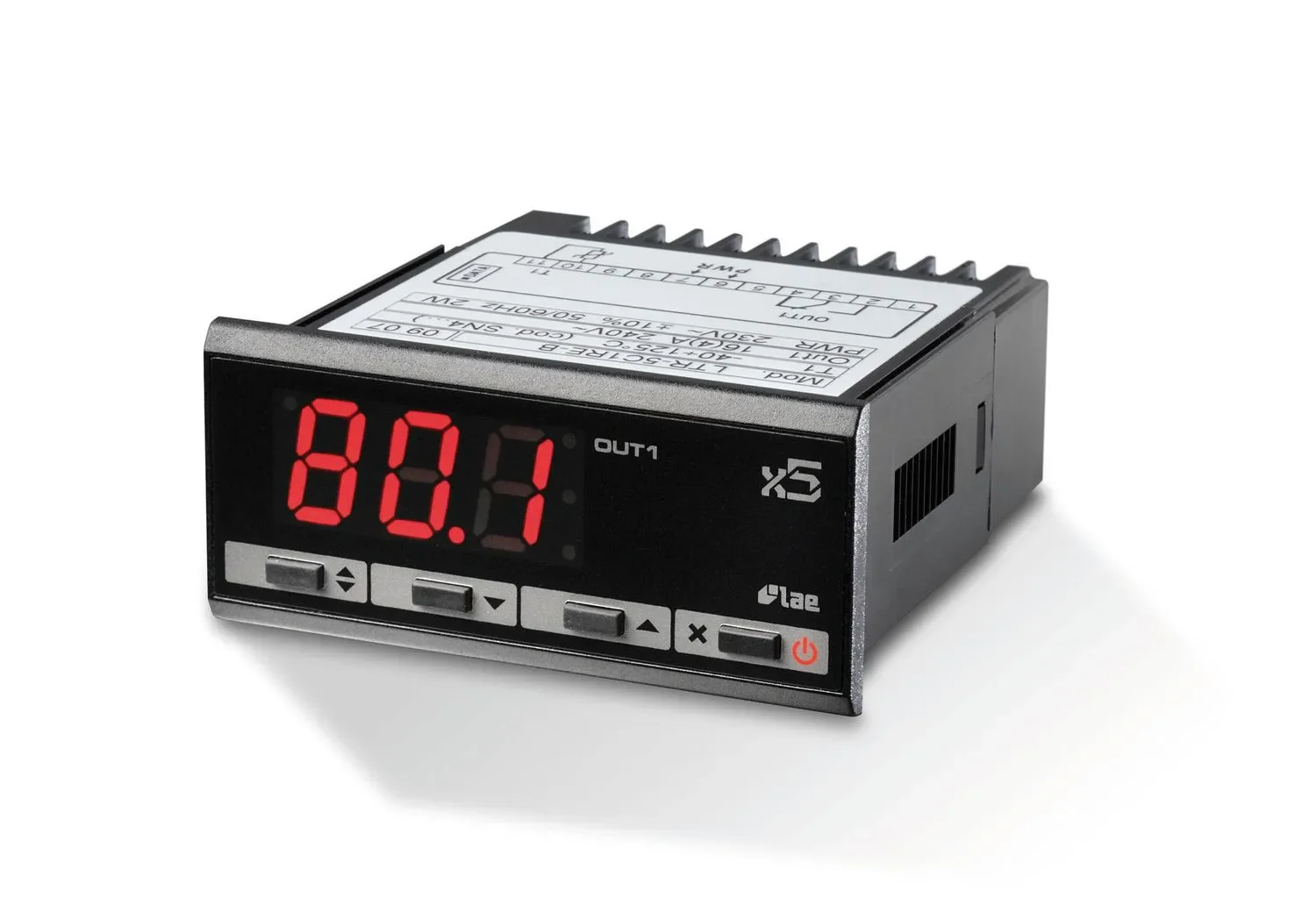
Style meets function: the designer heater
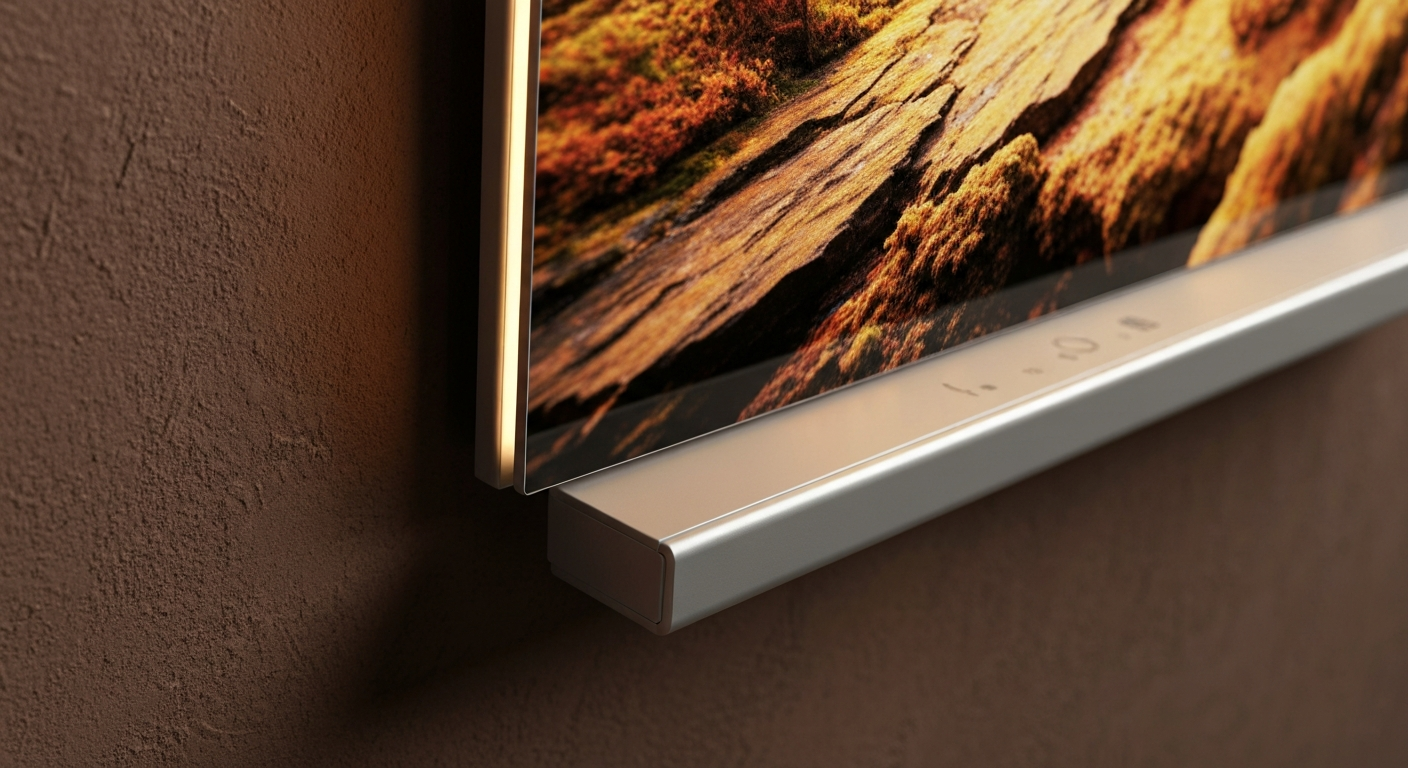
Its biggest visual advantage is that it blends in. An infrared picture heater is a heater that can disappear into your décor. Choose a photo from your last holiday, a famous work of art or an abstract design. The heating element sits behind a high-quality printed surface, turning the heater into part of your personal wall décor with Patterns & Design. It creates a warm atmosphere without disrupting the look of the room.
Good design is as little design as possible.
A healthy indoor climate and greater comfort
Traditional radiators stir up dust, allergens and pet hair as they circulate air. This can be a problem for people with allergies or asthma. Infrared heaters barely move the air, so they avoid this effect. Humidity remains stable, helping to prevent dry mucous membranes and irritated eyes in winter. The rays also warm the walls, helping to prevent moisture and mould.
Easy installation and maintenance-free operation
Installation is straightforward. Mount the picture heater on the wall with a few screws, plug it into an outlet and it is ready to use. There are no water pipes, complex connections or need for a heating engineer. Unlike water-based systems that need regular bleeding with tools such as a
, infrared heaters are maintenance-free.
Where are picture heaters best used?
Infrared picture heaters are versatile. They can serve as the only heat source in modern, well-insulated rooms or provide flexible, fast supplementary heat in almost any part of your home.
- Living room: Hung above the sofa like a work of art, it provides targeted warmth for cosy evenings.
- Bedroom: Silent warmth helps you sleep undisturbed, without dry heated air.
- Bathroom: Enjoy quick warmth in the morning and dry walls that help keep mould at bay.
- Home office: Get focused warmth at your desk without heating the entire room.
- Children's room: A safe heat source with no hot surfaces, featuring a child-friendly baby furniture design as the image.
- Hallway or sunroom: In areas you use less often, they provide quick, convenient warmth when needed.
Pro tip
Position your infrared picture heater so it radiates towards the areas where you spend the most time, such as the seating area or dining table. Avoid placing it directly opposite windows or behind large pieces of furniture to get the most from its heat.
What should you consider when buying an infrared picture heater?
To make the right choice and enjoy your new heater for years to come, consider several factors. The quality of the materials and technology is crucial to its performance and durability.
Compared with convection heaters, radiant heating can achieve savings of between 30 and 50 percent because the room air temperature can be two to three degrees Celsius lower while providing the same perceived warmth.
Choosing the right wattage
The required wattage depends on the room size, ceiling height and the building's insulation. As a general rule of thumb:
- Well-insulated new build: approx. 50-70 watts per m²
- Normally insulated older building: approx. 80-100 watts per m²
- Poorly insulated older building: approx. 110-130 watts per m²
A 15 m² room in a normally insulated home therefore needs a heater with around 1200 to 1500 watts. You can also spread the output across several smaller panels.
Print and material quality
The surface of a picture heater is usually made of toughened safety glass or powder-coated metal. Look for a high-quality, UV-resistant print so the colors stay vibrant for years. Glass surfaces often have a particularly elegant look and are easy to clean.
Important note
Never cover an infrared heater or hang fabrics over it. The surface gets warm and needs to radiate freely to work correctly and prevent overheating. Keep it a safe distance from furniture and curtains, as specified by the manufacturer.
Safety features and certifications
Look for quality products with relevant certification marks such as TÜV or GS (Geprüfte Sicherheit). Integrated overheat protection is an essential safety feature. It automatically switches the unit off if it gets too hot. You should also check that the manufacturer offers an adequate warranty.
Infrared picture heaters are more than just a source of warmth. They make a statement about modern, mindful living. They combine efficiency, health benefits and sophisticated Scandinavian design in a smart heating solution that fits seamlessly into your life. Don't just heat your rooms—make them part of your design, too.
Frequently Asked Questions
- How much electricity does an infrared picture heater use?
- Electricity consumption depends on the unit's wattage, room size and insulation. By heating specific areas for short periods and using a thermostat, you can control consumption precisely and reduce it significantly compared with conventional electric heaters, which have to heat the entire room.
- Is the infrared radiation from a picture heater harmful?
- No, the radiation is completely harmless. Picture heaters use long-wave infrared-C radiation, the same type of heat radiation produced by the sun or a tiled stove. It creates warmth that feels particularly pleasant and has no negative effects on health.
- Can I choose any image for my picture heater?
- Yes, many manufacturers let you upload your own photo or choose from a large image gallery. This turns the heater into a unique work of art that perfectly matches your decor. For the best print results, make sure your image has a high resolution.
- Can a picture heater be used as the only heat source?
- In well-insulated new builds or smaller rooms, an infrared heater may be sufficient as the sole heat source. In older buildings or large living areas, it works well as a flexible supplemental heater, warming specific zones quickly and efficiently while reducing the load on the main heating system.
- How do you install an infrared picture heater?
- Installation is remarkably simple. Mount the heater on the wall like a picture using the included bracket, then plug it into a standard outlet. No complicated installation, pipes or appointments with contractors are required. You can start heating right away.
You might also be interested in
- Heating advice: Heat efficiently and sustainably
- Low-temperature radiators: Efficient heating with a heat pump
- Convector heaters: Heat efficiently and save money
- Efficient electric heating: Modern solutions compared
- Heated towel rails as a design feature in the bathroom
- Reduce heating costs: Bleed and use radiators correctly