
In brief: The right insect protection depends on where you plan to use it. Electric vaporizers such as PRODUCT_72752 work well indoors, while solar-powered lanterns such as PRODUCT_73735 are handy for patios. When you’re outdoors, wear suitable clothing and use insect repellent. Our comparison looks at which technologies offer reliable protection and what to consider when you buy.
Stings, buzzing, and crawling insects can ruin a garden party, a relaxing camping trip, or a peaceful night’s sleep. But different insects call for different solutions, and no single method works best in every situation. Our 2026 insect repellent comparison will help you find your way through the options. We explain which technologies work, where they’re most effective, and what they’re best suited for, so you can find the right protection for your home, garden, and outdoor activities.
Table of contents
What types of insect protection are available?
Insect protection generally works in one of three ways: mechanical barriers, chemical repellents, or physical and biological methods. Each has its own advantages and disadvantages.
Mechanical protection
Mechanical protection includes barriers that keep insects from getting inside. Options include classic window and door screens, mosquito nets for beds or tents, and clothing made from tightly woven fabric. The main advantage is that these methods are completely chemical-free. They’re a good choice for people with allergies, households with young children, and long-term protection in bedrooms and living areas.
Chemical protection
Chemical methods repel or kill insects with active ingredients. They include mosquito sprays and other skin repellents, plug-in vaporizers, mosquito candles, and mosquito coils. They can provide reliable protection over a wide area, as with a plug-in mosquito repellent. Always follow the directions, especially in sensitive environments.
Use chemical products with care: Keep all chemical insect repellents out of the reach of children and pets. Don’t apply skin repellents to large wounds or mucous membranes. Air out rooms thoroughly after using a vaporizer.
Physical and biological protection
These methods use light, traps, natural predators, or attractants. UV light traps draw in insects and kill them with an electric shock. Glue traps catch insects without poison. is an example of a professional glue board trap. Biological methods include bat houses and using nematodes in the garden. These options are environmentally friendly, but they’re usually more targeted and cover a smaller area.

How do I find the right product?
Before you buy, answer these four questions to find the best solution for your needs.
1. Where will you use it?
Do you need protection indoors, around a patio seating area, or for outdoor activities such as camping? Vaporizers and screens work well in enclosed spaces. For a small outdoor area, such as around a garden table, try a lantern or coil. If you want to move freely while hiking, sprays or specialized clothing are good options.
2. Which insects do you need protection from?
Mosquitoes, flies, wasps, or horseflies? Not every product works equally well against all of them. UV traps are effective against nocturnal flying insects. Biting mosquitoes and troublesome fruit flies often call for different active ingredients. Read the product description carefully.
3. How long do you need protection?
A mosquito candle may be enough for a one-time barbecue. For ongoing protection in the bedroom over several weeks, a long-lasting vaporizer or a permanently installed screen is a better investment. Maintenance matters, too: replace glue traps regularly and clean screens as needed.
Tip: Layer your protection: Combine methods for better coverage. For example, install window screens for everyday protection and use a vaporizer on evenings when mosquitoes are especially active. This gives you multiple layers of protection.
4. Who will use the protection?
Do you have children, pets, people with allergies, or people with asthma at home? Use chemical products carefully and consider mechanical or physical barriers instead. Some products are also labeled for sensitive users and contain milder active ingredients.
Test and comparison of the best products
Several types of insect repellent have proven popular. Our comparison highlights their strengths and typical uses.
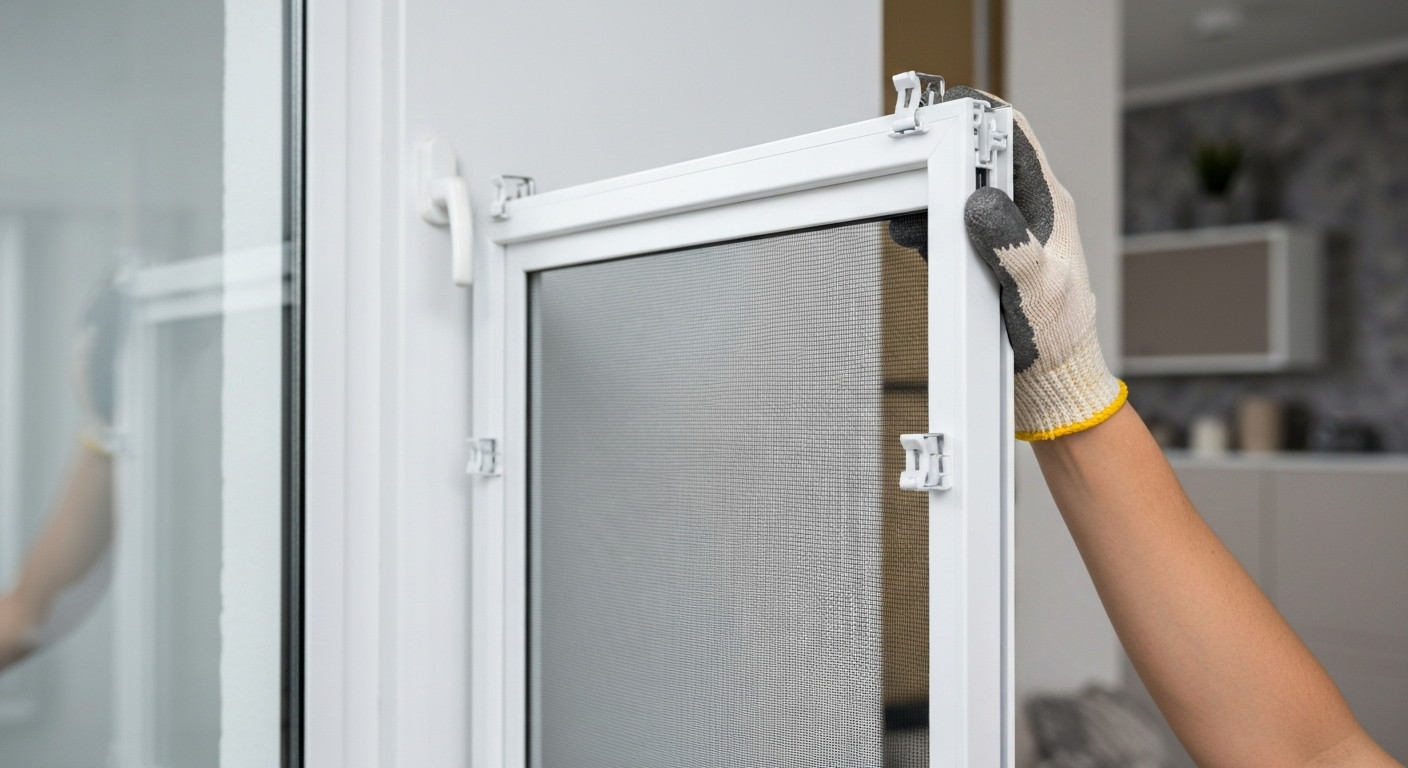
The table below gives you a quick overview of the key features of the product categories we tested. You can find our detailed assessments in the sections below.
Our top-rated insect repellents compared:
| Model | Customer rating | Availability |
|---|---|---|
| Plug-in mosquito repellent, 3-piece set 🏆 Best in test | ★ 4,5 (22) | In stock |
| Solar mosquito-repellent lantern | ★ 5,0 (1) | In stock |
| Ballistol Stichfrei Animal 5L canister: insect repellent for animals, bulk pack | – | Currently unavailable |
| Dunlop Fieldpro Thermo+ green boots, size 45: thermal insulation and protection | – | Currently unavailable |
| Dunlop Fieldpro Thermo+ green boots, size 46: thermal protection | – | Currently unavailable |
Electric mosquito repellents for indoor use
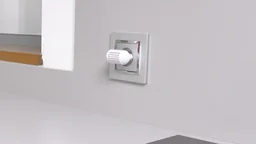
These devices plug into an outlet and vaporize a liquid or heat a tablet containing an active ingredient. They spread an insect-repelling or insect-killing agent throughout the room. is a typical example of this category. In our test, these products stood out for their ease of use and reliable coverage in rooms up to a specified area. They’re ideal for bedrooms and living rooms.
Solar-powered insect protection for the garden
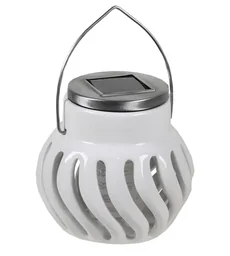
Self-sufficient and eco-friendly, solar lights with built-in insect protection—often using a special fragrance—are ideal for patios and garden seating areas. They charge during the day, then provide light and protection in the evening. A product such as is a good choice. Its effect is limited to the area around the lamp, which is usually enough for relaxed evenings outdoors.
Professional insect glue traps
For commercial settings such as restaurants, food processing facilities, or stables, adhesive systems such as are often the first choice. They attract insects and trap them hygienically on an adhesive board, without pesticides and safely around people and animals. The boards need to be replaced regularly, so these traps require more maintenance. In the right setting, however, they offer a clean and effective solution.
Availability note: Some specialist products, such as certain safety work boots or bulk containers of insect repellent for animals, are not always available in our standard range. Check the shop for current availability of these niche products.
Uses at a glance
Home and apartment
For long-lasting, gentle protection, start with custom-fit window and door screens. For extra comfort on hot, muggy summer evenings, add an electric mosquito repellent in the rooms you use most. Don’t overlook basement windows and ventilation shafts as potential entry points.
Balcony and patio
Create a protected outdoor space. Along with solar-powered lanterns, scented candles or oils containing citronella or neem may help. A canopy or gazebo fitted with insect screens can create an outdoor room that keeps most mosquitoes out.
Leisure and travel
When camping, hiking, or fishing, you’re more exposed to insects. Pack a skin-friendly repellent, a lightweight mosquito net for your tent entrance, and long, light-colored clothing. A small battery-powered UV lamp can be useful on the camping table.
Care and maintenance
Regular care helps your insect protection work effectively for longer. Clean window and door screens regularly with water and mild dish soap to remove dust and pollen. Replace vaporizer cartridges or refill liquids on time, even if some product remains, as their effectiveness can decline. Empty glue and electric traps as soon as they’re full. Store chemical repellents in a cool, dark place to help keep their active ingredients stable.
Safety instructions
Safety comes first. Place vaporizers in an unobstructed spot, away from flammable materials, and never behind curtains or furniture. Don’t use electrical devices outdoors unless they’re specifically designed for outdoor use; check the IP rating. Before applying a skin repellent, test it on a small area to check for a reaction. Always follow the manufacturer’s instructions for the maximum application time.
Buying guide and conclusion
The best insect protection is the solution that fits your lifestyle. For year-round protection at home, choose quality window and door screens and a reliable vaporizer such as the . For relaxed evenings in the garden, the self-contained solar lamp is an excellent choice. For commercial or small-scale agricultural use, consider investing in professional systems such as .
Think in layers: start with a physical barrier, then add an active repellent during peak insect season for more complete, worry-free protection. Look for durability and easy maintenance, and consider the needs of everyone in your household. With the right combination of our test recommendations and these tips, you can enjoy summer to the fullest without uninvited buzzing guests.
Frequently Asked Questions
- Which insect repellent is best for people with allergies?
- For people with allergies, physical barriers such as window screens or mosquito nets are a good first choice because they don’t use chemicals. UV insect traps with glue boards are another option. If you’re sensitive to chemicals, avoid plug-in repellents containing pyrethroids.
- How long does a plug-in mosquito repellent last?
- How long a plug-in mosquito repellent lasts depends on the refill cartridge or liquid. Some provide protection for up to 45 nights, while others last an entire season. Check the recommended room size and replace the refill on time to keep the repellent working effectively.
- Do solar-powered insect repellents work when there’s little sunlight?
- Yes, modern solar-powered devices have rechargeable batteries that store energy from the sun. Even in changeable weather, they usually have enough power to work at night. In areas with very little sunshine, choose a model with a mains connection or a long-lasting battery as a backup.
- Can I use insect repellents on my pets?
- Yes, there are insect repellents made specifically for animals. Never use products intended for people or plug-in room repellents around pets, as many active ingredients are toxic to them. Use only approved products for animals, such as specially formulated sprays or collars, and follow the directions carefully.
- What’s the difference between a UV insect trap and a plug-in repellent?
- A UV insect trap attracts insects with light, then kills them with an electric shock or catches them on a glue board. A plug-in repellent releases an active ingredient from a tablet or liquid refill to kill or repel insects in the room. UV traps don’t use chemical repellents, while plug-in devices often cover a larger area.