
In brief: Install garden spotlights by first creating a plan with paths, trees and architectural features. Choose between mains power, solar or battery operation. Position spotlights strategically for safety, orientation and visual impact. Pay attention to IP ratings, correct wiring and avoiding light pollution. Our guide will help you complete your DIY project.
Install Garden Spotlights: Outdoor Light Accents
Garden lighting transforms your outdoor space. It extends the time you can spend outdoors, improves safety and showcases plants and architecture. With the right planning and technology, you can install the lighting yourself.
We show you how to go from the initial idea to a completed installation.
Why is professional garden lighting worthwhile?
Well-planned lighting gives your garden structure. It guides visitors safely along paths. It highlights special trees or an attractive house façade. Light creates atmosphere on the patio.
It also improves security. Motion sensors deter intruders. Illuminated steps help prevent accidents.
How do I plan my garden lighting?
Start with a site plan. Mark paths, steps, seating areas and important plants. Indicate sockets and potential transformer locations.
Define zones. Where do you need functional lighting? Where should atmosphere take centre stage? Separate security, pathway and accent lighting.
The secret to good outdoor lighting lies in playing with contrasts. Not everything needs to be brightly lit. Create targeted highlights and let other areas fade into darkness. This creates depth and intrigue.
Decide on the light colour. Warm white light between 2700 and 3000 Kelvin feels inviting and natural. Cool white light looks modern but can seem less cosy.
Choosing the system: mains power, solar or battery?
Each technology has advantages and disadvantages. Wired mains-powered systems deliver consistent output. They are weather-independent and suitable for permanent lighting.
Solar lights are flexible and easy to install. However, they need direct sunlight to deliver full output. In winter or in shady locations, they provide less light.
Pro tip
Combine systems. Use mains-powered spotlights for main paths and the patio. Use solar lights for decorative accents in flower beds or along garden walls. This combines reliability with flexibility.
Battery-powered lights offer a mobile alternative. They are suitable for temporary lighting or where it is not possible to lay cables.
What types of garden spotlights are available?
There is a wide range of lights to choose from. Recessed ground spotlights can be installed in paths or patios. They provide even, glare-free light.
Spike spotlights are simply pushed into the ground. They are suitable for flower beds and highlighting plants. Height-adjustable models offer maximum flexibility.
Wall lights and floodlights can be mounted on house walls, garages or pergolas. They provide security lighting or showcase façades.
Post lights and bollard lights illuminate paths and open areas. They are taller and spread the light over a wider area.
Installing correctly: step by step
Gather all the components. You will need the lights, cables, a distributor or transformer, connectors and possibly conduit.
Mark the positions of the spotlights in the garden. Push spikes into the ground temporarily or position the lights.
Lay the cables along the planned route. For low-voltage systems, a shallow trench of about 20 cm is sufficient. Use a trench hoe or a spade.
Important note
Work on the 230-volt household electrical installation may only be carried out by a qualified electrician. This includes tapping into an outdoor socket circuit or installing a separate circuit for the garden lighting. If in doubt, hire a professional.
Place the cables in the trench and connect them. Use waterproof connectors. For spike lights, push the spotlight into the ground and connect the cable.
Secure wall lights with wall plugs and screws. Take care not to damage any existing cables.
Connect everything to the transformer or distributor. Test the lighting in daylight. Adjust the alignment if necessary.
How can I create light accents effectively?
Light is like a brushstroke. Use it with purpose. Illuminate an old tree trunk from below. This creates dramatic shadows.
Direct a spotlight at a body of water or a fountain. The light reflects in the water and creates a lively effect.
Use uplighting techniques. Spotlights at the base of a wall or plant direct the light upwards. This highlights structures.
Avoid frontal lighting. It looks flat and causes glare. Light from the side or below adds shape to objects and creates depth.
The best garden lighting is barely noticed as lighting. You simply notice the beautifully illuminated garden. The technology itself fades into the background. That is the goal.
Product recommendations for your project
Sets are ideal for getting started quickly. The
offers eight stainless steel LED solar lights. They are robust and provide bright white light. The solar-powered spotlights require no cables.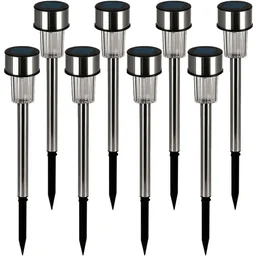
The
is a 4-piece set of solar path lights with a twilight sensor. They switch on and off automatically. Perfect for beginners or for expanding an existing system.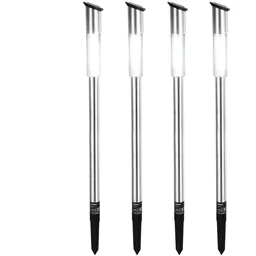
For the entrance to your home or permanently installed paths, the

Find more lights and matching garden accessories in our shop.
What do I need to consider regarding power and safety?
The IP rating is crucial. Garden lights must have at least an IP44 rating. IP54 or IP65 is better for areas exposed to heavy rain or splashing water.
Use special underground or garden cables for outdoor areas. They are protected against moisture, UV light and mechanical stress.
Protect all circuits with a residual-current device (RCD). It switches off immediately in the event of a fault current and prevents potentially fatal electric shocks.
Additional advice
Plan in control options. A central switch in the house for all garden lighting is practical. Timers or smart app controls automate switching on and off. Motion sensors save energy and improve security.
Separate the lighting for the patio, paths and accent areas into different circuits. This allows you to switch areas independently.
Care and maintenance of your outdoor lighting
Clean the lights regularly. Dust, leaves and cobwebs reduce light output. Use a soft cloth and mild cleaning solution.
For solar lights, check that the panels are free from dirt. Snow or leaves significantly reduce charging performance.
Before winter, check cables and plug connections for damage. Remove battery-powered lights if necessary during severe frost.
Store solar lights that are not frost-resistant in a dry place during winter. This extends their service life.
Conclusion: Give your garden a new look with light
Installing garden spotlights is a rewarding DIY project. With careful planning, the right technology and our tips, you can create beautiful accents.
Start small. Illuminate the main path or patio first. Expand the system gradually.
Remember safety and professional electrical work at 230 Volt. Make use of the flexibility of solar and battery-powered lights for hard-to-reach corners.
Browse our Garden + Outdoor category for more inspiration and products. From irrigation to barbecue equipment, you will find everything you need for your outdoor space.
Your garden will thank you – well into the night.
Frequently asked questions
- Which is better for garden spotlights: mains power or solar?
- Mains-powered spotlights provide consistent brightness, longer operating times and are independent of sunlight levels. Solar lights are flexible and can be installed without cables, but they need direct sunlight for maximum performance. We recommend mains power for main paths and accent lighting, and solar lights for decorative areas.
- How deep should I bury cables for garden lighting?
- Bury low-voltage cables (12V/24V) at least 20 cm deep. For 230V mains electricity, cables must be laid at least 60 cm deep in an empty conduit or as suitable underground cable. Mark the route and use a trenching tool for efficient work.
- How many lumens does a garden spotlight need?
- For path lighting, 50-200 lumens per spotlight is sufficient. Accent lighting for trees or façades requires 200-500 lumens. Floodlighting for security or patio lighting starts at 700 lumens. Choose warm white light (2700-3000 Kelvin) for a cosy atmosphere.
- Can I connect garden spotlights myself?
- You can generally install low-voltage systems (12V/24V) with a plug-in power supply yourself. Work on the 230V household electrical installation, such as tapping into an outdoor socket circuit or installing a dedicated circuit, must be carried out by a qualified electrician.
- How can I avoid light pollution with my garden lighting?
- Point spotlights downwards and use shields and motion sensors. Avoid cool white light above 4000 Kelvin. Turn the lighting off at night or dim it significantly. This helps protect insects and avoids disturbing your neighbours.
You may also be interested in
- Solar energy in the garden: The ultimate guide to solar lights
- Garden lighting: How to create an atmospheric setting
- LED spotlights with motion sensors: Installation and benefits
- Planning garden lighting: Solar or mains power – which is better?
- Outdoor lighting as burglary protection: Tips for your home
- Designing your lighting: Tips for the perfect lighting effect