
In brief: In July, gardening focuses on consistent care and smart planning. Water strategically in the morning, cut back spent flowers and harvest regularly to encourage fruit production. Now is the ideal time to sow fast-growing fall vegetables such as radishes, spinach or bush beans. A tailored summer prune keeps plants healthy and encourages a second bloom.
July Gardening Tips: Your Midsummer To-Do List
July brings the garden to full maturity. Work now shifts from growing plants to maintaining and harvesting them. Efficient care secures your yields and creates space for a second crop.
Focus on three key areas: watering, pruning and harvesting. Set aside time for succession sowing. This guide organizes your tasks.
How should I water my garden in July?
Water is the limiting resource in midsummer. Proper watering saves time and makes plants more resilient to heat.
The right time and method
Water in the early morning. The soil has cooled, less water evaporates and it can soak deeply into the ground. Plants start the day stronger.
Avoid watering in the midday heat. Water droplets act like magnifying glasses and can scorch leaves. Evening watering often leaves foliage wet for too long, encouraging fungal diseases such as powdery mildew.
“Deep watering twice a week is more effective than daily surface watering. It forces roots to grow deeper, where moisture remains stored for longer.”
Use drip irrigation or water directly at the root ball. A garden hose with a spray nozzle or a watering can are precise tools. Do not spray indiscriminately over the entire bed.
Pro tip
Mulch your beds with grass clippings, straw or shredded material. A mulch layer of 5-10 cm keeps the soil cool, suppresses weeds and significantly reduces evaporation. This saves up to 30% of irrigation water.
What can I harvest in July?
July is a bountiful harvest month. Regular picking keeps production going.
Vegetables and herbs
Harvest zucchini and cucumbers before they become too large. They taste more tender, and the plant invests its energy in new fruit. Pick bush beans and pole beans while they are young and green.
Early potatoes are ready when the foliage wilts. Harvest garlic when the lower leaves turn yellow. With lettuce and herbs such as basil or arugula, the more often you harvest, the bushier they grow back.
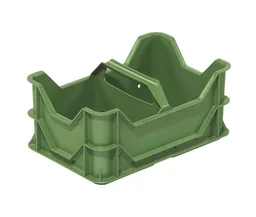
A practical helper for daily harvesting is our . It protects harvested produce and is easy to carry.
Fruit and berries
Redcurrants, gooseberries and the first raspberries are ripe. Harvest berries on dry days; they are more flavorful then. For early apple varieties such as 'James Grieve', test for picking maturity by gently lifting and twisting the fruit.
“Berry fruit should be harvested consistently every two days. Overripe fruit on the bush signals to the plant that its reproductive task is complete and slows further fruit set.”
Important note
Dispose of rotten or maggot-infested fallen fruit immediately in household waste or garden waste bags. Leaving it on the ground attracts pests and spreads fungal spores.
Which plants need pruning now?
Summer pruning helps with shape, health and rejuvenation.
Remove spent flowers
Remove faded flower heads from roses and summer bloomers such as delphiniums and dahlias. The plants then put their energy into new flowers instead of seed production. Cut back to the next leaf or side shoot.
For raspberries, cut spent canes down to ground level. Mark the new canes produced this year, which will bear fruit next year.
Thin plants for air and light
Continue removing suckers from tomatoes by breaking off the side shoots in the leaf axils. On fruit trees and bushes, remove overcrowded or inward-growing shoots. This improves light exposure for the fruit and helps prevent fungal infections.
Additional advice
Use sharp, clean tools from our garden tools range. Clean cuts heal faster and reduce the risk of disease entering the plant. Clean the blades after pruning.
Why is succession sowing worthwhile in July?
Empty beds left by early crops such as radishes or lettuce do not need to lie fallow. Succession sowing extends the harvest season into fall.
Suitable crops for a fall harvest
Choose fast-growing varieties. Radishes germinate and mature in 4-6 weeks. Cut-and-come-again lettuce, spinach, Asian greens such as pak choi and arugula follow quickly. Bush beans sown by mid-July can still provide a full harvest.
You can still sow carrots and parsnips for a winter harvest. They develop slowly but form strong roots by the first frost.
Optimize conditions for succession sowing
The soil is often depleted. Before sowing, lightly work in some compost or organic fertilizer. The biggest challenge is germination in hot, dry conditions.
Keep the seed rows consistently moist. Lightly shading them with horticultural fleece during the first few days can significantly improve the germination rate by reducing evaporation.
How do you care for lawns and soil in midsummer?
Extreme conditions require adapted measures.
Lawn care in hot weather
Mow less often and never below 5 cm. Longer grass shades the root zone and helps retain moisture. Leave the grass clippings as natural mulch.
You can now overseed bare or heavily worn patches in the lawn with a special mixture. Our is designed for these repairs and for overseeding areas maintained by robotic lawn mowers.

Protecting and preparing the soil
Always cover unplanted soil with mulch or green manure. Bare soil bakes hard in the sun, loses its habitat for microorganisms and erodes during heavy rainfall.
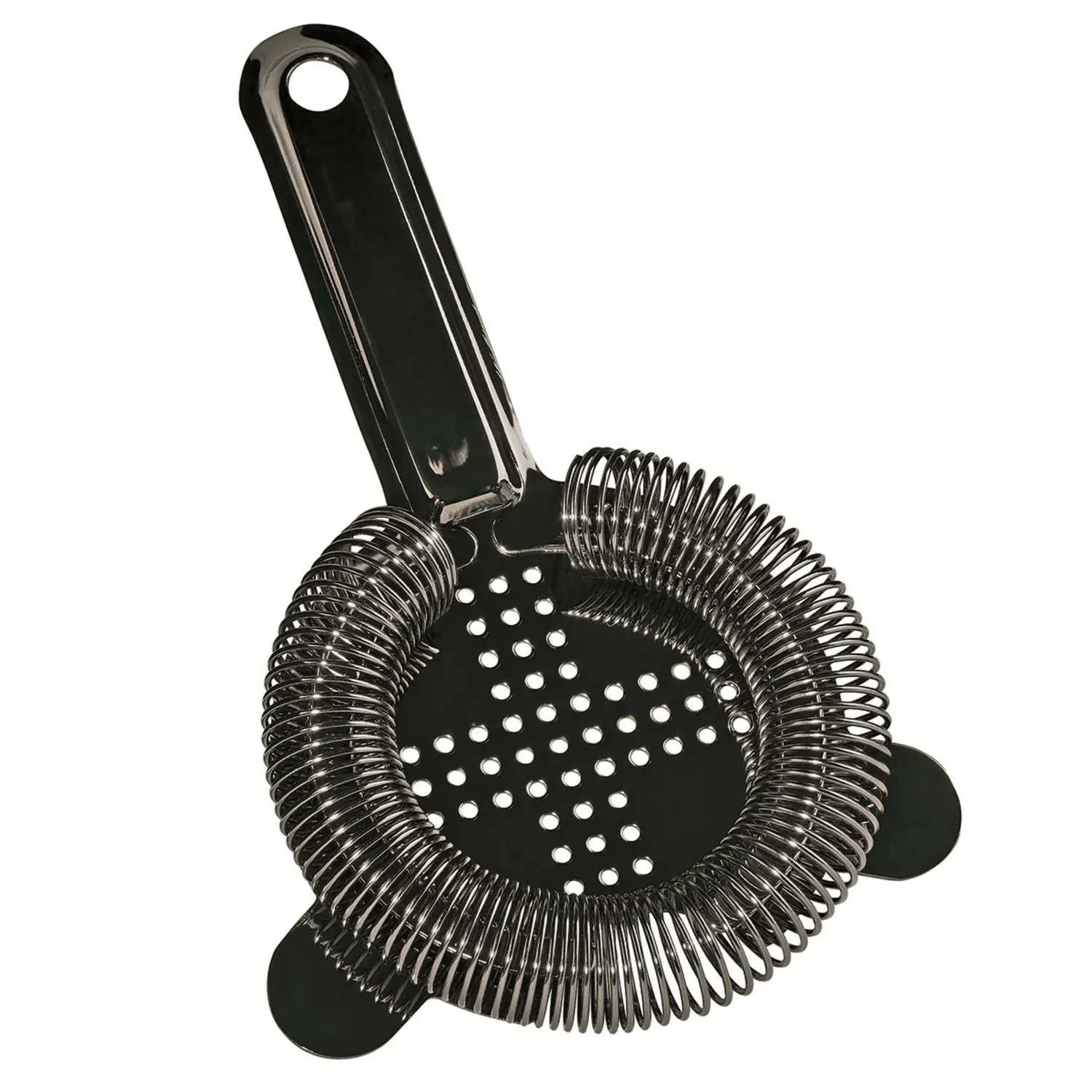
Use this time to sieve compost for autumn fertilisation. A sturdy sieve such as our made from stainless steel is ideal for this. It reliably separates fine soil from coarse material.
Now is also the time to plan your garden equipment for the coming season. Repairs or new purchases should take priority before the autumn work begins.
Frequently Asked Questions
- Which vegetables can I still sow in July?
- In July, sow fast-growing vegetables for an autumn harvest. These include radishes (ready to harvest in 4-6 weeks), cut-and-come-again salads such as Asian greens, spinach, rocket, French beans and mangetout. Make sure newly sown crops receive enough water, as seedlings can suffer in the summer heat.
- How often should I water in midsummer?
- It is better to water less frequently but thoroughly than to water lightly every day. Watering once or twice a week with plenty of water encourages deep roots. Early morning is the best time. Avoid watering in the evening, as wet leaves can encourage fungal diseases overnight.
- What can I harvest from the garden in July?
- July is a peak harvest time. You can now harvest early potatoes, courgettes, cucumbers, French beans, garlic, redcurrants, raspberries and the first early apples. Harvest regularly, as this encourages many plants, including beans and courgettes, to produce more fruit.
- How do I care for my lawn in midsummer?
- Set the mower to a higher cutting height (at least 5 cm). Longer grass shades the soil, reduces evaporation and suppresses weeds. Do not scarify now. During dry spells, water the lawn deeply in the morning. Special robotic mower overseeding grass seed is suitable for bare patches.
- Do I still need to fertilise in July?
- Heavy feeders such as tomatoes, cucumbers and cabbage still need additional fertiliser in July, for example compost or organic liquid fertiliser. You can feed lawns with a special summer fertiliser. Stop applying nitrogen fertiliser to woody plants at the end of July so that the wood can mature before winter.
You might also be interested in
- Urban gardening in August: tips for harvesting and overseeding
- Caring for your garden in summer heat: how to water and mow correctly
- May gardening calendar: sowing and care for a bumper harvest
- Summer flowers for the garden: a riot of colour all season long
- Preparing the garden for winter: autumn tips
- Kitchen garden checklist for March: ready for the gardening season