
In brief: Flexible lawn edging keeps grass from spreading into garden beds. It creates a physical barrier against roots and runners, gives your garden a neat finish, makes mowing easier and protects ornamental plants from competition with grass.
Every gardener knows the struggle. You carefully tend your flower or vegetable bed, but the lawn has other plans. Persistent runners cross the border, take water and nutrients from your plants, and spoil the neat look of your garden. Cutting the edges back again and again is tedious, and the results don't last. The solution is a reliable, long-lasting barrier: lawn edging.
A clean border between lawn and garden bed does more than improve your garden's appearance. It's a key part of creating a healthy, easy-to-maintain garden. A discreet or decorative edge keeps grass roots out of the bed, holds mulch in place and makes mowing much easier. Clearly defined areas also save you valuable time throughout the season.
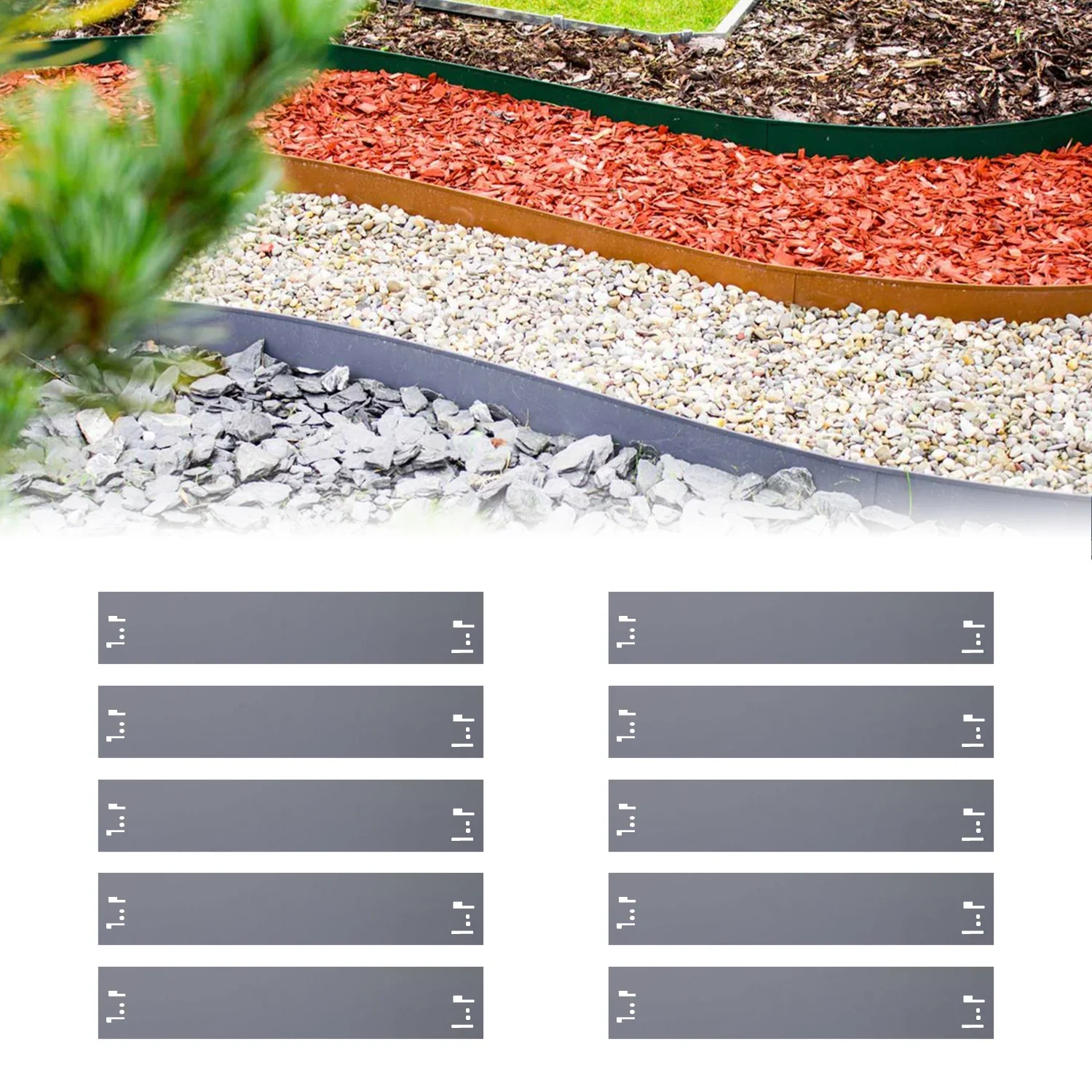
One of the easiest ways to create neat borders is with flexible garden bed edging. With flexible plastic lawn edging, you can create neat borders with ease. Its flexibility makes it ideal for curved beds and paths. The durable material stands up to the weather and is quick and easy to secure in the ground. It's an effective, affordable way to keep grass from spreading.

Why does grass spread into garden beds?
To solve the problem, it helps to understand how grass spreads. Lawn grasses, especially common varieties such as perennial ryegrass and rough bluegrass, spread through more than just seed. Their real strength lies in their underground network of roots and runners. Rhizomes grow horizontally beneath the soil, while stolons, or above-ground runners, spread across the surface.
New roots and shoots form at the nodes along these runners. Cutting the edge with a spade only severs the connections temporarily. Any root fragments left in the bed can grow again. Grass at the edge of the lawn keeps sending runners into the loose, nutrient-rich soil of your bed. A physical barrier is the most reliable way to stop it.
A clearly defined edge is the backbone of any garden design. It creates visual order and gives even the smallest garden a polished, professional look.
What are the benefits of flexible lawn edging?
Installing lawn edging is a small investment that can make a big difference. The benefits go beyond keeping grass out and can improve your whole garden equipment and maintenance routine.
A clean border and a tidy look
The most obvious benefit is visual. Garden bed edging creates a crisp, clean line between the lawn and the bed. The result is a tidy, well-organized garden. Paths, beds and lawn areas are clearly separated. That defined look makes your garden appear better maintained and more thoughtfully designed.
Easier garden maintenance
Think about how much time you spend trimming the lawn edges. With edging in place, you'll need to do that far less often. Weeding along the edge of the bed also becomes easier because grass can't spread in from the side. Mowing is simpler and safer, too. You can guide the mower wheel along the edge without risking damage to valuable perennials or flowers. You'll also spend less time following up with a string trimmer.
Pro tip
Leave flexible plastic lawn edging in the sun for about an hour before installation. The material will soften and become easier to work with. You can then shape tight curves and bends more easily and precisely without kinking it.
Protection for your plants
Grass is a strong competitor. Its dense roots compete with your garden plants for water, nutrients and light. Lawn edging helps protect the root zones of flowers and vegetables from this competition. It also keeps organic materials such as bark mulch, compost and wood chips where they belong: in the bed. They won't wash onto the lawn in the next rainstorm or blow away in the wind.
Flexible garden design
Rigid edging made from stone or concrete limits you to straight lines. Flexible lawn edging made from plastic or metal gives you more design options. Create flowing shapes, circular beds around trees or winding paths. You can add a personal touch to almost any Garden + Outdoor space.

How do you install plastic lawn edging?
Installing flexible lawn edging is straightforward and doesn't require specialist tools. Follow these simple steps for a professional-looking result.
- Plan and mark the route: Decide where you want the edging to go. For curves, lay a garden hose on the ground to use as a guide. Then mark the line with sand or marking spray.
- Dig a trench: Use a spade or lawn edger to cut a narrow trench along the marked line. Make it deep enough for the lawn edging to sit about 1-2 cm above the ground.
- Insert the lawn edging: Place the plastic lawn edging in the prepared trench. Make sure the top edge sits at a consistent height along its full length. Use a spirit level for a precise finish.
- Cut and connect: Cut the final piece to size with sturdy scissors or a utility knife. Many systems simply slot together for a seamless connection.
- Backfill and compact: Fill the trench with soil on both sides of the edging. Firm down the soil so the edging stands securely and vertically in the ground. Water the area thoroughly to help the soil settle.
Important note
Make sure the lawn edging extends deep enough into the ground to form a root barrier. If it sits too high, grass rhizomes can grow underneath it, undoing all your hard work.
What alternatives are there to flexible plastic edging?
Plastic is an excellent all-around solution, but depending on your style and needs, other materials can also be used for Garden + Plant Accessories.
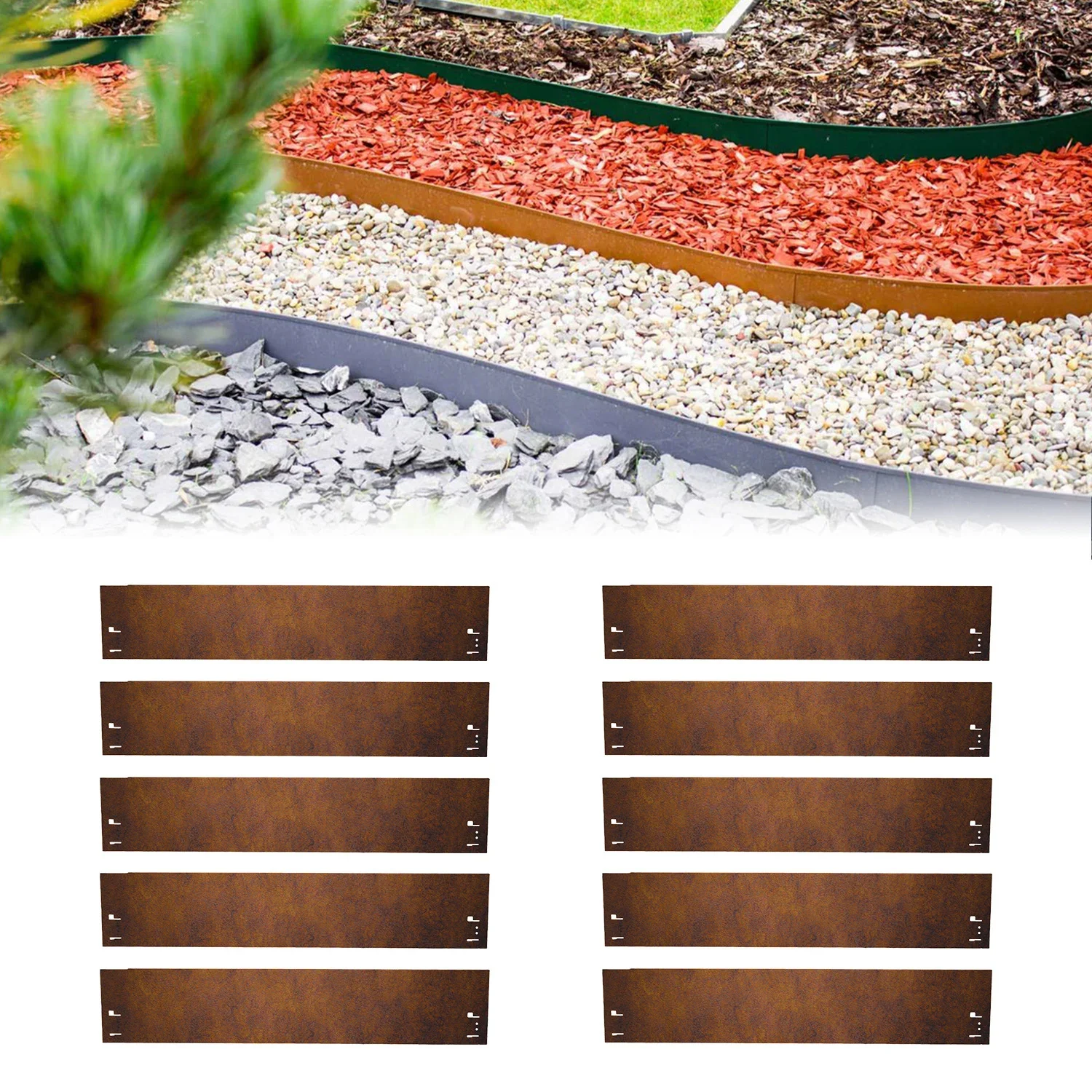
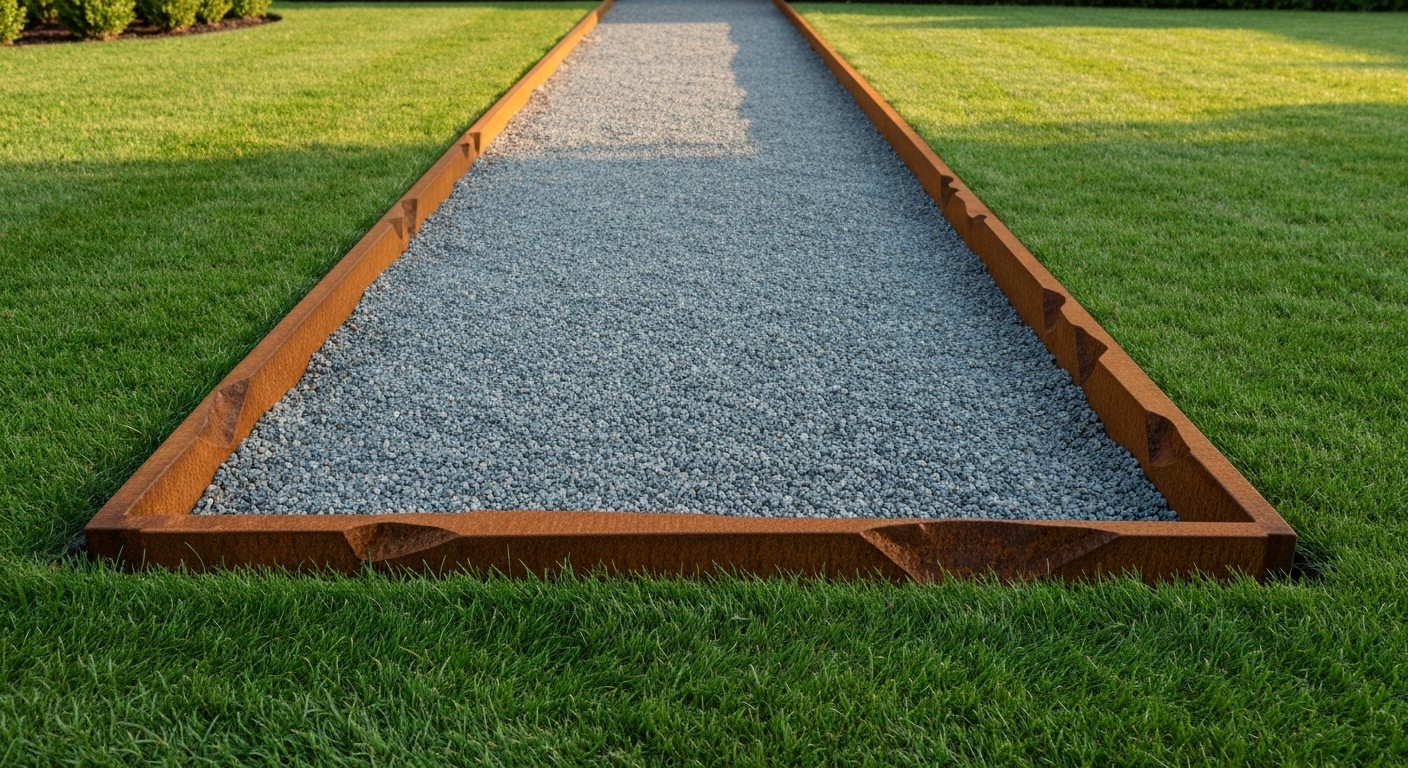
Metal lawn edging
Metal edging, particularly Corten steel, is an especially durable and stylish option. Over time, Corten steel develops a characteristic, stable layer of rust (patina) that is not only decorative but also protects the underlying material from further corrosion. The
Added stability with ground anchors
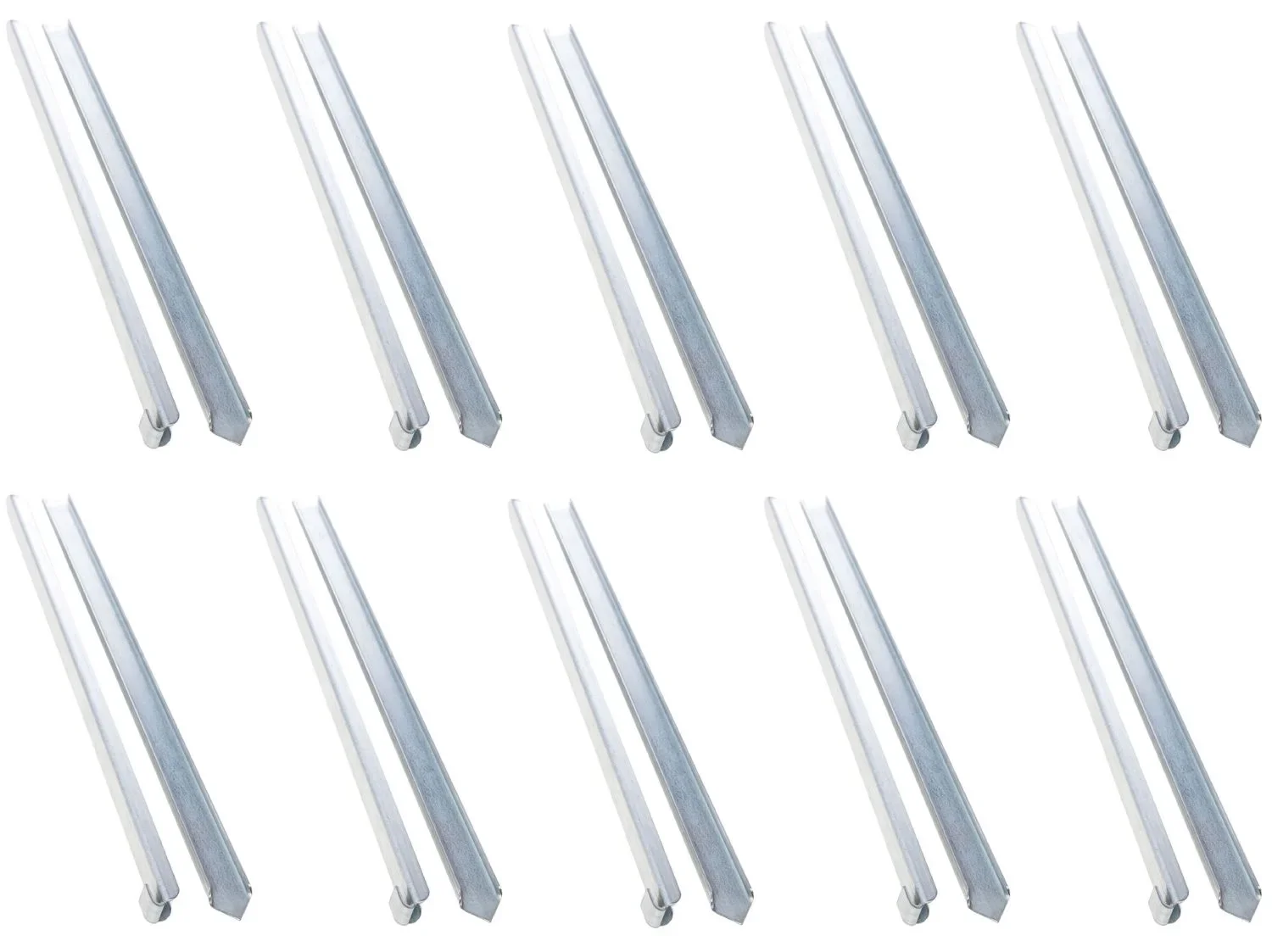
For particularly long, straight sections or very loose soil, it may be useful to stabilize the lawn edging further. Special ground anchors are ideal for this purpose. The 10-piece set of ground anchors is driven into the ground behind the edging and connected to the bed border. They prevent the edging from shifting due to soil pressure or when mowing the lawn.
Choosing a material for your bed border should balance appearance, durability, and the amount of maintenance you’re prepared to take on.
Stone and concrete edging
Edging made from paving stones, granite posts, or molded concrete sections is the classic and most robust option. It is extremely durable and creates a solid barrier. Its disadvantages are its heavy weight and more involved installation. The ground must be carefully prepared, and a small concrete foundation is often needed to keep the stones from shifting over time.
Wooden edging
Wood blends naturally into the garden. Timber beams, small posts, and willow fences are popular options. The downside is their limited lifespan. Even pressure-treated wood will rot after a few years if it stays in constant contact with the soil, so it will need to be replaced. It is therefore better suited to temporary structures or raised beds.
Additional advice
For the best protection against unwanted growth, combine your lawn edging with weed barrier fabric in the bed. Lay the fabric before planting and adding mulch. This keeps grass from growing into the bed and prevents weed seeds from sprouting there.
Conclusion: A small step with a big impact
The battle against grass in your beds doesn’t have to be endless. Installing flexible lawn edging creates a clear, permanent, low-maintenance boundary. You’ll have a neat, well-organized garden and save valuable time and effort. Your plants will thank you because they can thrive without competing with grass.
Whether you choose affordable, flexible plastic, elegant Corten steel edging, or another solution, investing in a clean border will pay off for years to come. Bring order to your garden and enjoy more time for the rewarding parts of gardening.
Frequently Asked Questions
- How deep should lawn edging be?
- The ideal depth depends on the type of grass. For most grass varieties, the edging should extend 8-10 cm into the ground to stop surface runners effectively. A deeper barrier may help with particularly aggressive grasses.
- Can plastic lawn edging be installed around curves?
- Yes, that’s the main advantage of flexible plastic lawn edging. The material bends easily to fit curved bed shapes. For tight curves, briefly warm the edging in the sun first to make it even more flexible.
- Does lawn edging also stop weeds?
- Lawn edging primarily stops grass roots from spreading. It won’t prevent weeds from growing when seeds blow into the bed. For more complete protection, combine the edging with a layer of mulch or weed barrier fabric in the bed.
- Which material is best for lawn edging?
- The best material depends on your needs. Plastic is affordable, flexible, and easy to install. Metal, such as Corten steel, is extremely durable and has an elegant look. Stone and concrete are very robust but take more time to install.
- How do I connect multiple pieces of lawn edging?
- Most lawn edging systems, especially those made from plastic or metal, come with special connectors. Simply slide the ends into or over each other to create a seamless, stable line. For simple plastic rolls, cut them to the required length.
You may also be interested in
- No more weeds in your beds! How lawn edging helps
- Installing flexible lawn edging: A pro’s guide for your garden
- 5 creative lawn edging ideas: More than just a border
- Plastic vs. metal lawn edging: The ultimate comparison for your garden
- Get more life from your lawn edging: Care and cleaning tips
- Lawn edging in spring: When ground anchors make all the difference