
In brief: Keeping fish in a garden pond requires careful planning. The key factors are a sufficiently large and deep body of water, stable water parameters and the right choice of species. Goldfish or native moderlieschen are robust starter fish. Care includes regular checks, appropriate feeding and forward-looking measures for summer and winter.
Keeping Fish in a Garden Pond: How to Care for Them Properly
A garden pond full of lively fish adds a special sense of movement to your garden. However, planning and maintenance require knowledge. This guide explains how to care for fish properly.
How do I plan my garden pond for fish?
Planning lays the foundation for healthy fish. Size and depth are the first decisions to make.
Choosing the right pond size and depth
Fish need space. A pond designed solely for fish should hold at least 8000 liters. Deep areas measuring 80 to 120 cm are vital for many species. They provide protection from predators such as cats and herons.
In shallow areas, the pond freezes through more quickly in winter. A minimum depth of 80 cm prevents it from freezing completely. This helps your fish survive the cold season.
Bear future growth in mind. Golden orfe or koi need considerably more space than small moderlieschen. Never buy more fish than your pond can support in the long term.
Pro tip
Include different depth zones. Shallow water (10-30 cm) for plants, a medium-depth zone (40-60 cm) and a deep zone (80-120 cm). This structure creates habitat for a variety of animals and plants.
The importance of plants and equipment
Pond plants are essential. They produce oxygen, absorb nutrients and provide hiding places for young fish. Choose native species such as Canadian waterweed or water milfoil.
A pump with a filter keeps the water clear. Fish waste accumulates particularly when the pond is stocked with fish. The filter breaks down pollutants such as ammonia biologically. Without a filter, the balance can be disrupted.
Discover suitable equipment and plant accessories in our Garden + Plant Accessories category. Here you will find everything you need for a healthy pond environment.
A garden pond is not a static structure but a complex ecosystem. Every fish, plant and piece of technical equipment affects this system. Plan with foresight from the very beginning.
Which pond fish are right for me?
Your choice of species determines how much care the pond will need. Here are some popular and robust fish.
Robust fish for beginners
Goldfish are classic pond inhabitants. They are relatively undemanding and can become tame enough to feed by hand. Bear their growth in mind. A fully grown goldfish can reach over 20 cm.
Moderlieschen are native shoaling fish. They grow to only around 12 cm and reproduce well in ponds. Their silvery scales shimmer in the sunlight. They help keep the water low in algae by feeding at the surface.
Bitterlings are a special case. They need live freshwater or painter's mussels to reproduce. These peaceful fish grow to only 9 cm and are suitable for smaller ponds.
Important note
Never release wild-caught fish from local waters into your pond! This is prohibited by law and can introduce diseases. Buy your fish exclusively from a reputable pet shop or specialist pond retailer.
Fish for larger and specialist ponds
Golden orfe are lively swimmers with red and gold coloring. They need plenty of swimming space and a pond holding at least 15000 liters. Orfe are sociable and should be kept in groups of at least five.
Koi are the ultimate pond fish. These Japanese ornamental carp can live to a very old age and grow to over one meter long. Keeping them requires a very large, deep pond with perfectly equipped technology. They are more susceptible to parasites than hardier species.
Sturgeon are ancient bottom-dwelling fish. They need clean, oxygen-rich water and plenty of room to swim. Note: They find their food only on the bottom and cannot compete with other species for food.
Specialist garden tools can also be useful for maintaining a large fish pond, for example when working on the banks.
How do I keep the water in my garden pond healthy?
Clear, healthy water is the basis of life. Monitoring and maintenance are regular tasks.
Understanding and checking water parameters
Buy a water test kit. Important parameters include pH, general hardness, carbonate hardness, ammonia, nitrite and nitrate. Test the water weekly, especially after adding new fish or when problems occur.
The pH should be between 7 and 8.5. A stable pH prevents stress for the fish. Carbonate hardness (KH) buffers fluctuations. It should be above 5 °dH.
Ammonia and nitrite are highly toxic. Their levels must be close to zero. A functioning filter converts ammonia via nitrite into the less harmful nitrate. Nitrate provides nutrients for plants.
Many pond problems can be traced back to three causes: overstocking, overfeeding and insufficient water changes. When it comes to fish health and system stability, less is often more.
Practical maintenance measures
Carry out partial water changes. Every two to four weeks, remove around 10-20% of the pond water and replace it with fresh, settled tap water. This dilutes pollutants such as nitrate.
Remove dead plant material and leaves regularly. Decomposing organic material removes oxygen from the water and puts additional strain on it. A sturdy leaf protection net in autumn is a worthwhile investment.
Clean the filter regularly, but not too thoroughly. Rinse the filter media only with pond water. Tap water would kill the beneficial filter bacteria.
Additional advice
Do not use chemical treatments immediately when algae become a problem. Often, simply adjusting feeding, removing sources of nutrients such as leaves or adding fast-growing underwater plants such as Canadian waterweed, which remove nutrients that algae need, is enough.
How should I feed my pond fish?
Feeding is about more than just providing food. It directly affects water quality.
Types of food and feeding schedule
Use high-quality pond fish food. Depending on the species, it floats on the surface or sinks. Sturgeon need specialist sinking food. Only feed as much as the fish can eat completely within a few minutes.
Overfeeding is the most common mistake. Uneaten food rots and pollutes the water. In midsummer, when the water is warm, you can feed once a day. In spring and autumn, every two days is enough.
Give the fish access to natural food sources too. A healthy pond provides water fleas, mosquito larvae and algae growth. This live food is particularly nutritious.
Feeding throughout the year
In spring, when the water temperature rises above 10 degrees, the fish slowly start eating again. Begin with small portions of easily digestible food.
In summer, the fish's metabolism is highly active. You can provide food with a higher protein content. Keep an eye on the water temperature. During periods of extreme heat, feeding can be reduced or paused.
In autumn, switch to energy-rich but easily digestible autumn food. It helps the fish build up fat reserves for winter. When temperatures fall below 10 degrees, stop feeding altogether.
How do I prepare my garden pond for summer and winter?
Extreme temperatures put your fish under strain. These measures will help them.
The garden pond in summer
Oxygen deficiency is the greatest danger in summer. Warm water can hold less oxygen. A pond pump or fountain increases surface movement and gas exchange.
Shade part of the pond. Floating plants such as water hyacinths or a sun sail protect against overheating. Direct sunlight also encourages algae growth.
Monitor the water level. Evaporation causes the level to drop in summer. Regularly top up with water that has been left to stand to prevent the concentration of pollutants from rising.
Overwintering pond fish
Leave the fish in the pond. They are adapted to the seasons. Moving them to an indoor tank often causes stress.
Make sure there is an ice-free area. Use a pond aerator or a polystyrene pond de-icer. Never break up the ice! The pressure waves can damage the fish's hearing and swim bladder.
Remove leaves thoroughly in autumn. Decomposing material beneath the ice produces toxic gases that cannot escape and poison the water. A leaf protection net is the best preventative measure.
For general pond maintenance and winter preparation, you will find sturdy accessories in our garden equipment category.
Practical helpers for pond maintenance
The right tools make working around and in the pond much easier.
With the
, the 2-in-1 XXL garden rake, you can efficiently remove leaves and coarse debris from the bottom of the pond or the bank. The wide tine spacing prevents you from moving too much debris at once.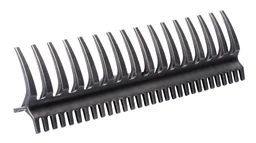
Insects can be a nuisance in summer. The
, an electronic UV insect trap twin pack, keeps mosquitoes and other flying insects away from the pond. This reduces the nuisance for your fish and for you.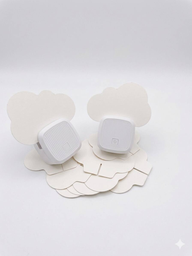
Ambitious pond builders or anyone maintaining wooden or stone structures around the pond may need a powerful tool. The
, an 18 V angle grinder, helps when cutting materials to size. Please note that the battery and charger are required separately.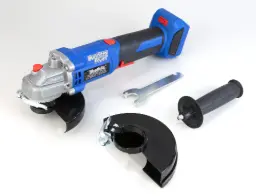
A healthy, vibrant garden pond with fish is a rewarding project. With sound knowledge, regular maintenance and the right equipment, you can create a little paradise right on your doorstep.
Frequently Asked Questions
- How many fish can I keep in my garden pond?
- As a rule of thumb, you need 30 to 50 litres of water for every centimetre of fish length. For a 15 cm goldfish, that means at least 450 litres. Take the fish's eventual adult size into account. Overstocking leads to poor water quality and stress for the fish.
- Which fish are suitable for a small garden pond?
- Hardy, small-growing species are ideal for smaller ponds of up to 1000 litres. Bitterlings grow to only around 9 cm and are peaceful. Moderlieschen are also undemanding and reach a maximum length of 12 cm. Goldfish are suitable only for larger ponds because they grow considerably and can place a heavy load on the water.
- Do I need to feed my pond fish in winter?
- No. When water temperatures fall below 8-10 degrees, fish largely stop digesting food. They live off their reserves. Do not feed them during this period, as uneaten food pollutes the water and can make the fish ill. An ice-free area for gas exchange is more important.
- Why are my fish suddenly dying in the garden pond?
- Sudden fish deaths often have three main causes: oxygen deficiency, especially on hot summer nights or beneath a sealed layer of ice; poisoning caused by algae die-off or pollutants; or a sudden, excessive temperature change during a water change. Test the water parameters immediately in such a case.
- Does a fish pond absolutely need a filtration system?
- Not necessarily, but it is highly recommended. A natural, sufficiently large and well-planted pond can achieve a biological balance. For most garden ponds containing fish, however, a filtration system stabilises the water parameters, removes pollutants and keeps the water clearer, especially with a higher fish stocking level.
You might also be interested in
- Amphibians in the Garden Pond: Creating and Protecting a Habitat
- Pond Filter Test & Comparison 2026
- Keeping Birds Away from the Pond: 7 Tips & Mesh Tricks
- Pond Covers: Mesh, Net or Tarp for Your Pond?
- Sun Protection for Garden Ponds: Preventing Algae Growth
- Green Pond Water: Causes and Solutions for Clear Water