
In brief: A kitchen garden on the windowsill can thrive with the right location, suitable plants and proper care. Choose a sunny window, use pots with drainage and high-quality herb compost. Herbs such as basil and chives, or small vegetables such as chillies, are ideal for growing indoors all year round.
Imagine simply reaching for your windowsill at dinner time to pick fresh basil for your pasta or crisp chives for your salad. Growing your own kitchen garden on the windowsill makes this dream a reality. You do not need a large garden to harvest aromatic herbs and even small vegetables all year round. This guide shows you how to turn your window into a productive green corner.
Why a kitchen garden on the windowsill is such a great idea
A herb garden in the kitchen is more than just decoration. It is a source of freshness and flavour that can take your dishes to the next level. Supermarket herbs quickly lose their aroma and often wilt after just a few days. You can harvest home-grown plants shortly before eating them. That means maximum flavour and nutrient content.
It is also a sustainable choice. You reduce packaging waste and avoid long transport routes. You know exactly what goes into your plants, as you can avoid using chemical pesticides. Last but not least, caring for plants is a relaxing hobby that brings joy to everyday life and connects you with nature, even in a city flat.
Nature is the greatest pharmacy.
Choosing the right location: Where do herbs thrive best?
The success of your kitchen garden largely depends on its location. Plants need light to live. Most herbs and vegetables love sunshine and need at least five to six hours of direct light per day to grow vigorously and develop plenty of flavour.
Light, light and more light
A south-facing window is the ideal spot for sun-loving plants. Mediterranean herbs such as rosemary, thyme, sage and oregano thrive here. They are used to intense sunlight and drier conditions.
East- or west-facing windowsills also provide good conditions. They receive direct sunlight for several hours a day. This is perfect for herbs such as basil, parsley, chives and mint. A north-facing window is the biggest challenge. The light is usually too weak for most herbs. A special grow light can help here.
Temperature and air circulation
Most herbs prefer moderate room temperatures between 18 and 22 degrees Celsius. In winter, make sure that the plants are not placed directly above a hot radiator. Dry air can damage them and make them more susceptible to pests. Regular airing provides the necessary air circulation, but avoid cold draughts, which can shock the plants.
Important note
In winter, pay attention to the space directly beside the window. The leaves of your plants should not touch the cold window pane, as this can cause cold damage. Leaving a small gap between the plants and the glass protects your herbs from frost damage.
Which herbs and vegetables are suitable for a windowsill?
There is a wide range of plants suitable for an indoor garden. Start with a few easy-care varieties to enjoy your first successes before trying more demanding plants.
The classics: Easy-care herbs for beginners
These herbs are robust and forgiving of minor care mistakes. They are the perfect choice for starting to grow plants on your windowsill.
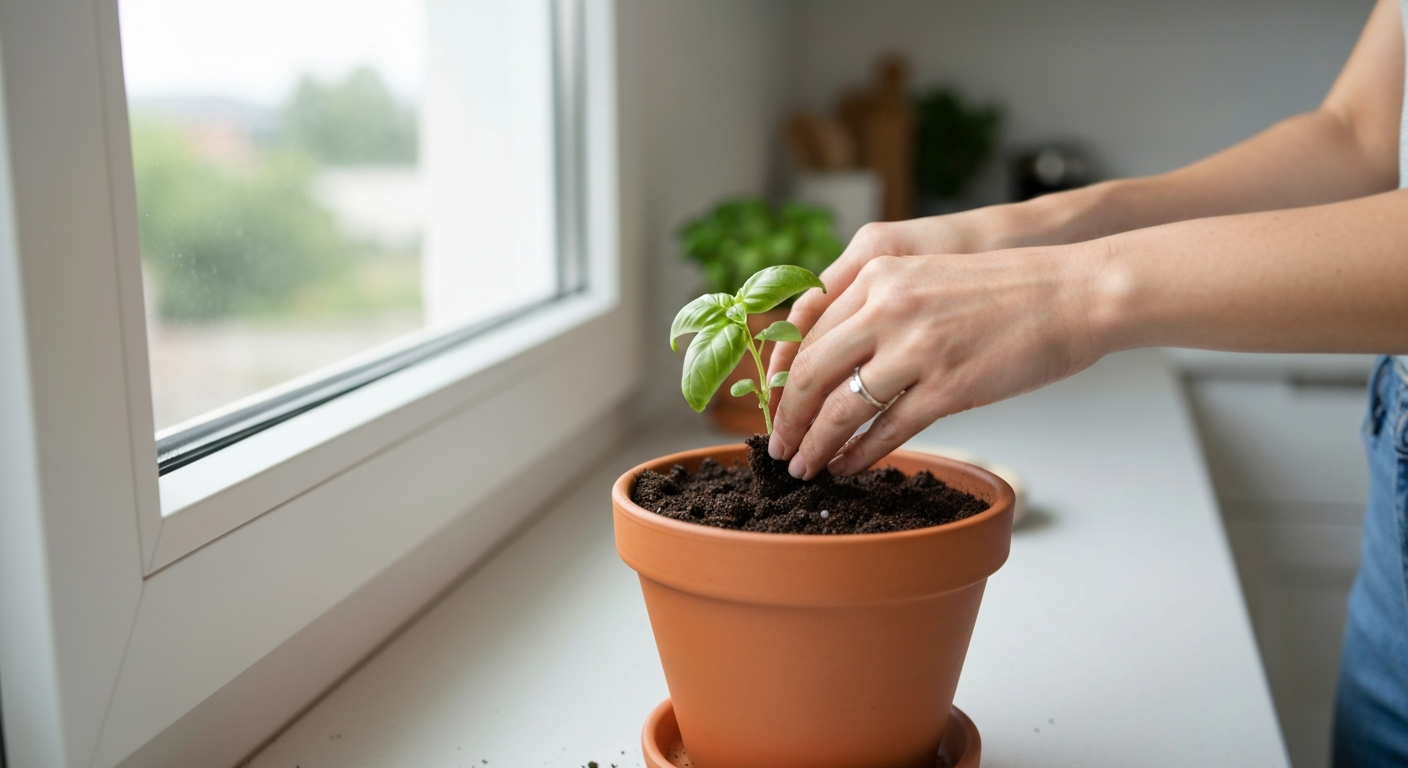
- Basil: The king of Italian cuisine. It loves warmth and plenty of light, but does not like wet leaves. Always water it directly onto the soil.
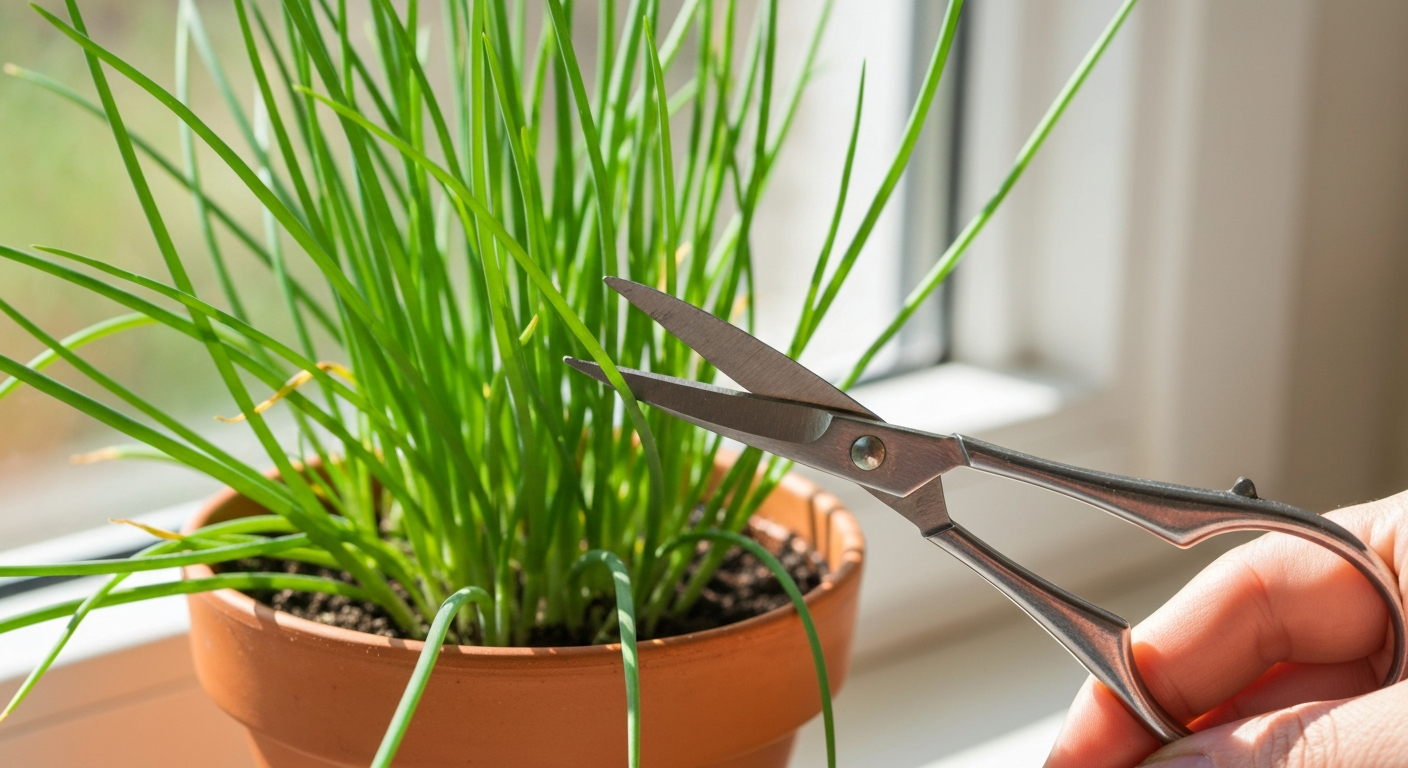
- Chives: An easy-care classic for salads, dips and scrambled eggs. It grows back quickly and can be harvested regularly.
- Parsley: Whether flat-leaf or curly, parsley is a must in every kitchen. It prefers a bright location without intense midday sun.
- Mint: Very vigorous and perfect for teas or cocktails. Give mint its own pot, as it tends to crowd out other plants.
Find a wide selection of seeds for herbs + spices directly in our shop and get started straight away.
For experienced gardeners: Mediterranean and more demanding varieties
Once you have gained some experience, you can try these varieties. They need plenty of sun and carefully controlled watering.
- Rosemary: Loves full sun and needs well-drained, rather dry soil. Ideal for potato dishes and meat.
- Thyme: Another sun-loving herb that needs very little water. Perfect for Mediterranean stews and sauces.
- Dill: Needs plenty of light and a deep pot for its taproot. Essential for fish dishes and cucumber salad.
Small but mighty: Vegetables for the kitchen
Yes, you can even grow vegetables on your windowsill! Choose compact varieties or special indoor cultivars.
- Chillies: Compact varieties grow well in pots and produce hot fruits for your dishes.
- Cherry tomatoes: Varieties such as 'Balkonzauber' or 'Tiny Tim' have been specially bred for growing in pots.
- Radishes: They grow quickly and only need a medium-depth pot. Their fresh peppery flavour is a great addition to salads.
- Microgreens: These are young seedlings of herbs and vegetables. They are ready to harvest after just a few days and are extremely nutritious.
Discover the variety and find the right vegetables for your windowsill project.
Additional tip
Start with two or three different types of plants. This allows you to focus on their specific needs and develop a feel for growing plants on the windowsill without becoming overwhelmed. Once you feel confident, you can expand your garden.
Step-by-step guide: How to create your kitchen garden
Getting started is easy. With the right materials and a few simple steps, you can create the foundation for a plentiful harvest.
Choosing pots and soil
Choose pots that are large enough for each plant. The most important thing is a drainage hole in the bottom. Without drainage, water collects in the pot, the roots begin to rot and the plant dies. Terracotta pots are breathable and allow the soil to dry out more quickly, while plastic pots retain moisture for longer. Use high-quality herb or seed-starting soil. It is loose and low in nutrients, which is ideal for germination and early growth.
Sowing seeds or buying established plants?
You have two options: you can grow your herbs from seeds or buy young, established plants. Growing from seed is cheaper and gives you a greater variety of cultivars. However, it requires more patience. Buying young plants is easier and means you can harvest sooner. When buying, look for strong, healthy plants with no signs of pests.
Planting and watering correctly
Fill the pot two-thirds full with soil. Carefully place the plant or seeds in the pot and fill it with soil until the root ball is covered. Press the soil down gently. Then water the plant thoroughly until water runs out of the drainage hole. This ensures that the entire root ball is evenly moistened.
Care tips for a plentiful harvest all year round
With the right care, your plants will stay healthy and productive. Consistent attention ensures a constant supply of fresh flavours.
Watering correctly: less is often more
Overwatering is the most common cause of death for houseplants. Push your finger about two centimetres into the soil. If it feels dry, it is time to water. If it still feels moist, wait another day or two. It is better to water less often but thoroughly than to give the plant just a little water every day.
Fertilising for strong growth
The nutrients in potting soil are limited. During the growing season from spring to autumn, your plants need additional nutrients. Every two to four weeks, use a liquid organic herb fertiliser at half strength. In winter, most plants enter a dormant period and do not need fertiliser.
Expert tip
Harness the power of nature for sustainable nutrient supply. Innovative fertilisers based on insect larvae, such as the
, are a protein-rich and eco-friendly alternative. Finely ground and worked into the surface of the soil, they release valuable nutrients to your herbs slowly and continuously, promoting healthy soil life.
Harvesting and pruning for bushy plants
Regular harvesting is essential. It not only provides you with fresh herbs, but also encourages the plant to grow bushier and more compact. Always cut off entire shoots or pairs of leaves rather than individual leaves. With herbs such as basil, cut just above a leaf node. The plant will produce two new shoots there.
Common problems and how to solve them
Problems can occur even in the best kitchen garden. With the right knowledge, you can react quickly and save your plants.
Identifying and controlling pests
The most common pests on windowsills are aphids, spider mites and fungus gnats. Check your plants regularly, including the undersides of the leaves. With a minor infestation, you can wash off the pests with a strong jet of water. A solution of water and soft soap or a neem oil-based product can help with more persistent infestations.
Preventing diseases
Powdery mildew, a white coating on the leaves, and root rot caused by waterlogging are the most common diseases. Ensure good air circulation and avoid overwatering at all costs. Remove affected plant parts immediately to prevent the disease from spreading.
Patience is the gardener's greatest virtue.
Preventing plants from becoming leggy
If your plants develop long, thin and weak stems with small leaves, they are suffering from a lack of light. This legginess is the plant's attempt to grow quickly towards the nearest light source. The solution is simple: move the plant to a brighter location. Turn the pots every few days so that all sides of the plant receive equal light and it grows straight.
A kitchen garden on the windowsill is a rewarding project that requires little space and brings plenty of joy. The scent of fresh herbs in your kitchen and the incomparable taste of home-grown ingredients are the best rewards for your efforts. Start today and bring a little piece of nature into your home.
Frequently asked questions
- Which herbs need the least light?
- Mint, parsley and chives can cope with less direct sunlight than Mediterranean herbs. An east- or west-facing window is often sufficient for them. In very dark locations, a grow light can help support growth and keep the plants strong and healthy.
- How often should I water herbs on my windowsill?
- Water your herbs when the top layer of soil feels dry. How often you need to water depends on the room temperature, pot size and type of plant. Avoid waterlogging at all costs, as it can cause root rot. Plants usually need less water in winter than in summer.
- Can I also grow vegetables on a windowsill?
- Yes, compact varieties are ideal for this. Examples include chillies, small-fruited tomato varieties such as “Balkonzauber”, radishes and cut-and-come-again lettuce. Make sure the pots are large enough and provide a good supply of nutrients, as vegetables often need more fertiliser than herbs.
- What can I do about pests on my kitchen herbs?
- Check your plants regularly for aphids or spider mites. For a minor infestation, rinsing the plants with water or using a soft soap solution is often effective. Natural remedies such as neem oil are also effective and suitable for use on edible plants.
- Why are my herbs tall and thin?
- This phenomenon is known as legginess and is a clear sign of insufficient light. The plant stretches desperately towards the nearest light source. Move it to a brighter location or turn the pot regularly so that all sides receive an even amount of light.