
In brief: Set up your herb garden in a sunny spot with well-drained soil. Water regularly, but avoid waterlogging. Mediterranean herbs such as rosemary need less water than native varieties such as parsley. Regular harvesting encourages bushy growth and provides you with fresh flavors for your kitchen all season long.
Fresh herbs transform every dish. Their fragrance and flavor are incomparable. With your own herb garden on the balcony, windowsill or in a garden bed, the best flavors are always within easy reach. You save money, avoid plastic waste and enjoy the pleasure of gardening. This guide shows you how to successfully plant, care for and harvest your own kitchen herbs.
Why you should create your own herb garden
A bunch of chives from the supermarket wilts quickly. Dried herbs lose their flavor. Growing your own solves these problems. You harvest exactly the amount you need, with maximum freshness. The flavor of sun-ripened basil or home-grown rosemary is more intense than that of any store-bought product.
Home-grown herbs contribute to a more mindful diet. You know exactly what ends up on your plate, free from pesticides and long transport routes. You also support biodiversity. Flowering herbs such as thyme, sage or winter savory are a magnet for bees, bumblebees and butterflies, helping to create a healthy ecosystem in your Garden + Outdoor area.
How do I choose the right herbs for my needs?
Your choice of herbs depends on two factors: your taste and the conditions you can provide. Not every herb has the same requirements. Good planning is the first step toward a plentiful harvest. Start with a few favorites that you often use when cooking.
Sun lovers: Mediterranean herbs
Herbs from the Mediterranean region love full sun and need little water. They prefer lean, sandy and well-drained soil. They do not tolerate waterlogging at all. This group includes:
- Rosemary: Hardy and woody, but needs winter protection.
- Thyme: Ground-covering or upright-growing, and extremely drought-tolerant.
- Sage: Ideal for meat dishes and tea, and needs a sunny, sheltered spot.
- Oregano: A pizza classic that likes to spread.
- Winter savory: A hardy, peppery herb that grows as a perennial like the winter savory.
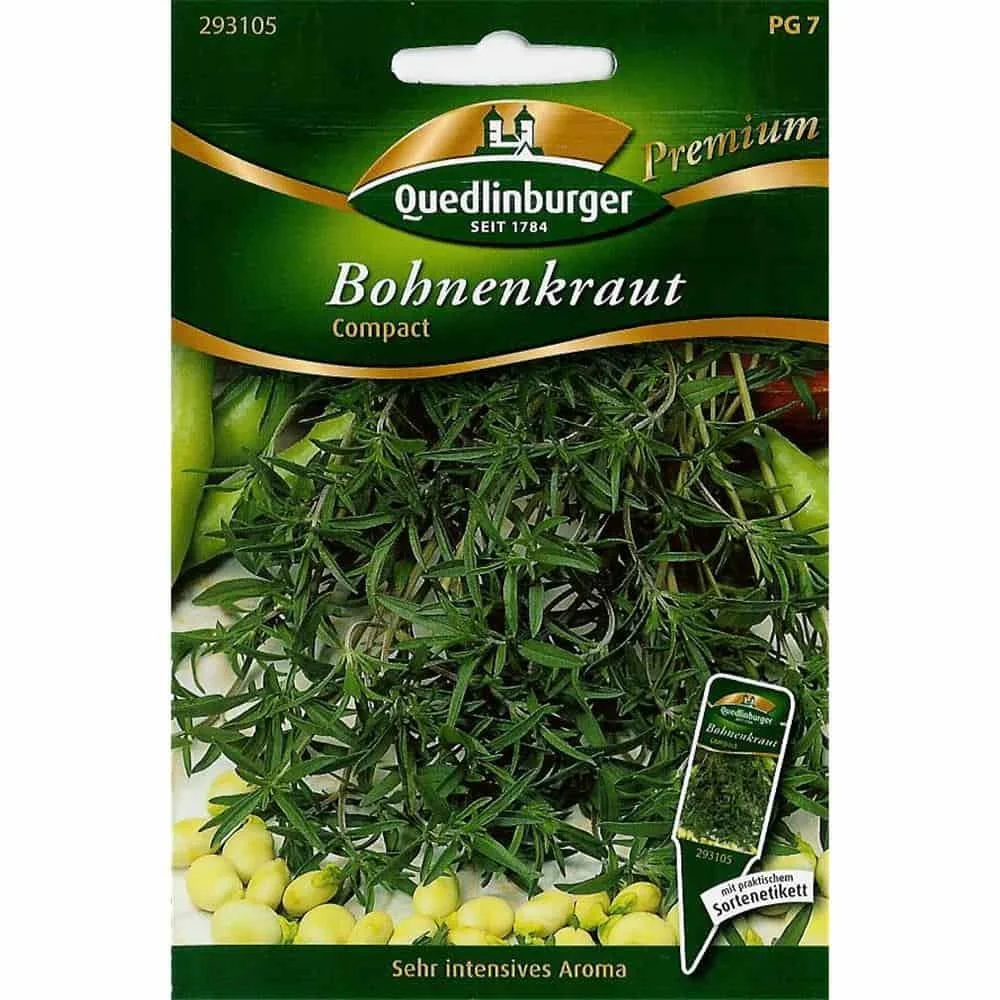
These herbs are perfect for rock gardens, dry-stone walls or pots on a south-facing balcony. They need hardly any fertilizer and are very easy to care for.
Shade lovers: Native and woodland herbs
Other herbs prefer a partially shaded to shady spot and moist, humus-rich soil. They thrive on a north-facing balcony or beneath larger trees and shrubs in the garden. The more undemanding options include:
- Parsley: Flat-leaf or curly, and an all-rounder in the kitchen.
- Chives: Grows almost anywhere and sprouts again every spring.
- Mint: Loves moisture and spreads vigorously (use a root barrier!).
- Lemon balm: Has a lemony fragrance and is ideal for teas and desserts.
- Wild garlic: Grows in dappled shade in spring and dies back in summer.
Annual vs. perennial herbs
You must also decide whether you want to grow annual or perennial herbs. Annual herbs such as basil, dill or cilantro need to be grown from seed or purchased as young plants again each year. Their life cycle is limited to one season.
Perennial, hardy herbs such as thyme, sage, chives or lovage return every year. They form a low-maintenance and sustainable foundation for any herb garden. In harsh winters, some of them need light protection made from brushwood or leaves.
Pro tip
Plant herbs that support each other. Planting basil next to tomatoes is said to encourage fruit development and keep pests away. Sage planted next to cabbage can deter the cabbage white butterfly. This companion planting makes the most of the available space and creates a resilient mini-ecosystem.
Planting herbs: step by step to success
Whether in a pot, raised bed or directly in the ground, the basic principles of planting herbs are similar. The right start determines later success.
The right location: garden, balcony or windowsill
In the garden, a herb spiral is the ideal solution. It provides different zones in a small space, from sunny and dry at the top to moist and shady at the base. A classic herb bed near the kitchen is also practical. For a natural-looking design, you can border the edges of the bed with a robust ground cover such as
Ajuga Reptans, which suppresses weeds and attracts insects.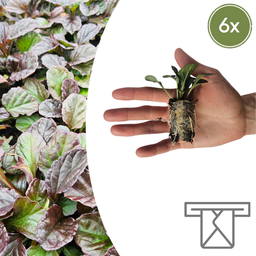
On the balcony or patio, pots and planters are the best choice. Make sure the containers are large enough and have a drainage hole to prevent waterlogging. A layer of expanded clay or gravel at the bottom provides drainage. Vertical gardens make the most of wall space.
The windowsill in the kitchen is the classic choice for essential herbs. A south- or west-facing window provides enough light for basil, parsley or chives.
Good soil is the foundation for healthy plants. For most herbs, loose, well-drained soil that is not too rich in nutrients is the best choice. If necessary, mix in sand to improve drainage.
Soil and fertilizing: what herbs really need
Use special herb soil or mix garden soil with sand and compost. Mediterranean herbs need a lean, sandy mix. Native herbs such as parsley prefer more nutrients. You can work in some mature compost here.
Most herbs are light feeders and need few nutrients. Excessive fertilization with fertilizer leads to lush growth, long, weak shoots and a loss of flavor. A small application of organic fertilizer in spring is enough for most perennial varieties. Potted herbs can receive a weak dose of liquid fertilizer every few weeks during the growing season.
The Right Care for a Bountiful Harvest
Herbs are hardy, but a little attention will reward you with vigorous growth and intense flavour. Proper care mainly involves three things: watering, pruning and overwintering.
Watering
Water herbs as needed. The surface of the soil should dry out between waterings. Herbs in pots dry out faster than those in beds and therefore need water more often. Avoid wetting the leaves to prevent fungal diseases. Water directly onto the soil. Tools from the garden irrigation range, such as watering cans with fine rose heads or drip systems, make the job easier.
Important note
Never plant mint directly in a bed without a root barrier. Its underground runners spread aggressively and quickly displace other plants. A bottomless bucket sunk into the ground or a special root barrier will reliably keep it under control.
Pruning and Harvesting
Regular harvesting is the best way to prune herbs. It encourages the plant to branch out and grow bushier. With herbs such as basil or lemon balm, always cut off entire shoot tips just above a pair of leaves. Two new shoots will then grow from this point. With chives or parsley, harvest the outer leaves or stems. Leave the centre of the plant intact so it can continue growing. Never cut back more than one third of the plant at a time.
Popular Culinary Herbs at a Glance
Here you will find a selection of the most popular herbs, along with their key characteristics and tips for using them.
- Basil: The star of Italian cuisine. Loves warmth, sunshine and plenty of water. Not hardy. Perfect for pesto, tomato salad and pasta dishes.
- Parsley: The all-purpose herb. Prefers partial shade and nutrient-rich, moist soil. Flat-leaf parsley is more aromatic than curly parsley. Ideal for soups, sauces and garnishing.
- Chives: Easy to grow and hardy. Grows in sun or partial shade. The edible purple flowers make a beautiful decoration for salads. Goes well with quark, egg dishes and on bread and butter.
- Rosemary: Intense, resinous aroma. Needs full sun and dry soil. Partly hardy; overwinter in a pot in harsh locations. Essential for rosemary potatoes and lamb dishes.
- Thyme: Flavourful and robust. Loves sun and dry conditions. Hardy and evergreen. Adds flavour to stews and meat dishes and goes well with mushrooms.
Chives may be the most rewarding herb for beginners. It forgives care mistakes, reliably comes back every year and its mild, spicy flavour goes with countless dishes.
Using and Preserving Herbs
The best time to use herbs is straight after harvesting. But often more grows than you can use right away. With simple methods, you can preserve their flavour for later.
Drying: Tie herbs such as thyme, oregano or rosemary into small bunches and hang them upside down in an airy, dark and warm place. After a few weeks, they will be dry and can be stored in jars.
Freezing: This is the best method for soft-leaved herbs such as parsley, dill or basil. Chop the herbs finely and fill ice cube trays with them. Top up with water or olive oil and freeze. This gives you perfectly portioned amounts for sauces or soups.
Additional tip
Make your own herb butter. Mix softened butter with finely chopped herbs such as chives and parsley, plus a little garlic. Season with salt and pepper, shape into a roll and freeze. Cut into slices for the perfect accompaniment to steaks, baguette or vegetables.
Herbs also release their flavour wonderfully in marinades for meat or vegetables, especially when cooking in the BBQ + Smoking range. A sprig of rosemary or thyme on the embers adds an extra smoky flavour. In the kitchen itself, accessories such as the
hob cover "Universal HERB GARDEN" creates the right atmosphere while also protecting your hob.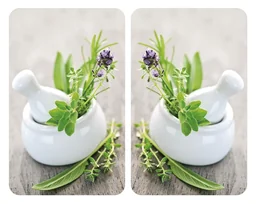
A herb garden of your own is an asset to any household. It is an easy introduction to the world of gardening and rewards you with flavour, fragrance and the satisfaction of having grown something yourself.
Frequently Asked Questions
- Which herbs grow well together in one pot?
- Herbs with similar requirements for sun, water and soil grow well together. Combine Mediterranean varieties such as rosemary, thyme and sage. Parsley, chives and chervil prefer moister, more nutrient-rich soil and therefore make good companions in one container. Avoid planting spreading mint with other herbs.
- How often do I need to fertilise my herbs?
- Most herbs need very little fertiliser. Heavy feeders such as basil or parsley benefit from a light dose of organic fertiliser every four to six weeks. Mediterranean herbs such as thyme or rosemary need hardly any additional nutrients. Over-fertilising harms the flavour and can weaken the plants.
- Can culinary herbs be overwintered indoors?
- Yes, many perennial herbs can be overwintered indoors. Place pots of rosemary, sage or thyme by a cool, bright window. Reduce watering significantly. Not all herbs survive this well, but it is worth trying so you can harvest fresh sprigs in winter too.
- Why do my supermarket herbs always die?
- Supermarket herbs are often grown quickly under ideal greenhouse conditions and sold in pots that are too small. The plants are stressed and the root ball is too dense. Repot them into larger containers with fresh herb compost as soon as you buy them and gradually acclimatise them to their new conditions.
- How do I harvest herbs correctly so they grow back?
- Harvest regularly and never cut off more than one third of the plant at a time. With stem herbs such as basil or mint, cut off entire shoot tips just above a pair of leaves. With grass-like herbs such as chives, cut the stems about two centimetres above the soil.
You may also be interested in
- Growing herbs: your guide to creating your own herb garden
- Planting herbs together: which neighbours work well in a bed?
- Culinary herbs for the garden: growing umbellifers
- Build a raised herb bed: instructions, filling and the best herbs
- Herbs in the kitchen
- How to care for parsley successfully: tips for a bountiful harvest