
In brief: A good kitchen timer is reliable, easy to read and simple to use. Digital timers offer precise settings and often have loud alarms, while mechanical models stand out for their straightforward operation and sturdy construction. The best choice depends on whether you want extra features, such as a built-in egg timer, or a large display that’s easy to see. Magnetic or stable freestanding models are especially handy because you can put them wherever you need them.
A kitchen timer is more than a simple alarm. It’s a reliable helper for precise cooking, perfect baking and stress-free multitasking in the kitchen. In 2026, timers have continued to evolve, from classic mechanical dial models to smart digital devices with extra features. Our review and comparison will help you choose the right option from the wide range of kitchen timers. We look at readability, ease of use, durability and performance in everyday cooking.
Table of contents
Digital timers: Precision and features
Digital kitchen timers keep accurate time. You usually set the minutes and seconds with the touch of a button, and a clear LCD shows how much time is left. Many models have a loud, attention-grabbing alarm.
They’re often easy to use, though models with lots of features may take a little getting used to. A major advantage is the ability to set several timers at once or use a stopwatch. Digital timers run on batteries.
Advantages at a glance
- High precision: Set the time down to the second.
- Easy to read: Usually has a large, backlit digital display.
- Extra features: Stopwatch, countdown and multiple timers.
- Alarm volume: The alarm is often louder and more piercing than on mechanical models.
Check battery life and make sure you can find the right battery size. A dead battery will leave your timer unusable. Keep spare batteries in your household supplies drawer.
Mechanical timers: Simple and sturdy
The classic dial timer is known for its simplicity and durability. Turn the dial to set the time, and a ticking mechanism counts down the minutes until a bell rings.
These timers don’t need batteries and are often built to handle everyday knocks and splashes. The scale can be hard to read on small models or from across the room. Some people find the ticking soothing; others find it distracting.
Where mechanical timers excel
- No batteries needed: Works without batteries.
- Durability: Often handles knocks and splashes well.
- Simple operation: Just turn the dial and you’re set.
- Tactile feel: Many users like the feel of winding it up.
Timers with special features
Alongside standard models, some kitchen timers are designed for a specific task or provide extra information. They can be a useful addition to your kitchen tools and cooking accessories.
One standout example is the egg timer
. It takes the guesswork out of cooking the perfect breakfast egg. Choose a preset for soft-, medium- or hard-boiled eggs and get consistent results every time.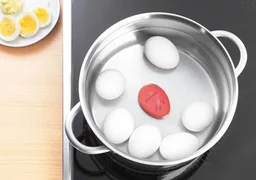
Another option is a timer that also measures room conditions. The product
combines a countdown timer with a thermometer and hygrometer. You can keep track of cooking time and room conditions at once—handy for bakers who need to monitor dough as it rises.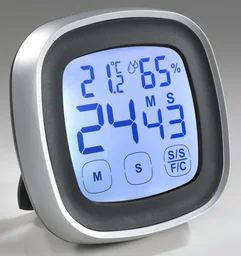
Think about the tasks you regularly do in the kitchen. Do you need an all-purpose timer or one designed for a specific job? A dedicated egg timer can be useful if you boil eggs every day. For everyday cooking and baking, a general-purpose timer is often all you need.
Buying guide: How to choose a timer
The right timer depends on what you need. Ask yourself these questions before you buy.
Where will you put the timer?
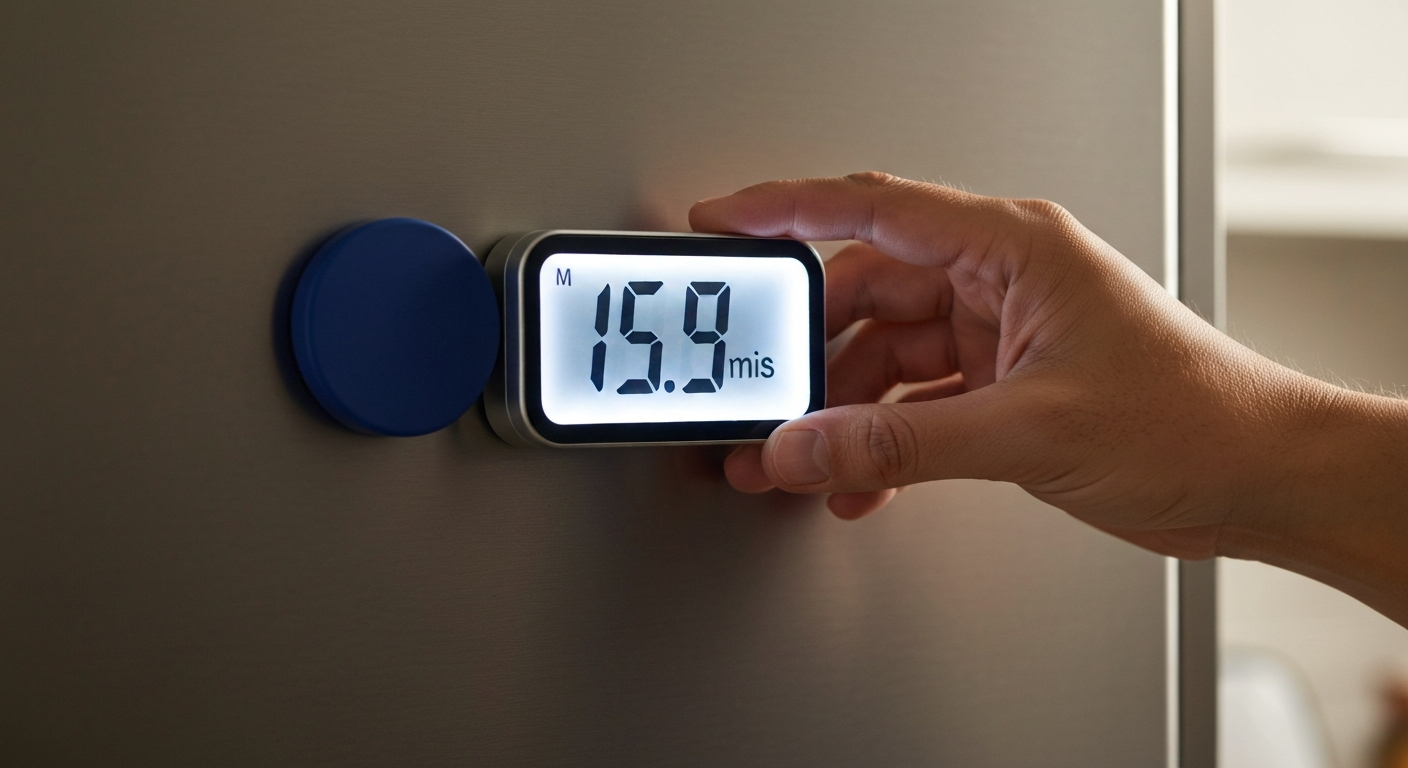
Magnetic timers such as the
stick securely to the fridge or range hood, keeping them in easy view. Timers with a stand need a clear spot on the countertop. Folding or adjustable stands give you more flexibility.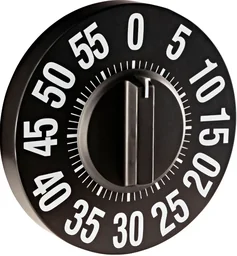
How easy is it to read?
If you wear glasses or have a large kitchen, a large, high-contrast display can make a big difference. Digital timers often have the advantage here. Check that you can read the numbers from six feet away.
How loud should the alarm be?
Do you cook while the dishwasher is running or music is playing? Look for a timer with a loud, attention-grabbing alarm. Try it out if you can. Mechanical bells often ring clearly, while digital alarms vary by model.
Don’t forget about design. Your timer will be visible in the kitchen, so choose a color and style that suits your space. A simple stainless steel model or one with colorful accents can also make an attractive kitchen accessory.
Ease of use in our test
In our hands-on test, we look at how easy each timer is to use in a busy kitchen. Can you set it with wet or flour-covered fingers? Are the buttons or dials easy to grip?
This model particularly impressed us with its extra-large display and easy-to-feel buttons. The magnetic back holds securely, even on painted surfaces. It’s simple to use.
For mechanical models, the quality of the mechanism is key. A steady ticking sound that isn’t too loud and a strong, reliable alarm are signs of a good model. The dial should turn smoothly, with no play, so you can set the timer precisely.
Compare the best kitchen timers
A side-by-side comparison highlights the strengths and weaknesses of each model. The table below gives you a quick overview of the key features.
Our highest-rated kitchen timers compared:
| Model | Customer rating | Availability |
|---|---|---|
| 2-in-1 Digital Kitchen Timer, Magnetic, Black | – | Currently unavailable |
| Digital Kitchen Timer, Magnetic | – | Currently unavailable |
| Egg Perfect – the egg timer for the perfect breakfast egg | – | Currently unavailable |
| Jumbo Timer | – | Currently unavailable |
| KÜKEN Kitchen Timer | – | Currently unavailable |
Conclusion: Choosing a kitchen timer
Choosing the right kitchen timer comes down to personal preference. Digital models offer precise timekeeping and modern features. They’re a great choice if you want accurate timing and extras such as a stopwatch or multiple timers.
Classic mechanical timers stand out for their simplicity, durability, and independence from batteries. They’re always ready to use and offer a satisfying tactile experience. They’re a great fit for anyone who prefers a straightforward design and enjoys the familiar ticking sound.
Specialty timers, such as egg timers or combination devices, are designed to solve specific problems. They’re useful additions if you regularly need those special features.
Ultimately, your cooking habits, kitchen setup, and personal preferences will determine which timer is right for you. Whichever model you choose, a good kitchen timer helps you keep better track of cooking times, avoid burnt food, and enjoy a more relaxed cooking and baking experience.
Frequently asked questions
- Which is better: a digital or mechanical kitchen timer?
- Digital timers are more precise, often louder, and may offer extra features such as a stopwatch or multiple timers. Mechanical timers are easy to use, don’t need batteries, and are often more durable. The right choice depends on whether you prefer extra features or simple operation.
- What should I look for in a magnetic kitchen timer?
- Check that the magnet is strong enough to hold the timer securely on your refrigerator or range hood. Make sure the magnet’s placement doesn’t block the display. For digital models, check that you can replace the battery easily without affecting the magnetic hold.
- Can I use a kitchen timer to time eggs?
- Yes. Any timer with a long enough time range can generally be used to time boiling eggs. Specialty egg timers such as PRODUCT_117430 may have preset settings for different levels of doneness (soft, medium, hard), making them easier to use and helping you get consistent results.
- Are timers with large displays more practical for everyday use?
- Yes, especially if you want to check the remaining time from across the room or in low light. A large display, such as the one on PRODUCT_84828, can be a real advantage. Make sure the larger housing will still fit where you plan to place it.
- What extra features can a modern kitchen timer have?
- In addition to the basic timer function, some models include a room thermometer and hygrometer (PRODUCT_111206), which can be useful when proofing dough or storing food. Others have a built-in stopwatch or multiple independent timers that can run at the same time.