
In brief: Self-heal (Prunella vulgaris) is a persistent lawn weed that spreads through above-ground runners and seeds. To control it, remove the entire plant, including its roots. The best way to prevent it is to maintain a dense, vigorous lawn with regular dethatching, proper mowing, and the right nutrients from lawn fertilizer.
How to Get Rid of Self-Heal in Your Lawn
Self-heal spreads quickly through thin, patchy lawns. Its violet flowers can hide the damage it causes as it weakens and crowds out your grass.
Learn how to identify self-heal, control it effectively, and prevent it from coming back. With consistent care, you can grow a dense, healthy lawn.
How do I identify self-heal in my lawn?
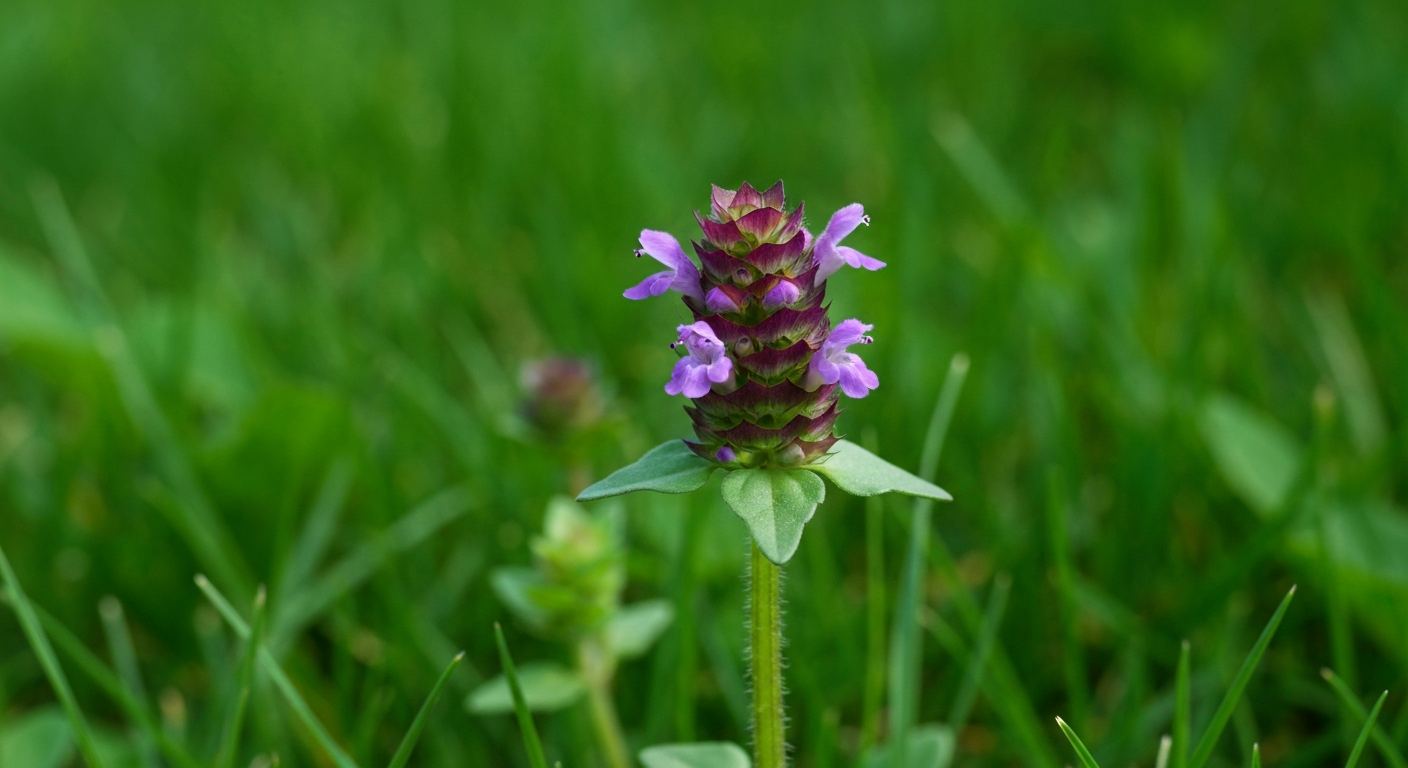
Self-heal (Prunella vulgaris) is a perennial, creeping plant in the mint family. Do not confuse it with harmless herbs.
Its stems are square and take root at the nodes, allowing the plant to quickly form a dense mat. The oval leaves grow in opposite pairs.
The distinctive violet flower spikes appear from June to September. Each flower has a helmet-shaped upper lip. After flowering, claw-shaped seed heads develop.
Expert tip
Check suspicious areas in damp weather. Self-heal has a slightly aromatic scent. Its square stems are a more reliable clue—you can feel their shape by rolling them between your fingers.
Why is self-heal a problem for my lawn?
Self-heal competes with lawn grass for sunlight, water, and nutrients. It grows low to the ground and spreads by creeping along the surface, where it can overrun the turf.
It forms a dense, matted layer near the soil surface that restricts airflow around the roots. This can encourage moss and other weeds.
Self-heal reproduces through both seeds and above-ground runners. Individual plants can grow back if root fragments remain in the soil. A new plant can sprout from each fragment.
“Self-heal is a sign of compacted, often damp soil and a weakened lawn. If you only remove the plant, you are treating the symptom, not the cause.”
The effects of a heavy infestation
Your lawn can become uneven and lose its green color. Its durability suffers, and the grass is more likely to break under heavy use.
Sports and play lawns lose their functionality, while ornamental lawns can look neglected. Self-heal does not hold up well to foot traffic.
Once established, this weed can make it easier for other problem species to take hold. Restoring your lawn becomes increasingly labor-intensive, so invest in prevention instead.
How can I control self-heal effectively?
You have two options: mechanical and chemical control. Combining both methods often produces the best results. Start early in the season.
Manual control with tools
A weed puller is the most precise tool for the job. In damp soil, push it deep into the ground and angle it beneath the plant. Remove the entire root system.
A dethatcher works well on larger areas. It pulls out the above-ground runners. Only dethatch in dry weather, and avoid working too deeply.
Dispose of the pulled weeds in the trash, not the compost. Otherwise, seeds could make their way back into your garden.
Important note
Do not pull self-heal out by hand alone. Its brittle runners can break off, and a new plant can grow from each piece. Always use a tool to remove the whole plant.
Chemical control with herbicides
Selective lawn herbicides target broadleaf weeds while sparing grass. Many products combine weed control with fertilizer.
Products such as lawn fertilizer with weed killer control self-heal while strengthening your lawn. Follow the application instructions carefully.
Apply the product on a calm, dry day when the weed leaves are dry. Avoid applying it if rain is expected within at least 6 hours.
“Herbicides do not work immediately. Self-heal wilts gradually over 10 to 21 days. Do not repeat the treatment too soon; wait for the full effect.”
How do I prevent self-heal from coming back?
Prevention is key to keeping your lawn weed-free over the long term. Strengthen your grass so it can naturally resist self-heal. Proper lawn care makes all the difference.
The right lawn care throughout the year
Mowing: Never set your mower blade below 4 centimeters. Cutting the grass too short stresses the plants. Self-heal then gets more light and can grow more easily.
Dethatching: Remove moss and thatch in spring and/or fall to aerate the soil. Use equipment such as the
Watering: Water less often, but deeply. Ideally, apply 10 to 15 liters per square meter. Deep-rooted grass is more resistant to drought and weeds.
Additional advice
Top-dress compacted areas with lawn sand. It improves drainage and makes the soil less attractive to self-heal. Work the sand into the lawn after dethatching.
Optimal nutrient supply and overseeding
Fertilize your lawn regularly. An organic lawn fertilizer provides nutrients slowly and evenly. In spring, a starter lawn fertilizer promotes growth.
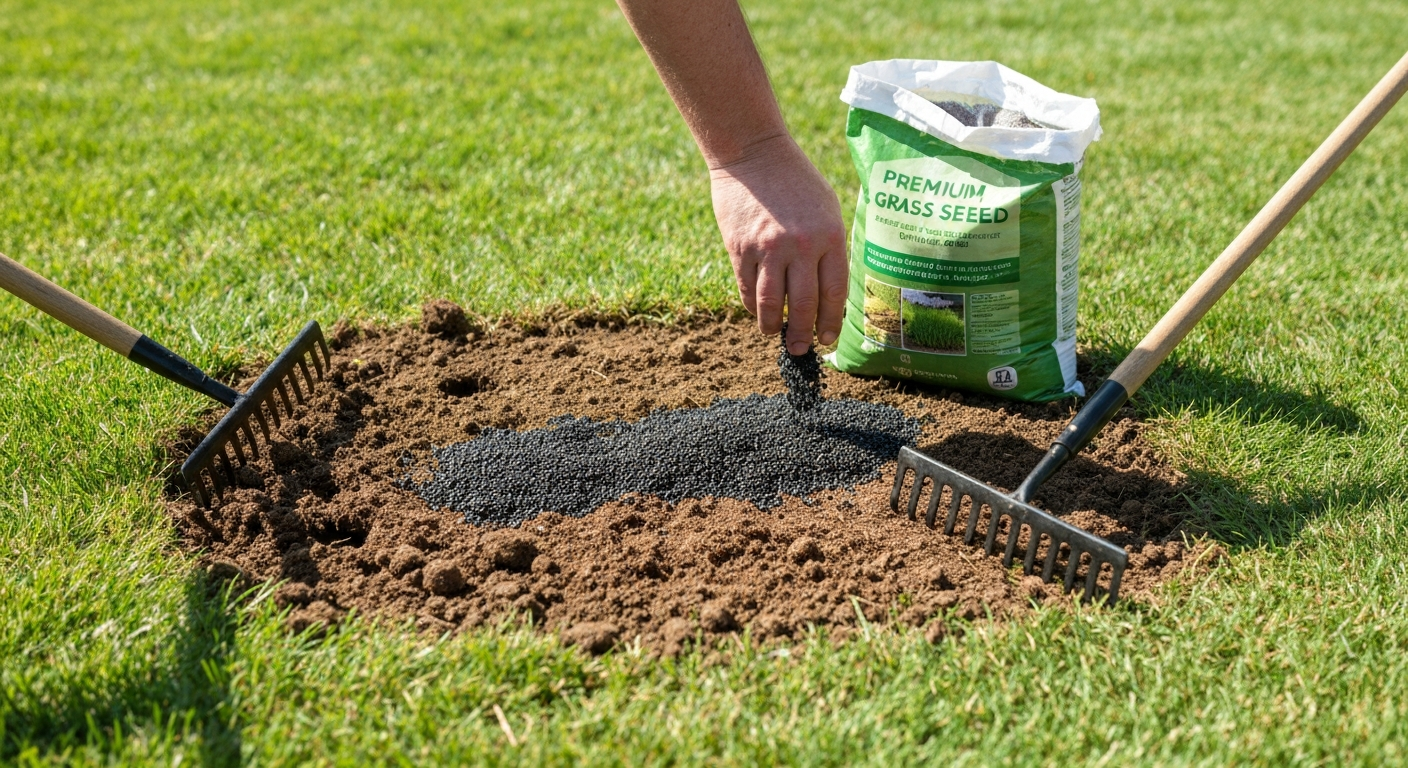
Reseed bare patches right away. Choose high-quality grass seed suited to your location. Keep the areas moist until the seeds germinate.
For heavily used areas such as playgrounds, use a fertilizer for sports and play lawns. It helps grass withstand mechanical stress.
Mechanical barriers and soil improvement
Install a
along the edges of your lawn. This narrow lawn edging helps prevent self-heal from spreading from nearby garden beds and creates a clear boundary.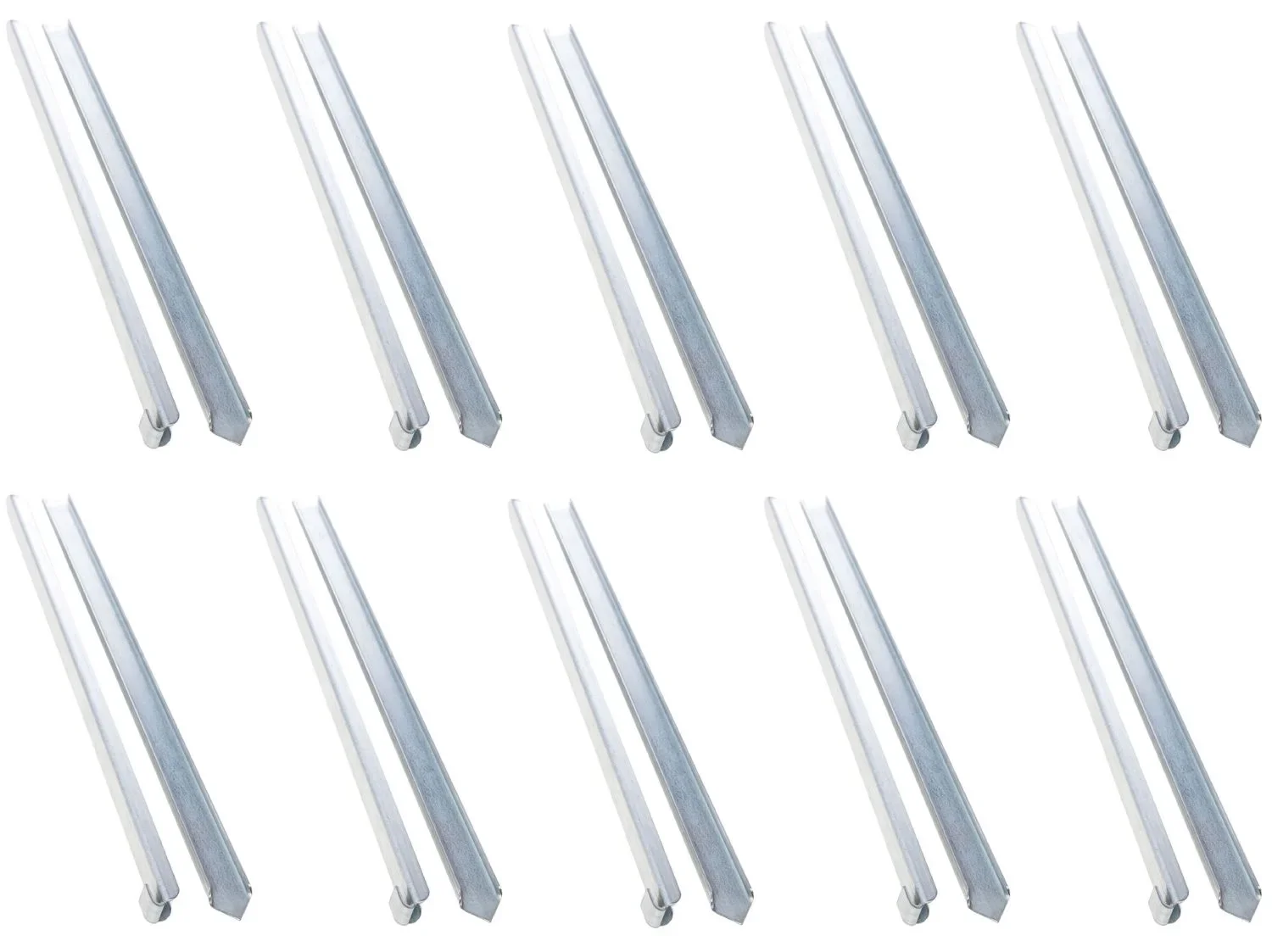
Lime can help if your soil is acidic. Test the pH first. Lawn lime raises the pH and improves soil structure.
Under paving slabs or in new garden beds, weed control fabric creates an effective barrier. It suppresses weeds that would otherwise grow from seeds already in the soil.
Which tools and products can help me?
The right equipment makes the work easier. Invest in high-quality essential tools. In the long term, they save you time and effort.
Essential hand tools
A good weeding tool with a narrow, sharp blade is essential. It allows you to work precisely without significantly disturbing the soil. Clean the blade after every use.
The offers a practical set with loppers, hedge shears and pruning shears. This prepares you for a range of gardening tasks. Sharp blades are gentle on plants.
For cleaning your equipment after removing weeds, the
is ideal. Clean tools do not spread diseases or weed seeds.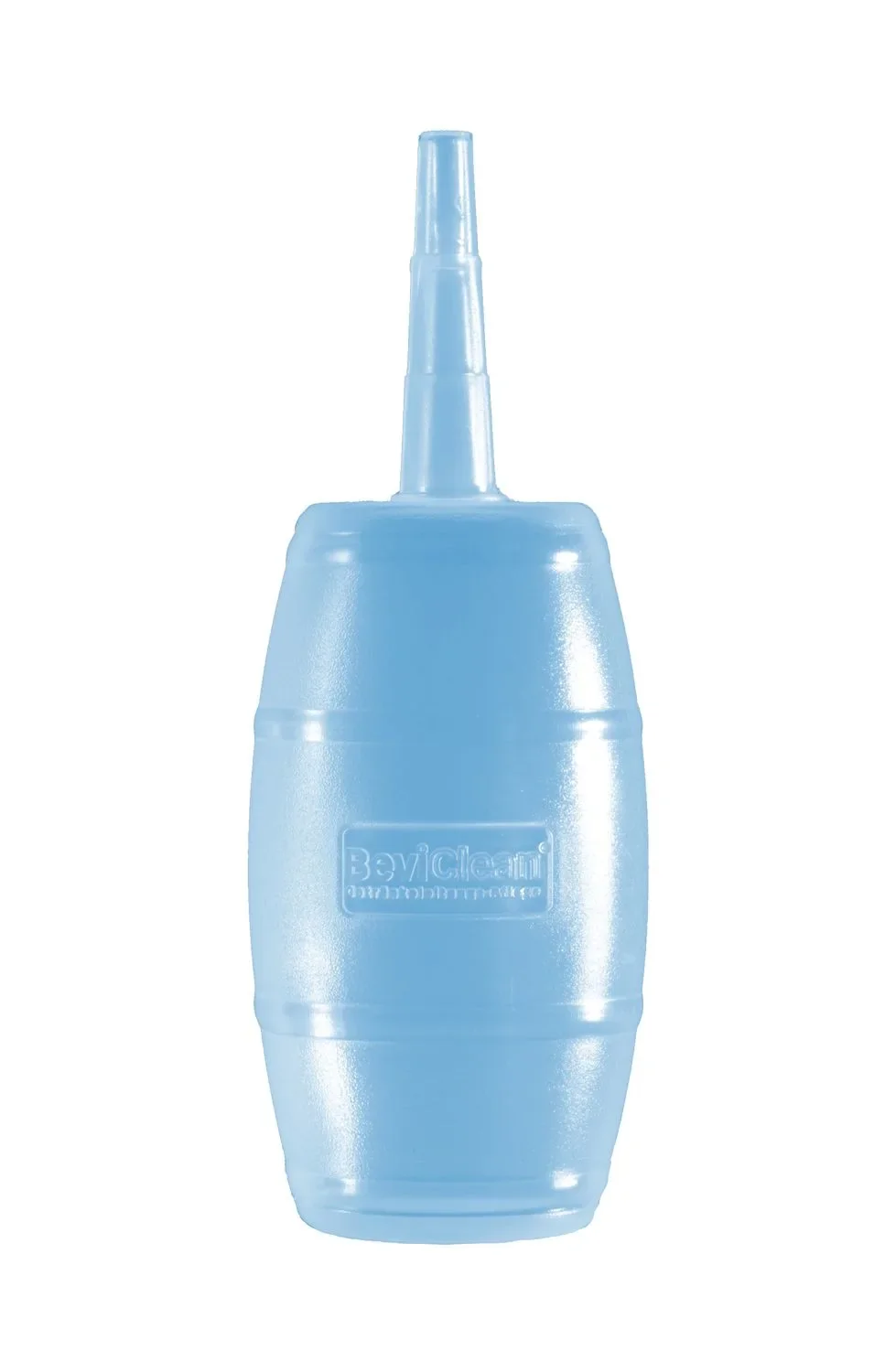
Lawn care products for lasting results
In addition to the fertilizers already mentioned, a spring lawn fertilizer is important. It provides the energy needed to start the season.
In fall, an fall lawn fertilizer with plenty of potassium prepares the lawn for winter. The grass becomes more resistant to frost.
For heavily used paths or parking areas, grass pavers are a solution. They stabilize the ground while allowing grass to grow through.
Conclusion: Consistency leads to success
You will not defeat self-heal with a one-off treatment. You need a strategy that combines direct control with long-term prevention.
Start by removing existing plants manually or with herbicide. Work thoroughly and remove all root remnants.
Then strengthen your lawn with appropriate care. The right mowing height, regular fertilization and timely overseeding are your most effective tools.
With patience and the right methods, your grass will reclaim the surface. Your lawn will become denser, greener and more resistant to weeds.
Frequently Asked Questions
- Is self-heal harmful to my lawn?
- Self-heal is not a parasite, but its low, creeping growth crowds out lawn grasses. It forms dense mats that encourage bare patches and weaken the turf. A severe infestation significantly reduces the usability and visual appeal of your lawn.
- When is the best time to control self-heal?
- Control self-heal in spring or early summer, before it flowers and produces seeds. The soil should be moist so you can remove the entire root easily. Herbicides work best during active growth, at temperatures above 10°C.
- Can I get rid of self-heal with herbicide?
- Yes, special lawn fertilizers with weed killer are effective against broadleaf weeds such as self-heal. Choose a product approved for use on lawns. However, manual removal remains the most precise and environmentally friendly method for individual plants.
- Why does self-heal keep coming back?
- Self-heal returns when the underlying causes are not addressed: mowing too short, nutrient deficiencies, compacted soil or bare patches in the turf. It survives through seeds and root fragments. Consistent lawn care and reseeding bare areas are essential for lasting success.
- How can I prevent a new self-heal infestation?
- Prevent it by maintaining a vigorous lawn: do not mow below 4 cm, dethatch regularly, fertilize as needed and promptly reseed bare patches with high-quality grass seed. A dense lawn leaves weeds little room to establish.
You may also be interested in
- Creeping Weeds in Lawns: Effective Control Methods
- How to Control Weeds in Your Lawn Naturally
- A Clear Edge in the Garden: How to Stop Unwanted Grass Growth
- Lawn Care Guide: Your Path to a Dense, Green Lawn
- Lawn Mowing: Costs, Techniques and Top Care Tips
- Weeds in the Garden: Identify, Understand and Control Them Naturally