
In brief: A laminate countertop has a wood-based core covered with a solid-color or decorative plastic layer. Its biggest advantages are easy care and strong resistance to moisture and many household chemicals. It is also relatively affordable. Its drawbacks include limited heat resistance and a tendency to scratch. With a high-quality finish, it can be a practical, budget-friendly choice for your kitchen.
Table of Contents
- What exactly is a laminate countertop?
- What are the advantages of this material?
- What are its drawbacks and limitations?
- How do I clean and care for my countertop?
- Who should consider buying one?
- Laminate in everyday use: practical applications
What exactly is a laminate countertop?
The term "plastic countertop" can be confusing. It is not a solid slab of plastic. Instead, it has a core made from a wood-based material such as MDF or particleboard, covered with a thin but durable plastic laminate.
The laminate is the key component. It may be a solid color or have a high-resolution decorative finish. Popular designs mimic wood grain and stone, while other options include plain, glossy or matte finishes. The edges are usually sealed with matching ABS edging or the same laminate.
The quality of a laminate countertop depends largely on the thickness and craftsmanship of its decorative layer. A thick, high-quality laminate is more resistant to impact and abrasion than a thin, budget option.
What are the advantages of this material?
Easy care is its biggest selling point. The nonporous surface gives bacteria and dirt few places to collect. Simply wipe it with a damp cloth and a little mild cleaner. Food stains such as wine, coffee and oil do not soak into the surface.
Laminate resists moisture, so splashes and a wet sponge are not a problem. This makes it a good choice for areas around the sink and cooktop. Many household chemicals, including diluted acids and alkalis, also won’t damage it.
Price is another advantage. Compared with natural stone, ceramic or high-end composite materials, laminate countertops are an affordable option. There are also plenty of designs to choose from, including styles that look upscale.
Pro tip
When looking at samples in a showroom, consider more than just their appearance. Try the "fingernail test": gently press your fingernail against an inconspicuous edge. Strong resistance can indicate a hard, more scratch-resistant top layer.
High hygiene standards and a wide range of designs
Laminate is hygienic, much like glass or highly polished stone. A seamless surface and sinks and cooktops fitted nearly flush with the countertop minimize joints where dirt can collect. Designs range from classic wood looks to modern metallic finishes.
What are its drawbacks and limitations?
Limited heat resistance is its biggest weakness. Direct contact with hot pans, baking sheets or kettles can cause permanent damage. Heat can melt the laminate, make it blister or loosen the adhesive underneath.
The surface can scratch. Sharp objects, such as a knife edge, or the rough base of a ceramic pot can leave permanent marks. Even abrasive cleaning pads can cause fine scratches that make the surface look dull over time.
Important
Never cut directly on a laminate countertop! Even a sharp kitchen knife can leave deep cuts. They can’t be repaired and may collect dirt. Always use a cutting board. You can also find sturdy work surfaces in our workshop carts & material stands category.
Heavy impacts can also cause damage. A heavy object dropped onto the surface may dent the core material. The laminate itself offers limited protection against concentrated impacts.
Many customers underestimate how important the core board is. A thin or low-quality particleboard core can swell at unprotected edges when exposed to moisture, permanently damaging the countertop.
How do I clean and care for my countertop?
Daily cleaning is simple. Wipe the surface with a soft, damp cloth and a little dish soap or a pH-neutral all-purpose cleaner. Then dry it with a cloth. This helps prevent hard-water spots, especially in areas with mineral-rich water.
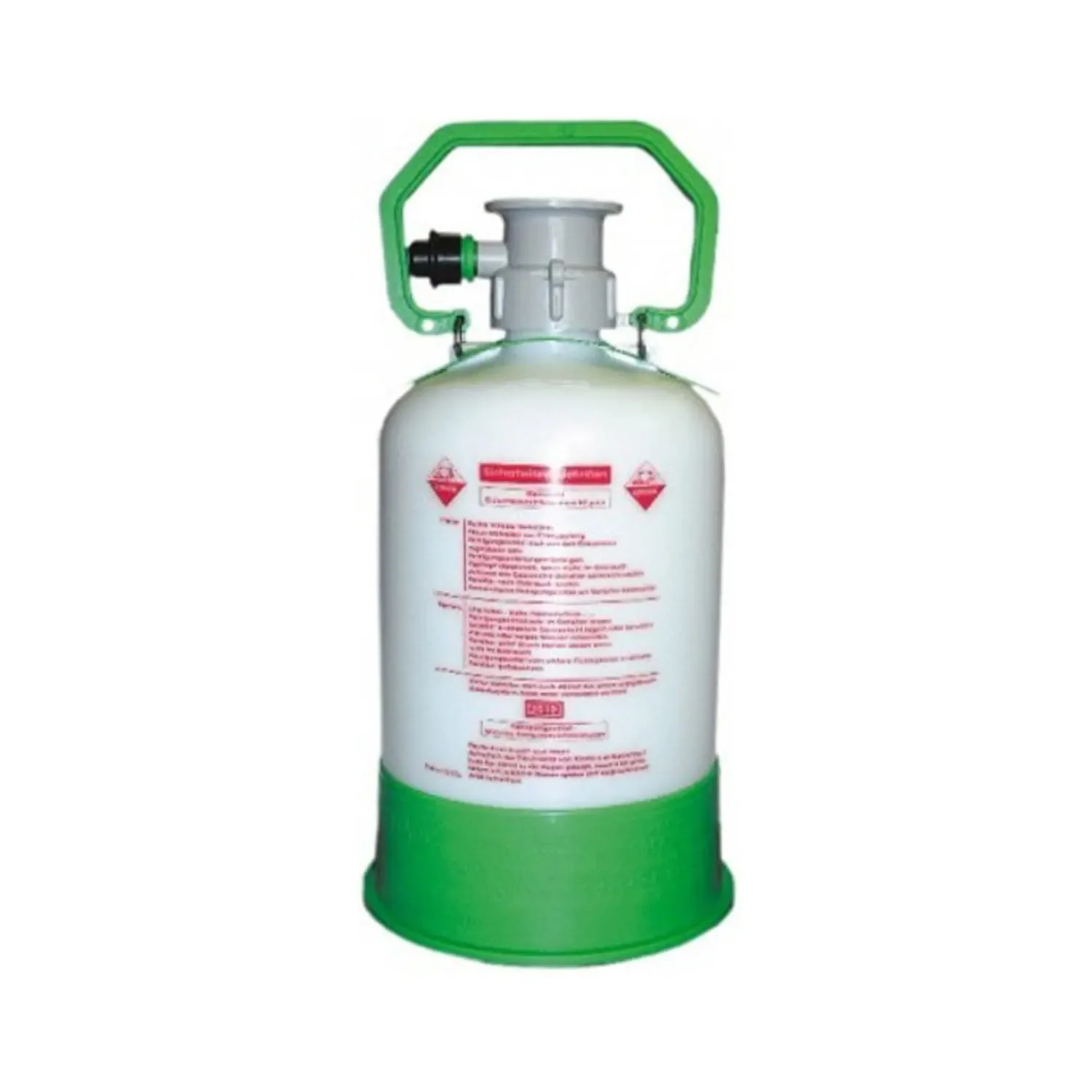
Avoid harsh cleaners and tools. Abrasive cleaners, steel wool, sharp blades and chlorine-based cleaners can damage the surface, making it dull and more vulnerable. For stubborn marks such as dried adhesive, use a plastic cleaner such as our or a specialty care product.
Additional tip
A microfiber cloth is ideal for leaving the surface streak-free and shiny after cleaning. On matte surfaces, specialty plastic care sprays can help preserve the original look and leave a light protective film.
Clean up spills right away. Wipe up heavily staining liquids such as red wine or curry as soon as possible. Even if they don’t soak in, prolonged contact can damage the surface.
Special case: removing hard-water deposits and grease
Remove hard-water deposits around the faucet or grease beside the stove with a mild vinegar cleaner or a specialty degreaser. Spray on the product, let it sit briefly, then wipe it off with plenty of water. Don’t scrub hard.
Who should consider buying one?
Laminate countertops are a good choice for practical households looking for easy care on a limited budget. They work especially well in rental kitchens, where replacing the countertop later is straightforward, and in secondary kitchens in a basement.
Families with young children appreciate their resistance to colorful spills and moisture. They’re also a good option for home cooks who work with fresh ingredients and need to clean the countertop often.
If you want a distinctive look without spending a lot, laminate offers plenty of options. Realistic oak, concrete and marble designs can give your kitchen an upscale look. Explore our range for more ideas for coordinating accessories, including sturdy material stands and storage solutions.
Plastic in Everyday Life: Practical Uses
Plastic coating isn’t just for kitchens. Similar materials are used in gardens and other outdoor spaces for easy-care furniture and practical structures. A good example is a convenient camping table with a built-in work surface, such as our and .
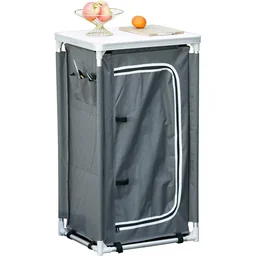

These portable solutions show the benefits of plastic: it’s easy to clean, somewhat weather-resistant, and durable enough for everyday use. Plastic is also widely used in kids’ rooms and play kitchens, as you can see in our play kitchens category.
Plastic connectors and accessories are essential for DIY projects and hobbies. Whether you’re setting up garden irrigation or organizing your workshop, plastic is a popular choice because it resists moisture and chemicals.
Choosing a plastic countertop is a practical trade-off. You give up some heat and scratch resistance in exchange for easy care and an affordable price. With realistic expectations and proper care, it can serve you well for many years. It’s a practical way to create a kitchen that looks great and works for everyday life.
Frequently Asked Questions
- Can I put a hot pan straight from the stove on a plastic countertop?
- No. Plastic countertops are sensitive to heat. Temperatures above 60-80°C can cause permanent damage, such as warping, blistering, or discoloration of the decorative layer. Always protect the surface with a heat-resistant trivet or hot pad.
- How easily does a plastic countertop scratch?
- The surface is relatively soft, so it can scratch easily. Sharp knives, rough cookware, and abrasive scrub pads can leave visible marks. Always use a cutting board, and don’t drag heavy objects across the countertop.
- Are all plastic countertops the same? What should I look for when buying one?
- No. Quality can vary considerably. Look for a high-quality decorative layer and a sturdy core board, often made of MDF. The countertop’s thickness (at least 38 mm) and the quality of the edge finishing (rounded or sealed with an ABS edge) are key to its durability and appearance.
- Which cleaning products can damage a plastic surface?
- Abrasive cleaners, scouring pads, chlorine-based cleaners, and strong alkaline or acidic products (such as limescale remover) can dull or damage the surface. Use a mild all-purpose cleaner, pH-neutral soap, or a cleaner made for plastic. Dry the surface after cleaning.
- Can I use a plastic countertop outdoors, such as in an outdoor kitchen?
- This isn’t recommended. Most plastic countertops designed for indoor use aren’t UV-resistant and will fade in direct sunlight. Large temperature swings and prolonged exposure to the elements can also cause damage. For outdoor use, choose a material designed to withstand the weather.
You might also be interested in
- Plastic Wall Panels: A Modern, Low-Maintenance Option
- How to Care for Plastic Lawn Edging: Tips for Long-Lasting Use
- How to Care for Rubber and Plastic: Make Them Last Longer
- Plastic vs. Metal Lawn Edging: A Complete Comparison
- How to Paint a Kitchen Countertop for an Easy Makeover
- How to Care for uPVC Windows and Make Them Last Longer