
In brief: Large flowering shrubs are excellent feature trees when you’re looking for a long-lived, easier-care and often more abundantly flowering focal point than a traditional tree. They provide fast privacy, take up less room in the root zone and transform your garden with spectacular blooms. Choose hardy species suited to the site, such as ornamental cherry, magnolia or tree hydrangea, for a lasting focal point.
Large Flowering Shrubs as Feature Trees: Ideas for Your Garden
Are you looking for an impressive focal point for your garden that offers more than just shade? Large flowering shrubs are the perfect alternative to a traditional feature tree. They structure the space, provide spectacular blooms and are often easier to care for.
These shrubs transform your Garden + Outdoor space into a blooming oasis. We’ll show you the best varieties and share practical garden design tips.
Expert tip
Plan the location of your flowering feature tree carefully. Observe the sun’s path throughout the day. A spot with morning sun and light afternoon shade is ideal for most flowering shrubs and protects them from intense midday heat.
Why are flowering shrubs suitable as feature trees?
A feature tree defines your garden. While traditional trees take decades to grow, large shrubs create impact more quickly. They often reach their full glory within just a few years.
Flowering shrubs also offer ecological value. Their flowers are important food sources for bees, bumblebees and butterflies. Many varieties later produce berries or fruit that attract birds. This brings nature to life in your garden.
For caring for these shrubs, you’ll find suitable gardening tools in our range. The right equipment makes every task easier.
Advantages over traditional trees
Large shrubs develop shallower, wider-spreading roots. This makes them less sensitive to limited space in urban gardens. They compete less with surrounding perennials or a patio.
The abundance of flowers is their main advantage. A magnolia tree is covered in hundreds of large blooms in spring. A hibiscus flowers throughout the summer. These bursts of colour are not offered by purely deciduous trees.
Pruning is more flexible. You can control a shrub’s size and shape more easily than those of a mature tree with a fixed crown. This is ideal for smaller gardens.
How do I choose the right flowering feature tree?
Your choice depends on three factors: your location, your personal taste and how much maintenance you want to do. Not every spectacular shrub will thrive everywhere.
Start by examining the soil. Is it sandy and dry, or loamy and heavy? Most flowering shrubs prefer well-drained, humus-rich soil. You can improve heavy soils with sand and compost.
Consider the plant’s mature size. A shrub that grows five metres tall and wide needs space. Don’t plant it too close to walls or property boundaries. The roots need room to develop.
Choosing a feature tree is a decision for many years. Don’t just look at the flowers in the garden centre; find out how the plant develops throughout the year – from its autumn leaf colour to its growth habit in winter.
The best flowering shrubs for sunny locations
Full sun means six hours of direct sunlight per day. Mediterranean and richly flowering shrubs thrive in these conditions.
- Ornamental cherry (Prunus serrulata): The classic choice with its famous pink spring blossom. Varieties such as 'Kanzan' grow like trees with an umbrella-shaped crown.
- Butterfly bush (Buddleja davidii): From July to October, its long, fragrant flower panicles attract countless butterflies. Pruning in spring encourages flowering.
- Rose of Sharon (Hibiscus syriacus): Also known as garden hibiscus. Its large, trumpet-shaped flowers appear from August to September, when other shrubs have finished flowering.
Practical garden irrigation systems are ideal for sunny beds around your feature tree and help prevent drought stress.
The best flowering shrubs for partially shaded locations
Partial shade means morning or evening sun, with protection from the midday heat. Many of the most beautiful flowering shrubs prefer exactly these conditions.
- Magnolia (Magnolia): Star magnolias or tulip magnolias. Their spectacular flowers open in April, often before the leaves appear. They need a sheltered spot.
- Hydrangea (Hydrangea): Mophead hydrangeas, panicle hydrangeas or the tree-form hydrangea 'Annabelle'. They love moist, humus-rich soil in light shade.
- Lilac (Syringa vulgaris): It has an incomparable fragrance in May. Modern varieties are more resistant to powdery mildew. It needs well-drained soil and does not tolerate waterlogging.
Important note
Plant rhododendrons and other acid-loving plants only if you have acidic soil (pH below 5.5) or can maintain it over the long term. In lime-rich soils, they suffer from chlorosis (yellow leaves) and die. Test your soil beforehand.
How do I plant and care for my flowering feature tree?
Planting is the foundation for healthy growth. Take your time with the preparation. Planting correctly saves you a lot of trouble later on.
Water the root ball thoroughly before planting until it is completely soaked. Dig the planting hole large enough. Its width should be twice the diameter of the root ball.
Mix the excavated soil with mature compost or planting compost. This improves the soil structure and provides initial nutrients. Do not use pure peat or undiluted fertiliser directly around the roots.
A sharp, sturdy pair of shears is essential for planting and later pruning. The
("wonder shears") is a versatile tool for these jobs around the home and garden.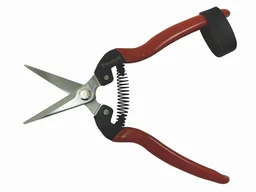
The right pruning for a spectacular display of flowers
Pruning encourages flowering. But be careful: not all shrubs should be pruned in the same way. In general, there is a difference between spring-flowering and summer-flowering shrubs.
Spring-flowering shrubs such as forsythia, flowering cherry and lilac form their flower buds the previous year. Prune these shrubs directly AFTER flowering. This gives the plant time to develop new shoots with flower buds for the following year.
Summer-flowering shrubs such as butterfly bush, hibiscus and panicle hydrangea flower on new wood. Cut these shrubs back hard in late winter or early spring. This encourages vigorous new growth and plenty of flowers.
Fear of making the wrong cut is the greatest enemy of flowering. For most shrubs, a bold prune is better than no pruning at all. Watch how the plant responds – next year, it will reward you with more flowers.
Water and fertiliser: the essentials
Regular watering is vital during the first one to two years after planting. The roots have not yet spread into the surrounding soil. Water deeply, not just on the surface.
A mulch layer made from bark humus or shredded garden cuttings helps retain moisture in the soil, suppresses weeds and protects shallow roots. Apply the mulch to moist soil and keep it away from the trunk.
Fertilise sparingly. An organic all-purpose fertiliser in spring is sufficient for most shrubs. Over-fertilising causes lush, soft growth that is susceptible to pests and produces fewer flowers.
Extra tip
Plant perennials or small bulbs such as crocuses or grape hyacinths at the base of your flowering feature tree. This underplanting protects the soil, looks attractive and makes the most of the space. These plants barely compete with the shrub's deep roots.
Design ideas for flowering shrubs as feature trees
A specimen shrub looks best as a standalone feature. Give it enough space to develop its full shape. An English lawn or an area planted with ground cover provides a calm backdrop.
Use contrasts to your advantage. White or pink flowers stand out particularly well against a dark hedge or a brick wall. A yellow-flowering shrub looks fresh and modern in front of a blue-grey wooden fence.
Define the area around your feature tree with a crisp edge. The
, a flexible lawn edge, helps keep flower beds neatly separate from the lawn and highlights the importance of the shrub.
Combining flowering shrubs with other plants
Your flowering feature tree is the star. Companion plants should complement it, not compete with it. Choose plants that flower at different times or contrast with its foliage.
Under a spring-flowering ornamental cherry, plant later-flowering woodland perennials such as hostas or ferns. Low-growing grasses or sedum varieties that enjoy the autumn sun work well beneath a summer-flowering hibiscus.
Pay attention to growth height. Place shorter plants at the front and taller ones at the back. Create tiered layers that draw the eye towards the feature tree.
Ready-made sets for quick results
Would you like to get started straight away but have little experience combining shrubs? Ready-made plant sets provide carefully selected combinations.
The set
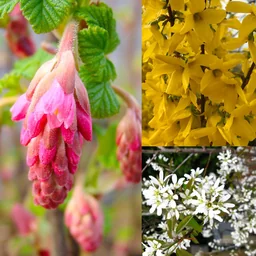
For lovers of double flowers, the set
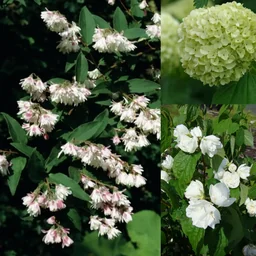
These sets are an excellent foundation for a new garden area. Complete them with suitable perennials from our range at Garden + Plant Accessories.
Protection for your garden furniture and plants
Your garden is an extension of your living space. Suitable covers protect your investments. Garden furniture enjoys a pleasantly shady spot beneath a spreading flowering shrub.
During the cold season or when you are away for longer periods, high-quality garden furniture covers protect against dirt and the elements. This means you can start the gardening season straight away in spring.
For young shrubs or delicate perennials, garden fleece can be a lifesaver during late spring frosts. It is lightweight and provides reliable protection.
Your Garden's New Focal Point
A large flowering shrub used as a feature tree can completely transform the atmosphere in your garden. It creates structure, provides seasonal highlights and becomes your own favourite place to relax.
Start by planning your project. Measure the available space. Observe the light. Then choose a shrub that suits your location and personal style. Don't be afraid to choose something special.
With the right care, your flowering feature tree will bring you joy for many years. It will grow, thrive and develop more character with each passing year. Your garden will gain depth and personality.
Start your project today. A new focal point is waiting for you.
Frequently Asked Questions
- What is the difference between a feature tree and a large flowering shrub?
- A classic feature tree is a solitary tree with a single trunk and a spreading crown. A large flowering shrub often grows with multiple stems or as a bush from the base and stands out primarily for its abundant blooms rather than its height or shade. It is often faster-growing and takes up less space in depth.
- Which large flowering shrubs bloom for the longest?
- Some of the longest flowering periods are offered by the butterfly bush (Buddleja), rose of Sharon (Hibiscus syriacus) and certain hydrangea varieties such as panicle hydrangeas. They often bloom from midsummer into autumn. You can extend the flowering period by regularly removing spent flowers.
- Can I grow a large flowering shrub in a container as an alternative to a feature tree?
- Yes, slow-growing or compact large shrubs such as the dwarf lilac 'Superba', compact hydrangeas or ornamental maple are suitable for containers. It is important to use a sufficiently large planter, high-quality potting soil and a consistent supply of water and nutrients.
- How do I plant a flowering shrub as a feature tree correctly?
- Dig a planting hole twice as wide and deep as the root ball. Loosen the soil. Plant the shrub at the same depth as it was in its container. Backfill with soil, firm it down and water thoroughly. A layer of mulch helps retain moisture.
- When is the best time to plant a flowering feature tree?
- Container-grown plants can generally be planted all year round as long as the ground is frost-free. The ideal time is spring (March/April) or early autumn (September/October). This gives the plants time to establish their roots before winter or summer heat.
You may also be interested in
- Garden Design with Trees & Shrubs: Your Garden, Your Rules
- Privacy with Tall Perennials: Ideas for Your Garden
- Designing Large Gardens: Ideas for Creating a Sense of Space
- Flowering House Fronts: Ideas for Vertical Gardens
- Planting Trees and Shrubs: The Right Guide to Getting Started
- Tree Too Large? Tips for the Right Pruning