
In brief: Plant lavender in a sunny, dry spot with well-drained, relatively poor soil. Water young plants regularly, then only during prolonged dry spells. Prune carefully in spring and immediately after flowering, without cutting into old wood. This keeps lavender compact, floriferous and long-lived.
Short answer: Plant lavender in a sunny, dry spot with well-drained, relatively poor soil. Water young plants regularly, then only during prolonged dry spells. Prune carefully in spring and immediately after flowering, without cutting into old wood. This keeps lavender compact, floriferous and long-lived.
Lavender brings silvery foliage, violet flowers and a Mediterranean scent to the garden. The plant attracts bees and butterflies, is ideal for edging beds and also grows well in pots. Its needs are modest as long as the site is right.
The most common care mistakes are caused by too much water, overly fertile soil and pruning too late or too severely. If you avoid these problems, lavender will remain dense, floriferous and shapely for many years.
How do you find the right site for lavender?
The right site for lavender determines its growth, fragrance and winter hardiness. Lavender comes from warm, dry regions and therefore needs plenty of sun and soil that drains rainwater quickly. A spot with at least six hours of direct sun per day is ideal.
Observe your garden on a sunny day. South- and west-facing locations warm up more, while a low wall or house wall stores additional heat. Even so, make sure there is good air circulation. In enclosed, damp corners, leaves and shoots dry slowly.
Full sun for vigorous flowers
In partial shade, lavender produces longer, softer shoots and fewer flowers. Its silvery foliage often looks greener there. For this reason, do not plant it under dense shrubs or directly behind tall perennials that shade it in summer.
A sunny spot beside a path is particularly suitable. As you walk past, you brush against the leaves and notice the fragrance. A warm patio, gravel bed or the edge of a dry-stone wall creates similar conditions.
What type of soil suits lavender?
Lavender thrives in loose, relatively poor, mineral-rich soil. Heavy clay soil holds too much moisture in winter. Before planting, work in coarse sand, fine gravel or grit. If the soil is badly compacted, a slightly raised bed is worthwhile.
Avoid large amounts of compost, bark humus and nitrogen-rich fertiliser. Overly fertile soil encourages soft shoots and foliage rather than the typical compact shape. A thin layer of mature compost is sufficient, if anything, in very poor soils.
For container growing, use a pot with a drainage hole and a free-draining substrate. Mix high-quality potting compost with mineral components such as pumice, lava granules or coarse sand. Do not leave the pot standing permanently in a saucer full of water. Suitable garden and plant accessories make preparation easier.
Expert tip
Check the site after heavy rain. If water remains in the bed for several hours, improve the drainage first. A small, slightly raised planting mound often helps more than frequent watering or additional fertiliser.
How do you plant lavender correctly?
The best time to plant is in spring, as soon as the soil is free of frost. The roots can then establish before winter. Container-grown plants can also be planted in early autumn if several weeks of mild temperatures are still expected. Do not plant in waterlogged soil.
Water the root ball thoroughly before planting. Carefully loosen the roots around the edge if they are tightly circling the pot. The planting hole should be about twice as wide as the root ball, but no deeper. The top of the root ball should remain level with the surrounding soil.
- Prepare the site: Remove weeds and loosen the soil to at least spade depth.
- Improve drainage: Mix gravel or coarse sand into heavy soil.
- Plant: Set the lavender upright and fill the hole with loose soil.
- Water in: Water thoroughly once so the soil settles around the roots.
- Allow enough space: Depending on the variety, leave around 30 to 50 cm between plants.
Which type of lavender suits your garden?
Lavandula angustifolia, English lavender, usually remains compact and is considered particularly winter-hardy. It suits small beds, paths and containers. Lavandin, a cross between English lavender and spike lavender, grows taller and produces long flower stems. It looks impressive over large areas but needs more space.
French lavender, with its striking bracts, is suitable for sheltered, warm locations. In harsh conditions, it overwinters better in a container. For a small bed or several uniform groups, consider
. Plant several specimens of the same variety if you want a calm, cohesive look.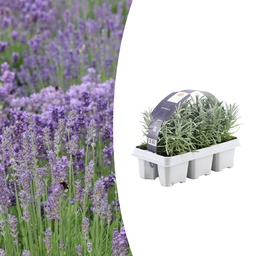
After planting, young specimens need more water during the first few weeks than established plants. Do not water small amounts every day; water less often but thoroughly. This encourages deeper roots and makes the plant more resilient during dry periods.
„Lavender grows best in a sunny spot in well-drained soil. It does not tolerate waterlogging well.“
How do you care for lavender in the garden throughout the year?
When it comes to lavender care, less is more. Lavender needs little water or fertilizer when it's planted in the right soil. Check the soil regularly instead of watering on a fixed schedule.
Watering: little, but targeted
Water newly planted lavender for the first few weeks whenever the top layer of soil dries out. Young plants need more frequent watering during hot weather. Apply water directly to the roots and avoid wetting the leaves in the evening.
Established plants usually make it through normal dry spells without extra watering. Use a watering can only during prolonged heat or when the stems visibly wilt. In containers, potting mix dries out much faster. Lift the pot or check the soil with your finger before watering.
For patio containers, a controlled water supply can be helpful. Use garden irrigation as needed rather than running it continuously. Lavender is more sensitive to wet roots than to short periods of drought.
Fertilizing: keep it light
Lavender does not need regular fertilizer. Avoid nitrogen-rich products, fresh manure, and thick layers of fine organic mulch. These can retain moisture and encourage soft growth.
If the soil is very poor, a small amount of mineral or organic fertilizer with a moderate nutrient content is enough in spring. Work it into the soil surface only. A lavender bed with a gravel surface stays dry and suits its Mediterranean look.
Care calendar for garden beds and containers
- Spring: Remove dead stems, prune the plant, and check the drainage.
- Summer: Water young plants and containers during prolonged dry spells. Remove faded flower stems.
- Fall: Avoid a final hard pruning. Remove wet leaves around the base.
- Winter: Protect containers from persistent rain and severe frost. Hardy lavender in garden beds usually needs no extra winter protection.
In a pot, the biggest problem is not the cold alone, but the combination of frost, moisture, and a frozen root ball. Place the container against a sheltered house wall. Wrap the pot with jute or fleece, keep the drainage hole clear, and water sparingly only on frost-free days.
Important note
Do not cut lavender back hard in late fall. Fresh cuts and short shoots are more sensitive to frost and moisture. In fall, remove only diseased or dead parts and wait until spring to shape the plant.
When and how should you prune lavender?
Proper lavender pruning prevents the plant from becoming woody at the base and falling apart. Pruning keeps the mounds compact, encourages new side shoots, and extends the plant's life. The best times are spring and shortly after the main flowering period.
Spring pruning
In spring, wait until severe frosts have passed and new green shoots appear. Depending on your region, this is usually between late March and mid-April. First remove dried flower heads and dead stems.
Shorten the green, leafy stems by about one third. If a plant is very vigorous, you can prune it a little harder as long as green growth remains below the cut. Leave several pairs of leaves on each stem. Do not cut into bare, old wood.
Pruning after flowering
After the main flowering period, cut back the faded stems and soft green shoot tips. Prune shortly after flowering, before the plant puts much energy into producing seeds. A light trim is enough in summer.
If you want seeds for birds or prefer a natural look, leave some flower heads in place. To encourage a second flush of flowers, remove most of the faded stems. Prune weak plants less heavily and wait until spring to make larger corrections.
How to make a clean cut
- Use sharp, clean shears so the stems are not crushed.
- Cut at a slight angle so rainwater runs off the cut surface.
- Shape the plant into a low mound rather than a round ball.
- Before each cut, check for green leaves below the planned cutting point.
- Remove the cuttings from the bed if they are diseased or heavily woody.
For pruning small groups of lavender, the
are ideal. Precision shears also make it easier to harvest flower stems and avoid damaging neighboring shoots. Other suitable garden tools complete the basic equipment.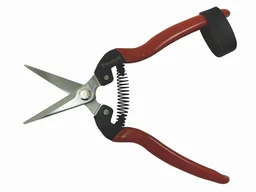
Old plants with a very bare base usually cannot be saved with drastic pruning. Never cut the entire plant back to the ground. Over several years, remove only individual old stems or replace very overgrown plants with young ones.
“Regular pruning after flowering keeps lavender compact and prevents a heavily woody, open growth habit.”
How can lavender be used in garden design?
Lavender looks especially harmonious when planted in groups. Individual plants can quickly get lost among tall perennials. Plant three, five or seven lavender plants of the same variety to create clear groupings and connect different areas of the garden.
Edging and scented paths
A low row of lavender frames vegetable beds, seating areas and paths. Space the plants evenly and allow for their mature width. Leave around 20 to 30 centimeters between the lavender and the edge of the path so the plants do not grow into the walkway.
Lavender pairs especially well with gravel. Combine its silvery leaves with light-colored stones, Corten steel or natural wood. A low lavender border also adds structure to a larger area planted with grasses and perennials. In the Garden + Outdoor range, you will find more elements for a harmonious outdoor space.
Which plants go well with lavender?
Choose companion plants with similar growing requirements. Sage, thyme, rosemary, catmint, santolina, sedum and drought-tolerant ornamental grasses all work well in a sunny bed. Roses can also grow alongside lavender, as long as the soil around their base does not stay wet.
Place taller plants behind the lavender and lower-growing species in front. Blue-violet flowers create a calm effect alongside white, pink and silver blooms. Yellow yarrow or lady's mantle adds a striking contrast. Repeat colors in several places to give the bed a cohesive look.
Lavender in pots and on the patio
Growing lavender in a pot lets you move it wherever it looks best. Terracotta brings out its Mediterranean character, while simple gray containers highlight the silvery foliage. Use one plant per pot or plant several small specimens with enough space between them. Densely planted containers take longer to dry out.
Place the container in a sunny spot and turn it occasionally so the plant grows evenly. Empty any water from the saucer. In winter, move the pot to a sheltered spot against a wall, keeping it bright and well ventilated.
Harvesting flowers and creating scented displays
Harvest flower stems on a dry morning as soon as the first flowers open. Tie them into small bunches and hang them upside down in an airy, shady place. Once dry, the flowers come off the stems easily and are perfect for bowls, sachets or wreaths.
For a quick way to add fragrance indoors, you can use
as an extra touch. Place lavender sachets in drawers, a guest room or a covered seating area. In the garden, repetition is key: use the same variety, keep the spacing consistent and choose a spot with plenty of sun.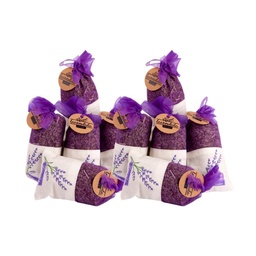
Additional advice
Choose lavender based on more than flower color. Before buying, check the variety's mature height and width, as well as its hardiness. Compact varieties suit paths and pots, while taller lavandins make a striking accent at the back of a gravel or perennial bed.
Healthy lavender mainly needs sun, dry roots and timely pruning. Prepare the soil carefully, water young plants as needed and leave established plants largely undisturbed. This keeps the bed easy to care for and helps it grow more fragrant and structured each year.
Frequently asked questions
- Where should you plant lavender in the garden?
- Lavender needs at least six hours of sun, warmth and good air circulation. The soil should be dry, low in nutrients and well drained. Loosen compacted clay soil with gravel or coarse sand. Avoid low spots where rainwater collects, as well as shady areas beneath dense trees and shrubs.
- When should you prune lavender?
- Do the heavier pruning in spring, as soon as new green shoots appear and the risk of severe frost has passed. After the main flowering period, lightly trim the faded stems. Always cut back only into green, leafy growth. Bare, old wood often does not produce new shoots reliably.
- How often should you water lavender?
- Water young lavender plants regularly and thoroughly during the first few weeks after planting. Established plants usually get by on rain and need watering only during prolonged dry spells. Check the soil before watering. Potting mix dries out faster, especially in hot or windy weather.
- Can lavender survive the winter in a pot?
- Yes, lavender can overwinter in a pot as long as excess water can drain away. Place the container in a sheltered spot against a house wall, insulate it and water sparingly on frost-free days. Do not prune heavily in fall. A bright, cool location gives sensitive varieties extra protection from moisture and frost.
- Which plants go well with lavender?
- Plants that thrive in sunny spots and dry soil go well with lavender, including sage, thyme, rosemary, catmint and sedum. Roses can also grow alongside lavender if the soil around their base is well drained. Place taller companion plants at the back and repeat groups of lavender to give the bed a calm, cohesive look.
You may also be interested in
- How to care for winter-hardy lavender in a blooming garden
- Pruning lavender in summer for more flowers and healthy growth
- Lavender on the balcony: How to plant and care for bee-friendly blooms
- How to transplant lavender: Step-by-step instructions
- How to plant and care for lilacs
- How to plant and care for catmint