
In brief: Lavender is an ideal bee-friendly balcony plant: it provides plenty of nectar, is easy to care for and grows well in containers. It attracts bees, bumblebees and butterflies. For healthy growth, lavender needs a sunny spot, well-drained soil and regular, moderate pruning. With little effort, you can create a valuable oasis for pollinators.
Lavender on the Balcony: A Bee-Friendly Summer Plant
A balcony buzzing with insects is a lively one. Lavender brings the scent of Provence to your home and provides a reliable food source for bees, bumblebees and butterflies. This hardy perennial thrives in containers and turns even small spaces into valuable habitat for pollinators.
Why is lavender a perfect bee-friendly plant for the balcony?
Lavender provides insects with plenty of nectar and pollen for weeks. Its long, narrow flower tubes are ideal for bees and bumblebees. Lavender blooms from June to August, offering a steady food source during the main flowering season.
Lavender is also remarkably low-maintenance. It tolerates heat and drought and needs little attention. That makes it an ideal balcony plant if you have limited time but still want to help nature. Its strong fragrance can also help keep mosquitoes away.
Lavender is one of the ten most nectar-rich garden plants. A single plant can attract hundreds of bee visits on a sunny day. It is essential in urban areas, where natural food sources are scarce.
How do you choose the right lavender for your balcony?
Not all lavender varieties are alike. Compact varieties of English lavender (Lavandula angustifolia) are best for balconies. They stay relatively short and form dense, bushy clumps.
Proven favorites include 'Hidcote Blue', with deep violet flowers, and 'Munstead', with slightly paler blooms. Both are fully winter-hardy. Avoid Spanish lavender (Lavandula stoechas): it is sensitive to frost and less suited to year-round balcony growing.
Top tip
Buy a young potted lavender plant from a nursery in spring. Choose one with healthy green shoots and no yellow leaves. The roots should be starting to fill the pot but not be tightly root-bound. This helps the plant settle in quickly.
How do you plant lavender correctly in a container?
Good planting is the first step to success. Choose a large enough pot with a drainage hole. A diameter of 30 centimeters is the minimum for a healthy plant. Use a high-quality, well-draining potting mix.
Mix in up to one-third sand or fine gravel to improve drainage. Lavender does not like wet roots. A layer of expanded clay or gravel at the bottom of the pot helps prevent waterlogging. Plant the lavender at the same depth as it was growing in its nursery pot.
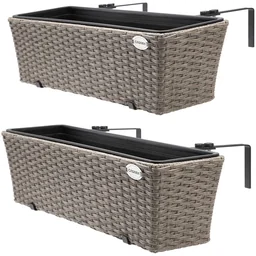
You'll find suitable planters and cachepots in our range. Lavender looks especially attractive in classic terracotta pots or modern .
Where is the best place to position lavender on a balcony?
Lavender needs plenty of sun. A warm, sheltered spot in full sun is ideal. At least six hours of direct sunlight a day are needed for abundant blooms and a strong fragrance.
Avoid placing the container in an exposed, windy corner, where delicate shoots can break. A wall that absorbs heat and shields the plant from the wind makes an ideal spot. Visiting pollinators will feel at home there too.
Important note
Avoid waterlogging. Empty any saucers as soon as they fill with water. Root rot from overwatering is the most common reason lavender dies in containers. It is better to underwater once than to overwater once.
How do you care for your bee-friendly lavender plant?
Watering and fertilizing
Water lavender only when the soil is dry. Push your finger one to two centimeters into the soil. If it feels dry at that depth, it's time to water. Water thoroughly until a little water drains from the hole in the bottom of the pot.
Lavender needs very little fertilizer. A small dose of organic all-purpose fertilizer in April can support new growth. Too much fertilizer encourages lush, soft growth that is more vulnerable to frost and produces fewer flowers. Fresh potting mix usually provides enough nutrients.
Pruning correctly
Prune lavender regularly to stop it becoming woody and bare at the base. The main pruning should take place after flowering, in late July. Cut back all the spent flower shoots by about two-thirds. Never cut into old, leafless wood.
Give the plant a light trim in spring, around March. Remove any frost-damaged tips and shape the plant. Sharp pruning shears are the right tool for the job.
Timing is crucial when pruning. If you prune in late summer, the plant has time to produce new shoots that can harden before winter. Pruning in fall can be disastrous: the fresh shoots may freeze, leaving the wood exposed to disease.
What dangers threaten lavender on the balcony?
Aside from waterlogging, root rot is uncommon. In a spot that is too shady, the plant may sometimes rot from the inside out. Fungal infection can cause shoots to wilt and turn gray. Remove any affected parts of the plant right away.
Pests usually stay away from lavender because of its essential oils. Aphids may occasionally appear on young shoots. A strong spray of water or attracting beneficial insects such as ladybugs is usually enough to control them. Chemical products are unnecessary.
How do you overwinter lavender in a container?
Hardy lavender varieties can withstand frost if you protect the root ball. Place the container on an insulating base made of wood or foam. Wrap the pot in jute, bubble wrap or special garden fleece.
Move the protected container against a sheltered wall. Water occasionally on frost-free days so the root ball does not dry out completely. A clear cover tarp can provide extra protection during long periods of extreme frost.
Additional advice
Pair lavender with other Mediterranean herbs, such as rosemary or thyme, in a large container. They have similar growing requirements and make an easy-care, fragrant planting that supports pollinators. It saves space and looks great.
How can you create an insect-friendly balcony with lavender?
Choose a variety. Plant several lavender plants in separate pots, or group them in a large planter. Add other bee-friendly plants such as sage, oregano, or hardy stonecrop.
Set out a shallow dish of water with stones for insects to drink from. A bee hotel on a sunny, sheltered wall gives solitary bees a place to nest. Together, these features create a complete habitat.
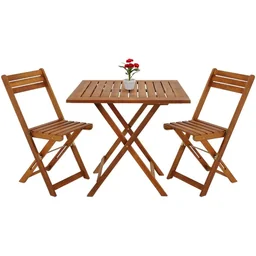
Relax in your buzzing garden with comfortable

What are the long-term benefits of a lavender garden for bees?
You can make a real difference for local wildlife. Every lavender plant helps support the urban food web. Watch a fascinating natural spectacle right outside your balcony while helping pollinate crops in the surrounding area.
Lavender is a long-term investment. With proper care, you can enjoy your plant for many years. It smells wonderful, blooms beautifully, and benefits wildlife. Creating a pollinator-friendly garden can be simple. Start this season and plant a garden for bees.
Frequently Asked Questions
- Which lavender is best for bees on a balcony?
- English lavender (Lavandula angustifolia) is an excellent choice. It's hardy, compact, and rich in nectar. Varieties such as 'Hidcote Blue' and 'Munstead' are reliable bloomers. Avoid heavily double-flowered varieties, which often produce little or no nectar.
- How often should I water lavender on a balcony?
- Water container-grown lavender sparingly. Before watering, check whether the top layer of soil feels dry. Lavender won't tolerate waterlogged soil. You may need to water daily on hot summer days, while once a week is often enough in spring and fall. A good watering can makes the job easier.
- When and how should I prune lavender on a balcony?
- Prune lavender twice a year. In spring (March/April), remove any frost-damaged shoots and cut the plant back by about one third. Prune again after flowering in July/August, trimming the faded stems to just above the old wood. Use sharp garden shears for a clean cut.
- Can lavender survive winter in a balcony planter?
- Yes. Hardy varieties such as English lavender can survive freezing temperatures in a container. Protect the root ball by setting the pot on a piece of wood and wrapping it in jute or fleece. Place the container against a sheltered wall. Water occasionally on frost-free days, since lavender is more likely to die from drying out in winter than from the cold.
- Which other balcony plants grow well with lavender and attract bees?
- Pair lavender with other sun-loving, drought-tolerant perennials. Good companions include sage, thyme, catmint, and stonecrop. These plants have similar growing needs and help extend the flowering season for bees. Avoid placing heavy feeders such as geraniums nearby.
You might also be interested in
- Bee-friendly balcony plants: How to boost biodiversity in a small space
- How to plant and care for lavender: The ultimate guide
- Cat-safe balcony plants: Nontoxic picks
- Year-round insect protection: Create a garden for beneficial insects
- A biodiversity-friendly garden: Support insects with a wealth of flowers
- Raised beds on a balcony