
In brief: The right lawn edger depends on your garden and how you work. Traditional manual edgers such as PRODUCT_73786 are ideal for precise cuts along established edges, but they take some effort. Step-on models use leverage to make edging easier, though they offer less flexibility. For large areas or hard soil, consider a powered lawn edger such as PRODUCT_83752, but keep in mind that it needs a power source. Look for a quality blade and an ergonomic grip.
A well-kept lawn has clean edges. Overgrown borders between the lawn and flower beds can make even the most attractive yard look untidy. A lawn edger is the right tool for creating and maintaining crisp borders. But which model is right for you? Our 2026 comparison covers the best types of lawn edgers and helps you choose the right one.
Table of contents
What types of lawn edgers are available?
Lawn edgers work in different ways. The type you choose affects both the effort required and the results.
The classic manual edger
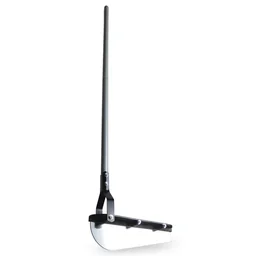
This is the simplest and most direct option. You push the half-moon-shaped blade into the soil by hand. It takes some muscle, but gives you maximum control over cutting depth and angle. It is ideal for precise finishing work and smaller gardens.
Step-on or wheeled edgers
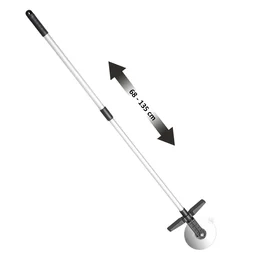
These models have a footplate or lever. You use your body weight to push the blade into the soil. This takes the strain off your arms and makes it easier to edge longer borders. One example is the .
Powered lawn edgers
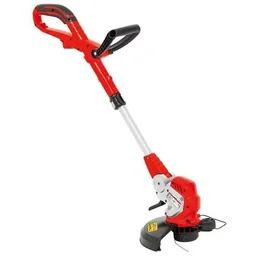
For large areas or very hard, compacted soil, consider an electric or gas-powered tool. These models use a rotating cutting disc to get the job done quickly. However, they cost more, are louder and need a power source. One example in this category is the .
How do you find the right tool for your garden?
Ask yourself these questions before you decide.
- Garden size: A manual edger is enough for a small garden. For a medium-sized garden, a step-on model can be a good choice.
- Soil condition: Clay-heavy, hard soil takes more force. A step-on model or a more powerful motor can help.
- Condition of the existing edges: Do they just need trimming, or do you need to create a new edge?
- Your physical condition: Want to save effort? A step-on or powered tool may be a better fit.
Browse our wide selection of lawn edgers.
The best models at a glance: Our comparison
We took a close look at a range of models. Here are some of our picks.
(UPP Easy Lawn Edger): A sturdy manual edger with a wide, forged blade. Its sharp edge and reinforced foot bar make it a reliable choice for precise cuts. It is especially well suited to refreshing existing lawn edges.
(Lawn Edger Roller): This model combines a manual edger with a long handle and a wheel. You can work standing up, which is easier on your back. The lever on the handle transfers pressure to the blade. It is ideal for long, straight edges.
(Electric Telescopic Grass Trimmer): A good choice for demanding jobs. The 450-watt motor drives a rotating cutting disc, and the telescopic shaft lets you work standing up. It is a powerful alternative when muscle alone is not enough.
See how the top-rated lawn edgers in our range compare:
| Model | Customer rating | Availability |
|---|---|---|
| UPP Easy Lawn Edger 🏆 Test winner | ★ 4,8 (19) | In stock |
| Lawn Edger Roller Including Handle | ★ 4,9 (8) | In stock |
| Cut & Brush - 2-in-1 Edger | – | Currently unavailable |
| FCB-KM Edger, Combination Tool | – | Currently unavailable |
| Electric Telescopic Grass Trimmer with Rotating Head - 450 W - 30 cm Cutting Width - ERT 450-20 | – | Currently unavailable |
What should you look for when buying?
Beyond choosing the right type, there are a few important details to consider.
Blade quality
The blade is the heart of the tool. High-quality carbon steel or forged steel holds an edge longer than thin sheet metal. Look for a sharp, preferably solid cutting edge without burrs.
Ergonomics and comfort
An ergonomically shaped handle or a well-positioned foot bar makes the work easier. Overall weight matters too, especially when you are edging a large area.
Stability and build quality
The tool should feel solid, with no loose or wobbly connections. On step-on models, the footplate must be firmly attached to the shaft.
Find lawn edgers and all the garden tools you need for the season.
How to create the perfect lawn edge
- Preparation: Mow the lawn first so the boundary is easier to see. Use a string line to mark a straight edge.
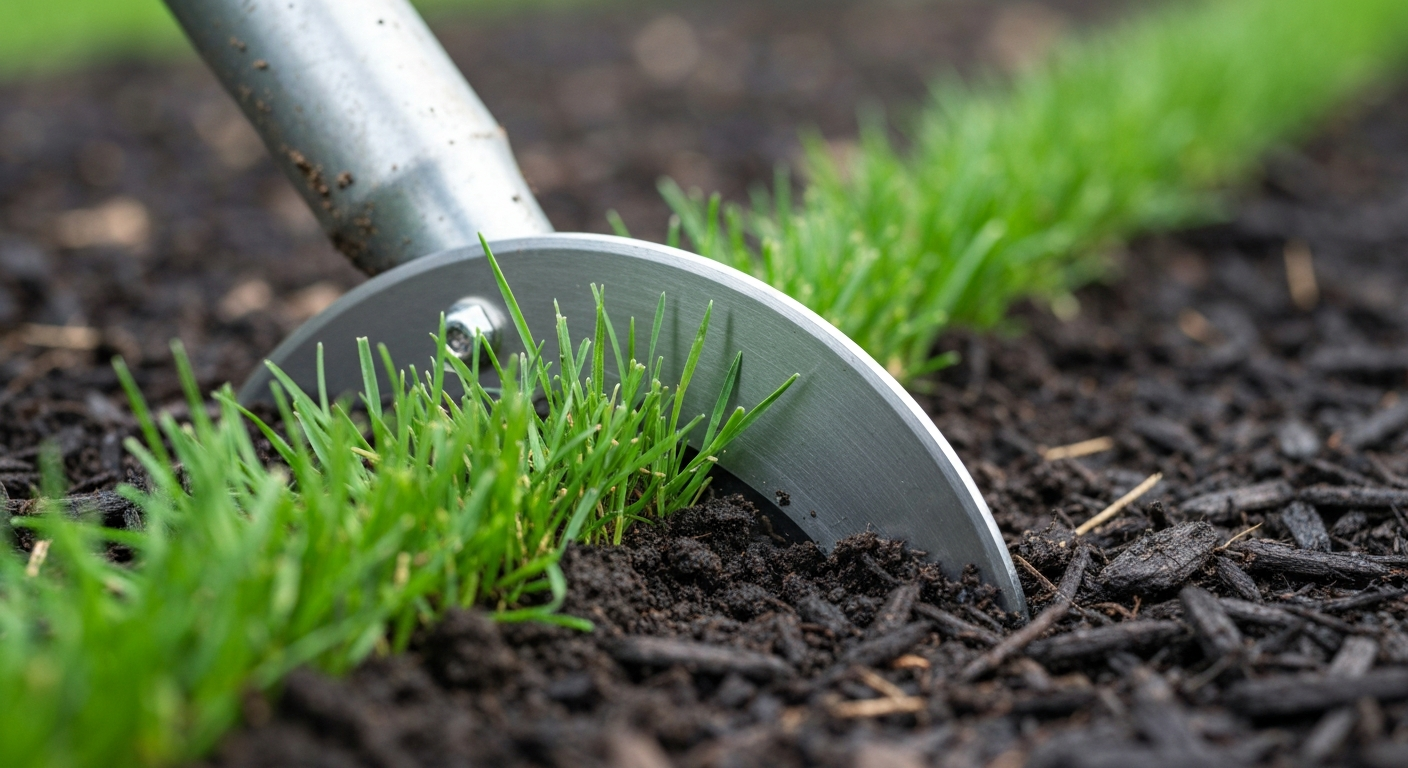
- Cutting: Position the blade vertically along the desired edge. Press down firmly with your foot, or push down hard on the handle of a handheld model.
- Leverage: Pull the handle back to lift the section of turf you have cut.
- Removing: Remove the cut pieces of turf and lightly loosen the exposed soil in the bed.
- Cleaning: Sweep any loose soil off the lawn to prevent it from taking root.
Care and maintenance for a long service life
A little care will keep your tool ready to use for years to come.
- Thoroughly remove any soil from the blade after each use.
- Dry the tool before storing it.
- Lightly oil the blade to prevent rust.
- Sharpen the blade regularly with a file. A sharp blade is safer and takes less effort to use.
- On models with screw connections, check from time to time that they are tight.
Alternative methods compared
A lawn edger isn't your only option.
Spade or narrow shovel
A spade works well for rough jobs or for creating long, straight edges from scratch. However, it's less precise and takes more effort.
Grass trimmer with edging function
Many electric grass trimmers can be turned 90 degrees to edge a lawn. However, they only cut grass above the soil and don't cut into the ground, so the edge grows back more quickly.
Manual lawn edgers
Small wheeled tools with rotating blades are also available. You pull them along a string line, and they're suitable only for creating long, straight edges from scratch in soft soil.
For all your gardening projects, you'll find inspiration and more accessories in our garden category.
Choosing the right lawn edger makes gardening much easier. Whether you choose a manual, foot-operated or motorized model depends on your needs. With the right tool and our guide, you can keep your garden edges neat and well defined.
Frequently asked questions
- When is the best time to edge a lawn?
- Spring is the best time, once the soil has dried out after winter but is still moist enough for clean cuts. You can edge again in late summer or early fall to tidy things up before winter. Avoid working in wet, muddy soil, as the edges can tear easily.
- Can I use a lawn edger to create new edges?
- Yes. Mark the path for the new edge with a string line or garden hose. Models with a guide rail or footplate help you create a clean, straight edge. For hard or root-filled soil, choose a sturdy handheld edger or a powerful foot-operated model.
- What's the difference between a lawn edger and a grass trimmer?
- A lawn edger cuts vertically into the soil to create a clean, deep boundary between the lawn and the garden bed. A grass trimmer (also called a brush cutter) cuts grass horizontally in places a lawn mower can't reach, such as along walls or around trees. For perfectly edged lawns, you may need both tools.
- How do I care for and sharpen my lawn edger blade?
- Remove soil from the blade after each use and lightly oil it to prevent rust. Sharpen it with a file or sharpening stone, moving the file in one direction along the original cutting edge. Keep the original angle. A dull blade takes more effort to use and leaves ragged edges.
- Do I need an electric lawn edger for a small garden?
- For a small garden with soft soil and existing edges, an electric lawn edger is often more than you need. A handheld manual edger or a simple foot-operated model is quieter, more affordable and perfectly adequate. An electric tool is most useful for large areas, very hard soil or when you want to reduce physical effort.