
In brief: The right lawn sprinkler depends on the size and shape of your area. Oscillating sprinklers are suitable for small, rectangular beds. Circular sprinklers water medium-sized, square lawns evenly. Pop-up sprinklers are the invisible solution for large, regular gardens. Multi-pattern sprinklers offer flexibility for complex plots. The key factors are the right spray range and even water distribution.
Which lawn sprinkler is right for my garden?
Shape is the deciding factor. Analyse your area before you buy. Is the lawn rectangular, square or irregular? Are there beds or trees in the way? The answer determines the type of water sprinkler.
For narrow strips and hedge borders, choose an oscillating sprinkler. It works with a back-and-forth spray. A circular sprinkler is ideal for watering medium-sized, compact areas. Its range can often be adjusted continuously.
Large, level lawns are where pop-up sprinklers come into their own. They disappear invisibly into the ground. Irregular gardens with corners and recesses call for multi-pattern sprinklers or mobile spray pipes. These systems adapt to the area.
Expert tip
Place empty yoghurt pots within the sprinkler's coverage area. Run the sprinkler for 30 minutes. Then measure the water levels. This immediately reveals uneven distribution.
Assessing the spray range correctly
Manufacturers' specifications apply under ideal conditions. Wind and pressure losses in the garden hose reduce the range. Choose a sprinkler with some reserve capacity.
A model with a range of 15 metres reliably waters an area 10 metres in diameter. Factor in this margin. On particularly hot days, every watered corner counts.
How do I connect a lawn sprinkler efficiently?
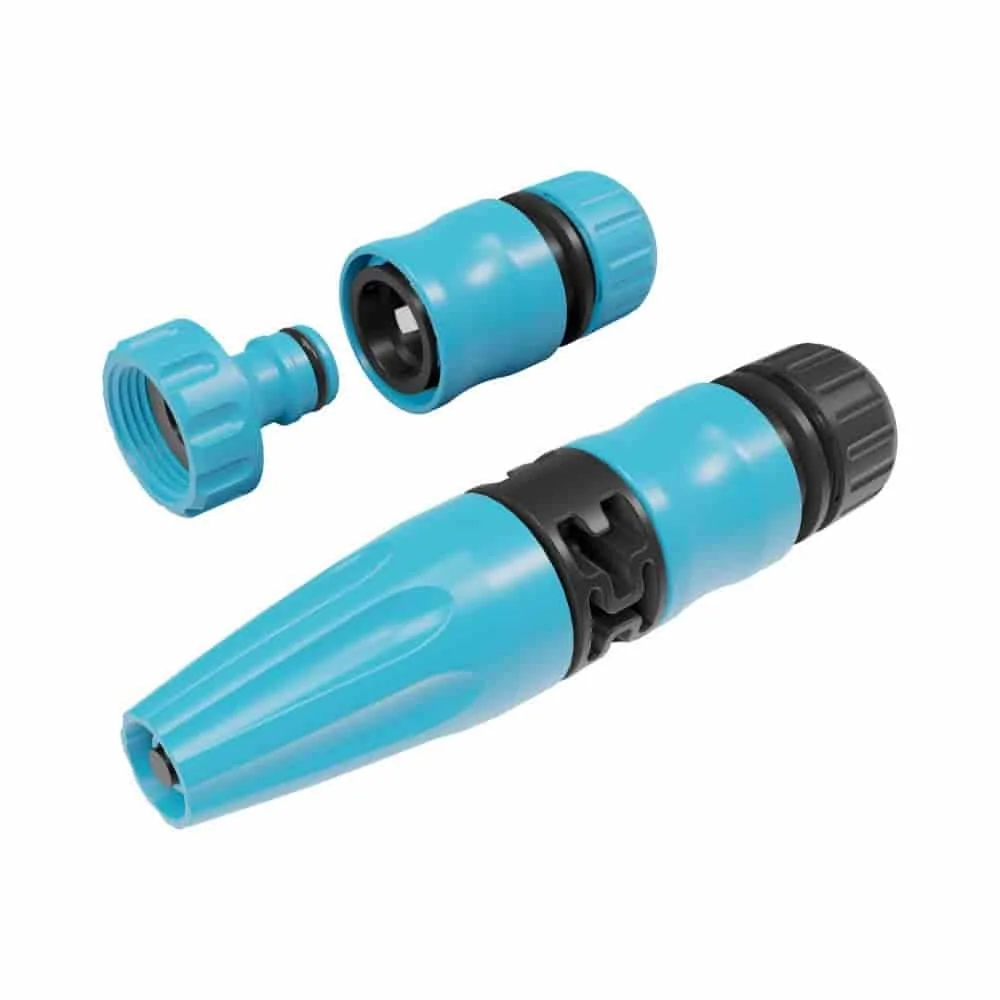
A stable starting system saves hassle. The connection begins at the tap. A robust hose connector is essential here. Our offers a complete set for getting started straight away.
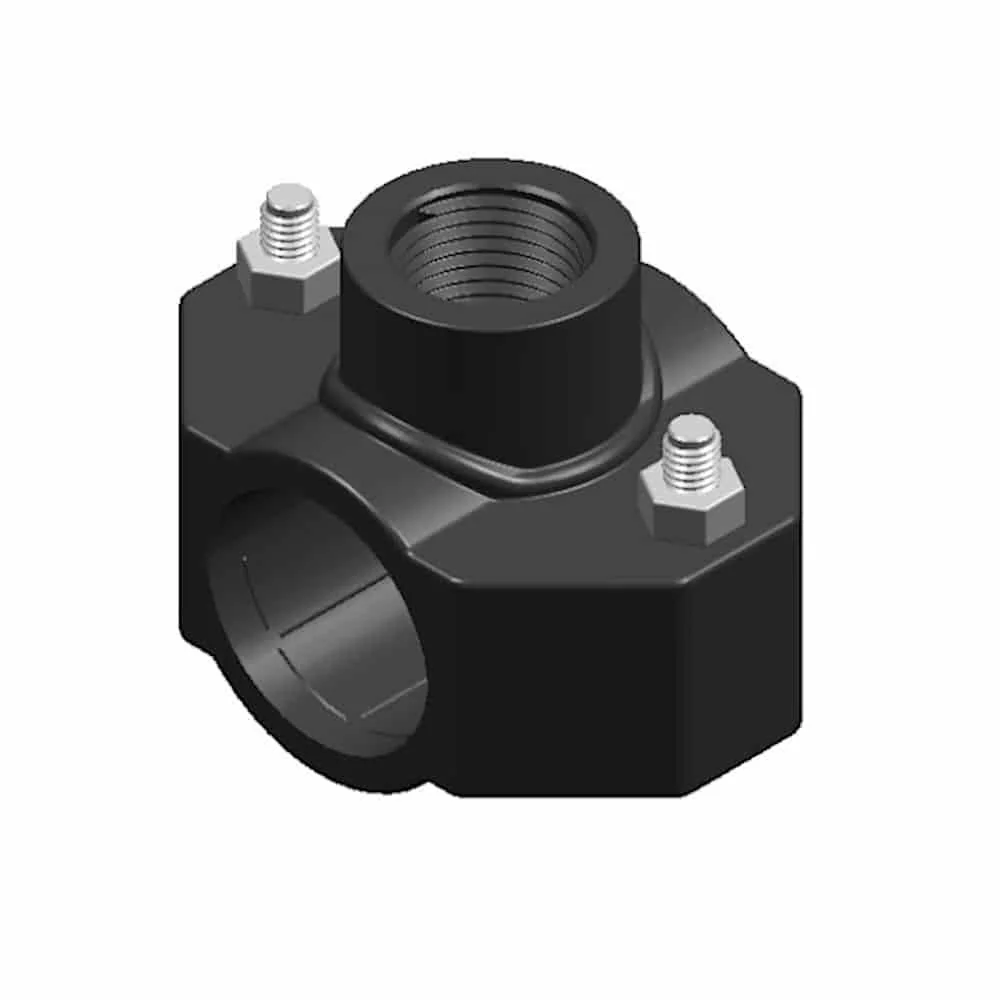
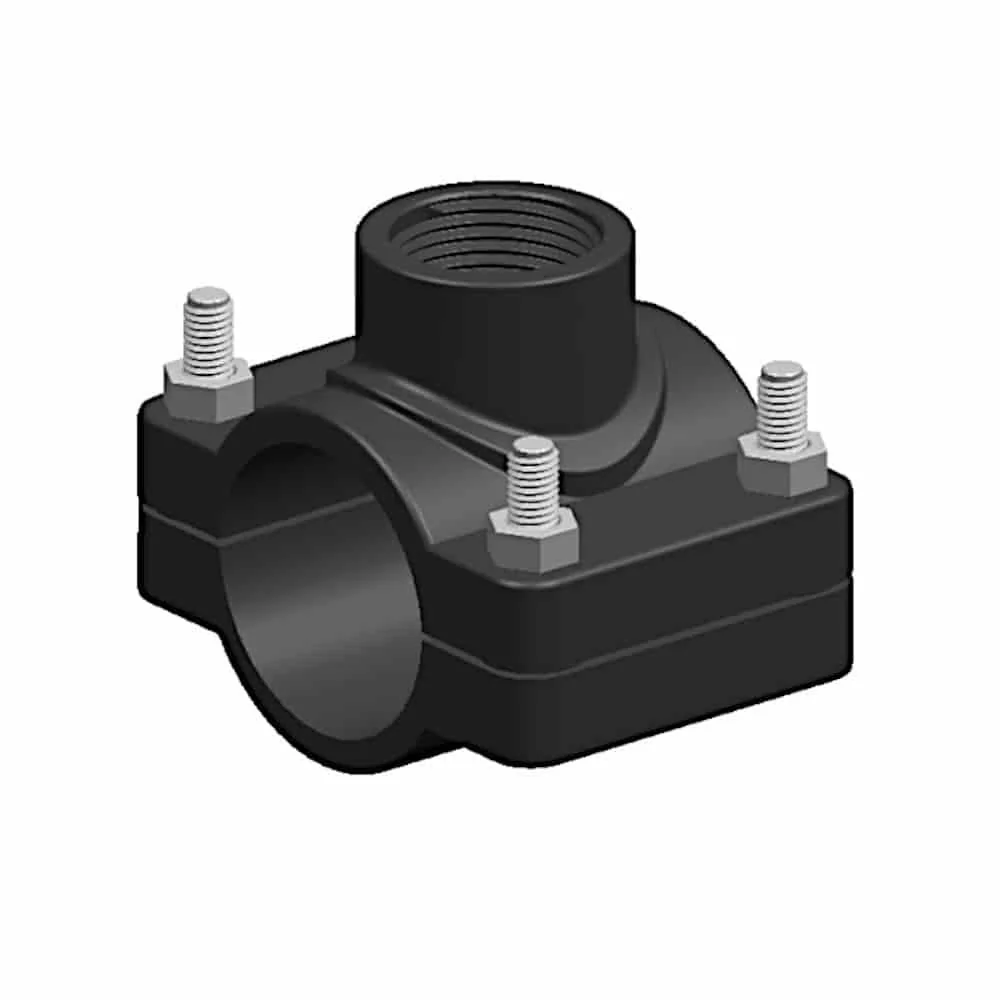
For permanent pipes, use a tapping saddle. It provides a clean connection to the garden water supply. The (3/4 inch) or (1 inch) create a permanent connection for your irrigation system.
Important note
Only install tapping saddles on cold water pipes. Use the drill tool supplied. Check for leaks after installation. A leak can cause high costs and frost damage.
Planning to use several sprinklers? Distributors and shut-off valves organise the flow. They allow you to switch zones separately. This saves water and adapts watering to the needs of different plants. Find suitable components in our Plumbing + Irrigation category.
The right pressure makes all the difference
Most lawn sprinklers require 2 to 4 bar. Household water pressure is often higher. A pressure reducer protects sensitive mechanisms. It considerably extends the service life of your sprinkler.
Pressure drops with long hose runs or several sprinklers operating in parallel. Choose models with a low starting pressure. Pulsating sprinklers often work with just 1.5 bar. They also work with a water butt and pump.
Even, coarse droplets are best for the lawn. A fine mist evaporates too quickly and encourages shallow grass growth.
Why is the watering method so important?
Droplet size affects efficiency. Large droplets penetrate better. They seep deep into the root zone. Fine spray evaporates quickly. It only wets the surface and encourages moss.
Pulsating lawn sprinklers produce these ideal, coarse droplets. Rotating models work in a similarly effective way. Avoid simple spray nozzles for lawn care. They are designed for watering beds.
Additional advice
Combine watering with proper soil care. Compacted soil cannot absorb water. Scarifying and aerating improve infiltration. Find suitable tools under Garden Tools.
Check and improve even coverage
Switch on the lawn sprinkler. Observe the pattern after ten minutes. Dry patches indicate uneven distribution or the effects of wind. Move the sprinkler or use a second one.
For maximum evenness, use overlapping coverage. Position the next sprinkler so that its radius overlaps the first by 50 percent. This method completely eliminates dry edges.
When is an automatic irrigation system worthwhile?
Automation saves time and increases reliability. You always water at the optimum time of day. A timer controls the process. More complex systems with soil moisture sensors respond to rain.
The investment pays off for lawns from 200 square metres or if you are frequently away. Find the components in our Automatic Irrigation category.
Automatic watering systems can reduce water consumption by up to 25 percent. This is because they precisely control duration and timing, which is difficult to achieve manually.
Micro-irrigation for special cases
Lawns and beds have different needs. For perennials, hedges or vegetables, micro-irrigation is the more precise choice. Drip hoses or spray nozzles deliver water directly to the roots.
Combine both systems. Control them with separate valves. Your lawn gets a thorough soaking, while your roses receive a tailored trickle. This optimises water consumption for every plant.
How do I properly maintain my lawn sprinkler?
Cleaning extends its service life. Briefly rinse the sprinkler after each use. Remove sand and dirt from the nozzles. Store the device in a dry, frost-free place over winter.
You can remove limescale deposits with household remedies. Soak moving parts in a mixture of water and citric acid. Soaking is sufficient. Do not scrub them, as this can damage the precision-drilled openings.
Maintenance before the season
Check all seals before using the sprinkler for the first time. Replace porous O-rings. Inspect the hose connection for cracks. A simple seal replacement often fixes a weak spray.
Moving axles and levers occasionally require lubricating grease. Use a small amount of silicone grease. It lubricates reliably and withstands water. This keeps the mechanism running smoothly even after years of use.
The perfect watering strategy for a healthy lawn
Frequency is more important than quantity. Water less often, but thoroughly. Two intensive watering sessions per week encourage deep roots. Daily, shallow watering makes the lawn more susceptible to drought.
Adapt your strategy to the season. In spring and autumn, natural rainfall is often sufficient. In midsummer, your lawn needs additional support. A healthy lawn with deep roots copes better with periods of heat.
The combination of the right lawn sprinkler, an optimal connection system and a well-planned schedule results in an efficient watering system. Your garden will reward you with lush green grass.
Frequently asked questions
- How long should I water my lawn each week?
- Water your lawn thoroughly once or twice a week instead of briefly every day. Apply around 15 to 20 litres of water per square metre. With most lawn sprinklers, this corresponds to a watering time of 30 to 60 minutes. Deep watering encourages strong, resilient roots.
- What is the best time of day to water the lawn?
- Water in the early morning. Evaporation is low at this time, allowing the water to seep deep into the soil, while the grass dries quickly. By contrast, watering in the evening encourages fungal diseases because the lawn remains damp overnight.
- What is the difference between a circular sprinkler and an oscillating sprinkler?
- A circular sprinkler waters a circular or fan-shaped area and is suitable for medium-sized, square or round lawns. An oscillating sprinkler covers a rectangular area and is ideal for narrow beds, hedges or strips of lawn. The right choice depends on the shape of your garden.
- Can I connect my lawn sprinkler to a water butt?
- Yes, many models work with the lower pressure supplied by a pump or a garden irrigation system connected to a water butt. Choose a sprinkler designed for low operating pressure. A submersible pump with at least 3.5 bar is generally required.
- How do I calculate the required spray range of my lawn sprinkler?
- Measure the diagonal of the area you want to water. The sprinkler's maximum spray range should match or exceed this diagonal. For a 10x10 metre lawn, you need a sprinkler with a spray range of at least 14 metres.
You might also be interested in
- Pop-up lawn sprinklers: Invisible helpers for a green lawn
- Garden irrigation: Effective systems for your green oasis
- Lawn watering: Tips for a lush green carpet
- Garden hose systems: How to choose and maintain them for efficient watering
- Tripod impact sprinkler: The clear winner for large gardens?
- Lawn care: Your path to the perfect green lawn