
In brief: A lemon tree loses leaves when its basic needs are not being met. The most common causes are waterlogging, drought stress, insufficient light, temperature shock or nutrient deficiencies. First check the soil and roots, adjust your watering routine and provide a bright, warm location. With targeted care, the tree often recovers quickly.
Why is my lemon tree suddenly losing leaves?
A healthy lemon tree keeps its leaves. Leaf drop is always a warning sign. The plant reduces its leaf mass to survive. The causes almost always involve the basic conditions: water, light, temperature and nutrients.
You need to play detective. Observe the pattern of the leaf drop. Is the tree losing old or young leaves? Did the leaves turn yellow first? The answer will point you towards the solution.
The 5 most common causes of leaf drop
1. Waterlogging: The roots are suffocating
This is the most common mistake. The soil stays soaking wet. The roots rot and can no longer absorb water. Paradoxically, the plant then shows signs of thirst.
You can identify waterlogging by the musty smell of the soil. The leaves often turn yellow at the same time and fall off. The trunk may become soft.
Important note
Never water according to a schedule. Dip your finger into the soil. If it still feels cool and moist at a depth of 2-3 cm, wait before watering again.
2. Drought stress: The root ball has dried out
The opposite is just as damaging. The root ball is bone dry and has shrunk away from the edge of the pot. The water then simply runs through.
The leaves curl up, turn brown and fall off dry. This happens particularly quickly in summer at sunny locations.
3. Insufficient light: The tree is starving
Lemon trees love the sun. If your tree is too dark, it cannot produce enough energy. It sheds leaves to reduce its energy consumption.
The lower, shaded leaves fall first. New shoots are long, thin and pale green. The plant becomes leggy.
A lemon tree needs at least four to six hours of direct sunlight per day. A south-facing window or a sheltered spot outdoors is ideal. Even the best care cannot compensate for a lack of light.
4. Temperature shock: Moving stresses the tree
A sudden change is harmful. This happens when bringing the tree outdoors in spring or indoors in autumn. Draughts from open windows can also stress the tree.
The leaves often fall while still green. The tree appears shocked. Avoid temperature changes of more than 10°C.
5. Nutrient deficiency: The tree lacks strength
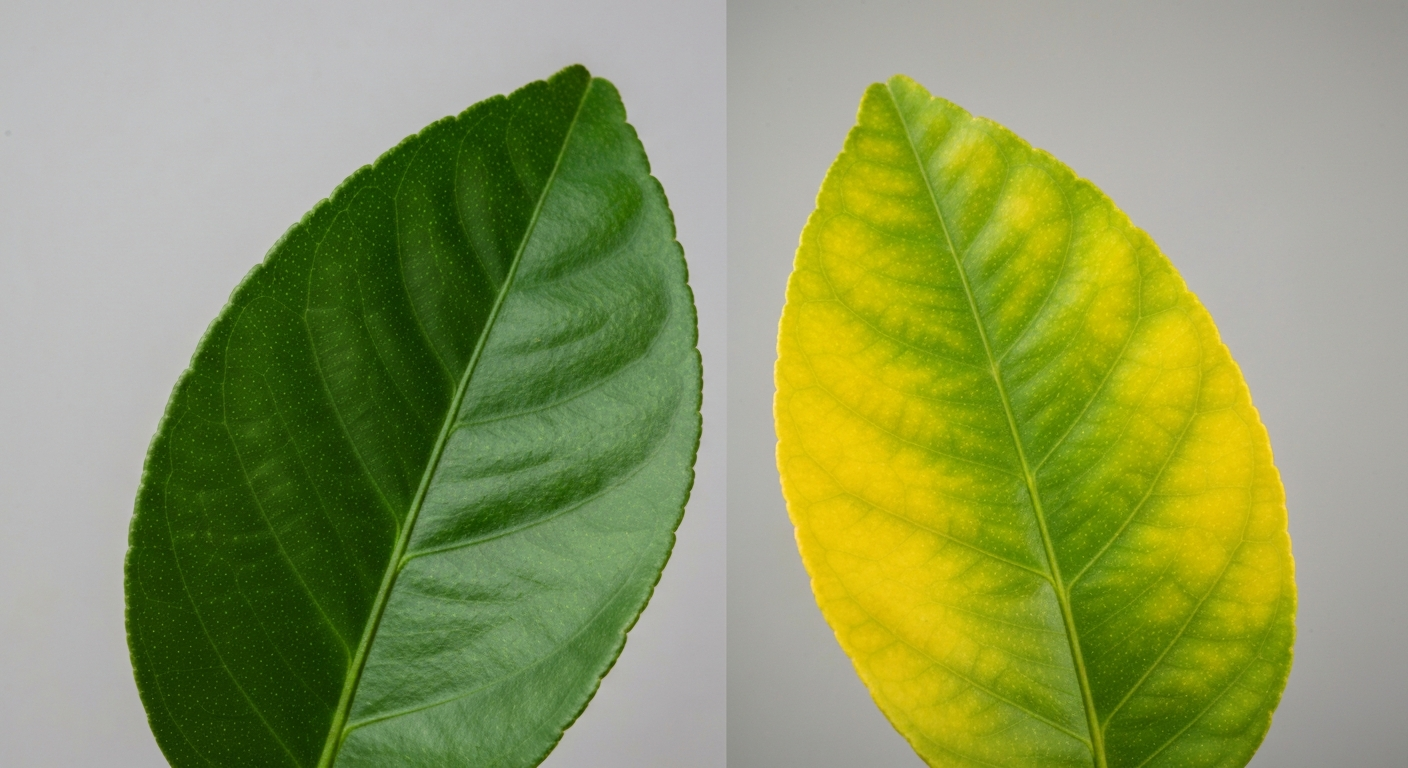
Yellow leaves with green veins indicate iron deficiency. General yellowing may be caused by nitrogen deficiency. The plant can no longer maintain healthy leaves.
Fertilise regularly during the growing season. For the right nutrient supply, find suitable products in our fertiliser category.
First aid: How to save your lemon tree
Act immediately when the leaves start falling. This step-by-step guide will help you identify the problem.
Step 1: Check the roots
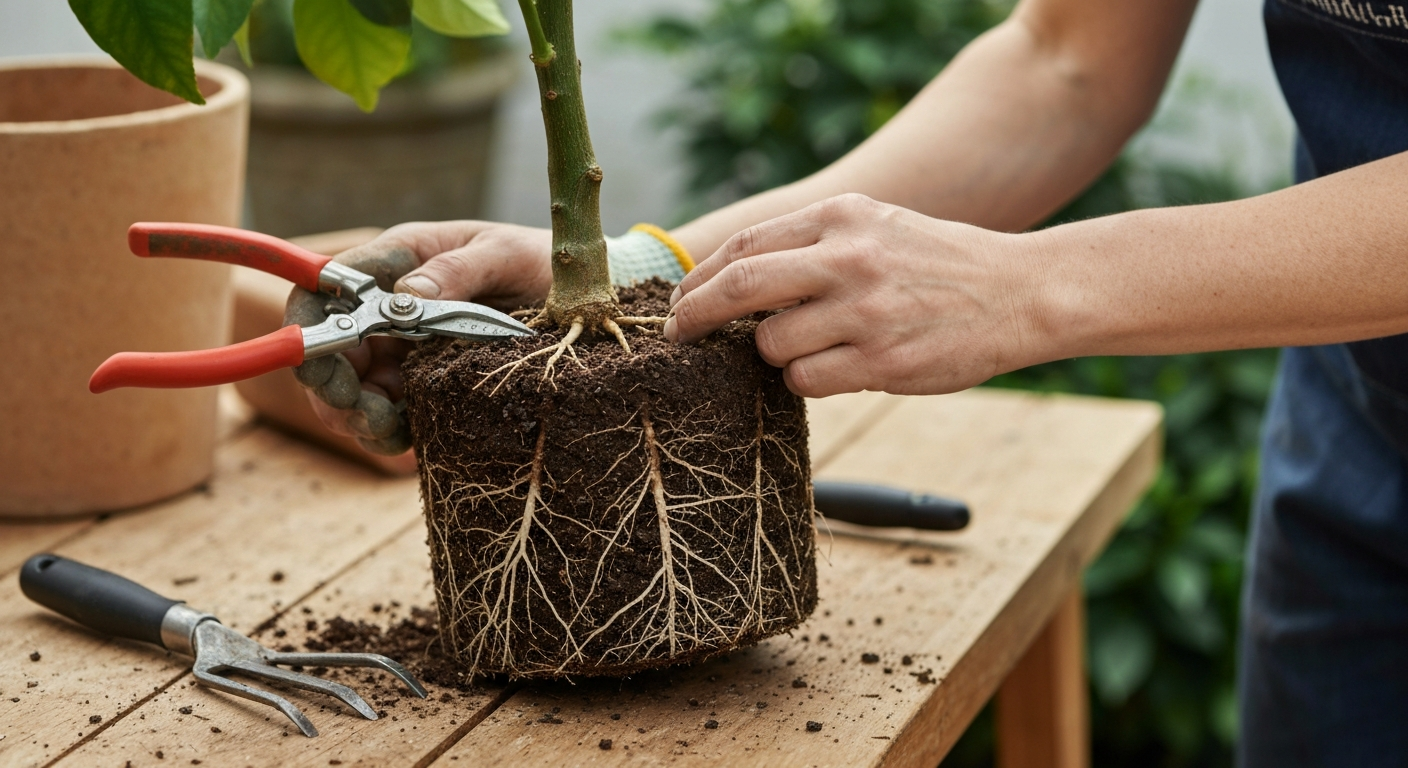
Carefully remove the tree from its pot. Examine the roots. Healthy roots are whitish to light brown and firm.
Rotten roots are mushy, dark brown or black and smell unpleasant. Cut them off completely with clean scissors.
Expert tip
Use sharp, disinfected tools for pruning. Blunt blades crush the roots and spread disease. You can find suitable scissors in our garden tools range.
Step 2: Fresh soil and the right pot
Plant the tree in fresh, well-draining citrus potting soil. It is specially formulated for the right pH value and nutrient requirements.
The pot must have a drainage hole. A drainage layer of expanded clay or gravel at the bottom of the pot helps prevent waterlogging. A suitable saucer catches excess water.
Step 3: The ideal location
Place the rescued tree somewhere bright and warm. Avoid the intense midday sun during the first few weeks. An east- or west-facing balcony is perfect.
Protect the tree from cold wind. The ideal temperature is between 18° and 25°C. For the gardening season, you can find robust garden equipment.
After severe pruning or repotting, the tree needs to rest. Wait four to six weeks before fertilising again. Water very carefully until new roots have formed. Patience is the most important part of care right now.
How can I prevent yellow leaves and leaf drop?
The best treatment is prevention. This routine will help keep your lemon tree healthy.
The perfect watering routine
Water thoroughly until water runs out of the hole. Then wait until the top layer of soil has dried out. When in doubt, water less often.
Use water with as little lime as possible. Rainwater is ideal. Reduce watering significantly in winter.
Additional advice
A moisture meter takes the guesswork out of watering. Push it deep into the soil. If it shows "dry", it is time to water. This helps you avoid both extremes.
The right way to overwinter
This is the most critical phase. A bright, cool room at 5-10°C is ideal. An unheated, frost-free greenhouse or conservatory is perfect.
Water only occasionally, just enough to prevent the root ball from drying out completely. Do not fertilise at all from October to February.
Regular fertilising during the season
From March to September, the tree needs nutrients every week. Use a liquid citrus fertiliser according to the instructions on the pack.
Alternatively, work slow-release fertiliser sticks into the soil in spring. They supply the tree for several months.
When is leaf drop normal?
Not every lost leaf is a problem. Slightly shedding old leaves in spring or autumn is natural. The tree is renewing itself.
A few yellow leaves at the bottom of the trunk are no cause for concern. Focus on the shoot tips. If healthy new leaves are forming there, the plant is doing well.
A slight amount of leaf drop can occur as an adjustment response after repotting or moving the tree. It will resolve itself.
Pests as a cause of leaf drop
Sometimes unwanted visitors are to blame. Check the undersides of the leaves regularly.
Spider mites in dry air
You can identify them by fine webs and tiny, pale spots on the leaves. The leaves turn grey-green and fall off.
Control them by increasing the humidity. Shower the tree or temporarily place it under a plastic cover. Beneficial insects such as predatory mites can help.
Scale insects suck out the sap
The brown, hard bumps sit along leaf veins and shoots. They severely weaken the plant.
Wipe them off with a cloth dipped in methylated spirit. In cases of heavy infestation, oil-based treatments can help by blocking the insects' airways.
Conclusion: With patience and the right care, your tree will recover
A lemon tree losing its leaves is not a hopeless case. Identify the cause. Take systematic action. In most cases, the problem is caused by simple care mistakes that you can correct.
Give the tree time after taking remedial action. It can take several weeks to produce new leaves. Don't despair if everything isn't perfect straight away.
With the right knowledge and a little attention, you can enjoy your Mediterranean plant for many years. For all your other plant-care needs, our extensive range in the Garden & Plant Accessories section is here to help.
Frequently Asked Questions
- How often do I need to water my lemon tree to prevent it from losing leaves?
- There is no fixed schedule. Water it only when the top 2-3 cm of soil has dried out. In summer, this may be necessary daily; in winter, weekly or less often. Avoid both a completely dry root ball and waterlogging in the saucer.
- Can a lemon tree be kept in the living room during winter?
- No, this is not ideal. Lemon trees need a cooler dormant period in winter at 5-10°C, for example in a bright hallway or conservatory. Warm, dark living rooms cause leaf drop and weaken the plant.
- What is the best fertilizer for a lemon tree?
- Use a special citrus or container plant fertilizer. It contains the right nutrient balance, with plenty of iron and trace elements. Fertilize weekly from March to September with liquid fertilizer or slow-release fertilizer sticks.
- What do yellow leaves with green veins mean on a lemon tree?
- This is typical of chlorosis, an iron deficiency. It occurs when using hard water or when the soil is too wet. Address the cause and apply a special iron fertilizer. Our Fertilizers category offers suitable products.
- My lemon tree loses leaves after I move it outdoors – what should I do?
- This is sunburn or temperature shock. Acclimatize the tree to outdoor conditions gradually: keep it in the shade for 1-2 weeks first, then move it to partial shade and finally to full sun. Cut off scorched leaves and continue watering as normal.
You may also be interested in
- Tomato Leaves Curling: Causes & Quick Fixes
- How Do I Care for Houseplants Properly? Top Tips for Healthy Greenery
- Orchid Losing Flowers: Causes & Quick Fixes
- Citrus Trees in the Garden: Caring for Lemons and Oranges
- Ivy Developing Yellow Leaves: Causes and Solutions
- Ficus Developing Yellow Leaves: Causes and First Aid