
In brief: Reduce household waste by choosing durable, reusable products and setting up a system for sorting your trash. Skip single-use items, choose sustainable alternatives such as reusable bags and containers, and repair things when they break. A zero-waste household takes shape through many small, consistent steps—not perfection.
Live sustainably: How to reduce household waste
Every household produces waste. You decide how much and what kind. Reducing waste isn’t an ideology; it’s a practical choice. It saves money, conserves resources and eases the burden on the environment. This article shares practical ways to create less waste and support a more circular economy in your everyday life.
How do I start reducing household waste?
Start by taking stock. For one week, notice what ends up in your trash. Make a note of the most common items. These are often food packaging, single-use products or broken household items. Now you know where to begin.
Set realistic goals. You don’t have to get everything right straight away. Choose one area, such as grocery shopping or personal care. Gradually replace single-use items with reusable alternatives. Repeating the routine helps it stick.
Top tip
Keep a “waste diary” for one week. Take photos of the trash you typically throw away or make a keyword list. This visual overview can help you spot the biggest opportunities to reduce waste at home.
The kitchen: From packaging overload to a zero-waste zone
The kitchen is often the biggest source of household waste. Plastic packaging, food scraps and disposable kitchen products can quickly pile up. Change the way you shop. Buy unpackaged produce at a farmers market or zero-waste store. Bring your own containers for meat, cheese or deli items.
Store food properly to prevent waste. Glass containers let you see what’s inside and don’t affect the taste of food. Beeswax wraps can replace plastic wrap. A well-stocked pantry with basic ingredients can help prevent last-minute purchases with excess packaging.
Keep food scraps organized. A small container on the counter can collect peels and leftovers. Empty it into the compost or food scraps bin each day. This helps prevent odors and flies.
Why is it worth ditching single-use items?
Single-use products add up. Calculate what you spend on constantly replacing plastic bags, paper towels or cotton pads. A sustainable alternative can pay for itself quickly. You’ll save money and reduce waste over time.
Single-use products waste resources. Making a plastic fork that’s used once takes crude oil, energy and water. A stainless-steel fork, on the other hand, can last for decades. Choosing durable products is one way to support a circular economy.
“The most effective waste is waste that’s never created. Every product we don’t have to buy saves the entire chain of raw material extraction, production, transport and disposal.”
Sustainable alternatives for everyday use
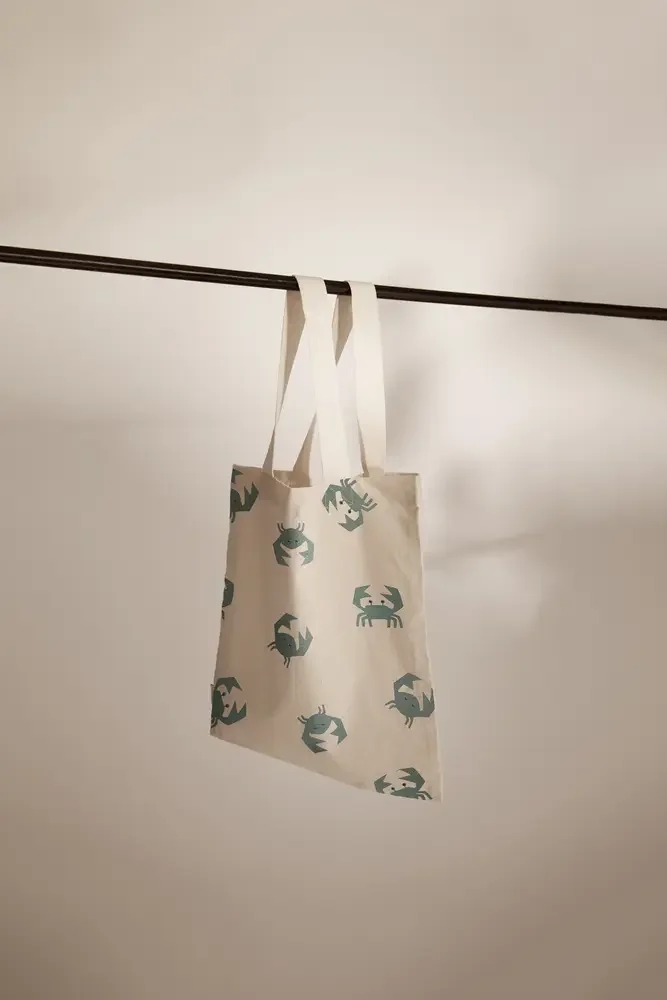
Reusable bags can replace plastic shopping bags. Choose sturdy styles made from organic cotton or recycled materials. The
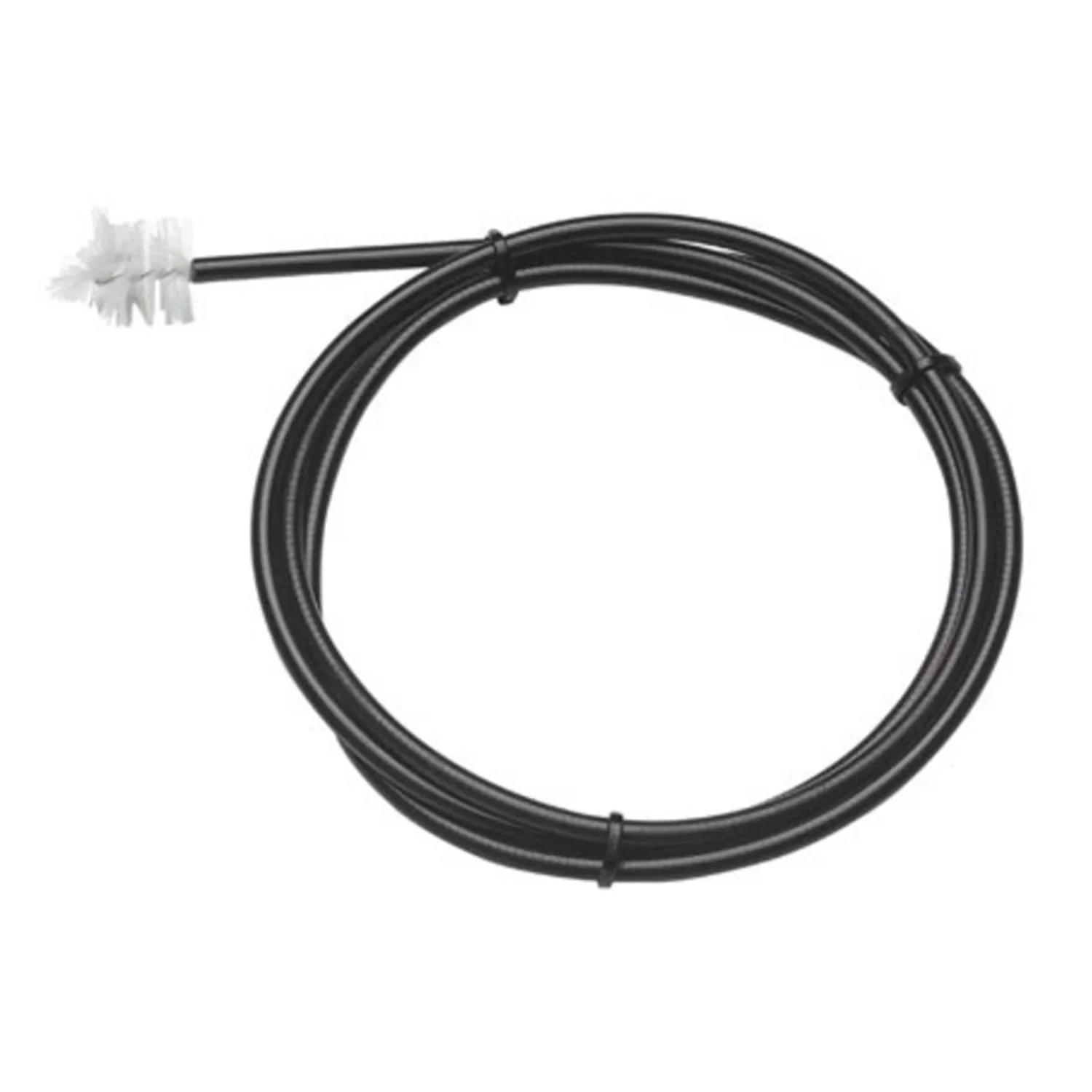
Washable microfiber cloths are great for cleaning. They remove dirt without chemicals and replace disposable cleaning wipes. For stubborn grime, use a sturdy brush such as the
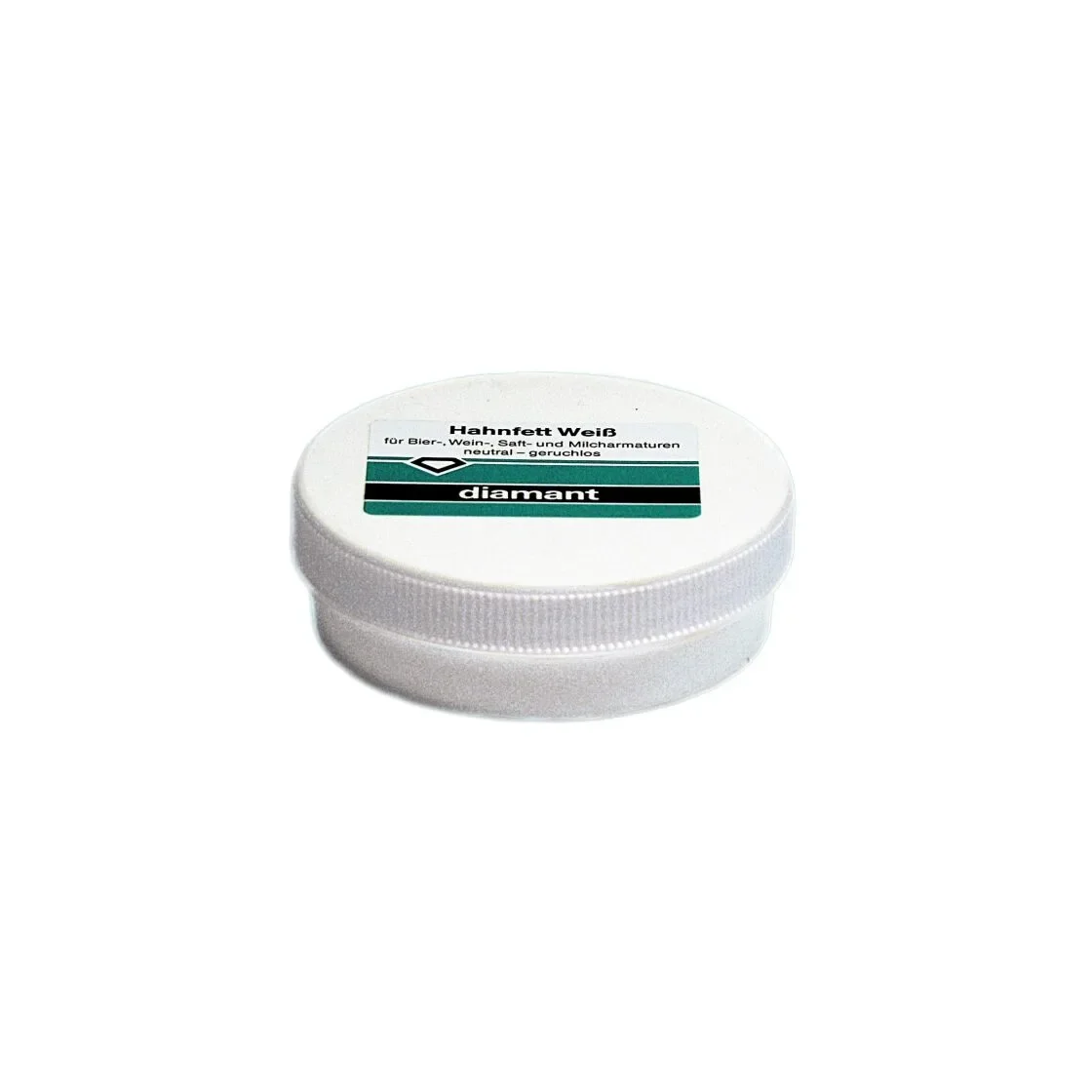
Repair things instead of replacing them. A faulty faucet doesn’t always need to be replaced. Often, a new seal or a thorough cleaning is all it takes. Special lubricating greases such as
Important note
Read the fine print on so-called “compostable” plastic bags. Many break down only in industrial composting facilities at high temperatures—not in a home compost pile or food scraps bin. They can disrupt recycling. Paper bags or your own reusable container are better options.
How does the circular economy work at home?
A circular economy means keeping materials in use for as long as possible. Instead of “take, use, throw away,” the principle is “avoid, reuse, repair, recycle.” You’re already following it when you return glass bottles or collect paper for recycling.
Take the idea a step further. Could you turn an old shirt into cleaning cloths? Could you reuse the jar from your last jar of pickles to store pasta? Reusing items creatively helps close small loops in your everyday life. Find inspiration for reusable play ideas in our play food category, where products are often designed to last.
Sort your trash correctly. Only properly sorted materials can be recycled. Rinse out yogurt cups. Separate the lid from the glass jar. Check your local rules for specific requirements. Sorting waste correctly is the foundation of recycling.
Sort waste correctly and dispose of hazardous waste
Don’t put electronics in your household trash. Take old cables, cell phones or toasters to a retailer that accepts them or to a recycling center. Experts there can recover valuable metals. This protects the environment and conserves virgin raw materials.
Hazardous waste such as paint, chemicals or medicines needs special handling. Keep it separate and take it to a hazardous waste collection site. This prevents toxic substances from getting into the soil or groundwater. Sturdy garden waste bags can be useful for carrying leftover materials.
“The highest level of the circular economy is design. Products designed from the outset to be repairable, modular and durable create hardly any waste and are the real solution.”
What are some sustainable alternatives to conventional packaging?
Reusable is better than single-use. When buying drinks, choose reusable glass bottles whenever possible. In regional return systems, they have an excellent environmental footprint. Some supermarkets and health food stores also offer reusable packaging for foods such as yogurt and cream.
Shopping package-free is becoming increasingly popular. Bring your own jars, containers, and reusable shopping bags, then fill them with pasta, rice, granola, or laundry detergent. This helps you avoid packaging waste altogether and makes shopping more mindful.
You can also make online shopping more sustainable. When placing an order, request minimal, plastic-free packaging. Whenever possible, combine several items in one delivery, and reuse cardboard boxes when shipping your own parcels.
Extra tip
Look for deposit rings on glass bottles. These small plastic rings keep deposit bottles out of glass recycling bins, where they could lose their value. Better yet, return reusable bottles directly to the store to get your deposit back.
DIY: Homemade products help reduce waste
Making things yourself saves packaging. Make basil pesto instead of buying it in a plastic tub, or bake bread that you can carry in a cotton bag. Having control over the ingredients and enjoying fresher food are welcome added benefits.
Making your own cleaning products is easy. Use vinegar, citric acid, washing soda, and liquid soap to make an all-purpose cleaner, limescale remover, and cream cleanser. You only need a few basic ingredients, which you can buy in bulk or package-free. Store your mixtures in old spray bottles.
Upcycling gives old materials a new purpose. A tin can can become a pen holder, and a discarded bicycle inner tube can be turned into sturdy rubber bands. Your creativity is the only limit. Explore categories such as Small Items for ideas on giving everyday objects a new lease on life.
How can I bring zero waste into my bathroom and living room?
Plastic packaging and disposable products are common in the bathroom. Switch to solid products: a shampoo bar replaces a plastic shampoo bottle, while shaving soap, a brush, and a metal safety razor make disposable razors unnecessary. Solid deodorant creams come in glass jars or tins.
Cotton pads and makeup remover wipes create waste every day. Washable fabric pads made from soft cotton or microfiber are a simple solution. Just wash them with your next load of laundry. They are often better quality than disposable alternatives.
In the living room, you can reduce waste by choosing quality and taking good care of your belongings. Invest in durable furniture instead of disposable products, and repair a wobbly chair before throwing it away. Decorate with natural materials such as wood, stone, or plants instead of short-lived trend items.
Make special occasions more sustainable
Parties and celebrations can create a lot of waste, so plan ahead. Use real dishes and cutlery instead of disposable products. Decorate with reusable items such as fabric banners, candles, or fresh flowers. For kids’ birthday parties, find sustainable ideas in the Birthday Celebrations section.
Wrap gifts in attractive paper saved from previous occasions, fabric bags, or newspaper. Save the ribbon to use again. Give experiences, gift cards, or homemade gifts instead of mass-produced items with lots of packaging. That way, the joy lasts—not the waste.
Christmas does not have to be all about plastic. A natural Advent wreath, homemade cookies, and gifts from secondhand stores or local craftspeople create a special atmosphere. Our Christmas Toys ideas offer inspiration for more sustainable toys.
Your journey toward less waste is personal. What matters is taking the first step and continuing to improve. Every bit of packaging you avoid and every appliance you repair makes a difference. A sustainable household does not happen overnight; it develops through conscious everyday choices. Start with one thing today.
Frequently asked questions
- What are the first steps toward a zero-waste household?
- Start by taking stock of your trash. Identify your biggest sources of waste, often packaging or single-use products. Then replace them with sustainable alternatives, such as a reusable shopping bag instead of plastic bags or bar soap instead of bottled soap.
- How can I reduce plastic waste in the bathroom?
- Use bar soap, shampoo bars, and metal safety razors. Replace cotton pads with washable fabric pads. Bamboo toothbrushes are a good alternative to plastic ones. When buying cosmetics, look for refill packs or package-free products.
- Can you compost in an apartment?
- Yes. Use a worm composter or a special Bokashi bin. These systems turn kitchen scraps into valuable compost or liquid fertilizer with minimal odor, even in small spaces such as a balcony or kitchen.
- How can I prevent food waste?
- Plan your shopping with a list. Store food properly—for example, keep apples separate from other fruit. Use your freezer to preserve food. Get creative with leftovers: turn vegetable scraps into soup and stale bread into a casserole.
- What should I do with broken items that can’t be repaired?
- Check whether any individual parts can still be used. Separate the materials for recycling wherever possible. Take electronic waste to a specialty retailer or recycling center. Look for local upcycling projects that creatively reuse materials.
You may also be interested in
- Zero waste at home: Simple tips for everyday life
- Stop food waste: 15 practical household tips
- Recycling at home: Effective waste separation for a sustainable lifestyle
- Live sustainably: Practical ways to make your home more eco-friendly
- Household waste separation: The simple rule of thumb
- Zero-waste Christmas tree decorations: Celebrate Christmas sustainably