
In brief: Lizards are valuable garden allies that eat pests such as slugs, insects and spiders. To attract and protect them, provide sunny, varied spaces with hiding places such as rock piles, deadwood and native plants. Avoid chemicals and frequent mowing. A natural garden with sandy basking spots and shallow water will make them feel at home.
Lizards in the Garden: Attract and Protect Them
A sun-warmed stone, a rustle in the leaves — perhaps you’ve already spotted a lizard in your garden. These nimble reptiles are more than just charming visitors. They help keep pests in check and are a sign of a healthy ecosystem. Here’s how to attract and protect lizards and give them a lasting home.
Why are lizards valuable garden residents?
Lizards eat insects and hunt beetles, caterpillars, flies, spiders and slugs. A healthy lizard population can help control garden pests naturally and may reduce the need for chemical insecticides.
Their presence is a sign of healthy biodiversity. Where lizards live, other wildlife — including insects, birds and hedgehogs — can find a home too. Lizards also play an important role in the food chain.
Expert tip
Let part of your garden grow wild. Nettles, thistles and tall grass attract insects, which are a major food source for lizards. That way, you’ll create a natural food supply.
What does the perfect lizard habitat look like?
Lizards are cold-blooded and need sunny spots to warm up. Place flat, dark stones in sheltered, sunny locations. South-facing dry-stone walls and rock piles absorb and retain heat.
A varied layout is key. Lizards need places to hide from predators such as cats and birds. Good options include:
- Deadwood piles: Old logs, branches and tree stumps.
- Rock piles: Loosely stacked stones in different sizes.
- Dense ground cover: Ivy, lesser periwinkle or sedums.
- Native hedges: Blackthorn, hawthorn or hazel for shelter.
Water and food: the essentials
Lizards do drink, but they need shallow water. A shallow dish with a rough base or a garden pond with a gently sloping edge is ideal. Avoid steep sides.
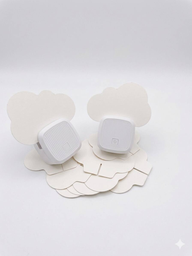
Attract insects and food will follow. Plant native flowering perennials and avoid pesticides. An can gently catch insects at night without affecting lizards, which are active during the day.
“A lizard-friendly garden is never spotless. Deadwood, leaves and stones aren’t rubbish — they’re essential parts of the habitat. A passion for tidiness can work against biodiversity.”
What dangers do lizards face in the garden?
The biggest threats are domestic cats and poisons. Chemical fertilisers, insecticides and slug pellets can poison lizards directly or wipe out their food supply.
Too much garden maintenance can also cause harm. A closely mown lawn offers little shelter or food, and robotic lawn mowers can seriously injure young or slow-moving lizards.
Important information
All native lizard species are strictly protected by law. Catching, injuring or killing them is a criminal offence. Relocating them without permission is also prohibited. Help protect these animals by preserving their habitat.
Practical ways to protect lizards
Make your garden more wildlife-friendly. Leave unmown strips along the edges of your lawn. Before major garden work, such as hedge trimming, check whether any animals are using the area.
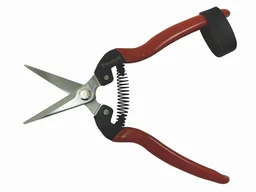
Create safe spaces. A natural area set apart from the rest of the garden, with thorny shrubs, can help keep cats away. The helps you trim branches and twigs to build these features.
How can you actively attract lizards?
Lizards will move in on their own if the habitat suits them. You can help them get there by creating wildlife corridors. Leave gaps in fences or plant hedges that connect with neighbouring natural spaces.
Make room for nesting. Female lizards lay their eggs in loose, sandy soil. A sunny patch of bare sand or a small sand mound can serve as a lizard nursery.
“Patience is key. It can take two to three years for the first lizards to discover and settle into a new habitat. Don’t be discouraged if they don’t show up straight away.”
Choose the right plants
Choose native plants. They attract the right insects and provide cover. Suitable choices include:
- For sunny, dry spots: Thyme, sedum, viper’s bugloss and yarrow.
- For partial shade: Sweet woodruff, ferns and hazel.
- For privacy and shelter: Native hedge plants from the plants and accessories category.
Additional advice
Take a look before making changes. Do you see lizards basking on your compost heap? Leave that area undisturbed. The animals often show you which features they prefer, so you can build on what’s already working.
Lizards in winter: What should you do?
Lizards hibernate, retreating to frost-free hiding places such as deep gaps in rock piles, compost heaps or spaces beneath tree roots. Leave these areas undisturbed from October to March.
Leave piles of leaves and old plant material in place as insulation. Horticultural fleece can protect sensitive areas from severe frost while still allowing air to circulate.
Conclusion: A garden full of life
Creating a lizard-friendly garden doesn’t mean sacrificing good looks. It means working with nature. These nimble reptiles reward you with a lively, healthy garden where nature can thrive.
Start with one small change: build a rock pile, leave a corner unmown or stop using poisons. Every step helps. Before long, you may see your new garden residents basking in the sun.
Frequently asked questions
- Which lizard species live in German gardens?
- Sand lizards and common lizards are the most widespread species in Germany. Sand lizards prefer sunny, dry spots such as stone walls and embankments. Common lizards are more likely to be found in damper, varied gardens with shrubs and deadwood. Both species are protected by law.
- What do lizards eat in the garden?
- Lizards mainly eat insects such as beetles, flies, caterpillars and spiders. They also eat slugs and worms, making them excellent natural pest controllers. A large lizard population can make insecticides unnecessary.
- How can I protect lizards from my cat?
- Create dense, cat-proof hiding places with thorny hedges or dense shrubs. A tall, smooth fence around the lizard-friendly area can help. Provide several escape routes and hiding places close to the ground. Whenever possible, keep your cat indoors during the lizards' main activity period around midday.
- Do lizards need water in the garden?
- Yes. Lizards need water, but they rarely drink from deep containers. Set out shallow water dishes with a rough surface to prevent them from drowning. Natural, shallow muddy patches or a small, shallow pond with a gently sloping bank are ideal. Water evaporates and increases humidity nearby.
- Can I relocate a lizard I find in my garden?
- No. All native lizard species are protected by law. Catching or relocating them is prohibited. Instead, improve your garden habitat so the animals can move in naturally. Create corridors to neighboring gardens so lizards can move between populations.
You may also be interested in
- Insect-friendly garden: How to create a habitat for beneficial insects
- Squirrels in the garden: Attract and observe them
- The hidden helpers: Beneficial animals in your garden
- Encourage amphibians in the garden: Create a habitat for frogs & Co.
- Control garden pests naturally
- Ground-nesting wasps in the garden: Relocate or control them?