
In brief: A log splitter replaces the backbreaking work of using an axe and splitting maul with hydraulic pressure. You position the log, operate a lever and a wedge splits the wood cleanly. This saves time, protects your back and produces evenly sized logs for your fireplace or stove. The choice between gas-powered and electric models depends on where you work and how much wood you need to process.
Why a log splitter can revolutionize your work
Swinging an axe and wielding a splitting maul: Traditional methods of splitting firewood require strength, skill and time. A log splitter changes the game. You position the wood while the hydraulic cylinder does the work.
The result is evenly sized logs with cleanly split edges. You can save hours in a single afternoon. Your joints and back are protected. This efficiency makes the difference between processing a season's supply in one day or one week.
For anyone who regularly needs to prepare firewood, the machine is a worthwhile investment. It turns strenuous forestry work into a controlled, predictable task.
Pro tip
Split wood in cool temperatures, but not when it is freezing. The wood is then more brittle and splits more easily. In midsummer, resinous softwood can become sticky and adhere to the wedge.
How do you choose the right log splitter?
Your choice depends on three factors: the amount of wood, the type of wood and your work area. Start with splitting force, measured in tons.
- 4-6 tons: Sufficient for softwood and small amounts of hardwood. Ideal for occasional use around the home. The is a solid choice here.
- 8-10 tons: The all-round class for most homeowners. It also handles harder woods such as oak and beech in standard sizes. The offers a good balance.
- 14 tons and more: For professional use, very knotty wood or high volumes. The also splits stubborn logs reliably.
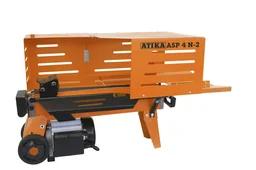
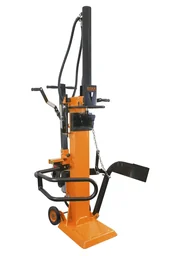
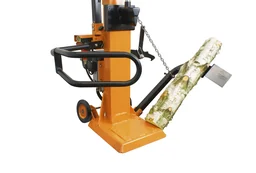
The second decision concerns the power source. A gas-powered log splitter such as the
is mobile and powerful. You do not need a power connection, so you can work deep in the woods. An electric log splitter is quieter, requires less maintenance and starts immediately even in cold weather. However, it ties you to an electrical outlet.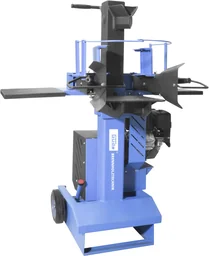
Horizontal or vertical design?
Most home log splitters work horizontally. You place the wood on a support table and push it against the wedge. This is easy on your back and convenient. Vertical splitters work from top to bottom.
They are suitable for very heavy, large logs that you do not want to lift. However, these models often require a stable, level surface. For general use, the horizontal design is the more practical solution.
Investing in a machine with sufficient splitting force quickly pays for itself through the time saved and frustration avoided. An undersized log splitter is just an expensive placeholder.
How do you prepare wood properly for a log splitter?
Proper preparation is half the battle. Start with the length. Saw your logs to the right length for your stove, typically between 25 and 33 cm.
Remove all branches and knots thoroughly. Branches can interfere with the splitting process and result in uneven logs. Split very thick logs in advance with a chainsaw into more manageable sections.
Important note
Always wear protective equipment when working with a log splitter and when preparing the wood. This includes safety glasses to protect against flying wood splinters, heavy-duty work gloves and sturdy footwear. When preparing wood with a saw, cut-resistant trousers are essential.
If possible, store the wood in a dry place for a few months before splitting. Green wood splits more easily, but the logs then need much longer to dry. Partially seasoned wood offers a good compromise between ease of splitting and subsequent storage time.
The right splitting technique
Position the log centrally in front of the splitting wedge. Look for natural cracks in the wood – position the wedge where the wood wants to “split open”. With logs that have branch junctions, rotate the piece so that the wedge hits between the branches.
Start the splitting process slowly. Let the wedge penetrate the wood only slightly at first to establish a secure grip. Then apply full pressure. With very stubborn pieces, you can turn the wood and approach it again from another side.
Never use your hands to remove or position a jammed piece of wood. Use a wooden stick instead, or keep the safety lever engaged to retract the machine.
Maintenance and care for a long service life
A log splitter is a robust machine that can last for many years with regular care. After each use, remove wood chips and dirt from the guide rail and wedge. This prevents corrosion and moving parts from seizing.
Check the hydraulic oil level and the condition of the hoses at the intervals specified by the manufacturer. Leaks must be repaired immediately. For petrol-powered models, observe the maintenance intervals for engine oil, the air filter and spark plug.
Additional advice
Always store your log splitter in a dry place. A spot in the garage or a sturdy shelter is ideal. A firewood cover protects it from rain and dust when enclosed storage is not possible.
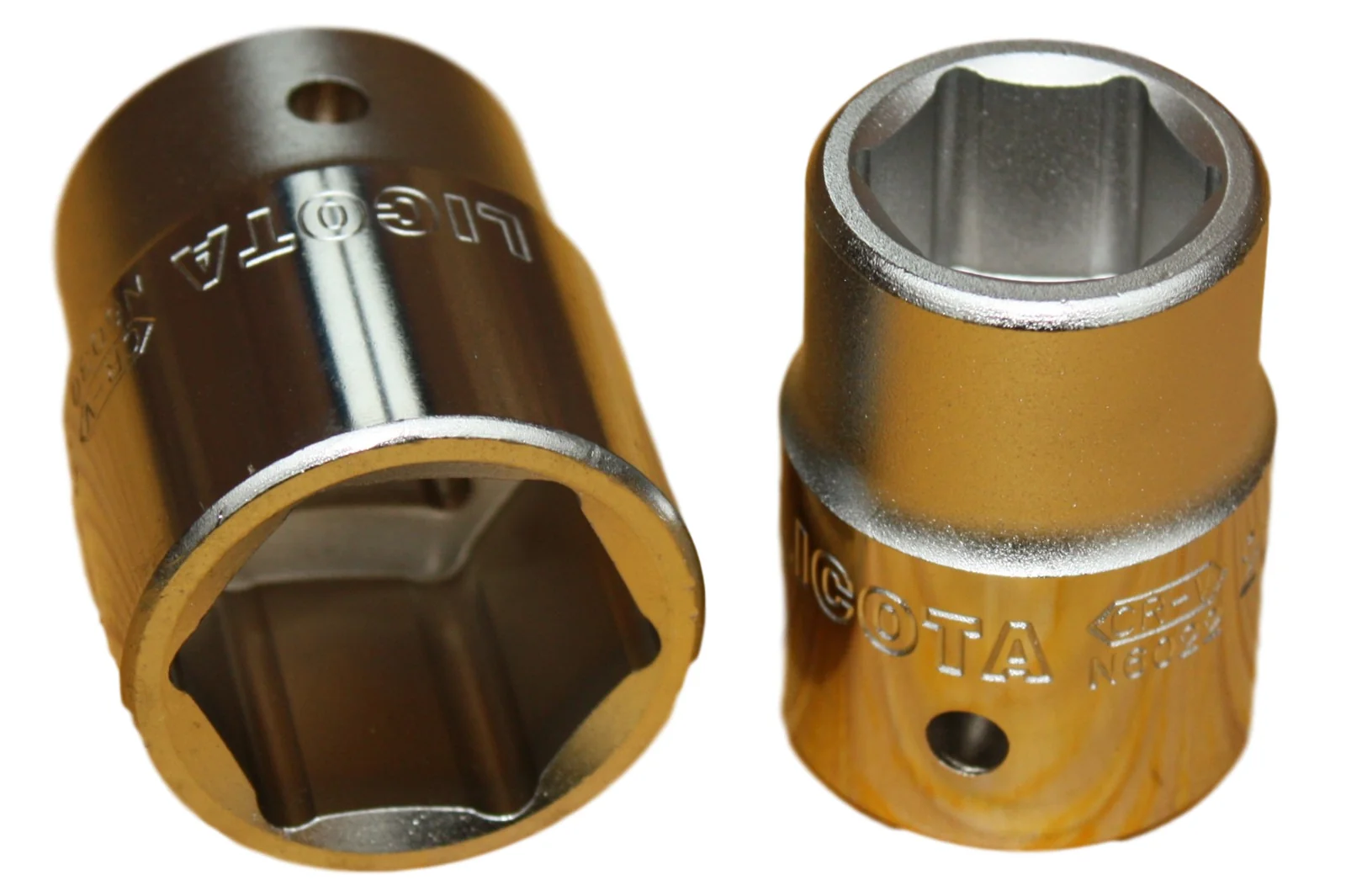
For minor maintenance work on your machine, you can find suitable tools such as socket sets
, in our extensive shop section for operational supplies.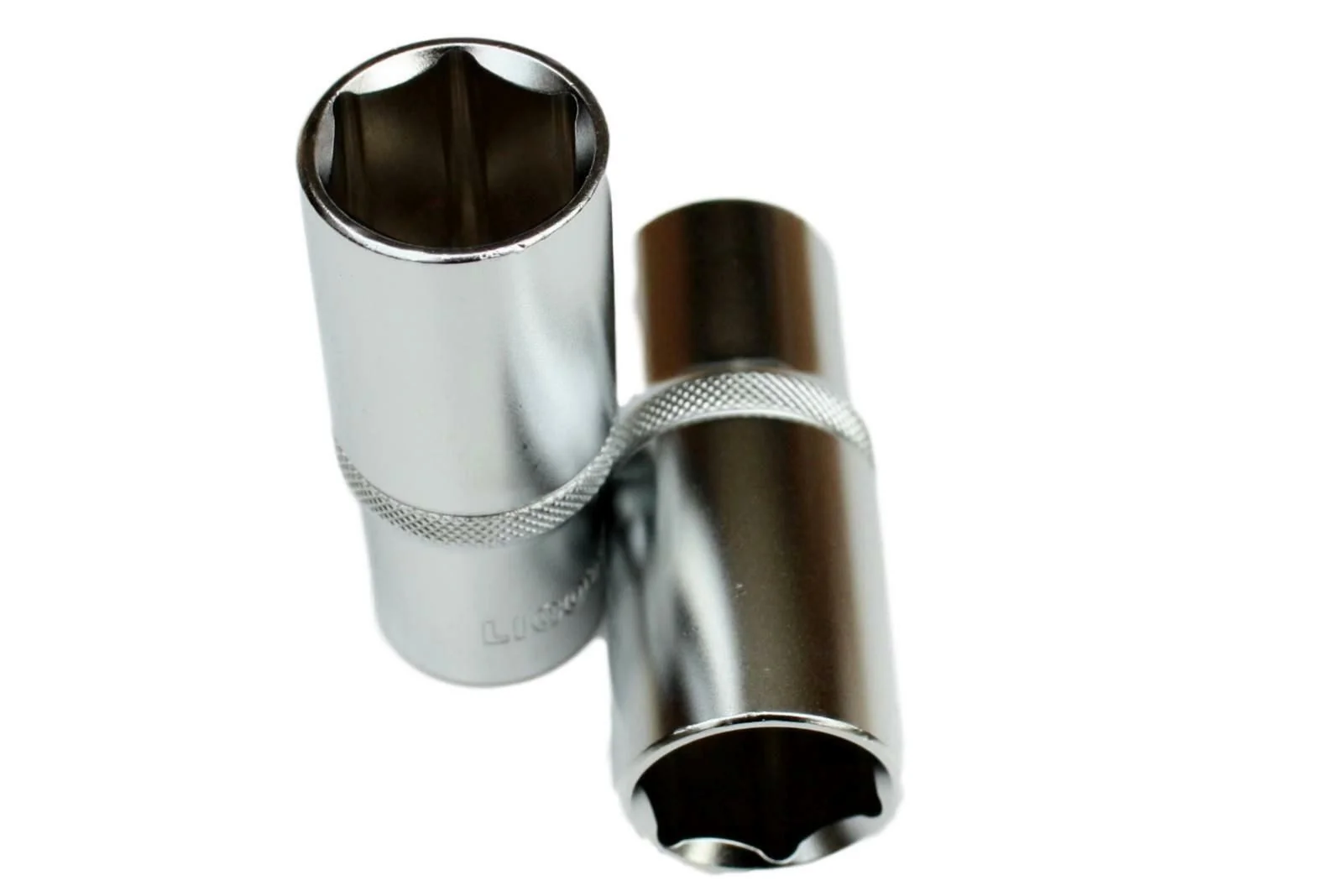
Safety always comes first
Read your machine's operating instructions thoroughly before using it for the first time. Place the log splitter on firm, level ground. Never work alone – in an emergency, a second person should be within calling distance.
Always keep children and pets at a safe distance while working. Fully deactivate the machine (unplug it and remove the ignition key) whenever you leave it unattended, even for a short time.
The greatest dangers when splitting wood arise from haste and routine. Concentrate on every movement. Respect the power of the machine and it will be your best helper.
Creative ideas: What can you do with leftover wood?
When splitting wood, you get not only perfect logs but also smaller pieces, wood chips and bark. Do not throw these leftovers away. They are valuable resources for your home and garden.
Smaller, irregular pieces of wood are perfect for kindling in the fireplace or on the grill. You can use wood chips and bark as mulch in flower beds. They suppress weeds and help keep the soil moist.
Particularly attractive or richly grained pieces can be turned into decorative items. You may find inspiration for your own craft projects in our range of wooden toys or wooden animals & figures.
Sustainably using every piece of wood makes working with a log splitter even more rewarding. You complete the cycle from forestry work to useful applications in your own home.
Conclusion: More comfort, more time, more firewood
A log splitter is not a luxury but a practical tool for anyone who heats with wood. It converts physical effort into hydraulic power. The time saved and reduced physical strain quickly offset the purchase cost.
Whether you choose a compact electric log splitter or a powerful petrol log splitter like the – the right choice depends on your individual needs. The and models offer professional performance for demanding tasks.
With the right preparation, clean splitting technique and regular maintenance, you can prepare your firewood efficiently and safely for many winters. All that remains is to light the fire and enjoy the well-deserved warmth.
Frequently Asked Questions
- What is the difference between a petrol and an electric log splitter?
- Petrol log splitters such as PRODUCT_130880 are independent of the mains supply, more powerful and ideal for use in the forest or on large properties. Electric log splitters are quieter, require less maintenance and produce no emissions, but they need a power socket. Their splitting force is fully sufficient for normal household use and occasional splitting.
- What splitting force do I need for my firewood?
- For typical softwood logs or straight-grained hardwood such as birch, 4-6 tonnes is sufficient. For knotty hardwood such as oak, beech or pieces close to the roots, machines with 8-10 tonnes or more are recommended. The PRODUCT_109248 and PRODUCT_90249 models reliably cover a wide range with 10 and 14 tonnes respectively.
- How do I prepare logs properly for a log splitter?
- Saw the logs to the desired log length, usually 25-33 cm. Remove all branches thoroughly. Split very thick or long round logs in advance with a chainsaw. Store the wood in a dry place before splitting so it splits more cleanly. Always wear safety glasses and chainsaw protective trousers during preparation.
- Can I split wet wood with a log splitter?
- Yes, freshly felled, wet wood can often be easier to split than dry wood because the fibres are still more pliable. However, the splitting result is less clean and the split wood must then be stored for considerably longer. Air-drying for one to two years in a firewood bulk bag or under a cover is ideal.
- How should I store my log splitter over winter?
- Clean the machine thoroughly, removing all wood residue and dirt. For petrol models, let the engine run until the fuel is used up or stabilise the fuel. Store the log splitter in a dry place, ideally in the garage or under a firewood cover. Before the next season, check the hydraulic oil and hoses for damage.