
In brief: Loosen compacted soil mechanically with a digging fork without completely turning over the soil layers. Improve its structure over the long term by working in compost, sand and rock flour. Green manure and mulching encourage soil life and prevent renewed compaction, resulting in healthier plant growth.
A healthy garden starts beneath your feet. Soil is the foundation for vigorous plants, abundant harvests and a flourishing oasis. Yet soil is often hard, lifeless and compacted. Water collects, roots cannot establish themselves and growth comes to a standstill. The problem is widespread, but the solution is in your hands. You can loosen your compacted garden soil and transform it into a fertile, living foundation. It is a process that combines immediate action with long-term care.
How can you recognise compacted soil in your garden?
Before taking action, you need to identify the problem with certainty. Compacted soil shows clear symptoms that you can spot with the naked eye or through simple tests. Pay attention to the signals your garden is sending you.
The spade test: A simple first check
The quickest way to diagnose the problem is to reach for your spade. Push it into several places in your beds or lawn. If the spade only penetrates a few centimetres with considerable effort, this is a strong indication of compaction. Healthy, loose soil is easy to work. Also examine the clod of soil you have dug out. Does it break into crumbly pieces, or does it remain a firm, hard lump? Blocky clods with sharp edges indicate disrupted soil structure.
Visible signs of soil compaction
Your garden also reveals a great deal about the condition of the soil at the surface. Look out for these signs:
- Puddles: After a rain shower, water remains on the surface for a long time instead of soaking away.
- Stunted growth: Plants develop poorly, remain small and often show yellowing leaves (chlorosis) because their roots cannot access nutrients and water.
- Shallow roots: When you remove a plant, you may see that its roots have grown flat beneath the surface instead of reaching down into the soil.
- Moss and algae: Moss and algae readily colonise the constantly damp, oxygen-poor surface of compacted soil.
- Summer cracks: During dry periods, the soil develops deep cracks and becomes rock hard.
The causes: How does compacted soil develop?
Compaction occurs when the pores in the soil, which are normally filled with air and water, are squeezed together. Human activity is often the main cause. Frequently walking over the same areas, driving a wheelbarrow over them or even using heavy construction machinery compresses the soil particles. Working soil that is too wet and clay-rich also damages its structure. Naturally heavy, clay-rich soils are likewise more prone to compaction than sandy soils.
Additional advice
Every soil is different. Loamy soils store water and nutrients well, but tend to become compacted. Sandy soils are loose but low in nutrients. Ideal garden soil has a crumbly structure made up of a balanced mixture of sand, silt, clay and organic matter.
How can you loosen compacted soil effectively? (Immediate measures)
Once you have identified compaction, the first step is mechanical loosening. This physical work breaks up hardened layers and creates the foundation for all further improvements. The right tool depends on the depth and extent of the compaction.
Deep loosening: Reach for a digging fork
For heavily compacted soil, especially in the subsoil, a digging fork is your most important tool. Unlike digging over the entire area, which disrupts valuable soil layers, a fork lets you loosen the soil gently. Push the digging fork as deep as possible into the soil and move the handle back and forth. This breaks up hard layers without completely turning over the soil. Work your way through the entire bed a section at a time. The right garden tools make this work much easier.
Important note
Never work your soil when it is wet. Wet loamy and clay soils smear during cultivation and become even more compacted as a result. Wait for a dry day when the soil is only slightly moist.
Surface cultivation with a broadfork or cultivator
For lighter compaction in the top 10 to 15 centimetres or for regularly maintaining established beds, hand tools such as a broadfork or cultivator are suitable. Pull these tools through the top layer of soil to aerate it and break up crusts. This method is less strenuous and ideal for preparing the seedbed in spring.
Healthy soil is the foundation for healthy plants and therefore also for healthy food. Maintaining and improving its fertility is one of our most important tasks.
Improve garden soil for the long term: More than just digging it over
Mechanical loosening is only the first step. To prevent the soil from becoming compacted again straight away, you need to improve its structure sustainably. You can do this by adding organic matter and minerals in a targeted way. These encourage active soil life that keeps the soil loose for you.
Compost: A gardener's gold
Mature compost is the best ingredient for any garden soil. It consists of countless organic particles that act like tiny sponges. They store water, release nutrients and create a stable crumb structure. Work a 3-5 cm-thick layer of compost lightly into the surface of your beds every year. Earthworms and microorganisms draw the material deeper into the soil and improve it from within.
Sand and rock dust for heavy soils
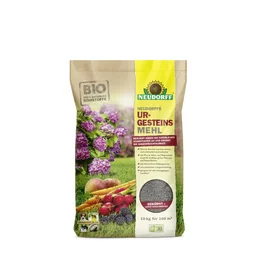
Heavy loam and clay soils in particular benefit from mineral additives. Sharp-grained building sand (not fine play sand) breaks up the sticky structure and improves drainage. An even more valuable addition is rock dust. The **
Using soil activators and fertiliser
Living soil needs nourishment. A specialised soil activator can stimulate microbial life in a targeted way. These products contain microorganisms and nutrients that accelerate the breakdown of organic matter and improve soil structure. They complement organic fertiliser and compost, giving tired soil the boost it needs.
Top tip
Create your own compost heap. This allows you to recycle garden and kitchen waste and continuously produce high-quality soil improver. Leaf compost is also an excellent, peat-free alternative for enriching soil with organic matter.
Why is the right planting so important?
Plants are not only consumers but also active shapers of the soil. With the right choice of plants, you can improve and loosen the soil structure in a targeted, natural way.
Green manure: Plants as soil helpers
Green manure involves deliberately sowing plants that improve the soil. Species such as phacelia, yellow mustard and lupins root deeply through the soil and break up compacted areas with their root channels. After flowering, mow the plants and either work them lightly into the soil or leave them as a protective layer of mulch over winter. They enrich the soil with valuable biomass and protect it from the elements.
Green manure plants are a gardener's hardworking helpers. They loosen the soil with their roots, enrich it with valuable organic matter and protect it from erosion.
Use deep-rooted plants strategically
Alongside classic green manure plants, there are also many perennials and crops with deep roots. Comfrey, mullein and parsnips send their roots deep into the subsoil, creating permanent channels for air and water. Planting a diverse range of species with different root depths helps create stable, healthy soil structure.
Prevent compaction: How to keep your soil loose long-term
Once you have gone to the effort of loosening and improving your soil, it is important to prevent it from becoming compacted again. A few simple habits will keep your soil healthy and fertile for the long term.
Plan garden paths intelligently
The most common cause of compaction is walking on the beds. Create permanent paths and avoid walking on the planting area. If you do need to enter a bed, place a wide wooden board underneath you. It distributes your weight over a larger area and protects the soil structure.
Use the right watering technique
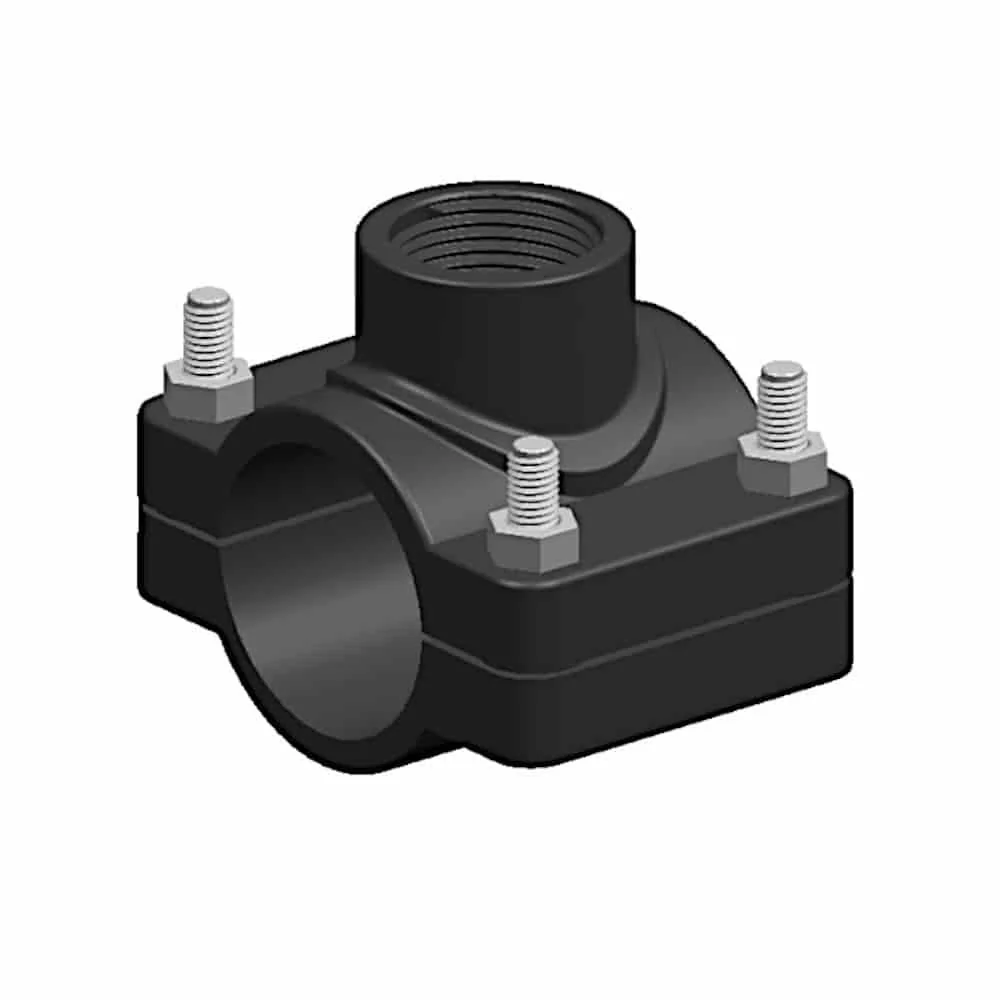
A powerful jet from a garden hose can cause the soil surface to crust over and become compacted. Instead, use a watering can with a rose attachment or a sprinkler with a fine nozzle. Even better is a well-designed garden irrigation system, such as drip irrigation. This releases water slowly and directly to the roots. Components such as the **
3/4 inch tapping saddle** or the ** 1 inch tapping saddle** are building blocks for efficient, soil-friendly systems like these.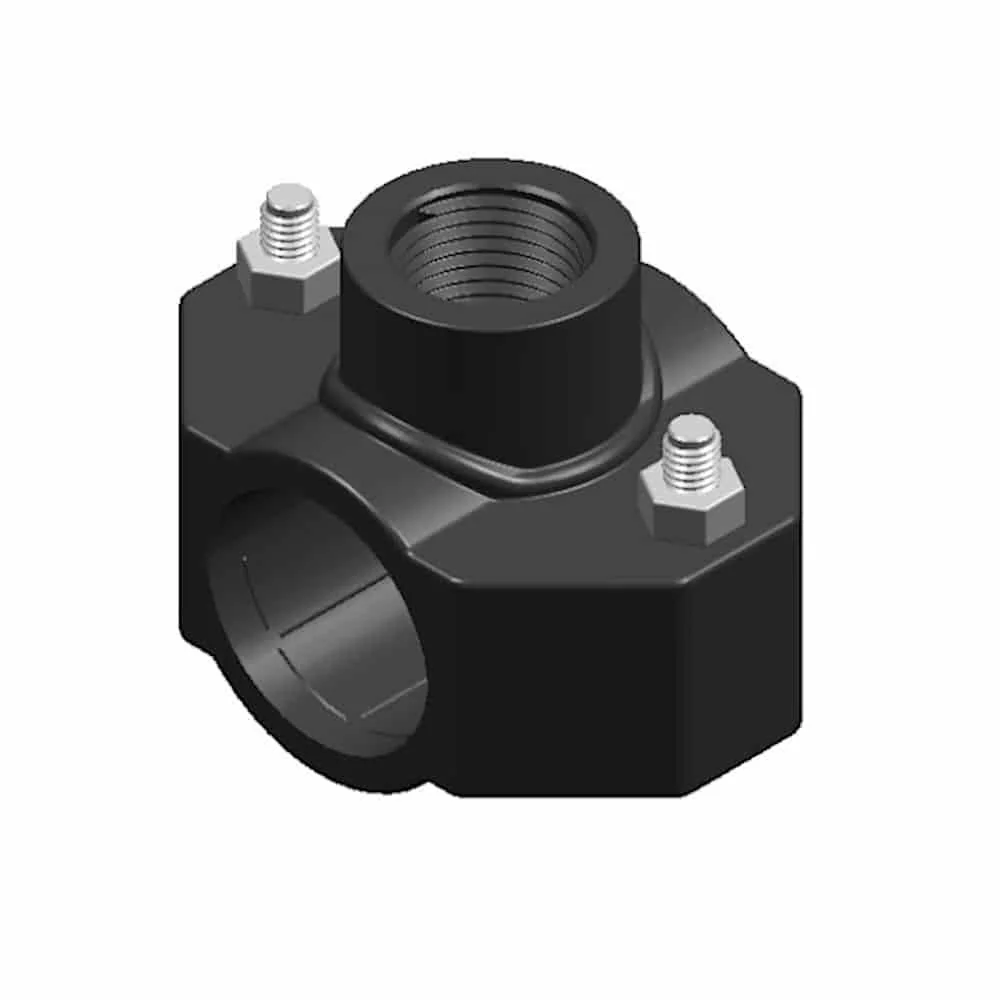
Mulching: The protective blanket
Mulching is one of the most effective ways to prevent compaction. Cover the bare soil between your plants with a layer of organic material. Grass clippings, partly dried nettles, leaves and bark mulch are ideal. The mulch layer protects the soil from the impact of raindrops, suppresses weeds, retains moisture and provides food for soil organisms. Earthworms draw the material into the soil and ensure continuous, natural loosening.
Caring for your soil is an ongoing task that pays off. Loose, living and nutrient-rich soil is the best investment in your entire Garden + Outdoor area. It rewards you with healthy plants, less work and more enjoyment of gardening.
Frequently Asked Questions
- How often should I loosen my garden soil?
- Deep loosening is only necessary when the soil is severely compacted. You can loosen the soil lightly and superficially with a cultivator every spring. More important is the continuous addition of organic matter such as compost to keep the soil loose in the long term and avoid digging it over.
- Can I also loosen compacted lawn soil?
- Yes, use a lawn aerator or aerating fork on lawns. These tools make holes in the soil, allowing air, water and nutrients to reach the roots. You can then spread fine sand over the area to keep the aeration holes open.
- Is digging always bad for the soil?
- Rigorous, deep digging can disturb soil life because it turns the layers over. It is better to loosen the soil with a digging fork and work organic materials into the surface. However, a one-off dig can be useful when preparing very heavy, untouched soil.
- Which sand is suitable for loosening clay soil?
- Use sharp-edged builders' sand or quartz sand with a grain size of 0/2 mm. Avoid fine play sand, as it can form a concrete-like mass when mixed with clay. The aim is to introduce coarser particles that improve drainage and aeration.
- Does mulching help prevent soil compaction?
- Yes, mulching is an excellent preventative measure. A layer of mulch protects the soil from the impact of heavy raindrops, keeps it moist and loose, and promotes soil life. Earthworms and other organisms draw the material into the soil, loosening it naturally.
You may also be interested in
- No more wheel ruts: How to reinforce lawns properly
- Pelleted cow manure: The organic turbo boost for your garden
- Digging over the garden: When, how and with which tools?
- How to make ground anchors last: The art of stable lawn edging
- Liming garden soil: Your guide to healthy plants
- Moss in the garden: Causes, prevention and effective removal